Dealing with fleas on your dog is frustrating. You see the scratching, the discomfort, and the red bumps. Chemical treatments work, sure, but the idea of putting potent neurotoxins on your dog's skin every month gives many of us pause. What if there was a gentler way? What if your kitchen cupboard or garden held part of the answer? For years, before modern pesticides, people used herbs to repel pests. This knowledge hasn't vanished. It's just been waiting for pet owners who want a more natural approach to flea control.
I've been down this road with my own dog, a sensitive terrier mix who reacted poorly to a popular spot-on treatment. That experience sent me digging into herbal alternatives, consulting with holistic vets, and a lot of trial and error. Herbs aren't a magic bullet – they require more consistency than a monthly chemical dose. But used correctly, they can form a powerful, safe part of your flea defense strategy. Let's cut through the hype and look at what actually works, how to use it, and the critical mistakes to avoid.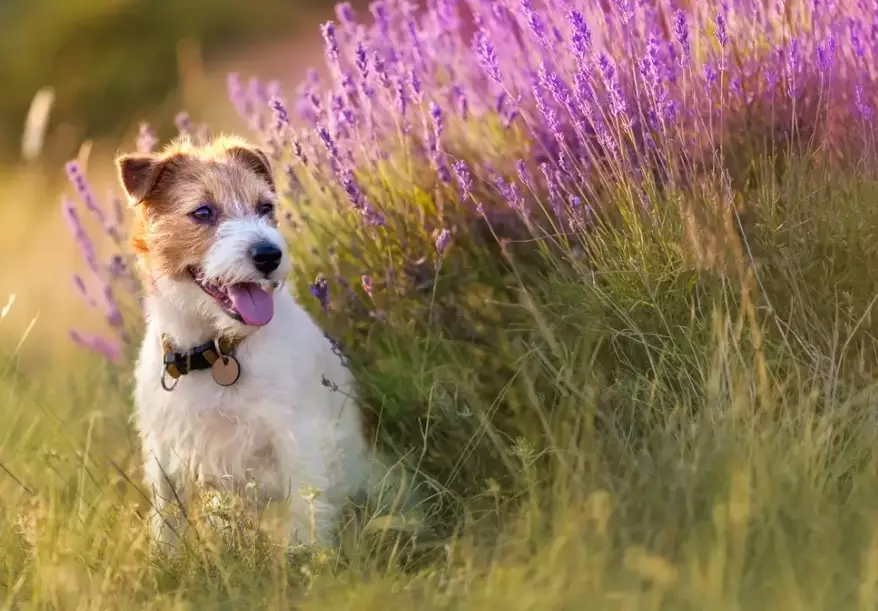
What's Inside This Guide
5 Herbs That Actually Repel Fleas on Dogs
Not every "natural" herb you read about online is equally effective. Some have stronger scientific backing for their repellent properties, while others are more folkloric. This list focuses on herbs with documented use and active compounds that fleas find unpleasant. Think of them as creating an invisible, aromatic barrier your dog wears.
| Herb | Why It Works (Active Compounds) | Best Method of Use | Key Consideration |
|---|---|---|---|
| Rosemary | Contains camphor and verbenone, which are known insect repellents. Studies, including some cited by the USDA, have shown rosemary oil's efficacy against ticks and fleas. | Herbal rinse or diluted spray after bathing. Can be added to homemade dog shampoo. | Very safe for most dogs. Avoid using rosemary oil undiluted. |
| Lavender | Linalool and linalyl acetate give lavender its scent, which fleas avoid. It also has mild calming and skin-soothing properties. | Lightly diluted spray on bedding and collar. A few drops of oil in a carrier base for a "pet perfume". | Extremely popular, but some dogs may be sensitive. Always dilute heavily (more on that later). |
| Lemongrass & Citronella | High in citral and geraniol, compounds that are the backbone of many commercial natural repellents. Fleas hate the sharp, citrusy smell. | Yard spray to treat outdoor areas. Very dilute spray for dog's coat (avoid face). | Potent. Must be heavily diluted for direct dog use. Can be irritating if misused. |
| Peppermint / Spearmint | Menthol creates a cooling sensation and a strong scent barrier. It can help soothe existing flea bite itchiness too. | Herbal infusion added to final rinse water. Spray on paws after walks. | Never use near a dog's nose or eyes. Can be too stimulating for some dogs. Avoid with puppies. |
| Neem (Not strictly an herb, but a tree extract) | Azadirachtin disrupts the insect's life cycle, acting as a repellent, anti-feedant, and growth regulator. It's a powerhouse, backed by research from institutions like the National Institutes of Health. | Neem oil diluted in a carrier oil for a spot-on treatment. Neem leaf powder in food (for systemic effect). | Bitter taste. Oil has a strong, garlicky smell. Most effective as part of a multi-herb strategy. |
Here's the thing most articles don't tell you: using a single herb is like bringing a knife to a gunfight. Fleas are resilient. A blend of 2-3 of these herbs is almost always more effective than relying on just one. The combined scents create a more complex barrier they're less likely to tolerate.
How to Use Herbs for Flea Control: Sprays, Powders & More
Knowing which herbs to use is half the battle. The other half is delivering them effectively. You can't just rub a lavender plant on your dog and call it a day.
Making a Simple Herbal Flea Repellent Spray
This is your go-to method. It's easy, customizable, and you control the ingredients.
Basic Recipe: Steep 1 cup of dried rosemary and 1/2 cup of dried peppermint in 4 cups of boiling water for 30 minutes. Let it cool completely, then strain. Add 2 tablespoons of apple cider vinegar (which also helps repel fleas and balances skin pH) and 10 drops of lavender essential oil (optional, for extra punch). Pour into a spray bottle.
How to Apply: Shake well before use. Lightly mist your dog's coat, avoiding the eyes, nose, and mouth. Focus on the neck, behind the ears, along the spine, and the base of the tail – flea highways. You can spray their bedding, carpet, and your own pant legs too. Use every 2-3 days, or before going into high-risk areas like parks.
Using Herbal Powders and Food Additives
Sprays work externally. For an inside-out approach, some herbs can be used differently.
Diatomaceous Earth (Food Grade) with Herbs: This fine powder is made from fossilized algae and dehydrates fleas. Mix a small amount of food-grade diatomaceous earth with dried, powdered neem leaf and rosemary. Lightly dust this onto your dog's coat, rub in, and then brush out after 15-20 minutes. Warning: Avoid inhaling the dust. Do this outside.
Dietary Support: Some believe that feeding small amounts of certain herbs makes the dog's skin less appealing. A tiny pinch of dried, powdered neem leaf or garlic (in very small, vet-approved amounts for dogs) in food is a traditional method. The science here is thinner, and garlic is highly controversial due to toxicity risks at higher doses. I generally avoid recommending dietary garlic unless under direct guidance from a holistic vet.
Safety First: Crucial Guidelines & Dogs to Avoid Herbs
This is where most well-meaning owners slip up. "Natural" does not automatically mean "safe in any quantity." Essential oils are highly concentrated plant compounds and can be toxic.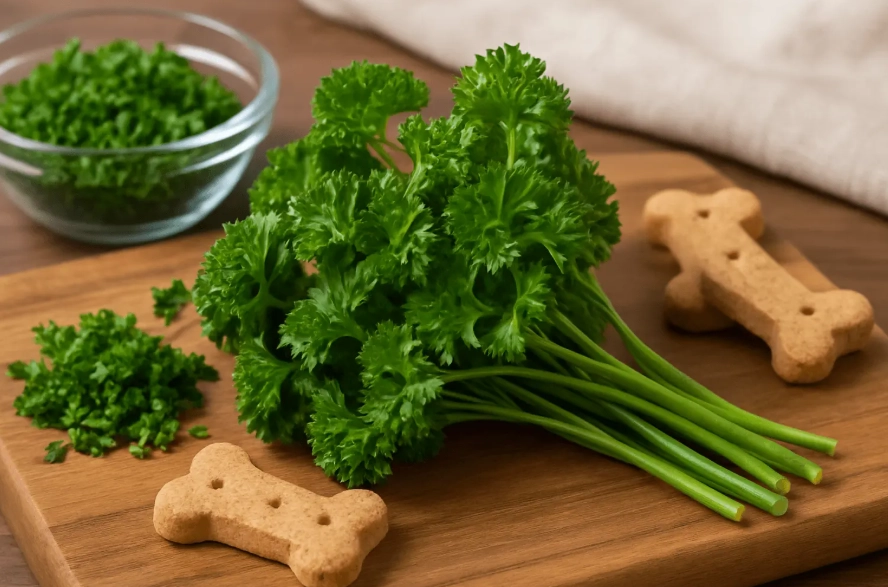
Dogs That Should Skip Herbal Treatments (or proceed with extreme caution):
- Pregnant or nursing dogs. Herbs can affect hormones and development.
- Puppies under 6 months. Their livers are immature and can't process compounds as well.
- Dogs with liver or kidney disease. Their bodies can't detoxify efficiently.
- Epileptic dogs. Some oils, like rosemary and peppermint in high concentrations, can potentially trigger seizures.
- Cats in the household. Cats lack certain liver enzymes and are extremely sensitive to many essential oils (especially tea tree, peppermint, citrus). If you have cats, avoid using sprays in shared spaces or on yourself if you cuddle them.
Common Mistakes When Using Natural Flea Remedies
I've made some of these myself. Learning the hard way is no fun for you or your dog.
Mistake 1: Using "Undiluted" or "Neat" Essential Oils. This is the biggest and most dangerous error. Putting pure lavender oil on your dog's skin can cause chemical burns, toxicity, and severe reactions. Always, always dilute.
Mistake 2: Expecting a Once-and-Done Solution. Herbal repellents degrade and evaporate. They don't provide 30 days of systemic protection like some prescriptions. You need to reapply sprays every few days, especially after swimming or bathing. Consistency is key.
Mistake 3: Neglecting the Environment. Treating your dog but not your home is like treating a symptom, not the disease. 95% of the flea problem (eggs, larvae, pupae) is in your environment. Use herbal sprays on bedding, vacuum frequently (and dispose of the bag immediately), and consider diatomaceous earth on carpets (left for a few hours, then vacuumed).
Mistake 4: Giving Up Too Soon or Using Too Little. A light mist won't cut it in a heavy infestation. Herbs work best as a preventative or for mild problems. If your dog is covered in fleas, you likely need to combine herbs with more aggressive environmental control (like thorough cleaning) or consult your vet for a fast-acting, safe treatment to break the cycle first. Then maintain with herbs.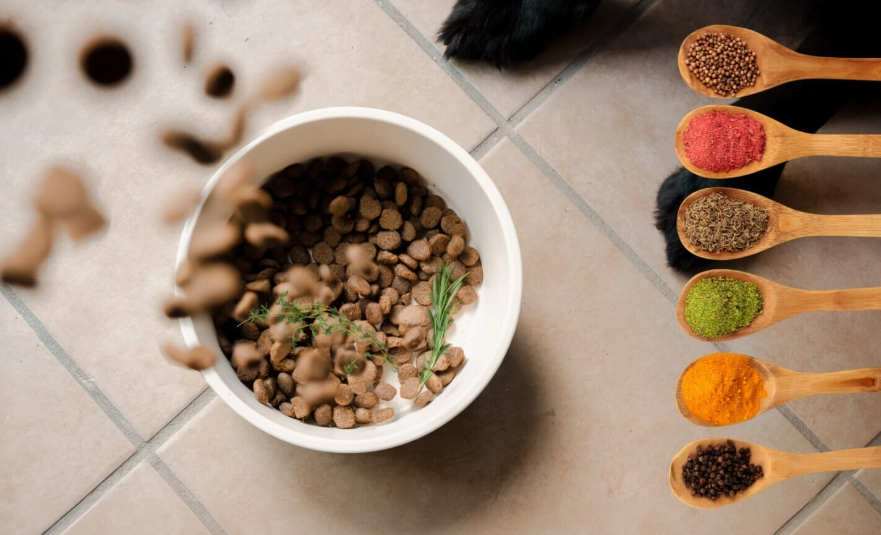
Your Herbal Flea Control Questions Answered
My dog has flea allergy dermatitis (FAD). Are herbs enough to stop the itching?
Can I use these herbal sprays on a puppy?
 How long does it take for herbal flea control to start working?
I've heard apple cider vinegar (ACV) helps with fleas. Should I add it to my dog's water?
What's the one herb you wouldn't be without for flea season?
Leave a comment