You see the cut on your dog's paw. Your first instinct might be to grab the brown bottle of hydrogen peroxide from the medicine cabinet. It bubbles, it must be cleaning, right? Stop. Put it down. The short, critical answer is no, you should not use hydrogen peroxide to clean your dog's wounds. What was once a common first-aid staple is now understood by veterinarians to do more harm than good. That fizzing action you see isn't a sign of deep cleaning; it's a sign of damage to the very cells trying to heal your dog.
What You'll Find in This Guide
Why Hydrogen Peroxide is Harmful for Dog Wounds
Let's break down the chemistry. Hydrogen peroxide (H₂O₂) is an oxidizing agent. When it contacts living tissue—like the open cells in a wound—it breaks down into water and oxygen gas. That's where the bubbles come from. The problem is this oxidation process isn't selective. It doesn't just attack "bad" bacteria; it attacks everything, including the healthy fibroblasts and epithelial cells that are rushing to the site to rebuild tissue.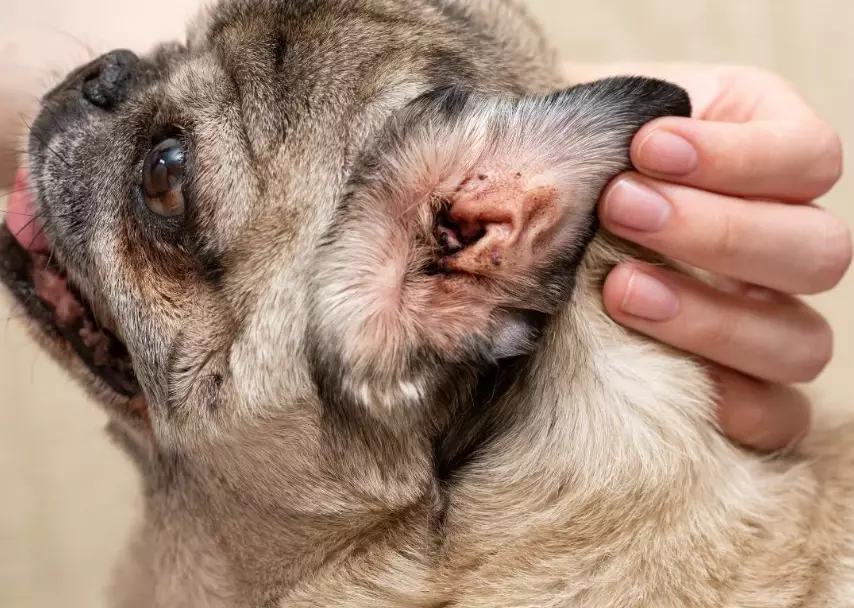
Think of these cells as construction workers arriving to fix a damaged building. Pouring peroxide on the site is like throwing corrosive chemicals on those workers. It slows them down, damages their tools, and makes the repair job take much longer.
The Real Danger: Tissue Damage and Delayed Healing
The immediate visual effect might seem reassuring—the wound looks "cleaner." But underneath, you're creating a secondary chemical burn. This damages the delicate granulation tissue, the pinkish new flesh that forms the foundation for healing. Damaging this layer sets the healing process back by days, sometimes weeks.
I've spoken with vets who see this all the time. A dog comes in with a simple laceration that's a week old but looks angry and isn't closing. The owner says, "I've been cleaning it with peroxide three times a day." The vet just nods, knowing they now have to debride (remove) that damaged, non-viable tissue before real healing can even begin. It turns a straightforward fix into a prolonged ordeal.
Furthermore, that bubbly action can actually push debris and bacteria deeper into the wound tract, especially in puncture wounds. Instead of cleaning it out, you're potentially seeding an infection deeper into the tissue.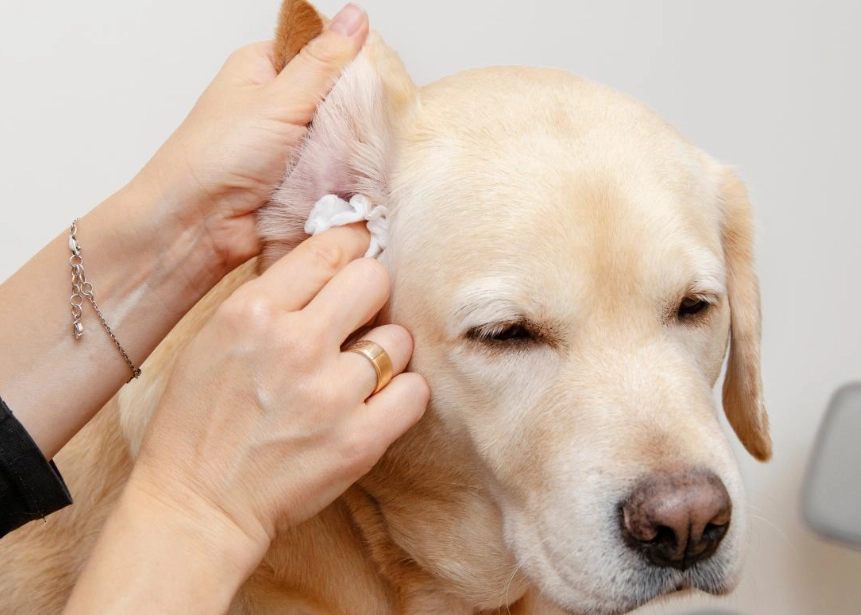
Safe & Effective Alternatives to Peroxide for Dog Wounds
So what should you reach for instead? Your goal is gentle mechanical debridement—flushing away debris—without causing chemical trauma. Here are the products vets recommend you keep in your dog first aid kit.
| Product | Best For | How to Use | Why It's Better Than Peroxide |
|---|---|---|---|
| Sterile Saline Solution | Minor scrapes, rinsing eyes, general flushing. | Pour or squirt liberally over the wound to rinse away dirt. | Physiologically neutral. Cleans without irritating or damaging cells. |
| Chlorhexidine Dilute Solution (2%) | Most cuts, abrasions, and post-surgical cleaning. The vet-recommended gold standard. | Dilute as directed (often 1 part solution to 40 parts water). Flush wound or apply with gauze. | Broad-spectrum antiseptic that is effective yet gentle on tissue. Doesn't impede healing. |
| Povidone-Iodine Dilute Solution (Betadine) | Superficial wounds when chlorhexidine isn't available. | Dilute to the color of weak tea. Apply, let sit for 1-2 mins, then rinse with saline. | Good antiseptic properties, but must be rinsed off as it can be drying and irritating if left. |
| Veterinary Wound Flush (e.g., Curaseb, Douxo) | Convenient, pre-mixed antiseptic flushes for pet owners. | Spray directly onto the wound. Often contains chlorhexidine or similar gentle antiseptics. | Formulated specifically for pets. No mixing required, takes the guesswork out. |
You can buy sterile saline in bottles at any pharmacy. For chlorhexidine, look for a 2% or 4% solution at pet stores or online—it's inexpensive and lasts forever. The crucial step is dilution. Full-strength chlorhexidine can be irritating. A common dilution is one ounce of 2% solution per quart of distilled or previously boiled water.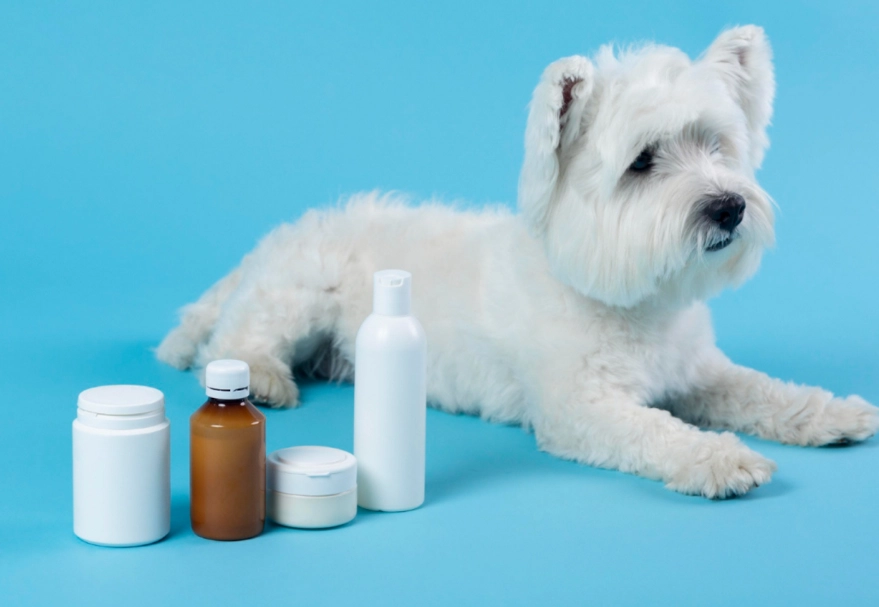
My go-to is a clean spray bottle filled with properly diluted chlorhexidine. It lets me flush a wound from a slight distance, which is less stressful for a nervous dog than pouring from a cup.
How to Clean a Dog Wound at Home: A Step-by-Step Guide
Let's walk through cleaning a minor, superficial cut or scrape that you've decided is safe to manage at home (more on that decision later).
Step 1: Restrain and Muzzle (If Needed)
Even the sweetest dog may bite when in pain. If you're unsure, use a soft muzzle. Have a helper gently hold your dog, speaking calmly. Work on the floor in a well-lit area.
Step 2: Initial Inspection & Trimming
Using blunt-tipped scissors, carefully trim the hair around the wound. This prevents hair from getting stuck in the healing tissue, which is a common source of irritation and infection. Get a good view of the actual damage.
Step 3: The Flush
This is the most important step. Take your saline or diluted chlorhexidine solution. Using a syringe without a needle (a 20-60cc syringe is perfect) or a squeeze bottle, gently but firmly flush the wound. You want enough pressure to wash out debris, but not so much that it hurts or drives things deeper. Aim for a steady stream. Flush until you see no more dirt or debris coming out. You might need 100-200ml of solution for a decent-sized cut.
Step 4: Pat Dry & Apply Protection
Gently pat the area dry with a clean, lint-free gauze pad. Do not rub. For a simple scrape, you can often leave it open to air. For a slightly deeper cut, apply a thin layer of a pet-safe antibacterial ointment (like a triple antibiotic without pain relievers, which can be toxic if licked). Avoid Neosporin with pain relief (containing pramoxine or hydrocortisone) unless specifically told by your vet.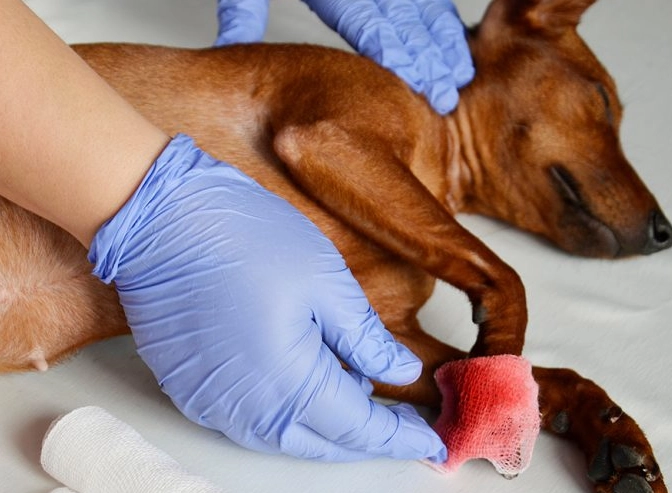
Step 5: Bandage? Usually Not.
Most minor wounds heal better without a bandage, which can trap moisture and bacteria. Only bandage if the wound is in a location your dog won't stop licking or that will get constantly dirty. If you must bandage, use a non-stick pad (Telfa), followed by cotton roll, then vet wrap—and change it daily. A poorly applied bandage can do more harm than good by cutting off circulation.
When to Skip Home Care and See the Vet Immediately
This is where many pet owners hesitate, hoping it will get better. Don't gamble. Some wounds are ticking time bombs. Take your dog to the vet or an emergency clinic if you see any of the following:
- Deep puncture wounds, especially from animal bites. These trap bacteria deep under the skin and almost always require antibiotics and sometimes surgical drainage.
- Wounds longer than an inch or that gap open when the skin moves. These likely need stitches or staples, which must be placed within a few hours.
- Active bleeding that doesn't stop with 5-10 minutes of direct, firm pressure.
- Signs of infection: Thick yellow or green discharge (pus), increasing redness, swelling that worsens, heat radiating from the area, or a foul smell.
- Location, location, location: Wounds near the eyes, mouth, genitals, or major joints. Also, any wound on the chest or abdomen that might penetrate the body cavity.
- Your dog is in significant pain or seems lethargic and unwell.
When you go to the vet, they will likely perform a more thorough cleaning, often under sedation for painful or complex wounds. They may prescribe antibiotics (oral or topical) and pain medication. Trust me, the cost of an early vet visit is almost always less than the cost of treating a severe infection or repairing a badly healed wound later.
What About Other Uses for Peroxide on Dogs?
The internet is full of old advice. Let's clear it up.
Inducing Vomiting: This is the only scenario where a vet might instruct you to use 3% hydrogen peroxide. It's to make a dog vomit after ingesting certain toxins (like chocolate or antifreeze) and only if done within a very short timeframe after ingestion. Critical warning: You must call your vet or a pet poison control hotline (like the ASPCA Animal Poison Control Center) first. Inducing vomiting is dangerous if the dog ingested a caustic substance (like bleach), a sharp object, or is already unconscious. The recommended dose and method are specific. This is not a DIY decision.
Ear Cleaning: Never. The delicate skin inside a dog's ear canal is easily damaged. Peroxide can cause significant irritation and inflammation, potentially making an existing ear infection worse. Use a vet-recommended ear cleaner instead.
Skin Whitening or Hot Spots: Absolutely not. It will dry out and irritate the skin severely, worsening any dermatitis or hot spot.
Your Dog Wound Care Questions Answered
What should I use instead of peroxide to clean my dog's cut?
My dog won't let me near the wound. What do I do?
The wound looks a bit red a day later. Is that normal?
Can I use rubbing alcohol or witch hazel?
Is it ever okay to use peroxide on a dog?
How can I tell if my dog's wound needs a vet?
Throwing out that old bottle of peroxide might feel counterintuitive. We were taught it was essential. But dog care, like human medicine, evolves. We now know that being gentle is often the most powerful medicine. By using saline or a proper antiseptic flush, you're supporting your dog's body instead of fighting it. You're giving those cellular construction workers a clean site and the safety they need to do their job. And that's the best first aid of all.

Leave a comment