Let's be honest, the plastic cone, or Elizabethan collar, is a nightmare for everyone. Your dog hates it. It bangs into every doorframe, food bowl, and your shins. It turns a sweet pet into a miserable, clumsy satellite dish. After my own dog, Finn, had a minor lump removed, I watched him spend two days depressed, refusing to move, just staring at me with that plastic prison around his neck. That's when I tried a simple cotton T-shirt. The change was instant—he relaxed, could sleep comfortably, and even played a little. But here's the crucial part most articles gloss over: a T-shirt is not a one-size-fits-all replacement. It's a tool with specific uses and, more importantly, specific failures you need to know about.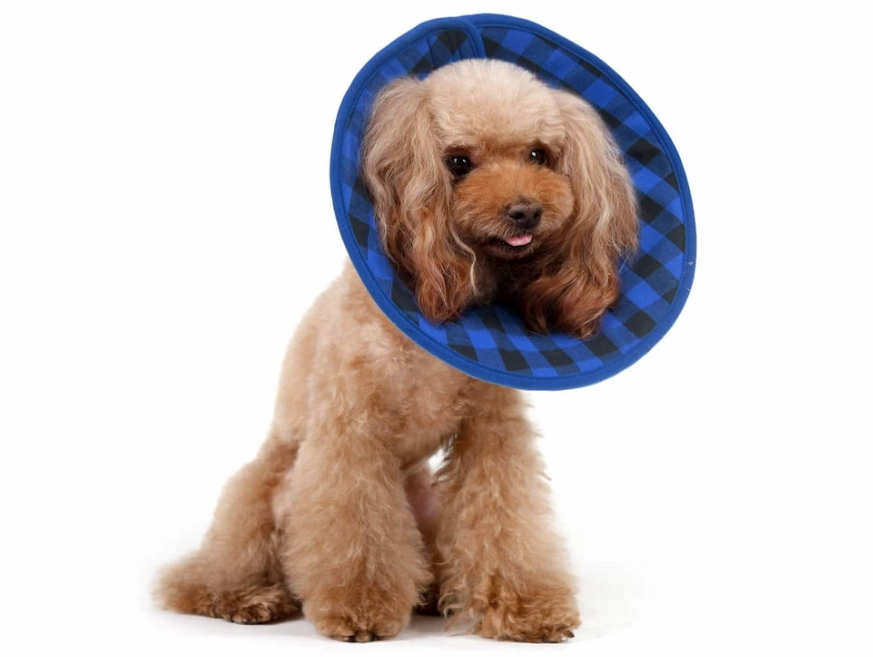
What’s Inside This Guide
When a Dog T-Shirt Actually Works (And When It's a Risk)
This is the most important section. Getting it wrong can lead to a reopened wound or infection. A T-shirt works by creating a physical and visual barrier. It makes licking, biting, or scratching the affected area more difficult and less satisfying. It also provides gentle compression, which can soothe minor irritations and anxiety.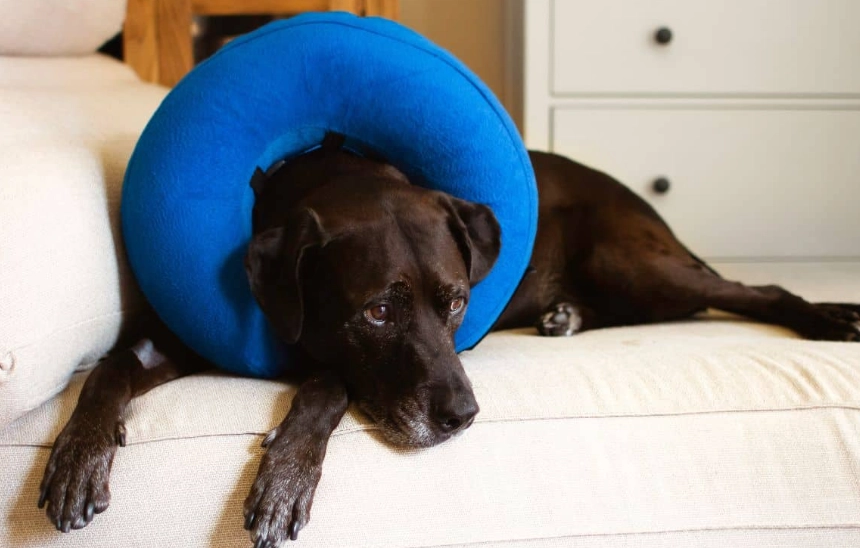
Good scenarios for a T-shirt:
- Torso wounds: This is the ideal use. Spay/neuter incisions, sutures on the back, flank, or belly. The shirt covers it directly.
- Hot spots or rashes on the body: Prevents direct scratching with paws.
- Post-surgery anxiety/comfort: The gentle pressure can have a calming, swaddling effect, similar to a ThunderShirt.
- Protecting a bandage: Keeps a clean bandage on the body from getting dirty or pulled off.
When you must use a cone (or a similar hard alternative):
- Wounds on the legs, paws, tail, or head. >li>If your dog is a persistent licker/chewer who will soak through the fabric.
- After major surgery where the integrity of the incision is critical. Always ask your vet first.
- Some vets even recommend a dual approach: cone for unsupervised times (like when you're asleep) and the shirt for supervised, comfortable rest periods.
The Head-to-Head Comparison: Cone vs. Recovery Shirt
Let's break down the practical differences. It's not just about comfort; it's about functionality and safety.
| Feature | Plastic E-Collar (Cone) | Recovery T-Shirt/Bodysuit |
|---|---|---|
| Primary Protection | Universal. Prevents access to any part of the body with a physical barrier. | Localized. Primarily protects the torso, back, and belly. Ineffective for limbs. |
| Dog Comfort & Mobility | Very low. Causes stress, disorientation, difficulty eating/drinking, and obstacles. | High. Allows normal movement, sleeping, eating, and play. Reduces stress. |
| Human Comfort | Low. Gets in the way, causes noise, and is generally unpleasant for the household. | High. Dog acts more normally, less guilt for the owner. |
| Best For | Serious surgeries, determined chewers, wounds on paws/legs/tail/head. | Spay/neuter recovery, torso wounds, hot spots, anxious dogs, protecting bandages. |
| Key Risk | Psychological stress, injury from bumping into things, refusal to move/eat. | Can be chewed through or soaked with saliva, leading to wound moisture and infection. |
| Cost & Accessibility | Usually cheap or provided by the vet. Readily available. | Variable cost. Can use a human baby onesie in a pinch, but purpose-made ones are better. |
How to Choose and Fit the Perfect Recovery Shirt
Not all shirts are equal. A baggy old gym shirt won't cut it. It needs to be snug but not restrictive.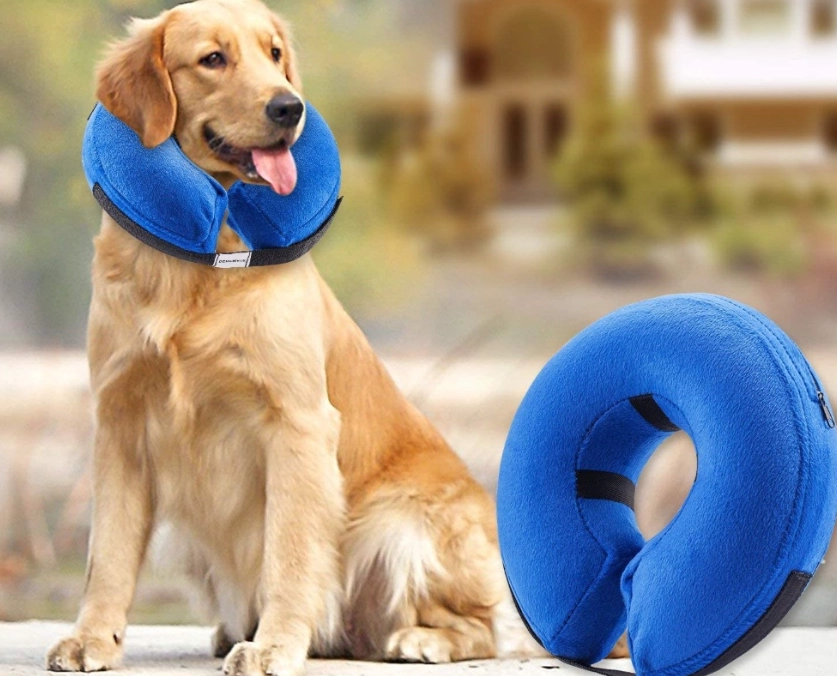
Material Matters: Skip the Cotton
Here's a tip you won't hear often: pure cotton, while soft, is the worst choice for a recovery shirt. Why? It absorbs and holds moisture (saliva, urine) like a sponge, creating a damp environment perfect for bacteria next to a wound. Look for:
- Breathable, moisture-wicking blends: Fabrics with some polyester or specialized performance material that pulls moisture away from the skin and dries quickly.
- Soft, seamless interiors: To prevent chafing on the incision site.
- Stretch: For a secure, comfortable fit that moves with your dog.
The Goldilocks Fit: Not Too Tight, Not Too Loose
Measure your dog's chest at the widest part (right behind the front legs) and their length (base of neck to base of tail). Use the brand's sizing chart. The fit should be:
- Snug around the torso, so it doesn't easily twist or ride up.
- You should be able to slip two fingers comfortably under the fabric at any point.
- Check the neck and leg openings. They shouldn't be gaping, or your dog might still reach the wound.
I made the mistake with Finn's first shirt by getting one too big. He managed to contort himself and lick his belly stitch through the neck hole. Lesson learned.
The Step-by-Step Process: From Surgery to Shirt
Let's walk through a real-world scenario: your dog just got spayed.
Step 1: The Vet Consultation. Before surgery, ask your vet: "Given my dog's temperament and the procedure, is a recovery shirt a viable option for primary protection?" Respect their answer. They know the surgery's specifics.
Step 2: Have the Shirt Ready. Buy it beforehand. Wash it without fabric softener (can irritate skin).
Step 3: The First 24 Hours. Your dog will be groggy. This is often the easiest time. Put the shirt on before they fully wake up and become aware of the incision. Ensure it's on correctly, covering the wound completely.
Step 4: The Monitoring Phase. For the first few days, you must be vigilant. Every few hours, do a "finger check" under the shirt. Is the wound dry? Is the surrounding skin cool and normal-colored? Is the shirt itself dry? If it's damp with saliva or urine, change it immediately. Have 2-3 shirts on rotation for hygiene.
Step 5: The Boredom & Itch Phase (Days 3-7). As they heal, itching starts. This is when even good dogs get creative. Increase supervision. If you see persistent licking or chewing at the shirt fabric, it's a red flag. You may need to switch to a cone or add a soft, inflatable collar as a combo.
Step 6: Gradual Freedom. Only remove the shirt permanently when your vet gives the all-clear, usually after suture removal or the full healing period (10-14 days).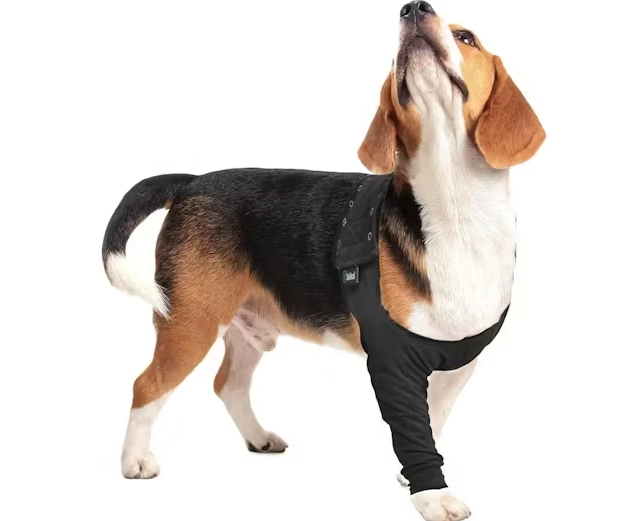
Common Mistakes and Expert Tips for Success
- Mistake: Assuming it's "set and forget." A recovery shirt requires more active management than a cone. You're trading physical barrier for comfort, which means you become the supervisor.
- Tip: The Backwards Onesie Trick. For male dogs or to protect belly incisions from urine, put a baby onesie on backwards so the bum flap is on their back. Cut a hole for the tail. It keeps the wound area cleaner.
- Mistake: Ignoring the "doggy smell." A faint odor means bacteria. Wash the shirts frequently with a hypoallergenic, fragrance-free detergent.
- Tip: Do a Trial Run. If you plan to use this method, get the shirt before the surgery. Let your dog wear it for an hour at home. This gets them used to it and lets you check the fit without the stress of a fresh wound.
- Mistake: Choosing style over function. Cute prints are fine, but material, fit, and coverage are what matter for healing.
Your Questions, Answered (Beyond the Basics)
My dog is a serious licker. He just licks the shirt over the wound until it's soaked. What now?
This is a clear sign the shirt isn't enough barrier for him. The constant moisture is a major infection risk. You have two options: 1) Switch to a traditional cone or an inflatable "donut" collar. 2) Use the cone during times you can't supervise him closely (overnight, when you leave the house) and the shirt only when he's calmly resting in your direct line of sight.
How do I handle bathroom breaks with a recovery shirt on?
For female dogs, you can usually just pull the shirt up towards their shoulders during potty time. For male dogs, it's trickier as they lift their leg. You may need to fully remove it for quick bathroom trips to avoid urine soaking the fabric. This is where having multiple shirts is essential—you can put a clean one on right after.
Can I use a human T-shirt instead of buying a dog-specific one?
You can in a pinch, but it's suboptimal. Human shirts are not shaped for a dog's body—they're too long in the torso, tight across the chest, and loose at the neck. They bunch up and shift easily, exposing the wound. A baby onesie (size 12-24 months for medium dogs) is a better DIY option because it has snaps at the crotch, but even then, the material is usually plain cotton. A purpose-made recovery shirt is an investment in a proper fit and better fabric technology.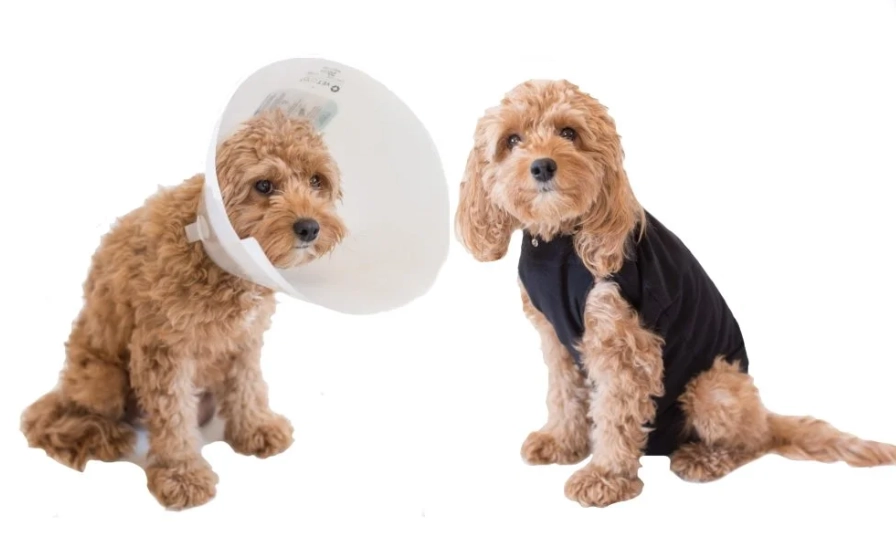
The shirt seems to make my dog hotter. Is that safe?
Overheating is a real concern, especially in warm climates or for thick-coated breeds. Choose the lightest, most breathable fabric possible. Ensure your home is cool. Monitor your dog for excessive panting. During hot days, you might need to use the shirt only when necessary (like during active licking periods) and allow breaks in a cool, supervised environment.
My vet gave me a cone. Is it rude or risky to switch to a shirt without asking?
It's not rude, but it can be risky. Always inform your vet of your plan. Say, "I'm considering using a snug recovery shirt for comfort under supervision. I'll monitor closely for moisture and licking. Do you see any issue with my dog's specific incision?" They might say it's fine, or they might warn you based on factors you can't see, like how close the sutures are to the skin surface or your dog's surgical report. This communication is part of responsible care.


Leave a comment