Quick Navigation
Let's be honest. The first time you see your dog after surgery, wearing one of those giant plastic lampshades, your heart sinks a little. They look miserable. They're bumping into every doorframe, struggling to eat, and giving you that look of utter betrayal. I've been there. My own Labrador, Barney, looked like a lost satellite dish when he came home after his knee surgery. I felt awful. But here's the thing I learned the hard way – that dog recovery collar, as annoying as it seems, is the single most important tool for ensuring your dog heals properly.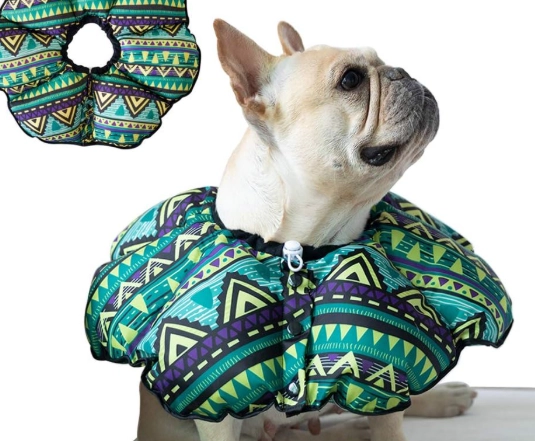
It's not just about stopping them from licking a stitch. It's about preventing infections, avoiding torn sutures that mean a frantic trip back to the vet, and ultimately, getting your furry friend back to their old selves faster. This guide isn't just a list of products. It's the collective wisdom from vets, groomers, and fellow dog owners (like me) who've navigated the cone-of-shame era. We'll talk about why you need one, how to pick the right one, and how to make the whole experience less stressful for everyone. Because let's face it, a stressed dog in a cone is a nightmare for the whole household.
Wait, Is the Plastic Cone My Only Option?
This is where most people's knowledge ends. The vet sends you home with the classic Elizabethan collar (that's the fancy name for the plastic cone), and you assume that's that. Not anymore. The pet care world has innovated, thankfully. While the traditional cone is still a highly effective and often the most affordable option, it's not the only player in the game anymore. Your choice depends entirely on your dog's personality, the location of their wound, and frankly, what you can tolerate in your living room.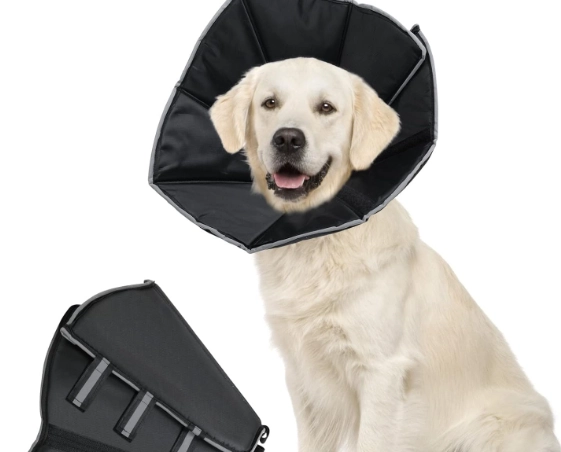
Some dogs are zen masters and don't mind the plastic. Others, like my neighbor's anxious terrier, become completely paralyzed by it. They just stand in the middle of the room and shake. For those dogs, an alternative dog recovery collar isn't a luxury; it's a necessity for their mental well-being during recovery.
The Main Contenders: A Side-by-Side Look
I made this table after spending way too much time researching and testing options when Barney was on the mend. It should give you a clear, at-a-glance comparison.
| Type of Dog Recovery Collar | Best For... | Potential Drawbacks | My Personal Take |
|---|---|---|---|
| The Classic Plastic Cone (E-Collar) | Dogs who are persistent lickers/biters, wounds on the body or limbs, budget-conscious owners. It's the gold standard for a reason. | Restricts peripheral vision, noisy, can be stressful, difficult for eating/drinking, dogs can sometimes still reach front paws. | It works. It's not pretty or fun, but it's highly reliable. The one from the vet is often flimsy though. I ended up buying a sturdier one online. |
| Inflatable/Donut Collar | Dogs with neck, chest, or leg wounds. Anxious dogs who hate the plastic cone. It acts more like a travel pillow. | May not prevent licking of hindquarters or back wounds. Determined chewers might puncture it. Can be too stiff for some dogs to rest comfortably. | Barney loved this one for sleeping. It was comfy. But he could still bend and reach a spot on his flank if he really tried, so we had to watch him closely. |
| Soft Fabric Cone | Dogs who are scared of the hard plastic. Generally more comfortable and quieter. Often comes in fun patterns. | Not suitable for powerful chewers—they can destroy it. Can get dirty/wet easily. May not be rigid enough to stop a determined licker. | A great "step-down" option once the initial healing is done. Or for mild skin issues. It's less intimidating, which is a huge plus for nervous pups. |
| Recovery Suits/Body Suits | Dogs with torso, abdominal, or back wounds. Dogs who absolutely cannot tolerate anything on their neck. Also great for post-spay surgery. | Need to be removed for bathroom breaks. Can be warm. Requires proper fit to be effective. Not for leg or paw wounds. | This was a game-changer for a friend's dog after her spay. The dog was calm and happy. Just remember to un-snap the back section for potty time! |
See? Choices. The "best" dog recovery collar is the one that works for your specific dog and situation. There's no universal winner.
How to Actually Choose the Right One (Beyond the Hype)
Okay, you've seen the types. Now, how do you decide? Walking into a pet store or scrolling online can be overwhelming. Let's break it down with some practical questions you should ask yourself.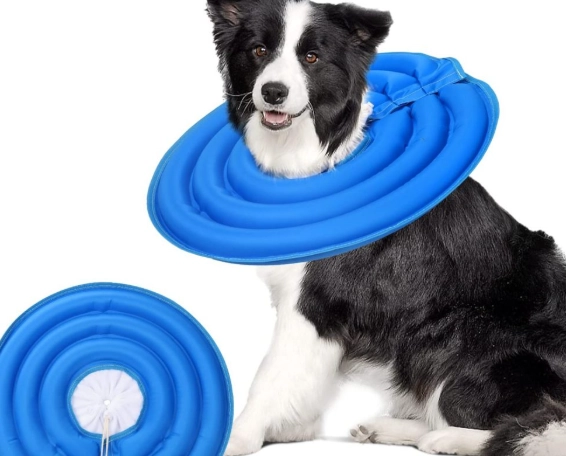
First, where is the wound? This is the most critical factor. A neck donut is useless for a tail wound. A body suit won't help a paw injury. Match the barrier to the geography of your dog's problem.
What is your dog's personality? Are they a laid-back lump or an anxious chewer? A gentle dog might do fine with a soft cone. A dog who destroys toys in minutes needs the industrial-strength plastic or a very tough fabric alternative.
How long do they need to wear it? For a short-term issue (a few days), you might tough it out with the vet's cone. For a long recovery (several weeks post-surgery), investing in a more comfortable alternative might save everyone's sanity.
Here's a quick mental checklist I used:
- Size & Fit: This seems obvious, but it's where most fail. Measure your dog's neck circumference. For cones, the cone should extend at least 1-2 inches past your dog's nose when fitted. Too short, and they can reach the wound. Too long, and they can't eat or drink.
- Material & Durability: Can it be cleaned? Is it waterproof? If it's fabric, is it a breathable material? A smelly, wet collar is a hygiene problem waiting to happen.
- Safety Features: Look for smooth edges, secure fastenings (Velcro should be strong), and breakaway features if that's a concern for your active dog. The American Veterinary Medical Association (AVMA) emphasizes the importance of safe, well-fitted medical devices for pets.
- Ease of Use: Can you put it on and take it off easily? You'll be doing this multiple times a day for bathroom breaks and meals.
The Fitting Guide: It Shouldn't Be a Wrestling Match
You've bought it. Now you have to put it on. This is the moment of truth. A poorly fitted dog recovery collar is worse than no collar at all—it's either ineffective or cruel.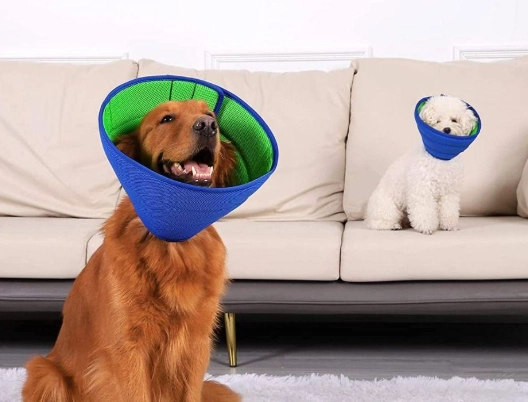
Let's start with the classic cone. The goal is snug but not tight. You should be able to fit two fingers comfortably between your dog's collar (or neck) and the cone's strap. The cone itself should sit high on the neck, right behind the ears. This prevents them from leveraging it forward. Watch them try to turn their head. If they can touch their nose to their shoulder or chest, it's probably too short.
For inflatable collars, inflation is key. It should be firm enough to create a barrier but soft enough that your dog can use it as a pillow. Over-inflating it makes it rigid and uncomfortable for lying down.
And please, never leave a recovery collar on 24/7 without checks. You need to take it off for supervised meals (unless your vet says otherwise) and give your dog breaks where you can closely monitor them. This also lets you check the skin under the collar for any chafing or irritation.
Common Problems (And How to Solve Them)
It's not always smooth sailing. Here are the hiccups I and other owners have faced:
The "I Can't Eat or Drink!" Drama: This is the biggest complaint. With a standard cone, you often need to raise the food and water bowls. Use a stand, or simply put the bowls on a small box or stack of books. For some collars, you can even temporarily remove the cone for meal times if you stand right there and watch them like a hawk.
The Constant Bumping and Clunking: Your dog will hit every wall, chair leg, and your shins. Clear a wider path for them. Consider padding sharp corners on furniture temporarily. They will learn spatial awareness surprisingly fast, but the first day is rough.
Whining and Depression: Some dogs just shut down. This is where extra love, treats, and mental stimulation (like puzzle feeders you can hold for them) are crucial. Reassure them, but don't reward the whining by taking the collar off unless it's scheduled break time.
Life Hacks for the Cone Zone
These are the little things nobody tells you that make a huge difference.
- Line the Edge: For plastic cones, use medical tape or a soft fabric sleeve (you can buy them) to cover the hard outer edge. It reduces the clanging noise and is gentler on your walls and your dog's neck.
- The Leash Trick: When going for a bathroom walk, attach the leash to your dog's regular flat collar, NOT the recovery collar. The recovery collar is a medical device, not a walking harness.
- Bedtime: Make their sleeping area extra cozy and clear of obstacles. An anxious dog in a cone at 3 AM crashing into things is no fun.
- Mental Stimulation: They can't run, but their brain still works. Snuffle mats, lick mats (peanut butter, anyone?), and gentle training sessions for treats can tire them out in a good way.
How long should they wear the dog cone after surgery? Your vet will give you a timeline, usually 10-14 days for routine surgeries, until sutures are removed or the wound is fully closed. Don't be tempted to take it off early just because it looks better. Licking can re-open a wound deep under the surface in seconds.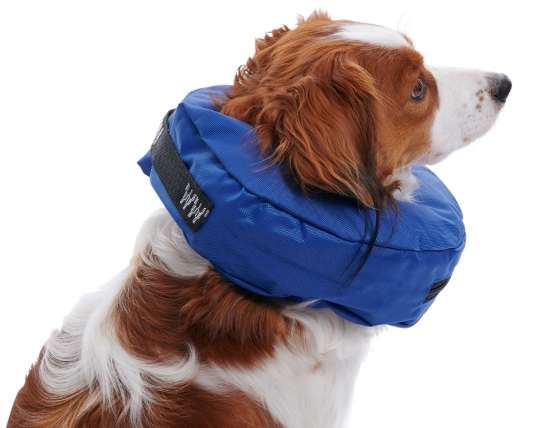
Answers to the Questions You're Probably Googling at 2 AM
Can my dog sleep with the recovery collar on?
Yes, and in most cases, they must. The night is when you're not watching, and it's prime time for them to lick and chew. Ensure their sleeping space is safe and the collar is properly fitted. An inflatable collar can actually be more comfortable for sleeping than a hard plastic one.
My dog hates it and seems depressed. What can I do?
This is so common. First, rule out pain or improper fit with your vet. If it's just anxiety, increase your positive interactions. Hand-feed meals, offer new chews (if allowed), give gentle massage around the collar edge. Sometimes, a different style of dog recovery collar (like switching from plastic to fabric) can cause a dramatic shift in mood.
Are there any risks to using these collars?
The main risks are from improper use: collar sores from a too-tight fit, stress-induced behavioral issues, or injury from getting caught on things. Always supervise your dog initially in their new collar. The ASPCA notes that preventing self-trauma is crucial for healing, but the method must be safe.
What's the best alternative to the plastic cone?
There is no single "best" alternative—it's dependent on your dog. For many, the inflatable donut is a great balance of comfort and effectiveness for body wounds. For others, a recovery suit is the only thing they'll tolerate. You might need to try one or two under a good return policy to find the right fit.
Wrapping It Up: The End Goal is a Healed Dog
Look, nobody enjoys the cone era. Not you, not your dog, not your furniture. But shifting your perspective helps. That dog recovery collar isn't a torture device; it's a temporary tool of love. It's you actively protecting your dog from their own instincts, which could lead to a much worse outcome—another surgery, a nasty infection, or prolonged pain.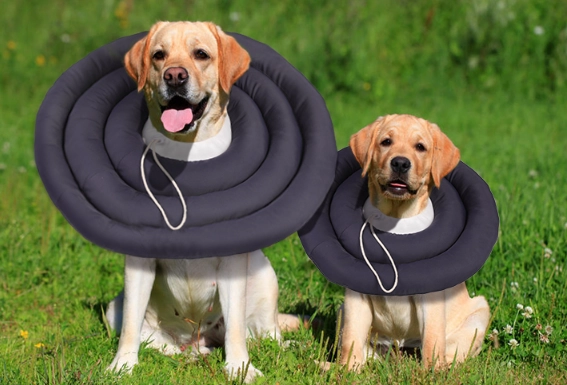
Do your research, choose wisely based on your dog's needs, fit it properly, and stock up on patience and treats. The day the vet says you can take it off for good is a glorious one. You'll both celebrate. And you'll have the peace of mind knowing you did everything right to get them through a tough time.
The key takeaway? Don't dread the cone. Master it. Your dog's smooth recovery depends on it.




Leave a comment