Let's cut straight to the point. Your puppy needs their first set of shots at 6 to 8 weeks of age. After that, they'll need follow-up boosters every 3 to 4 weeks until they are about 16 weeks old. That's the core schedule. But if you're staring at your wiggly new furball, you probably have a dozen more questions. Which vaccines are absolutely essential? What happens if you miss a date? How much will it cost, and how do you keep a puppy calm at the vet? I've been through this process more times than I can count, both as a long-time dog owner and from talking to countless vets. I'll walk you through the exact timeline, clear up the confusion around "core" versus "lifestyle" vaccines, and share some practical tips most first-time owners don't know.
Your Quick Navigation Guide
What Vaccines Do Puppies Need? (Core vs. Non-Core)
Not all puppy shots are created equal. The American Animal Hospital Association (AAHA) divides them into core and non-core (or lifestyle) vaccines. Core vaccines are considered essential for every single dog, regardless of where they live or their habits. Non-core vaccines are recommended based on your dog's specific risk factors—things like geography, whether they go to boarding kennels, or if you have a hiking companion.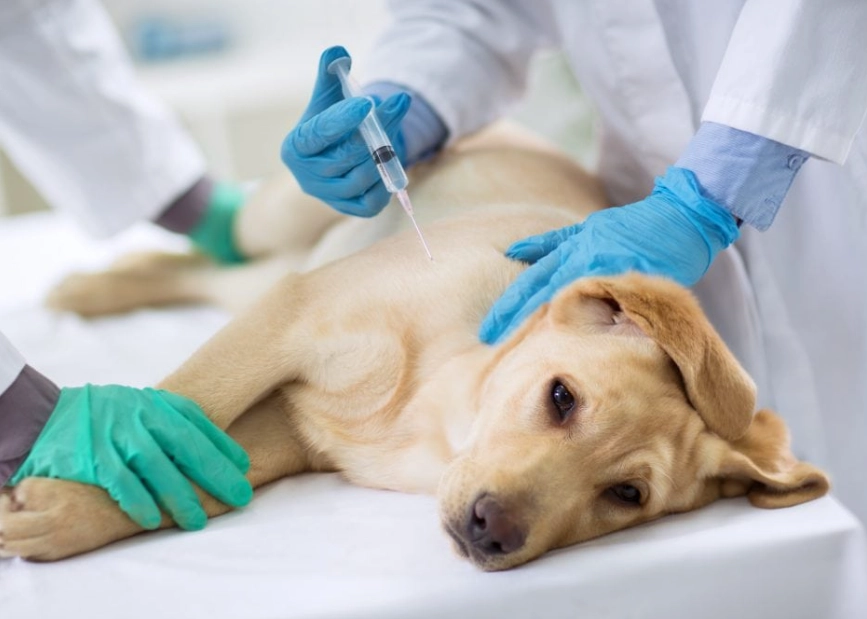
Core Vaccines (The Non-Negotiables): These protect against severe, widespread, or transmissible diseases. The core combo for puppies is often called the "DHPP" or "DA2PP" shot. It's a single injection that covers:
Distemper: A nasty, often fatal virus affecting multiple body systems. There's no cure.
Hepatitis (Adenovirus-2): Targets the liver, kidneys, and blood vessels.
Parvovirus ("Parvo"): This is the big one. A highly contagious, brutal intestinal virus that causes severe vomiting, diarrhea, and dehydration. It's a leading killer of puppies and is everywhere in the environment.
Parainfluenza: A contributor to kennel cough.
The other universal core vaccine is Rabies. This is usually given around 12-16 weeks of age and is required by law almost everywhere.
Non-Core Vaccines (The "Maybe" List): Your vet will discuss these based on a risk assessment.
Bordetella (Kennel Cough): Often required for daycare, boarding, or grooming. Can be given as early as 8 weeks.
Leptospirosis: A bacterial disease spread through water contaminated by wildlife urine. It's zoonotic, meaning it can spread to humans. If you have rodents, raccoons, or standing water near you, your vet will likely recommend it.
Lyme Disease: For dogs in tick-prone areas. I skipped this for my city-dwelling terrier but always gave it to my hiking buddy in New England.
Canine Influenza (Dog Flu): Recommended in areas with outbreaks or for social butterflies.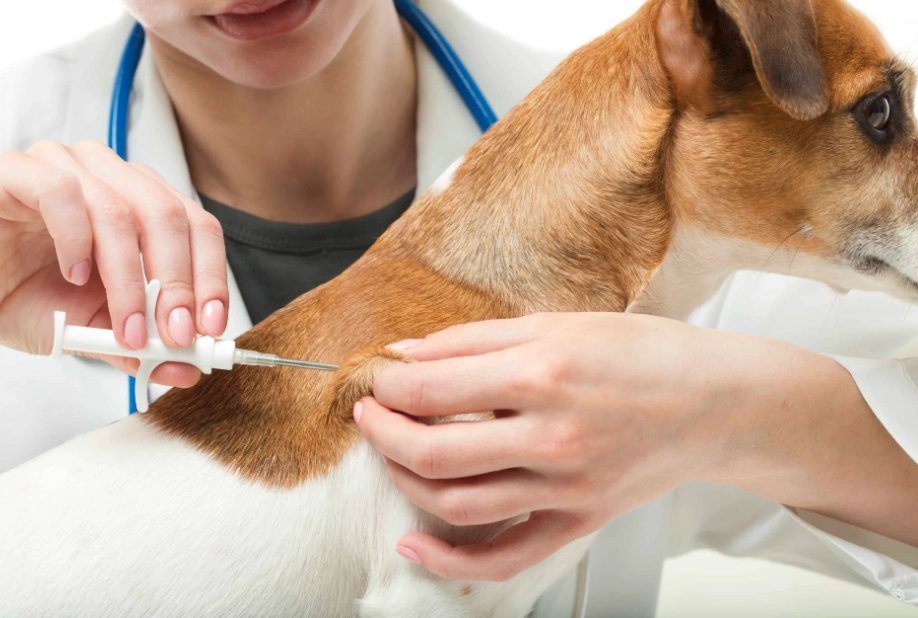
The Standard Puppy Vaccination Schedule: A Week-by-Week Breakdown
This table outlines the typical timeline. Your veterinarian's plan is the final authority. They may adjust based on your puppy's health, the local disease risk, and the brand of vaccine they use.
| Puppy's Age | Core Vaccines (DHPP/DA2PP) | Other Recommended Vaccines | Key Notes & Considerations |
|---|---|---|---|
| 6 - 8 Weeks | First DHPP shot | Bordetella (if needed early) | This is the absolute earliest. Puppies still have some maternal antibodies interfering. |
| 10 - 12 Weeks | Second DHPP shot | Leptospirosis (first dose), Lyme (first dose), Canine Influenza (first dose) based on risk. | A critical booster to strengthen the immune response. Start lifestyle vaccines if needed. |
| 14 - 16 Weeks | Third (and often final) DHPP shot | Leptospirosis/Lyme/Influenza second doses. Rabies vaccine (as per local law). | The most important visit. This final booster ensures full immunity as maternal antibodies wane. |
| 12 - 16 Months | DHPP Booster, Rabies Booster (1-year or 3-year) | Booster for any non-core vaccines given. | The "adult" booster. After this, core vaccines are typically given every 3 years. |
Here's a mistake I see constantly: owners think the 16-week shot is "extra." It's not. Maternal antibodies can linger and block vaccines. That final booster around 16 weeks is the safety net that truly locks in protection against parvo and distemper. Skipping it is playing Russian roulette.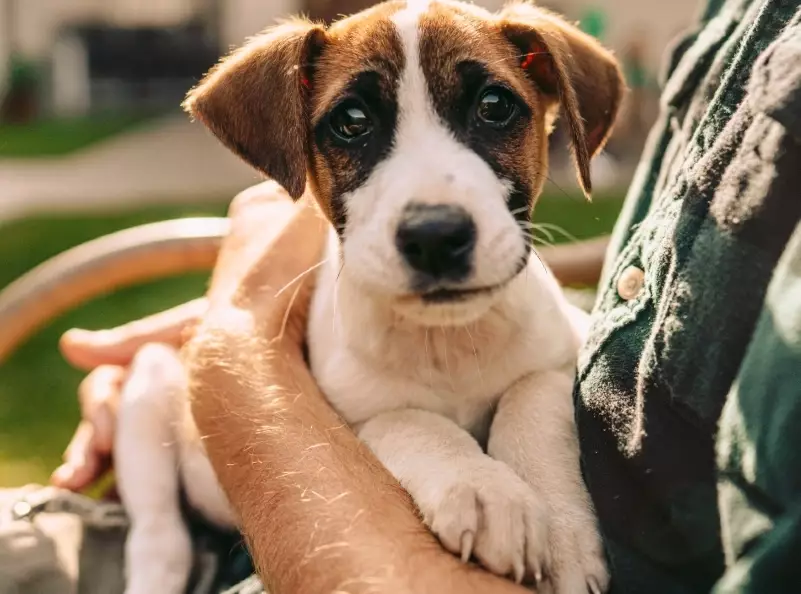
How to Prepare for Your Puppy's First Vet Visit
This isn't just about showing up. A little prep makes the experience smoother for you, your pup, and the vet team.
Before the Appointment:
**Book the first check-up within a few days of bringing your puppy home.** Even if they seem perfect. This establishes a baseline and catches any congenital issues.
**Bring a fresh stool sample.** Seriously. They'll need to check for intestinal parasites, which are super common in puppies. A ziplock bag works fine.
**Have your records ready.** If the breeder or shelter gave you any health papers or previous shot records, bring them. This prevents over-vaccination.
**Write down your questions.** You'll forget in the moment. Ask about local disease risks, flea/tick/heartworm prevention (which often starts at this visit), and diet.
Transportation & Comfort:
Use a secure carrier or a puppy seatbelt. Bring a small blanket or a shirt that smells like home. Pack some tiny, high-value treats (like boiled chicken bits) and a favorite toy. Don't feed a huge meal right before—a slightly hungry pup is more treat-motivated.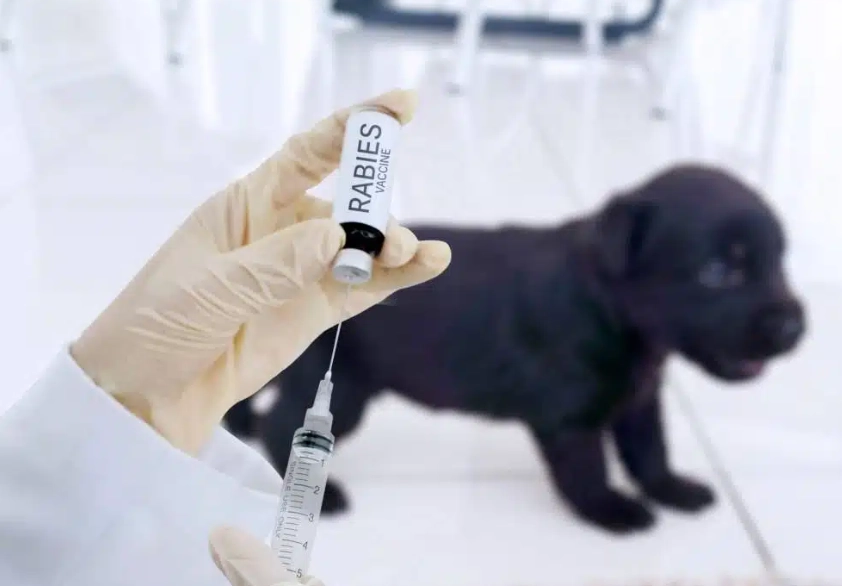
What to Expect During and After the Vaccination Appointment
Here's the play-by-play of a typical first visit.
The vet will start with a complete physical exam—listening to the heart and lungs, checking eyes and ears, feeling the abdomen, looking at the teeth and gums, and assessing overall body condition. This exam is sometimes more valuable than the shot itself.
Then comes the discussion about vaccines and parasite control. They'll recommend a schedule and explain which non-core vaccines make sense. You'll get a prescription for monthly preventatives.
The vaccination itself is quick. It's a small subcutaneous injection (under the skin), usually in the scruff of the neck or the flank. Most puppies barely flinch, especially if the vet is good and you're distracting with treats. The Bordetella vaccine can also be given as a squirt up the nose.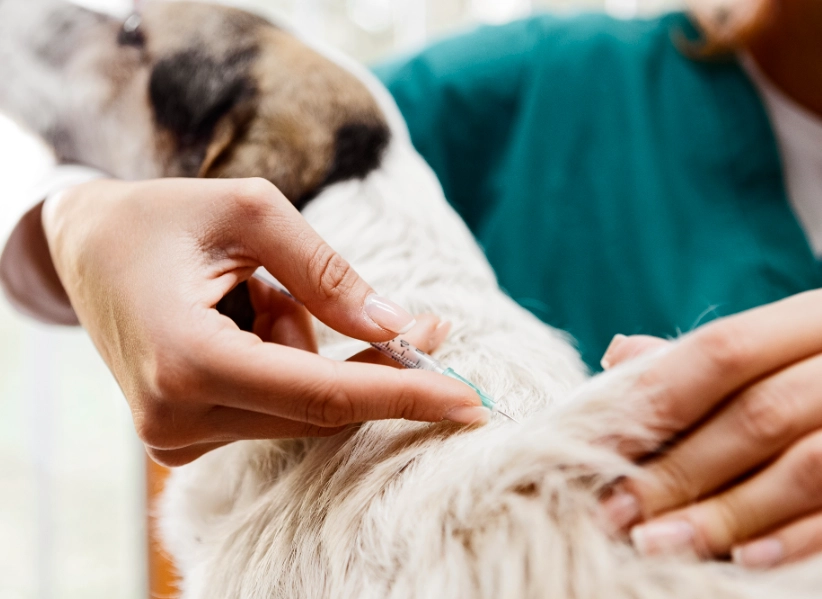
After the Shots: Normal vs. Concerning Reactions
Normal (24-48 hours): Mild sleepiness, a slight decrease in appetite, a bit of soreness at the injection site, or a low-grade fever. This is just the immune system doing its job. Encourage rest and offer bland food.
Call Your Vet Immediately If: You see facial swelling, hives, persistent vomiting or diarrhea, severe lethargy, difficulty breathing, or collapse. True allergic reactions are rare but serious. They usually happen within minutes to hours.
You'll get a vaccination record card or sticker. Guard this with your life. You'll need it for training classes, boarding, grooming, and future vet visits. Take a picture and save it to the cloud.
Common Puppy Vaccination Myths and Mistakes
Let's bust some myths I hear all the time.
Myth 1: "I can skip vaccines if my puppy never goes outside." Parvo and distemper viruses can be tracked in on your shoes or clothes. It happens.
Myth 2: "Vaccines cause autism in dogs." This is a human myth that has zero scientific basis in veterinary medicine. The risks of the diseases are astronomically higher than any proven risk from the vaccine.
Myth 3: "Natural immunity is better." For deadly diseases like parvo, "natural immunity" means your puppy has to survive the disease first. Many don't.
The Big Timing Mistake: Taking your puppy to high-risk public places (dog parks, pet stores, popular sidewalks) before they are fully vaccinated. Their immunity isn't complete until about a week after that final booster (around 17 weeks). You can and should socialize them before then—just do it safely. Carry them, have playdates with known, healthy vaccinated dogs in your own yard, or take them to friends' houses.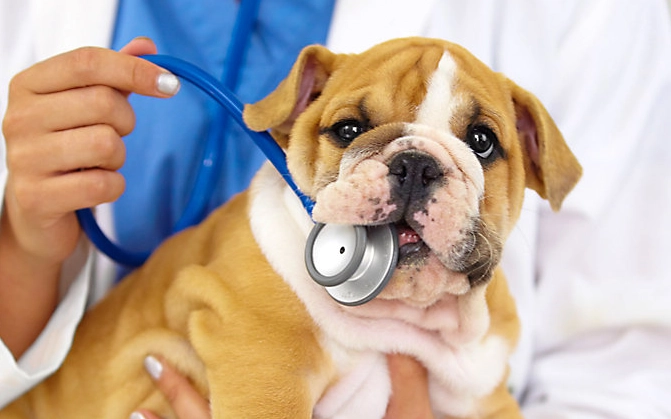
Frequently Asked Questions About Puppy Shots
The bottom line is simple. That first shot at 6-8 weeks kicks off the most critical health protocol in your puppy's life. Follow the schedule, partner with a vet you trust, and use common sense about exposure before immunity is complete. It's a few months of planning and trips to the clinic for a lifetime of protection. Watching your dog run healthy and happy through a park years later makes every single visit worth it.




Leave a comment