Your dog is scratching like crazy, or maybe they're restless before a thunderstorm. You've heard Benadryl might help. But the internet is full of conflicting advice, and the last thing you want is to harm your best friend.
Let's clear the air. Diphenhydramine, the active ingredient in Benadryl, can be safe for dogs when used correctly. But the "when" and "how" are everything. I've seen too many well-meaning owners make subtle mistakes—giving the wrong formulation, misjudging the dose for a small breed, or using it for a problem it can't fix.
This guide cuts through the noise. We'll go beyond the basic dosage chart and talk about the realities of using this common medication at home.
What You'll Find in This Guide
How to Calculate the Correct Benadryl Dose for Your Dog
The golden rule is 1 milligram of diphenhydramine per pound of your dog's body weight. This is the standard recommendation from sources like the Merck Veterinary Manual. But here's where people get tripped up.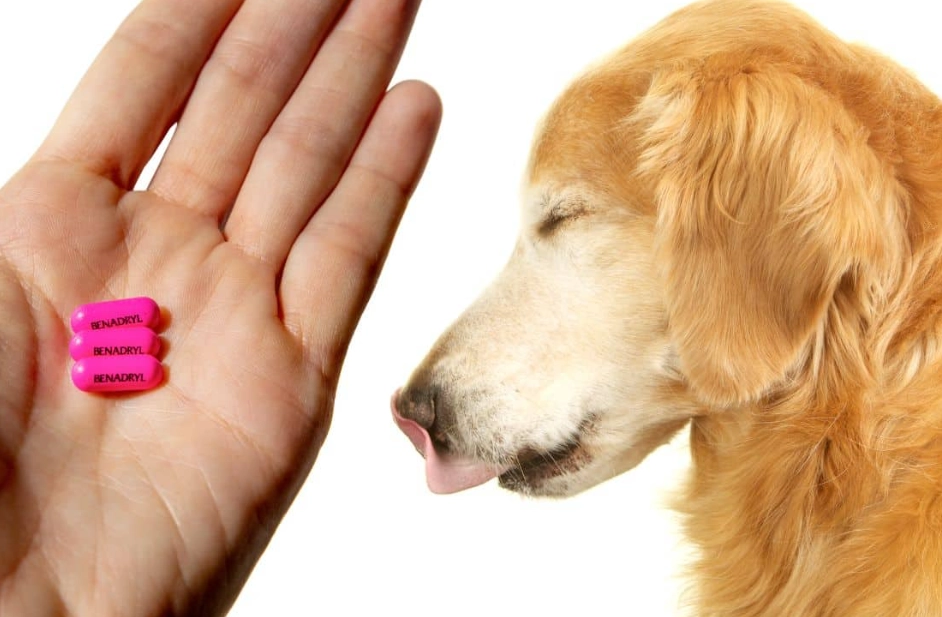
You must use plain Benadryl—diphenhydramine HCl as the only active ingredient. No combination products. No "Benadryl Allergy Plus Congestion" (that has phenylephrine, which is dangerous for dogs). No liquid formulas with alcohol or xylitol, an artificial sweetener that is highly toxic to dogs.
Most over-the-counter Benadryl tablets are 25 mg. So, the math looks like this:
| Dog Weight | Calculated Dose (1 mg/lb) | Practical Dose (25mg tablets) | Approximate Dosing Frequency |
|---|---|---|---|
| 10 lbs | 10 mg | ½ of a 25mg tablet | Every 8-12 hours |
| 25 lbs | 25 mg | 1 tablet | Every 8-12 hours |
| 50 lbs | 50 mg | 2 tablets | Every 8-12 hours |
| 75 lbs | 75 mg | 3 tablets | Every 8-12 hours |
See the problem for the 10lb dog? Cutting a tiny pill in half is messy and inaccurate. For small dogs, children's liquid Benadryl (alcohol-free, xylitol-free) is often easier. But you must check the concentration. If it's 12.5 mg per 5 mL teaspoon, then a 10lb dog needs about 4 mL. Use a syringe, not the cup.
Real-World Dosing: A Case Study
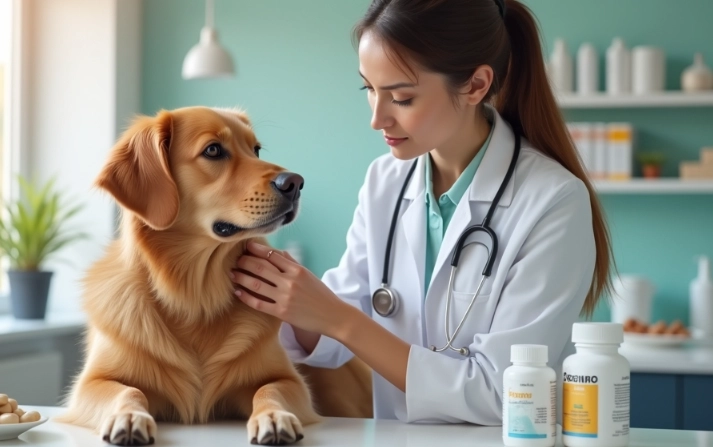
Meet Max, a 48-pound Golden Retriever. His owner notices he's getting red, itchy paws after walks in the park. She calls her vet, who agrees to try Benadryl.
Using the formula: 48 lbs x 1 mg = 48 mg. The closest practical dose using 25mg tablets is 50 mg (two tablets). The vet says this is fine, as the guideline has a small safe range. She instructs her to give it every 12 hours with food to minimize stomach upset and to monitor Max for drowsiness.
This is how it should work—a collaborative decision with a professional.
When Vets Actually Recommend Benadryl for Dogs
Benadryl is an antihistamine. It's best for conditions involving histamine release. Its sedative side effect is sometimes used for other purposes, but it's hit-or-miss.
Good uses (where it often helps):
- Mild allergic reactions: Hives, facial swelling (mild), seasonal allergy itch. It's a Band-Aid, not a cure, for environmental allergies.
- Vaccine reaction prevention: Some vets suggest a dose before vaccinations if a dog has had mild reactions like facial swelling in the past.
- Motion sickness: It can help with mild nausea associated with car rides, though medications like Cerenia are more effective.
Questionable uses (where it might not work):
- Anxiety: Thunderstorms, fireworks, separation anxiety. For some dogs, the sedation takes the edge off. For many others, the anxiety overwhelms the mild sedative effect. It's not a dedicated anxiolytic.
- Insect bites and stings: It can reduce swelling and itch from a single bee sting, for example.
- Sleep aid: Occasionally used for post-surgery rest, but only under direct veterinary instruction.
One nuance most blogs miss: Benadryl is terrible for hot spots (acute moist dermatitis). These are often caused by bacterial infections, not pure histamine release. Giving Benadryl might slightly reduce the initial itch, but it does nothing to treat the infection, allowing the hot spot to worsen. This delays proper treatment with antibiotics and anti-inflammatory meds.
The Hidden Dangers and Common Mistakes to Avoid
Benadryl isn't candy. It's a drug with side effects and contraindications.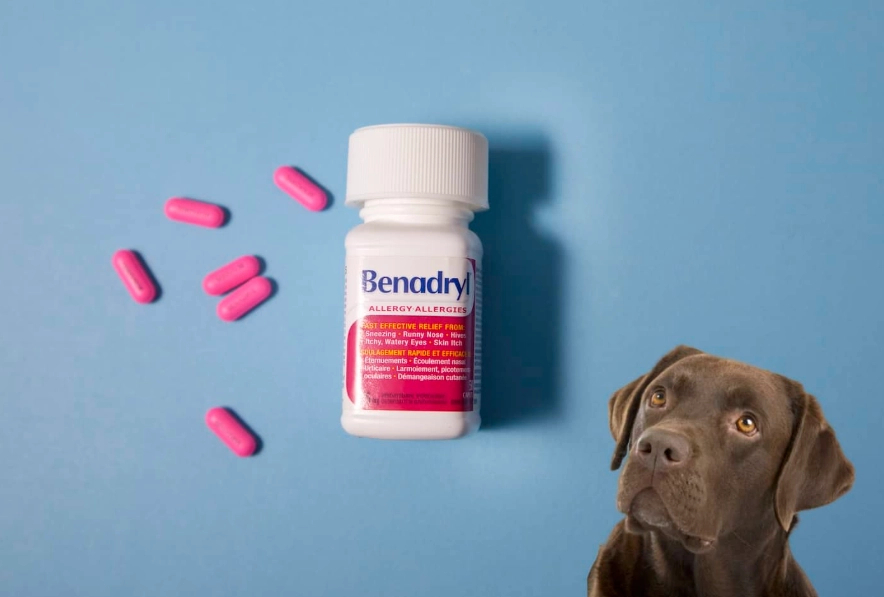
Common Side Effects: Drowsiness (the most common), dry mouth, urinary retention, or occasionally, paradoxical excitement (the dog gets hyper).
Who Should NOT Get Benadryl:
- Dogs with glaucoma, cardiovascular disease, hyperthyroidism, or high blood pressure.
- Dogs on certain other medications (like sedatives or monoamine oxidase inhibitors).
- Brachycephalic breeds (Bulldogs, Pugs, etc.): This is critical. Their compromised airways can be worsened by the thickening of respiratory secretions that diphenhydramine can cause.
- Pregnant or nursing dogs.
- Very young puppies.
The biggest mistake I see? Owners using the "little white pill" they have at home without verifying the active ingredients. That "generic allergy pill" could contain decongestants or pain relievers like acetaminophen, which are lethal to dogs. If the label has more than one active ingredient, put it away.
What to Try Before or Instead of Benadryl
If your dog's itch or anxiety is a chronic issue, Benadryl is a short-term fix. Long-term use isn't ideal. Here are other avenues.
For Allergies & Itching:
- Veterinary-prescribed meds: Apoquel and Cytopoint are modern, targeted treatments that are far more effective for controlling allergic itch with fewer side effects than chronic antihistamine use.
- Omega-3 supplements: High-quality fish oil can improve skin health and reduce inflammatory itch over time.
- Frequent bathing: With a gentle, hypoallergenic or medicated shampoo to wash allergens off the coat and skin.
For Anxiety:
- Behavioral training & desensitization: The most lasting solution. Work with a trainer on noise phobias or separation anxiety.
- Veterinary behaviorist-prescribed meds: Trazodone, gabapentin, or SSRIs like fluoxetine are designed for canine anxiety and are more reliable.
- Pressure wraps (Thundershirt): Provides comfort through gentle, constant pressure.
- Calming supplements: Those containing L-theanine, melatonin, or casein tryptic hydrolysate (like in Zylkene) can help some dogs.

Your Top Questions, Answered
The bottom line is this: Benadryl can be a useful tool in your dog-care kit for specific, minor issues. It is not a cure-all. The safest path always starts with a conversation with your veterinarian. They know your dog's full health picture and can help you decide if this medication is appropriate, and if so, nail down the exact, safe dose for your furry family member.


Leave a comment