In This Guide
- What Exactly Are Bromeliads, Anyway?
- Decoding "Non-Toxic": What Happens If Your Pet Takes a Bite?
- Bromeliad Varieties: A Safety Snapshot
- What To Do If Your Pet Eats a Bromeliad
- Living in Harmony: Strategies for a Pet-Safe Plant Home
- Beyond Bromeliads: Building Your Pet-Safe Plant Collection
- The Final Word: Can You Safely Have Bromeliads with Pets?
Let's cut to the chase, because I know that's why you're here. You just brought home a gorgeous bromeliad, or you're eyeing one at the nursery, and your furry supervisor is giving it the sniff test. The panic sets in. Are bromeliads toxic to cats and dogs? You're typing that exact phrase into Google, heart in your throat, hoping you haven't just invited a hazard into your living room.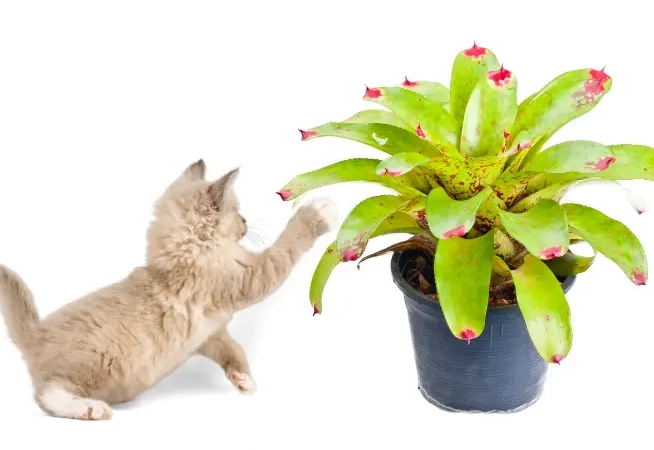
I've been there. My cat, Whiskers, has a PhD in botanical tasting. No leaf is safe. So when I fell in love with the vibrant, architectural beauty of bromeliads, my first stop wasn't the checkout line—it was my laptop, deep-diving into research to make sure my plant obsession wouldn't land us at the emergency vet.
Here's the good news that let me breathe a sigh of relief, and the nuanced details every responsible pet owner should know.
The Quick Verdict: According to the ASPCA (American Society for the Prevention of Cruelty to Animals) Animal Poison Control Center, bromeliads are generally classified as non-toxic to both cats and dogs. This is the gold standard for pet safety information, and it's a massive relief for plant-loving pet parents.
But—and this is a crucial but—"non-toxic" doesn't always mean "completely consequence-free." It's like saying peanuts are non-toxic to humans. For most, they're fine. For some, they cause a bad reaction. And if you eat a whole jar, you might feel pretty sick. We need to talk about what "non-toxic" really means in practical, messy, real-life-with-pets terms.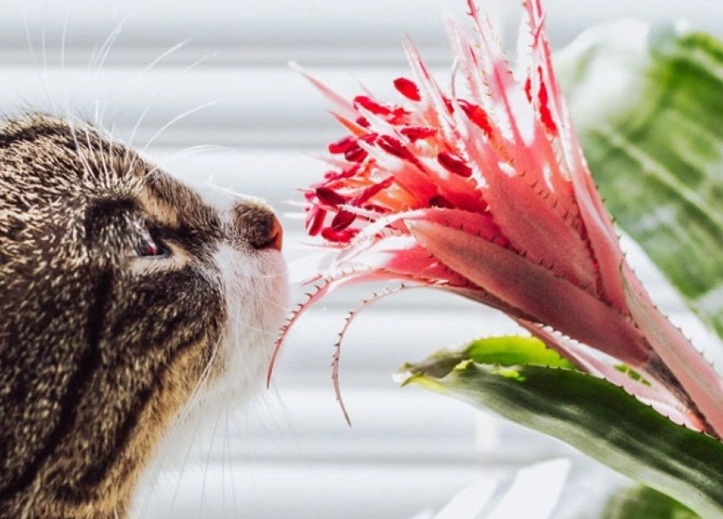
What Exactly Are Bromeliads, Anyway?
Before we get deeper into the safety stuff, let's be clear on what we're talking about. Bromeliads aren't just one plant. They're a huge, diverse family (Bromeliaceae) with over 3,000 species. You probably know more of them than you think.
The classic one is the Guzmania with its flaming red or orange flower spike (which is actually colorful leaves, or bracts). Then there's the Aechmea, often with silvery bands and a pink bloom. The Neoregelia forms a stunning, flat "vase" of leaves that can be striped, spotted, or brilliantly colored. And let's not forget the air plants (Tillandsia) that perch on driftwood without any soil. They're all bromeliads.
They're popular for a reason. They're epiphytes in the wild, meaning they grow on trees, not in soil. This gives them a unique, sculptural look. They're relatively low-maintenance, and that central "cup" or vase holds water, which is just cool. But that cup is also a point of concern, which we'll get to.
Decoding "Non-Toxic": What Happens If Your Pet Takes a Bite?
So, the ASPCA says they're safe. Great. But what does that look like in reality? When we ask are bromeliads toxic to cats and dogs, we're really asking: "Will my pet get sick?"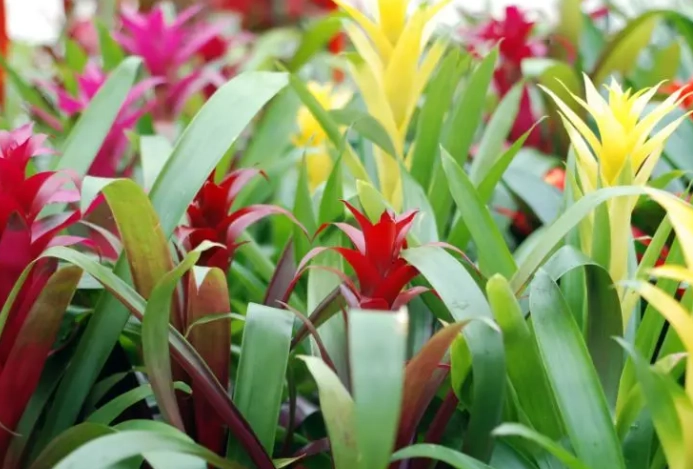
The primary concern with most houseplants is the presence of specific chemical compounds—insoluble calcium oxalates, saponins, alkaloids—that can cause anything from mouth irritation to kidney failure. Bromeliads, thankfully, don't contain these nasty chemicals in significant amounts that are dangerous to pets.
However, and this is my personal opinion after talking to vets and seeing online forums, labeling something "non-toxic" can make people a bit too complacent. Any plant material is not a normal part of a cat or dog's diet. Ingesting it can lead to two main issues:
1. Gastrointestinal Upset: The Most Likely Scenario
Your curious cat chews on a bromeliad leaf. Your puppy decides the textured plant is a fun toy. The most common result isn't poisoning, but a simple stomach ache.
The fibrous plant matter is hard to digest. It can irritate the sensitive lining of the stomach and intestines. Think of it like you eating a handful of raw kale stems—not poisonous, but your gut might protest.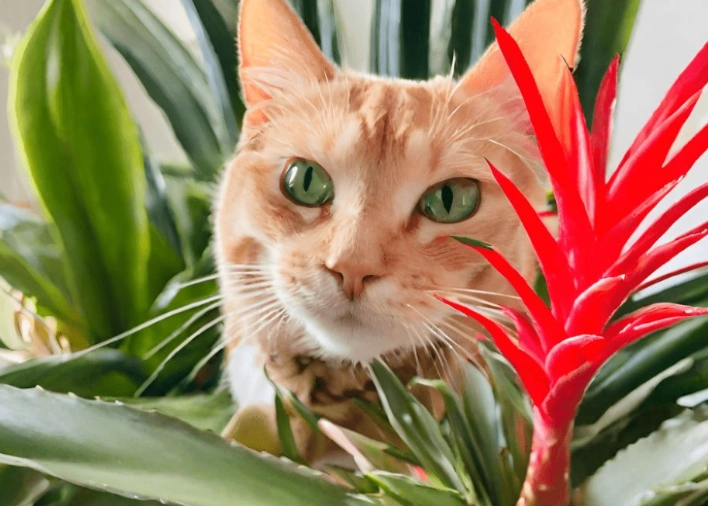
Symptoms to watch for:
- Mild vomiting (you might see bits of plant in it)
- Diarrhea or softer stools
- Decreased appetite or acting a bit lethargic
- Excessive drooling (sometimes from the texture, not toxicity)
These symptoms are usually self-limiting. They pass within a day as the plant matter moves through the system. But it's stressful to watch, and it's a mess to clean up. I've had to deal with the "leafy surprise" on the rug, and it's no fun.
A Special Note on the Water Cup: That central reservoir in many bromeliads is a potential hazard. Stagnant water can grow bacteria, algae, or even attract mosquitoes. If your pet drinks from it, they could ingest these microbes and get sick with bacterial-related vomiting or diarrhea. It's not the plant poisoning them; it's the dirty water. I make it a habit to flush my bromeliad's cup with fresh water weekly to prevent this.
2. Physical Irritation or Obstruction
This is less common but serious. Some bromeliads, like certain Aechmea, have leaves with tiny, sharp spines along the edges. These can cause minor scratches to a pet's mouth, nose, or paws.
More dangerously, if a large piece of tough leaf is swallowed, it could theoretically cause a physical blockage in the intestines, especially in smaller dogs or cats. This is a surgical emergency. While the risk is low with bromeliads compared to, say, a stringy vine plant, it's a reminder that no indigestible object is truly safe to eat.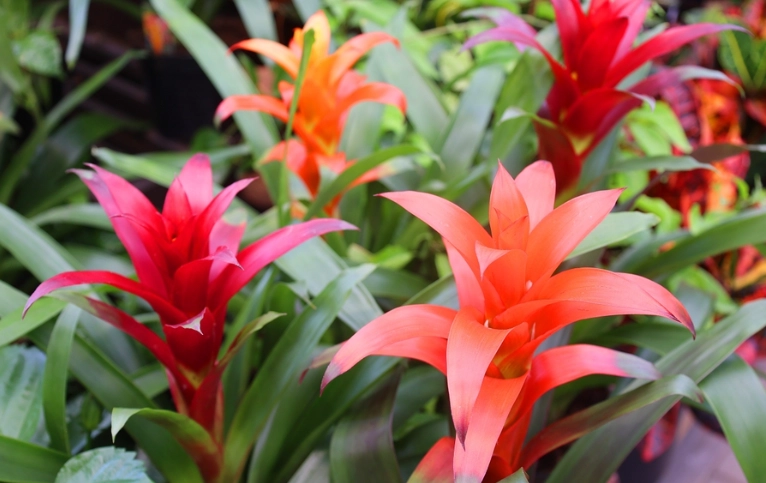
Bromeliad Varieties: A Safety Snapshot
Not all bromeliads are created equal in terms of texture and potential for irritation. Here's a quick breakdown of some popular types and their specific considerations.
| Common Bromeliad Type | Pet Safety Profile | Key Considerations for Pet Owners |
|---|---|---|
| Guzmania | Excellent. Soft, smooth leaves. | Very low risk of physical irritation. The main concern is GI upset if large amounts are eaten. |
| Aechmea | Good, but with caution. | Some species have serrated or spiny leaf edges. Opt for smoother varieties like Aechmea fasciata and keep out of paw's reach. |
| Neoregelia (Blushing Bromeliad) | Very Good. | Forms a tight vase. Watch for stagnant water in the center. Leaves are generally broad and smooth. |
| Tillandsia (Air Plants) | Excellent. | No soil, no water reservoir. The main risk is a pet knocking it down and playing with/choking on the wire or mount. |
| Vriesea (Flaming Sword) | Excellent. | Similar to Guzmania with soft foliage. The flower spike is attractive but not a major hazard. |
See? Most are on the safer end of the spectrum. The spiky ones are the ones I'm personally more cautious with. I just don't buy them anymore because Whiskers is too curious for his own good.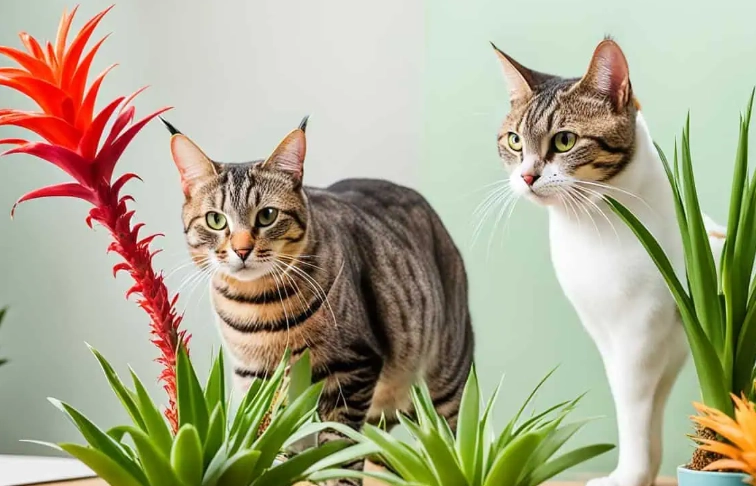
What To Do If Your Pet Eats a Bromeliad
Okay, it happened. You turned your back for a second, and now there's a chunk missing from your plant. Don't panic. Here's a step-by-step, level-headed approach.
- Identify the Plant: Make sure it actually is a bromeliad. Snap a picture with your phone if you're unsure. This is crucial.
- Remove Pet from the Area: Gently move your pet away from the plant to prevent further munching.
- Check for Immediate Distress: Is your pet pawing at its mouth, choking, or struggling to breathe? This is an emergency—go to the vet now.
- If No Immediate Distress: Observe closely. Look for the symptoms of GI upset mentioned earlier: vomiting, drooling, diarrhea, lethargy.
- Call for Expert Advice: Even though bromeliads are non-toxic, if you're worried or symptoms seem severe, call your veterinarian or a pet poison hotline. Have the plant name ready. The ASPCA Animal Poison Control Center (888-426-4435) is a fantastic resource, though they may charge a fee. It's worth it for peace of mind.
Most of the time, with a bromeliad, you'll just be on watch-and-wait duty. But I never regret making a quick call to my vet to describe what happened. They know my pet's history and can give the best "stay home" or "come in" advice.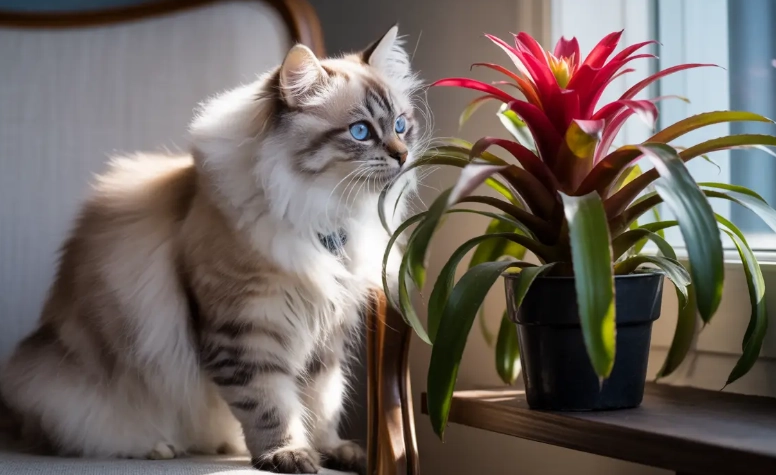
Living in Harmony: Strategies for a Pet-Safe Plant Home
You want the greenery. You love your pets. The goal is coexistence, not choosing one over the other. Here are the strategies I've used to make my home a (mostly) peaceful kingdom for both flora and fauna.
Physical Placement is Your Best Friend
Out of sight, out of mind. Often works.
- High Shelves & Hanging Planters: The classic solution. Cats can jump, but a well-placed hanging macramé holder or a high, narrow shelf can be a great deterrent. Just make sure it's stable! The last thing you need is a plant avalanche.
- Rooms with Doors: A sunroom, office, or bedroom that can be closed off when you're not there to supervise.
- Terrariums or Cloches: For smaller bromeliads or air plant displays, a glass cloche is beautiful and creates a perfect barrier.
Make Plants Less Appealing
If you can't move the plant, change your pet's perception of it.
- Pet-Safe Deterrent Sprays: Sprays with bitter apple or citrus scents can be applied to the pot or the lower leaves (test a small area first to ensure it doesn't damage the plant). Most pets hate the taste/smell.
- Provide Alternatives: This was a game-changer for me. Cats especially have a need to chew grass. Grow a pot of cat grass (wheatgrass or oat grass) specifically for them. It gives them a legal, healthy outlet for their grazing instinct. My cat now ignores my bromeliads in favor of his own personal salad bar.
Good General Houseplant Hygiene
This helps everyone.
- Keep the Water Cup Fresh: As mentioned, flush and refill the central vase regularly to prevent bacterial growth.
- Remove Dead Leaves: Trim off any brown or dying leaves. They're more likely to fall off and become a tempting, crinkly toy on the floor.
- Secure the Pot: Make sure the plant is in a heavy, stable pot that can't be easily knocked over by a swishing tail or an inquisitive nose.
Beyond Bromeliads: Building Your Pet-Safe Plant Collection
Once you get the confidence that are bromeliads toxic to cats and dogs isn't a deal-breaking question, you might want to expand your indoor jungle. Here are a few other rock-solid, non-toxic favorites that play well with my pets:
- Spider Plant (Chlorophytum comosum): Almost indestructible, and cats seem to love the long, grassy leaves. It's mildly hallucinogenic for cats (like catnip), but completely non-toxic. Just expect some chewed tips.
- Boston Fern (Nephrolepis exaltata): Lush and forgiving. Safe for pets, though it likes humidity.
- Parlor Palm (Chamaedorea elegans): A true, elegant palm that's perfectly safe.
- Pepperomia: Dozens of cute, compact varieties with waxy or textured leaves. All safe.
- Orchids (Phalaenopsis): The common moth orchid is non-toxic. The main risk is the potting media (bark/moss) if dug up and eaten.
For the most authoritative and comprehensive list, I always cross-reference with the ASPCA's full searchable database of toxic and non-toxic plants. It's my plant-shopping bible.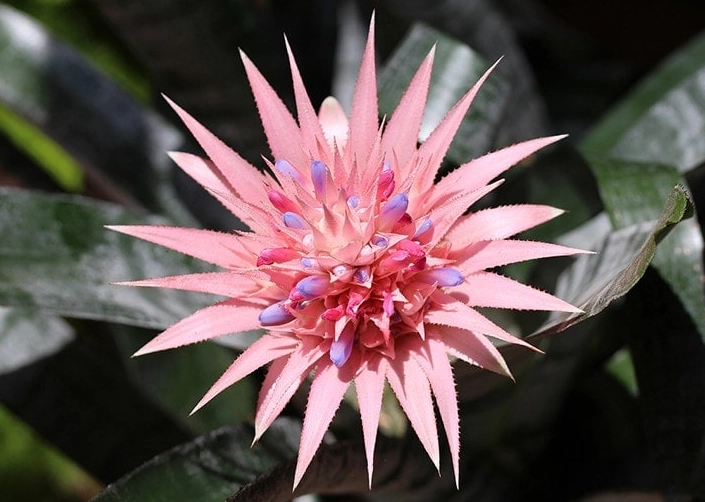
Your Bromeliad & Pet Questions, Answered
The Final Word: Can You Safely Have Bromeliads with Pets?
Absolutely, yes. The answer to are bromeliads toxic to cats and dogs is a reassuringly clear "no" from a toxicity standpoint. They are one of the safer, more pet-friendly choices for a vibrant houseplant.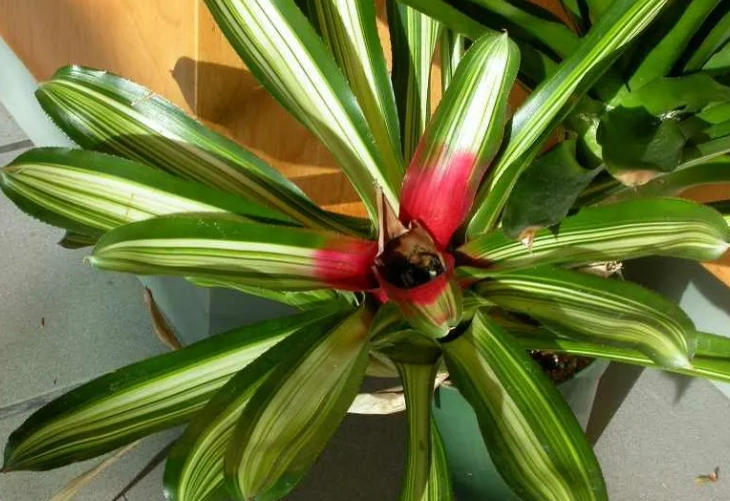
But "safe" requires a bit of common sense from us, the owners. It means understanding that non-toxic ≠ edible. It means managing the environment—keeping water fresh, choosing smooth-leaved varieties, and placing plants thoughtfully. It means having a plan for the occasional, inevitable nibble.
For me, the joy of having these stunning, otherworldly plants in my home far outweighs the minor management they require. They add a splash of the tropics to my space without adding anxiety for my pets' well-being. And that's a win-win in my book.
Just last week, I caught Whiskers giving my new pink Guzmania a thoughtful stare. He stretched, sniffed the pot, and then walked over to his own pot of cat grass and started chomping contentedly. Harmony achieved. For now, at least.




Leave a comment