Explore the Path
Let's be honest. The classic plastic cone, the Elizabethan collar, the "lampshade of shame"—whatever you call it, most dogs despise it. And when your dog has a neck injury, the last thing you want is a bulky, hard plastic cone banging against that sore spot, stressing them out, and making recovery a nightmare. It's a common scene: your dog is already uncomfortable, and then you put this thing on them, and they just... shut down. They bump into every doorframe, can't eat or drink properly, and the stress can sometimes slow healing.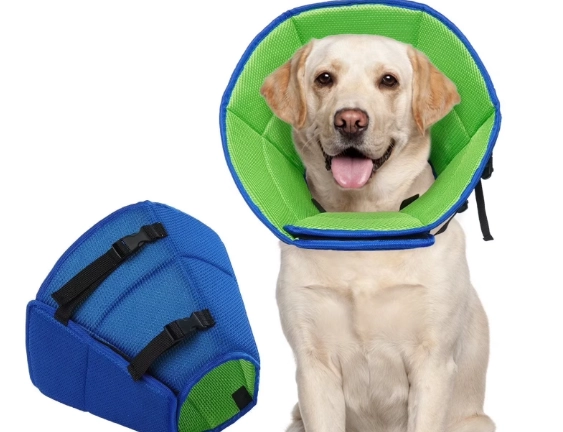
I've been there. My own dog, a rambunctious Labrador, once had a nasty hotspot on his neck. The vet sent us home with the standard cone. Within an hour, he'd managed to whack it against my coffee table so hard I thought he'd broken it (the table, and possibly his spirit). He just stood in the middle of the room, looking utterly defeated. That's when I knew there had to be a better way. What is the alternative to a cone for a dog's neck injury? Turns out, there are several, and choosing the right one depends entirely on what's wrong with your dog's neck and their personality.
Why a Standard Cone Can Be a Bad Fit for Neck Problems
It's not that cones are evil. For body or leg injuries, they're often the most secure option. But the neck? That's a different ball game. The physics are all wrong. Think about it. The injury is at the base of the cone. The cone itself becomes the primary source of contact and irritation. It can prevent proper air circulation around a healing wound, trap moisture, and the constant pressure can be miserable. Before we jump into alternatives, it's crucial to understand the type of neck injury you're dealing with. This is the single most important step your vet will take (and you should too).
- Surgical Incisions or Wounds: These need absolute protection from licking, scratching, and biting. The barrier must be impenetrable.
- Hot Spots or Dermatitis: The goal is to break the "lick-cycle." The area needs to stay dry and untouched, but some airflow can be beneficial.
- Muscle Strains or Arthritis: Here, the priority is comfort and minimizing pressure. The dog doesn't necessarily need a barrier from themselves, but you might need to prevent them from turning their head too sharply.
- Post-Collar Wounds: Sometimes, an ill-fitting collar can cause a sore. Putting another hard device right on top of it is, frankly, a terrible idea.
So, if the classic cone is out, what's in? Let's break down the real contenders you can find online or at your pet store.
The Top Contenders: A Real-World Look at Cone Alternatives
I've tried a few of these over the years, and I've talked to vets and other dog owners. Not every option is perfect for every dog or every injury. Some are brilliant; others have frustrating flaws. Here’s the honest rundown.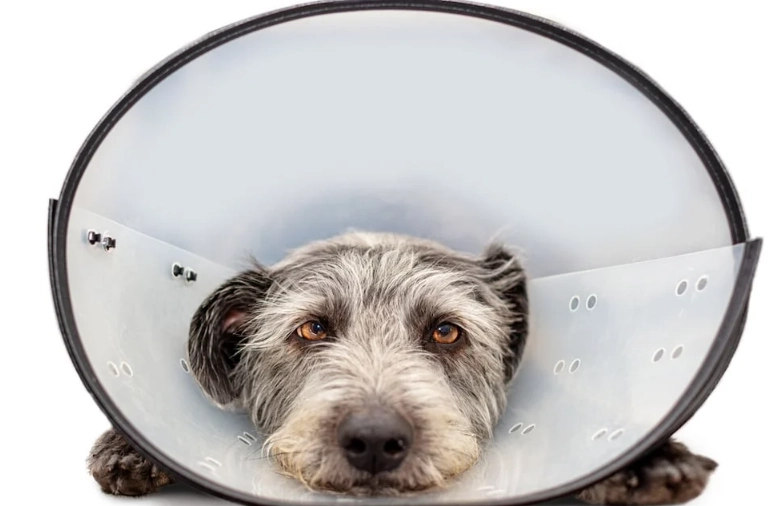
The Soft Fabric Cone (The Comfy Doughnut)
This is probably the first alternative most people find. It looks like a travel neck pillow, and in many ways, it acts like one. Made of soft, padded fabric, it wraps around the neck without extending far past the head.
The Good: It's immensely more comfortable. No loud banging. Dogs can usually eat, drink, and sleep normally. It provides a physical block that prevents the head from turning enough to reach the neck. For mild irritations or as a deterrent for gentle lickers, it can be fantastic. My Lab tolerated this much, much better.
The Not-So-Good: Let's not sugarcoat it. A determined dog can often defeat it. If the injury is right where the edge of the doughnut sits, they might still be able to lick it. It also doesn't protect the neck from a hind paw scratch over the top. For a serious post-surgery wound on the neck, I wouldn't trust it as the sole protection unless my dog was a total saint (which he is not).
The Inflatable Recovery Collar
Similar in concept to the soft cone but air-filled. It's like a mini pool ring for your dog's neck. It's lightweight and allows for great peripheral vision.
The Good: Super light, less stressful for the dog. It effectively limits neck mobility, preventing the head from turning to reach the injury site. Because it's inflatable, you can sometimes adjust the firmness.
The Bad: The same issue as the soft cone—a clever or flexible dog might still find a way. Also, I've heard stories of them popping (though quality ones are pretty tough). The biggest practical downside I found was that it can make it hard for the dog to lie down comfortably on the floor, as it lifts their head up.
The Recovery Suit or Surgical Onesie
This is a game-changer for certain types of injuries. It's a full-body suit, usually made of stretchy fabric, that covers the torso and sometimes the legs.
The Good: For injuries on the back or sides of the neck, this can be perfect. It creates a smooth, protective layer over the area, preventing direct licking or scratching. It leaves the head completely free, so there's zero neck pressure or interference with eating. Dogs generally accept it very well because it doesn't feel like a foreign object on their head.
The Bad: It's not magic. A dog can still lick through the fabric if it's thin, or the wound drainage can soak through. You have to take the whole thing off for bathroom breaks, which can be a hassle multiple times a day. And for male dogs, you need to make sure the suit has a proper opening. Also, if the injury is high up on the neck near the jawline, the suit's collar might rub against it.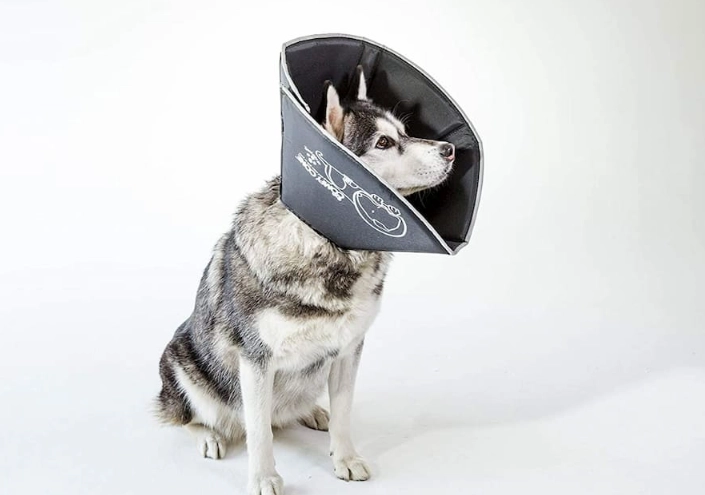
The Neck Brace or Splint
This is a more medical-grade option and should absolutely be vet-recommended and fitted. It's not just an alternative to a cone; it's often used for specific orthopedic issues like cervical (neck) disc problems.
The Good: For true neck injuries (muscle, spine, etc.), this provides stabilization and limits movement to promote healing. It serves the dual purpose of immobilization and preventing the dog from reaching the area if there's also a wound.
The Bad: It's restrictive by design. It's not a casual purchase; it requires professional guidance. It can be expensive and may need to be worn almost constantly, which can be difficult for the dog to adjust to.
| Alternative | Best For... | Not Ideal For... | Key Consideration |
|---|---|---|---|
| Soft Fabric Cone | Mild hotspots, deterrent for gentle lickers, post-stitch comfort where risk is low. | Determined chewers/lickers, serious surgical wounds on the neck. | Measure neck and snout length carefully for proper fit. |
| Inflatable Collar | Limiting head turn, lightweight comfort, dogs who panic with cones. | Very flexible dogs, injuries low on the neck they can tuck to reach. | Ensure it's firm enough to block movement but not so firm it's a pillow. |
| Recovery Suit | Injuries on the back/side of neck, dogs who hate things on their head. | High neck/jawline wounds, male dogs without proper suit design, hot climates. | Get the right size and practice bathroom breaks before you need it. |
| Neck Brace | Actual orthopedic neck injuries (strains, IVDD), as directed by a vet. | Simple skin wounds without mobility issues. | Veterinary prescription and fitting is mandatory. |
How to Actually Make the Decision: A Practical Checklist
Okay, you've seen the options. Now, how do you pick? Don't just buy the cutest one. Walk through this list.
- Consult Your Vet. Always. I can't stress this enough. Your vet has seen the injury. They know its location, severity, and your dog's temperament. Tell them, "We're struggling with the plastic cone for this neck injury. What is the alternative to a cone you'd recommend for this specific case?" They might even have samples or be able to fit a brace. The American Veterinary Medical Association (AVMA) emphasizes the importance of following your veterinarian's advice for post-surgical care, which includes protective devices. You can read more about responsible pet care on their official pet care resources page.
- Map the Injury. Literally. With your finger. Can your dog bend their neck to reach it? Can a back paw scratch it? If the answer is yes, a soft collar might fail. If the injury is on the side, a recovery suit might win.
- Be Brutally Honest About Your Dog's Personality. Is your dog a laid-back couch potato who just absentmindedly licks? Or are they a Houdini who will spend eight hours straight figuring out an escape? The latter needs a more secure solution, which might even be... a better-designed hard cone that sits differently.
- Consider the Recovery Environment. Is your house cramped with furniture? A wide cone alternative might be frustrating. Is it summer and hot? A full-body suit might be uncomfortable. Is your dog crated when unsupervised? A less secure option might be fine in the crate where movement is limited.
Sometimes, the best answer to "what is the alternative to a cone for a dog's neck injury" is a combination. A recovery suit for general protection, with a soft cone on during highly supervised times when the suit is off for airing out.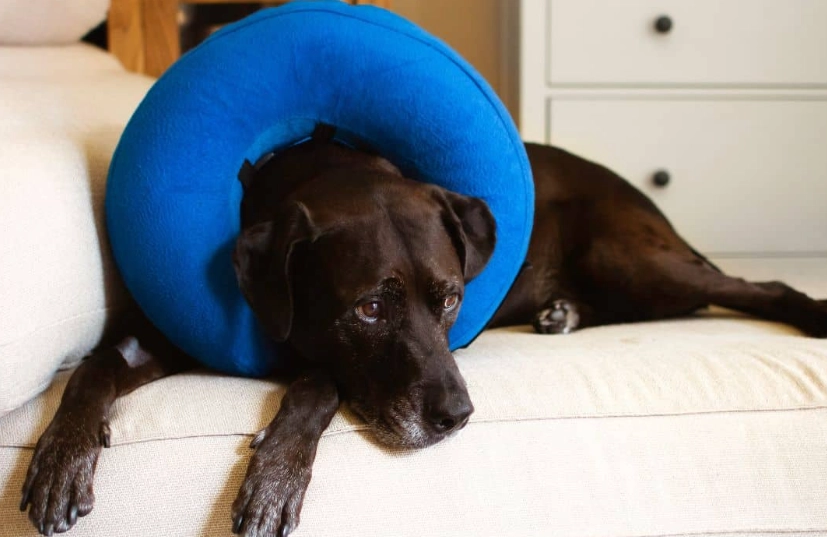
Common Questions Dog Owners Really Ask (And Straight Answers)
Let's tackle some of the specific worries that pop up when you're searching for this information.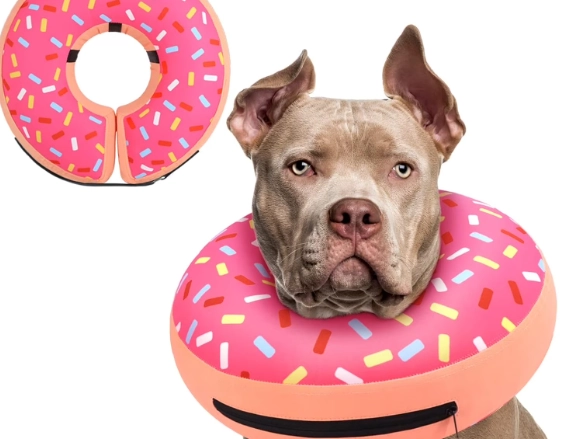
Can I just use a bandage or sock on my dog's neck?
Almost always a bad idea. Bandages can slip, become too tight, trap moisture, and cause more damage. A dog will almost certainly chew through a sock in minutes. It also doesn't prevent licking pressure on the wound. Stick to purpose-made devices.
My dog can still reach the spot with the soft cone. What now?
This is the most common issue. First, check the fit. Is it tight enough? Can you adjust it? If it's fitted properly and they can still reach, it's not the right tool for that injury. You may need to size up to a larger doughnut, switch to a full-body suit, or, reluctantly, go back to a traditional cone that's longer. Resources like the Cornell University College of Veterinary Medicine's animal health resources often discuss the need for effective barrier methods during healing, underscoring that the device must be fit for purpose. You can explore their public guidance on general pet health here.
Are there any hard cones that are better for neck injuries?
Yes, actually. Some newer cone designs are made of softer, flexible plastic that is less jarring. Others are more "flower-shaped" or have a contoured edge that sits further from the neck. Look for terms like "comfort cone" or "recovery cone." They're still cones, but the user experience is better.
How do I get my dog comfortable with any of these?
Go slow. Let them sniff it. Feed treats near it and on it. Put it on loosely for just a minute with lots of praise and treats, then take it off. Gradually increase the time. The goal is to avoid creating a panic response. For a suit, let them wear it around the house for short periods before they need it medically.
Finding the right alternative to a cone for a dog's neck injury can feel like a puzzle. It requires matching the tool to the specific problem—the exact location and nature of the injury—and the unique dog in front of you. There's no one-size-fits-all answer. The plastic cone is a blunt instrument, and for a sensitive area like the neck, we often need a more precise tool.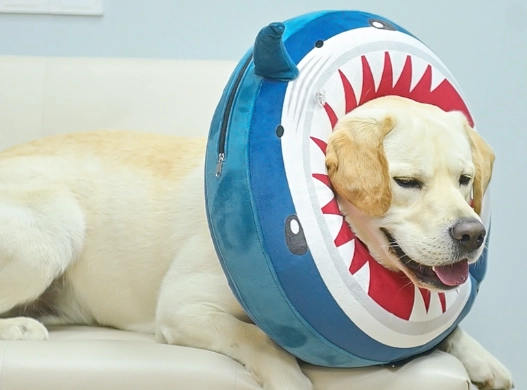
The journey to find that perfect alternative to a cone for your dog's neck injury is worth it. Seeing your dog rest comfortably, eat normally, and heal without the added stress of a banging, cumbersome cone makes a world of difference in their recovery—and your peace of mind. Start with your vet's advice, be prepared to test one or two options (many online stores have good return policies for unused items), and always prioritize safety over pure comfort. Your dog will thank you for taking the extra time to find a solution that lets them heal with a little more dignity and a lot less frustration.
Leave a comment