Let's cut right to the chase. Yes, many common herbs are toxic to dogs. This isn't just about plants in your garden; it's about the garlic powder in your spaghetti sauce, the chives on your baked potato, and the essential oil diffuser in your living room. As a vet tech for over a decade, I've seen the panic in owners' eyes when their dog snags something they shouldn't. The confusion is real because we often think of herbs as "natural" and therefore safe. That's a dangerous assumption.
The problem is the information online is a mess. One site says a tiny bit of garlic is fine for flea control (it's not), another gives a vague list without explaining why these plants are dangerous. I want to give you something better: a clear, actionable guide based on veterinary science and real-world cases. We'll cover exactly which herbs are poisonous, what to do if your dog eats one, and how to create a safe environment without constant worry.
What You Need to Know Now
Common Toxic Herbs in Your Home
This is the part most people search for. They want a list. But a list alone isn't enough. You need to know the level of danger and where these herbs hide. I've organized the worst offenders below, focusing on the ones you're most likely to actually have around.
| Herb | Toxic Part | Primary Danger | Common Hiding Places |
|---|---|---|---|
| Garlic, Onions, Chives, Leeks (Allium family) | All parts (raw, cooked, powdered) | Destroys red blood cells, causing hemolytic anemia. This is cumulative damage. | Pantry (spices, soup mixes), kitchen scraps, garden, pizza, Chinese food. |
| Marijuana (Cannabis) | All parts, especially edibles | Severe neurological depression: wobbliness, incontinence, coma. Edibles often contain xylitol (fatally toxic). | Carelessly stored products, discarded butts, "CBD" treats with THC. |
| Pennyroyal (a mint) | Leaves and oil | Severe liver failure. Often marketed as a "natural" flea repellent—avoid completely. | Herbal flea collars, garden plants, some natural pet products. |
| Comfrey | Leaves and roots | Liver damage from pyrrolizidine alkaloids. It's in some herbal salves humans use. | Herb garden, homemade remedies. |
| Foxglove (Digitalis) | All parts | Extremely potent heart arrhythmias and cardiac failure. A few leaves can be fatal. | Ornamental garden flower. Looks pretty, is deadly. |
| Mugwort, Wormwood | All parts | Neurological toxicity: seizures, muscle breakdown. The essential oil is highly concentrated. | Gardens, some bittering agents, absinthe. |
Here's the expert nuance most lists miss: the form matters. A dried, powdered herb is often more concentrated than a fresh leaf. That tablespoon of onion powder in your meatloaf is far more dangerous than a similar volume of raw onion. And "organic" or "homegrown" doesn't make it safer—the toxic compounds are still there.
I recall a case with a Labrador who got into a bag of onion bagels. The owner thought because it was "just bread" and cooked, it was less of a worry. We had to hospitalize him for two days on IV fluids and oxygen support. It's the dose that makes the poison, but with some of these herbs, especially the Allium family, the toxic dose is smaller than people think, and damage builds up over time.
A Note on Essential Oils
This deserves its own warning. Essential oils are concentrated plant essences, and many are toxic to dogs when inhaled, applied to skin, or ingested. Tea tree (melaleuca), pennyroyal, wintergreen, and citrus oils are common culprits. Diffusing oils in a small room your dog shares can cause respiratory irritation and neurological symptoms. Never apply undiluted oils to your dog's skin for any reason unless specifically directed by a holistic vet.
Symptoms of Herb Poisoning in Dogs
Knowing what to look for is half the battle. Symptoms can appear within minutes or be delayed for a few days, as with onion toxicity. Don't wait for all the signs. If you know ingestion happened and you see even one of these, it's time to act.
For garlic and onions, watch for weakness and lethargy a day or two later. The dog may seem "off," tire easily on walks, and have dark orange or red-tinged urine from the broken-down red blood cells.
Emergency Steps if Your Dog Eats a Toxic Herb
Stay calm. Panic helps no one. Follow these steps in order.
1. Remove your dog from the source. Get any remaining plant material out of their mouth if you can do so safely.
2. Identify the herb. Take a picture of the plant or package. This is crucial. If it's a cooked dish, try to list the ingredients.
3. Do not induce vomiting unless instructed by a professional. This is a classic mistake. If the dog is already seizing, unconscious, or ingested a corrosive substance, vomiting can cause aspiration pneumonia or more damage. You need professional guidance.
4. Call for help immediately. Have these numbers saved in your phone:
- Your primary veterinarian.
- A local 24-hour emergency animal hospital.
- The ASPCA Animal Poison Control Center (888-426-4435) or the Pet Poison Helpline (855-764-7661). These are staffed by veterinary toxicologists 24/7. There is a consultation fee (around $85), but it's worth it. They will give you a specific case number and instructions to give your vet, which can save critical time.
5. Follow instructions and go to the vet. Bring the plant sample/photos and any packaging with you.
A List of Dog-Safe Herbs
It's not all bad news! Many herbs are perfectly safe and can even be beneficial in small, culinary amounts. Think of these as garnish-level treats, not meal replacements.
- Basil: Fine. A leaf or two is harmless.
- Oregano & Thyme: Safe in tiny amounts used in cooking. Large amounts might cause mild stomach upset.
- Parsley: The curly variety is safe. Avoid large quantities of spring parsley or Italian flat-leaf, which contain higher levels of furanocoumarins.
- Cilantro/Coriander: Safe.
- Dill: Safe.
- Mint (Spearmint, Peppermint): Fresh leaves in small amounts are okay. Can soothe an upset stomach for some dogs.
- Rosemary: Generally safe in food amounts. Some holistic vets caution against large doses or the essential oil for dogs with seizure disorders.
- Sage: Common garden sage is safe in small culinary doses.
My rule of thumb: If you're using the fresh herb as a light seasoning in your dog's homemade food (and you've cleared the recipe with a vet nutritionist), it's likely fine. If you're thinking of giving them a whole sprig or making "herbal tea" for them, you need to do specific research or ask your vet first.
How to Prevent Accidental Herb Poisoning
Prevention is boring but 100% effective. A few simple habits eliminate most risks.
Audit your garden. Know every plant you grow. If you have foxglove, lilies, sago palms, or other toxic ornamentals, consider fencing them off or removing them if your dog is a chewer.
Secure your kitchen. Keep countertops clear. Store garlic, onions, and spice blends in closed cabinets. Get a secure compost bin (dogs love to raid these). Never leave plates with food scraps unattended.
Be mindful of gifts. Bouquets can contain toxic fillers like baby's breath. Potted herb gardens are popular gifts—check them before letting your dog investigate.
Read pet product labels. Just because it's sold for pets doesn't mean it's safe. Look for the National Animal Supplement Council (NASC) seal for some quality assurance. Avoid products with pennyroyal, comfrey, or unidentified "herbal blends."
Educate everyone in the house. Make sure family and frequent visitors know the rules. No sharing human food seasoned with garlic or onions, ever.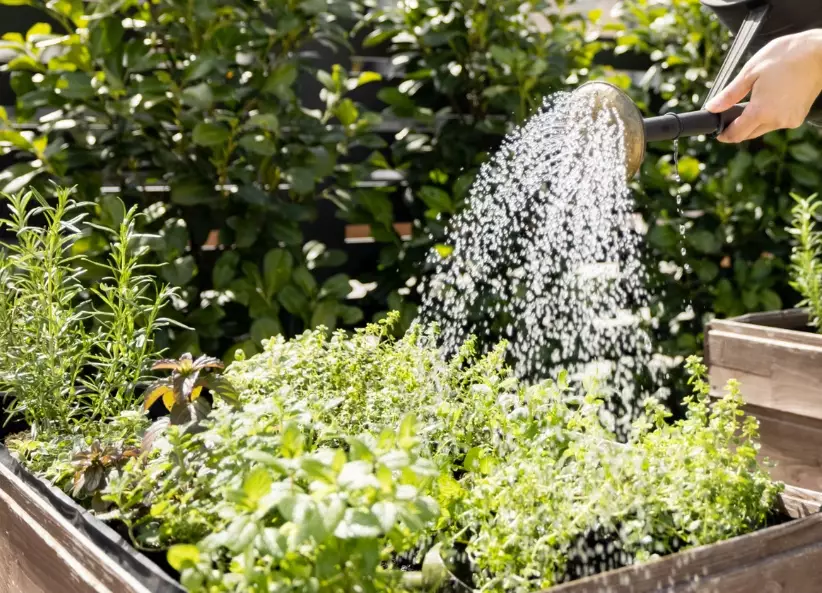




Leave a comment