If you've ever seen one of your dogs freeze, growl, or snap when another dog comes near their food bowl, favorite toy, or even a particular spot on the couch, you've witnessed resource guarding. It's a common, often misunderstood, and frankly stressful behavior. Your home feels tense. Walks become a negotiation. You worry about a real fight breaking out. Let's cut through the noise: resource guarding is a natural canine behavior, but it's also one you can manage and modify with the right approach. Punishing the growl is the fastest way to make things worse—I've seen it backfire countless times. The real solution lies in changing how your dogs feel about sharing.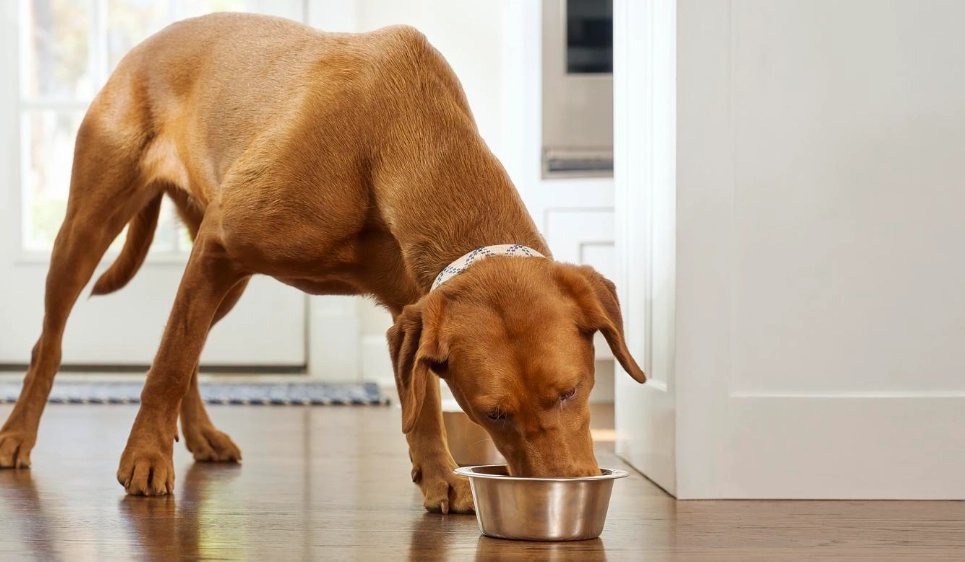
In This Article
- What is Resource Guarding, Really?
- Why Do Dogs Guard Resources From Each Other?
- How Bad Is It? Assessing Your Dogs' Guarding
- How to Stop Resource Guarding: A Step-by-Step Training Plan
- Special Considerations for Multi-Dog Homes
- Preventing Resource Guarding Before It Starts
- When to Call a Professional Behaviorist
- Your Resource Guarding Questions, Answered
What is Resource Guarding, Really?
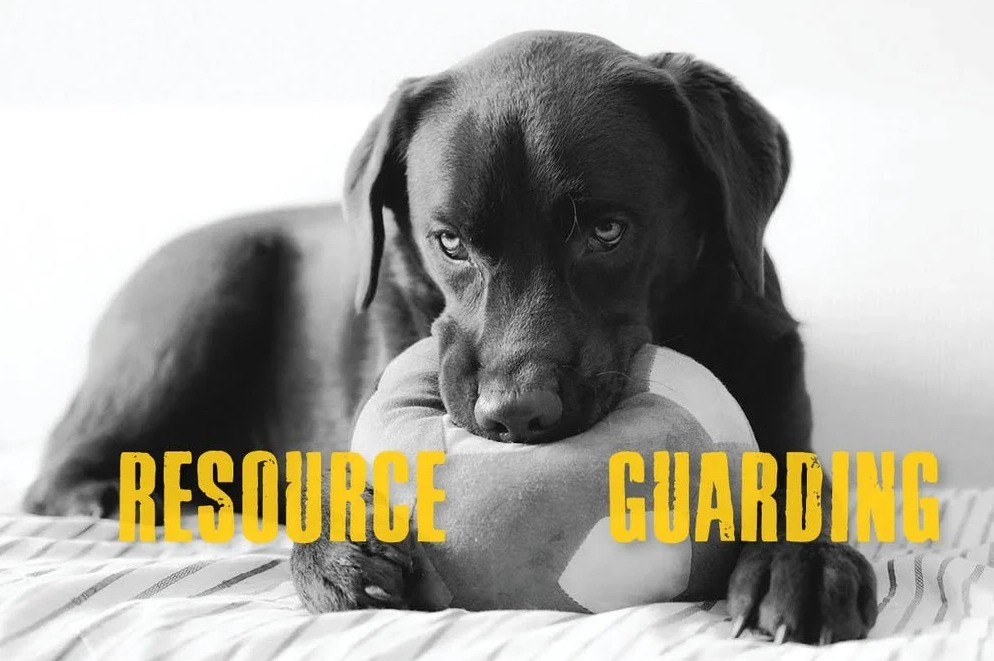
At its core, resource guarding is a dog using behavior—from a subtle stiffening to an outright bite—to keep others away from something they value. It's not "dominance" or "being mean." It's a survival strategy. In a dog's mind, that chew bone might as well be the last meal on earth. The target isn't always you; inter-dog guarding is incredibly common. The guarded item can be anything:
- Food: Bowls, dropped scraps, high-value chews like bully sticks.
- Toys: Balls, squeaky toys, tug ropes.
- Spaces: Beds, crates, a favorite corner of the sofa, your lap.
- People: Yes, a dog can guard you from another dog.
The early signs are easy to miss. It's not just growling. Watch for a dog that eats faster when another is near, turns their body to block access, or gives a hard "whale eye" (showing the whites of their eyes). Missing these cues is how situations escalate.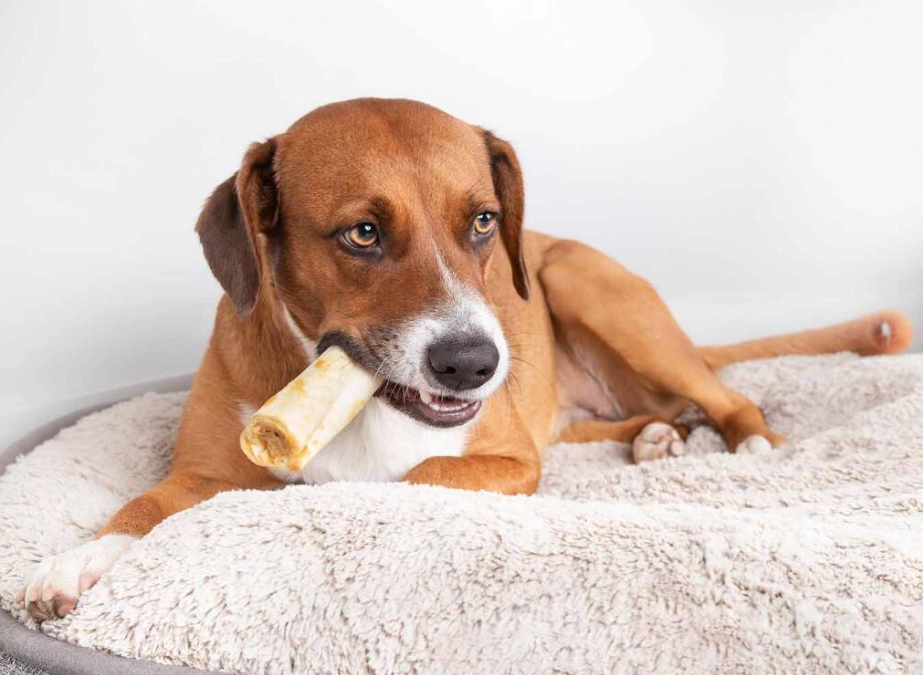
Why Do Dogs Guard Resources From Each Other?
It's rarely one thing. It's a cocktail of instinct, experience, and environment.
Instinct & History: According to the American Veterinary Medical Association (AVMA), behavior is influenced by genetics and early experience. A dog from a resource-scarce background (like a stray or from a crowded shelter) may have a stronger drive to guard. Some breeds, like terriers or herding dogs, were selected for tenacity, which can translate to holding onto things.
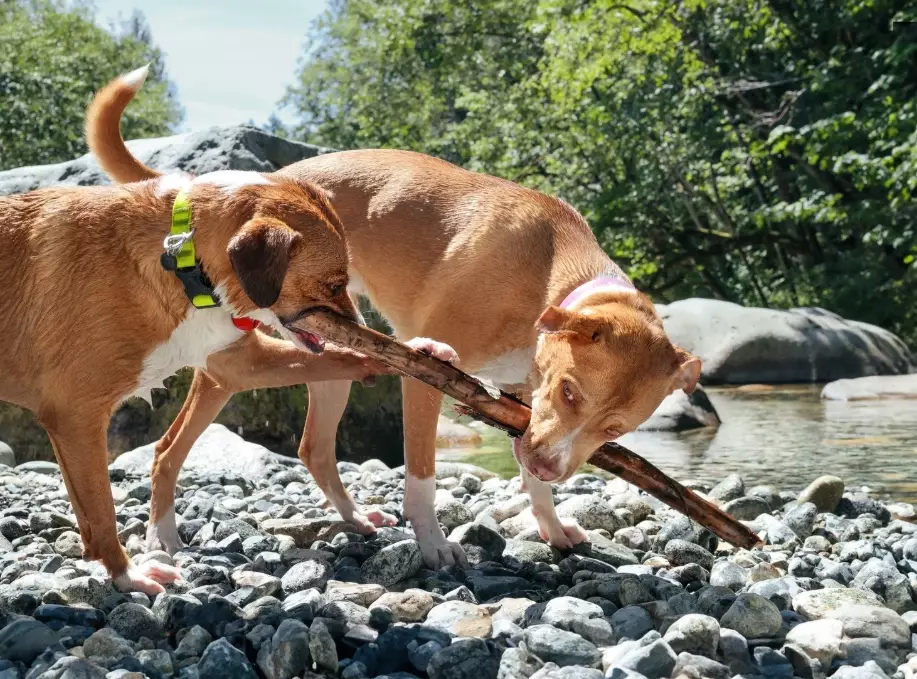
Learned Behavior: This is huge. If Dog A growls and Dog B consistently backs off, the growling works. It gets reinforced. Conversely, if every time a high-value chew appears, a scuffle happens, dogs learn to be preemptively defensive.
Household Dynamics: Uncertainty breeds insecurity. Inconsistent rules, competition for attention, or a lack of clear structure can make dogs feel they need to fend for themselves. A new dog, a new baby, or even a change in your work schedule can trigger guarding.
A Common Mistake: The worst thing you can do is forcibly take the item away as a punishment. You've just proven the dog's fear correct—"See, someone is trying to steal my stuff!" This increases anxiety and makes future guarding more severe and secretive (they'll skip the warning growl and go straight to a bite).
How Bad Is It? Assessing Your Dogs' Guarding
Not all guarding is an emergency. You need to know what you're dealing with to choose the right strategy. Think of it on a spectrum.
| Level | Typical Behaviors | Risk & Action |
|---|---|---|
| Mild (Level 1) | Stiffening, staring, eating faster, hovering over the item. May stop when the other dog leaves. | Low risk. Perfect for proactive training at home. Management and positive reinforcement will likely solve it. |
| Moderate (Level 2) | Clear warning signals: low growls, curled lips, air snaps, lunges (no contact). The other dog is clearly intimidated. | Moderate risk. Requires a structured training plan. Management is crucial to prevent rehearsal of the behavior. Consider consulting a trainer. |
| Severe (Level 3-4) | Bites that make contact, causing bruises, punctures, or worse. Fights that are difficult to break up. Guarding of multiple, low-value items. | High risk. Stop DIY methods. Immediate professional help from a certified veterinary behaviorist or advanced behavior consultant is essential for safety. Management (like separate feeding zones) is non-negotiable. |
If you're at Level 3 or 4, skip ahead to the "When to Get Help" section. For Levels 1 and 2, the following plan is your roadmap.
How to Stop Resource Guarding: A Step-by-Step Training Plan
This isn't about "showing them who's boss." It's about changing their emotional response. We want the other dog's approach to predict good things, not conflict. The core principle, supported by organizations like the International Association of Animal Behavior Consultants (IAABC), is counter-conditioning and desensitization.
The "Trade-Up" Game: Your Foundation
This game teaches your dog that giving up an item leads to something better. Practice this with each dog individually first, away from the other dog.
- Start Low-Value: Give your dog a boring toy or chew (something they like but won't guard).
- Make the Offer: Show them a much higher-value treat (like a piece of chicken). Say "Trade!" in a happy voice.
- Reward the Release: The moment they drop the low-value item to get the treat, praise and give them the high-value treat. Then, immediately give the original item back.
Giving the item back is critical. It shows you're not a thief. Repeat this until your dog drops items eagerly when they hear "Trade!"
Case Study: Bella and Max
Bella, a 4-year-old Lab, would guard her food bowl from Max, a younger Shepherd mix. Mealtimes were tense. We started by feeding them in completely separate rooms (management). Then, we began counter-conditioning. While Bella ate in her safe room, I had an assistant slowly walk Max past the far side of the open doorway. Each time Max appeared, I'd toss a piece of steak into Bella's bowl. Bella learned: "Max walking by = surprise steak!" Over weeks, we decreased the distance. We never let Max enter her space while she ate. The goal wasn't to have them eat side-by-side, but for Bella to feel neutral, not threatened, by Max's presence in the same general area. It worked. The growling stopped.
For Inter-Dog Guarding: Once the "Trade" cue is solid, you can carefully introduce the other dog at a distance. Have Dog A with a low-value item. Have Dog B appear briefly at the far end of the room, then immediately disappear. The instant Dog B appears, toss a high-value treat to Dog A. Dog A's brain starts wiring: "Other dog appears = I get chicken!" Keep sessions short, positive, and end before any tension appears. This process is slow. Rushing it is the main reason people fail.
Special Considerations for Multi-Dog Homes
Managing multiple dogs adds layers. Fair isn't always equal.
- Feed Separately: This is non-negotiable during training. Different rooms, crates, or tethered spots. No exceptions.
- Pick Up Toys: Have designated playtimes with specific toys, then put them all away. A toy-free floor removes opportunities for conflict.
- Supervise High-Value Items: Rawhides, pig ears, stuffed Kongs? These are "special event" items. Give them only when dogs are separated by barriers or in their crates.
- Attention is a Resource: Be mindful of petting one dog while the other watches intently. Train a solid "place" command so each dog has their own settled spot to enjoy your attention.
Preventing Resource Guarding Before It Starts
If you're bringing a new puppy or dog home, start here.
- Hand-feed meals occasionally, especially to puppies, while gently touching their bowl and body.
- Practice the "Trade-Up" game from day one with all dogs.
- Respect their space. Don't bother a dog who is eating, chewing, or resting in their bed.
- Provide an abundance of resources. More than one water bowl, multiple beds, duplicate toys.
When to Call a Professional Behaviorist
Don't be a hero. Seek help if:
- There has been a bite with puncture wounds.
- You feel scared or anxious managing your own dogs.
- The guarding is getting worse despite your efforts.
- The dogs are guarding low-value items (like a piece of fuzz or an empty bowl).
Look for credentials like CAAB (Certified Applied Animal Behaviorist) or IAABC-certified professionals. Your vet can often provide a referral.
Your Resource Guarding Questions, Answered
 We've tried the "trade" game, but my guarding dog just swallows the treat and immediately goes back to growling. What now?

Leave a comment