Your dog stares down the mail carrier. He plants himself between you and a friendly stranger on a walk. He lets out a low growl when your partner tries to hug you. Is this the ultimate sign of loyalty, or is it a problem waiting to happen? As a trainer who's worked with hundreds of dogs labeled "overprotective," I can tell you it's rarely about simple loyalty. What we're usually seeing is a specific form of resource guarding—where you are the resource. It's complex, emotionally charged, and if mishandled, can escalate into real danger. Let's cut through the myths and talk about what's really going on in your dog's head, and more importantly, what you can safely do about it.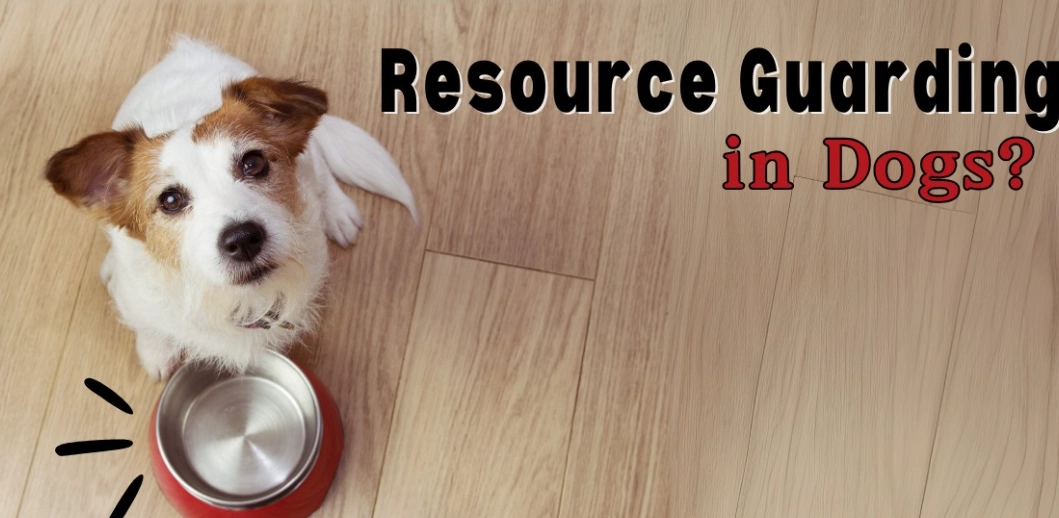
What's Inside This Guide
- What Is Dog Resource Guarding (And How Does It Apply to People)?
- Why Do Dogs Guard Their Owners? It's Not Just Love
- Spotting the Signs: From Subtle to Severe
- The 3 Biggest Mistakes Owners Make (And Make It Worse)
- How to Manage and Modify Protective Behavior: A Step-by-Step Plan
- When It's Time to Call a Professional
- Your Questions Answered
What Is Dog Resource Guarding (And How Does It Apply to People)?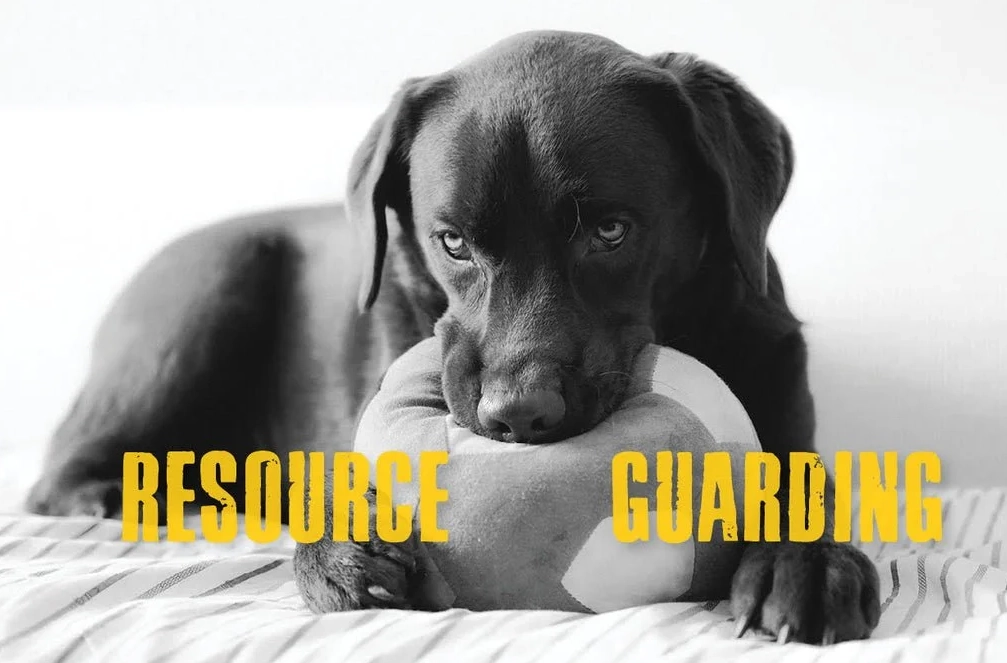
Most people know about dogs guarding food, toys, or beds. The dog stiffens, might growl, or even snap if you come near their prized possession. Guarding a person operates on the same neurological pathway. From the dog's perspective, you—your attention, your affection, your physical presence—are a high-value resource. They perceive a potential "threat" (another person, another dog, even a family member) who might take that resource away. Their job, in their mind, is to prevent the loss.
The key misunderstanding here is thinking the dog is "protecting you from harm." While that can be a component, it's often more self-serving. The dog is securing their access to you. This distinction is crucial because it changes how we approach the problem. We're not dealing with a noble bodyguard; we're dealing with an anxious individual worried about losing something important.
Think of it this way: A dog who guards a chew toy isn't protecting the toy for the toy's sake. He's guarding it for himself. Similarly, a dog who guards you is often acting to maintain his own status, comfort, and access to good things (you), not heroically defending your life.
Why Do Dogs Guard Their Owners? It's Not Just Love
Attributing it all to love lets us off the hook too easily. The roots are usually more tangled.
Anxiety and Insecurity is the big one. A dog who isn't confident in his world, or in his bond with you, is more likely to cling and guard. He might have a history of abandonment, inconsistent rules, or lack of clear leadership. You are his anchor, and the thought of that anchor moving is terrifying.
Reinforced Behavior happens all the time without us realizing it. Dog growls at a visitor, and the visitor backs away. Success! The threat is gone. Dog nudges between you and your spouse, and you stop hugging to pet him. Success! He got your full attention. The behavior works, so it gets stronger.
Breed Tendencies & Lack of Socialization play a role. Herding breeds, for instance, are hardwired to control movement. Having a stranger "invade" their personal/herding space can trigger a guarding response. Dogs who weren't properly socialized to a wide variety of people and situations often see the unfamiliar as a threat by default.
I once worked with a lovely German Shepherd who would block the husband from approaching the wife on the couch. Everyone thought it was cute and "her dog." But it started with mild anxiety, was reinforced with attention when she'd say "Oh, it's okay, baby," and slowly escalated to the point where the husband couldn't sit next to his own wife. It wasn't love; it was a management strategy the dog invented that slowly took over the household.
Spotting the Signs: From Subtle to Severe
Catching this early is everything. The early signs are easy to miss or excuse. The severe signs are impossible to ignore, but by then, the habit is deeply ingrained.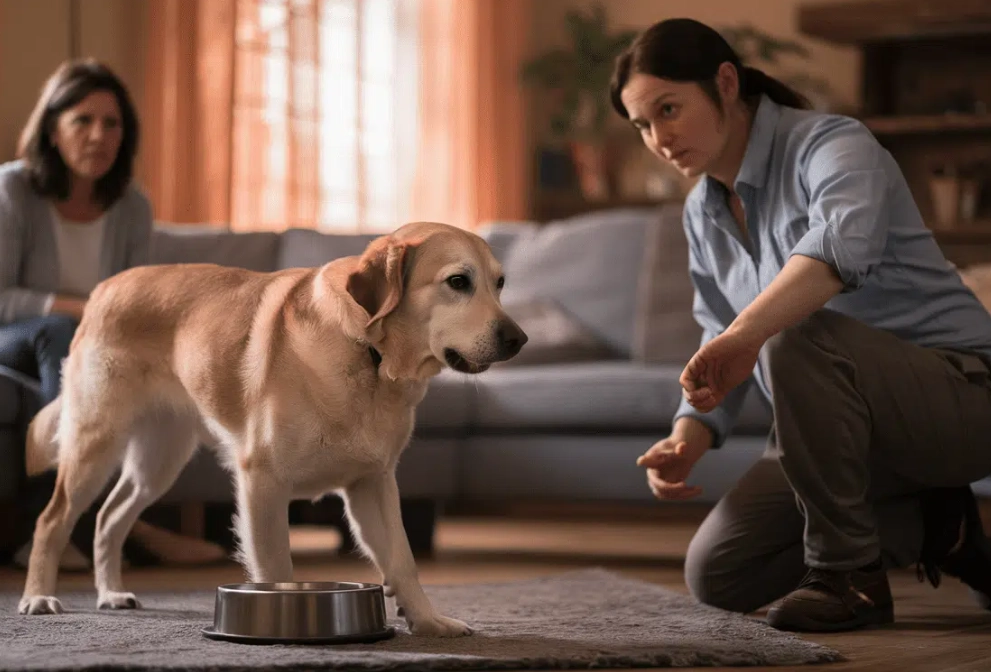
| Subtle/Early Signs | Moderate Signs | Severe/Advanced Signs |
|---|---|---|
| Body Blocking: Dog consistently positions himself between you and others. | Low Growling or Grumbling: Audible warning when someone approaches you. | Snapping or Biting: Making contact with the perceived threat. |
| "Leaning" or Pressing: Dog leans heavily against your legs when someone is near. | Stiffening & Hard Stare: Body goes rigid, eyes lock on the "intruder." | Escalated Aggression: Lunging, charging, or sustained attack. |
| Attention-Seeking Interruption: Dog nudges, paws, or brings a toy when you give attention to someone else. | Refusal to Obey Commands: Ignores "come," "sit," or "down" when in guarding mode. | Guarding from Family Members: Behavior directed at people who live in the home. |
| Whining or Pacing when you interact with others. | Raised Hackles (the hair on their back). | Inability to be Distracted: Food or toys won't break their focus on the threat. |
If you're seeing anything in the "Moderate" or "Severe" columns, you need a management plan yesterday. The subtle signs are your golden opportunity to intervene gently.
The 3 Biggest Mistakes Owners Make (And Make It Worse)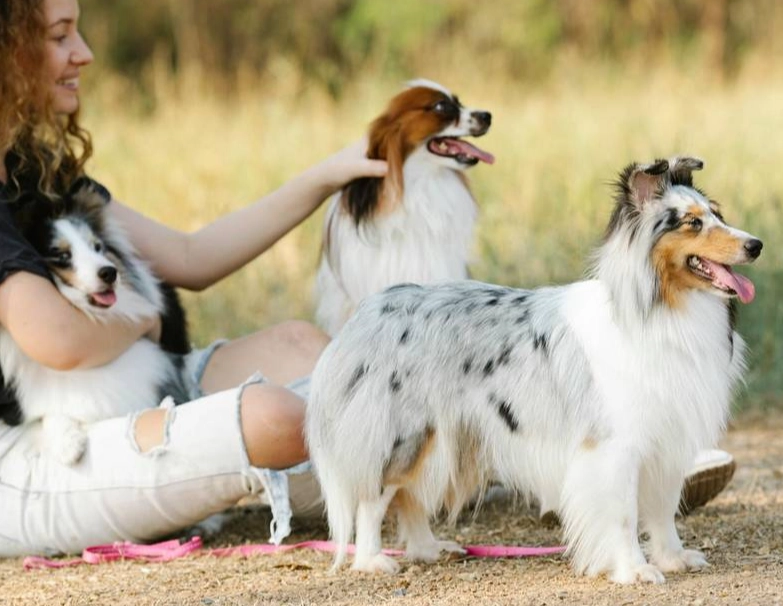
Our natural reactions are often exactly what fuel the problem. I've seen these mistakes derail progress more than anything else.
1. Punishing the Growl. This is the cardinal sin. A growl is a warning. It's your dog saying, "I'm uncomfortable, please back off." If you punish that warning, you don't make the discomfort go away—you just teach the dog not to growl. The next step is often a bite with no warning. You've removed the safety valve.
2. Soothe and Coddle. When your dog is anxious and you pet him, speak in a soft voice, and say "it's okay," you are rewarding the anxious state. You're telling him, "Yes, you were right to be worried, and here's some affection for it." Comfort comes after they calm down, not during the panic.
3. Forcing Interactions. The "he just needs to get used to you" approach. Forcing a guarded dog to accept petting from a stranger or to let someone hug you while he's stressed is a guaranteed way to increase fear and defensiveness. It proves his worst fear: that you won't protect him from this scary situation, so he must escalate.
Safety First: If your dog has ever snapped, lunged, or bitten in a guarding context, do not attempt a DIY fix from a blog article. Your next step is a qualified professional—a veterinary behaviorist or a certified fear-free trainer. The risk is too high.
How to Manage and Modify Protective Behavior: A Step-by-Step Plan
This isn't a quick fix. It's a process of changing your dog's emotional response. We're not suppressing growls; we're building a feeling of safety so the growl isn't necessary.
Step 1: Management (Prevent Practice)
Stop letting the behavior happen. If your dog guards you on the couch, he loses couch privileges unless you are alone. Use baby gates, leashes in the house, or a "place" command (like a mat or bed) to create physical space during triggering situations (like guests arriving). Management isn't failure; it's responsible prevention while you work on the underlying issue.
Step 2: Foundation Work
Build skills away from the trigger. Your dog needs rock-solid, happy responses to:
- "Place" or "Go to Your Bed": This sends him to a specific spot, creating instant space.
- "Look at Me" / Watch: The ability to break a stare and focus on you.
- A Reliable Recall ("Come"): Called away from a situation before he escalates.
Practice these when the house is calm. Use high-value treats (chicken, cheese) and make it a party.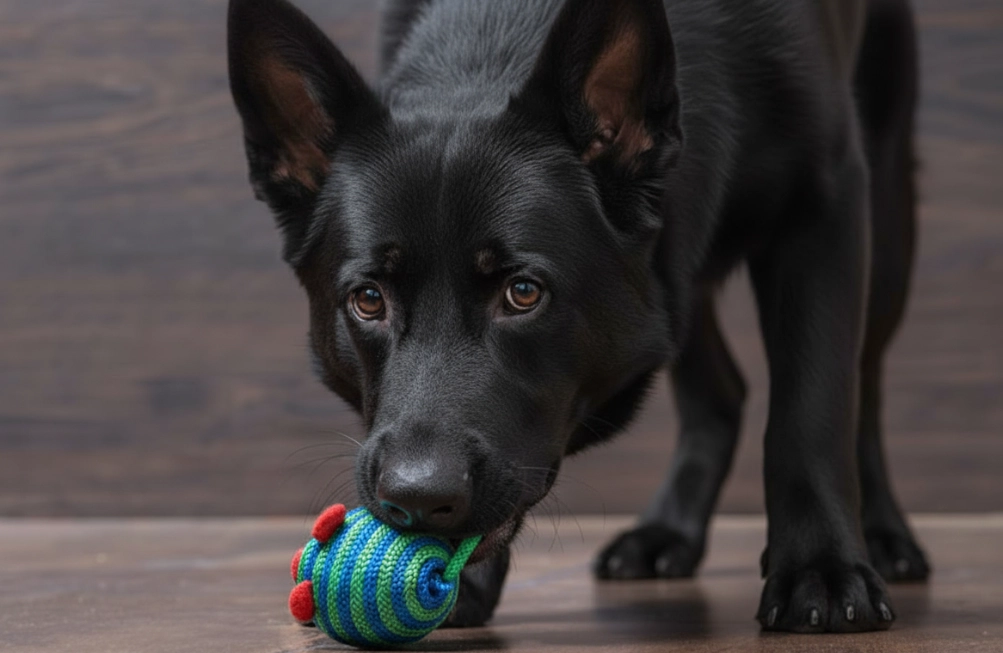
Step 3: Counter-Conditioning and Desensitization (CC&D)
This is the core of changing the emotion. You pair the scary thing (person approaching) with amazing things (treats). The goal is to change "Oh no, a threat!" to "Oh good, that person means treats!"
Scenario: Dog guards you when spouse approaches on the couch.
1. Dog is on leash, you are on the couch. Spouse is standing far away across the room—a distance where the dog notices but is still calm.
2. Spouse takes one step forward. Before the dog reacts, you say "Yes!" and feed a stream of tiny, delicious treats.
3. Spouse immediately steps back to the starting point. Treats stop.
4. Repeat. Slowly, over many sessions, spouse moves closer. If the dog shows any sign of tension (stiffening, staring), you've moved too fast. Go back to a easier distance.
The magic is in the timing and the distance. The treat predicts the approach, not the other way around. Resources like the American Veterinary Society of Animal Behavior (AVSAB) emphasize this positive, force-free approach as the most effective and humane.
When It's Time to Call a Professional
You need a pro if:
- There's any history of bites or attempted bites.
- The aggression is directed at children or vulnerable people.
- You feel afraid of your dog or unable to manage the situation.
- Your management attempts are failing.
- You're not seeing progress after a few weeks of consistent, correct CC&D.
Look for a Certified Professional Dog Trainer (CPDT) or a Veterinary Behaviorist. Your regular vet is also a great first stop to rule out pain or medical issues that could be lowering your dog's tolerance threshold.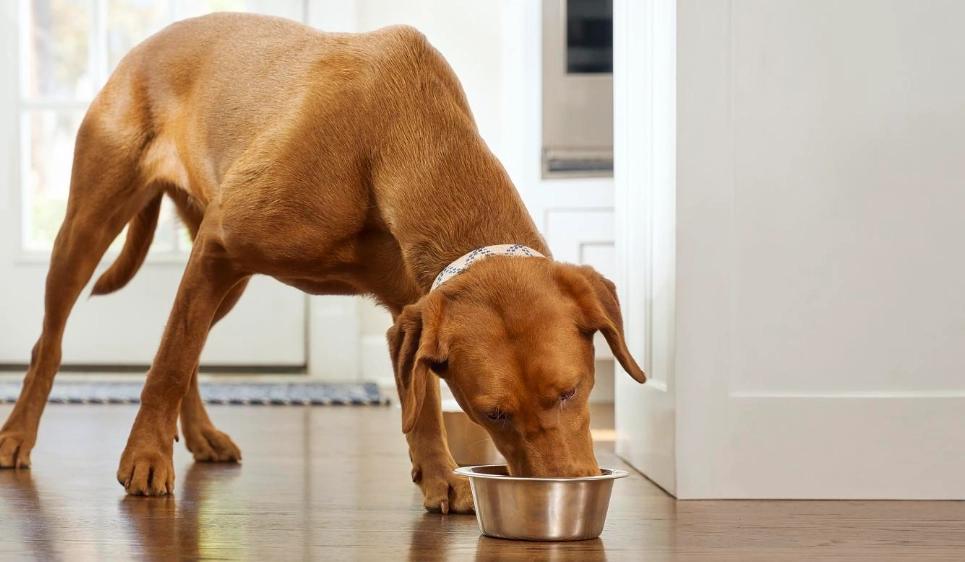
Your Questions Answered
 Will neutering/spaying my dog stop this behavior?
Leave a comment