Let's talk about those little "thumbs" on your dog's legs. You know, the ones that don't touch the ground. Dew claws. For years, I've sat across from worried pet owners in my clinic, discussing whether or not to remove them. It's one of those topics where internet advice is all over the map, and the decision feels heavy. Is it a cruel, unnecessary procedure? Or a smart, preventive measure? The truth, like most things in veterinary medicine, isn't black and white. It's a shade of gray that depends entirely on your dog's breed, lifestyle, and those specific little claws.
I've performed this surgery countless times, and I've also treated just as many painful dew claw injuries in dogs who still had theirs. My goal here isn't to push you in one direction. It's to give you the full picture—the pros, the cons, the gritty details of the procedure, and the real-world recovery—so you can partner with your own vet to make the best call for your furry family member.
What's Inside This Guide
What Are Dew Claws and Do Dogs Need Them?
First, a quick anatomy lesson. Dew claws are the equivalent of our thumbs or big toes. Most dogs have them on the front legs, and some breeds (like Great Pyrenees, Beaucerons, or Briards) have them on the hind legs too, sometimes even double dew claws. They're attached by a bone (the first metacarpal or metatarsal) in the front, but on the back, they're often just dangling by skin and a bit of tendon—what we call "floppy" or "non-weight-bearing."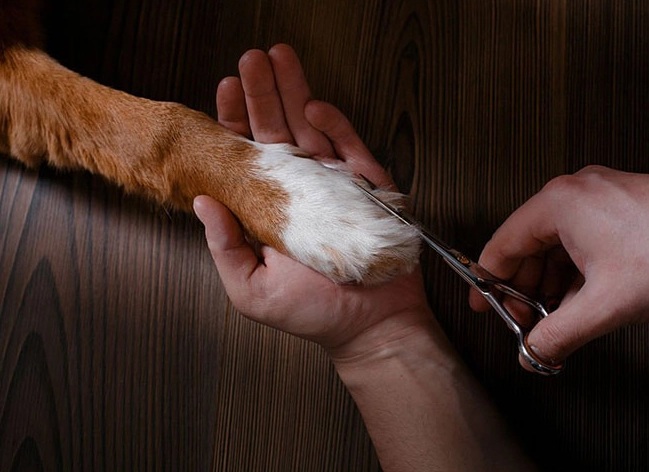
Here's a point many miss: they're not completely useless. In active dogs, you can see the front dew claws gripping toys or bones. Some dogs use them for stability when turning at high speed. But let's be real. For the average family pet lounging on the couch, the functional benefit is minimal. The real issue is the risk they pose, especially those floppy hind ones. They can snag on carpets, blankets, or underbrush, leading to a painful, bloody tear.
The Great Debate: Pros and Cons of Removal
Let's break down the arguments. This isn't about good vs. evil; it's about weighing potential future problems against a present-day surgical intervention.
| Consideration | For Removal (Pro-Removal Argument) | Against Removal (Pro-Retention Argument) |
|---|---|---|
| Primary Reason | Prevention of Injury. Eliminates the risk of painful tearing, avulsion (ripping off), or chronic catching. This is the #1 reason vets recommend it for certain dogs. | Avoids Unnecessary Surgery. Surgery always carries inherent risks (anesthesia, infection, pain). If there's no current problem, why create one? |
| Best For | Working/field dogs (hunting, herding), dogs with floppy hind dew claws, breeds prone to injury, dogs with a history of catching the claw. | Most pet dogs with well-attached, trimmed front dew claws, older dogs, dogs with anesthesia contraindications. |
| Long-Term Outcome | Permanent solution. No future dew claw-related vet visits, trims, or injuries. | Requires lifelong maintenance (regular trimming) and vigilance for signs of injury. |
| Common Concern | "What if it tears when we're camping/hiking?" The emergency surgery for a torn dew claw is more traumatic and costly than a planned removal. | "It's a natural part of my dog." Many owners view it as an elective cosmetic procedure, which raises ethical questions. |
I'll add a personal observation. For dogs that actively use their front dew claws in agility or similar sports, removal might slightly alter their biomechanics. It's a tiny factor, but one a performance dog owner should discuss with a sports vet.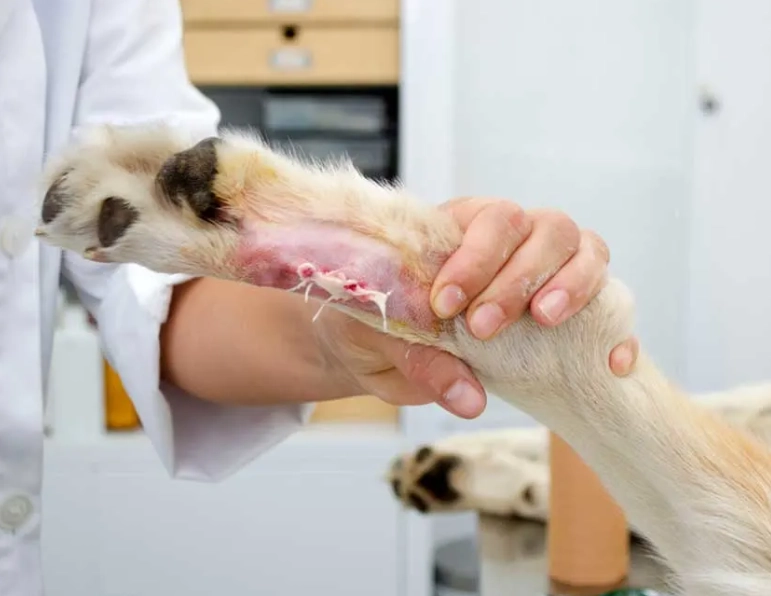
The Surgical Procedure Explained
If you decide to proceed, knowing what happens can ease your mind. This isn't a nail trim; it's an amputation.
The Ideal Timing (It's Not What You Think)
Most people assume it's done with spaying or neutering. That's common, but not the only or necessarily the best time for every dog. The absolute ideal window is often between 3 to 5 days of age, when the puppy's nervous system is still developing and the procedure can be done with local anesthetic or minimal sedation. It's quick, with almost no bleeding.
But let's be practical. Most of you are reading this with an older puppy or adult dog. In that case, yes, pairing it with a spay/neuter is efficient—one anesthesia event. For an adult dog, it becomes a standalone surgery.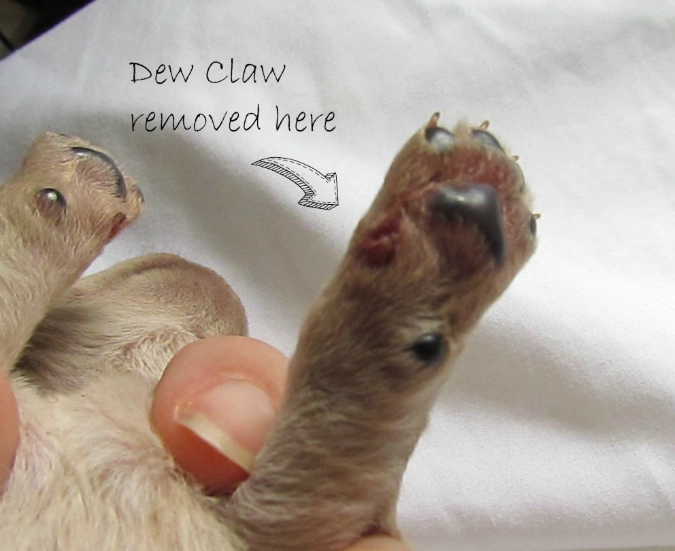
A Step-by-Step Walkthrough
Here’s what a typical procedure for an older puppy or adult looks like under general anesthesia:
Step 1: Preparation. The leg is shaved and surgically scrubbed. Your dog is under general anesthesia, monitored closely by a vet tech.
Step 2: The Incision. The vet makes a careful elliptical incision around the base of the dew claw. The goal is to remove the entire claw, nail bed, and the associated tiny bone (if present). This is crucial. If any nail bed cells are left behind, they can regrow a deformed, problematic nail stump years later—a complication I've had to fix more than once.
Step 3: Closure. The wound is closed with absorbable sutures under the skin. Sometimes skin glue or a stitch or two on the surface is added. A light bandage is applied.
The surgery itself is relatively short, but the full process includes pre-op checks and recovery from anesthesia.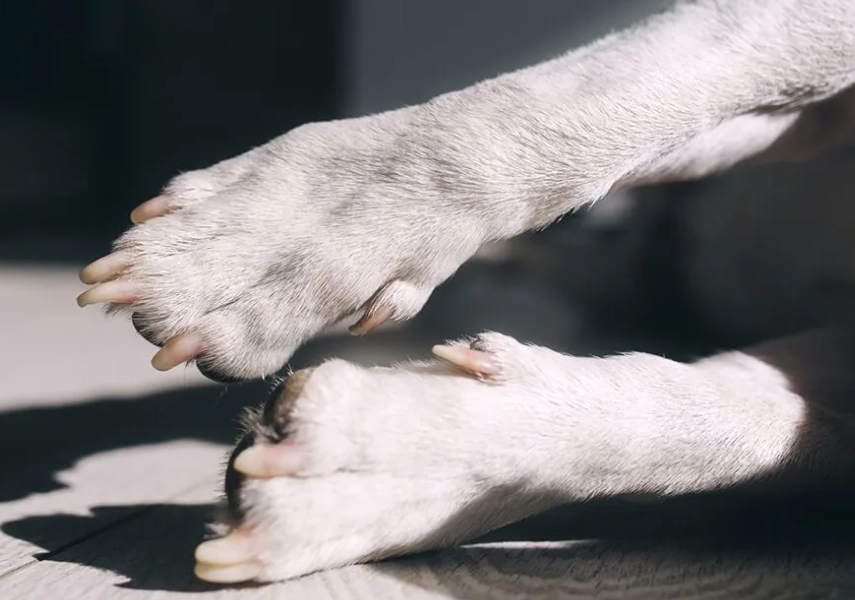
Aftercare and Recovery: The Make-or-Break Phase
This is where many owners slip up. Good aftercare prevents infections and ensures smooth healing.
The First 24-48 hours: Your dog will be groggy. Keep them quiet. The bandage stays on and must stay clean and dry. No walks in the rain or wet grass. Use a waterproof bootie if you must go outside.
Bandage Changes: Your vet will likely want to check and change the bandage in 2-3 days. Don't try this at home unless instructed.
The Cone of Shame (E-Collar): Non-negotiable. For 10-14 days, the cone stays on whenever you can't directly supervise. Dogs will lick, and licking introduces bacteria and pulls sutures out.
Activity Restriction: This is the hardest part. No running, jumping, or rough play for about two weeks. A torn stitch means a trip back to the clinic. I recommend leash walks only for bathroom breaks.
Signs of Trouble: Swelling, redness, discharge, a foul smell, or your dog being excessively painful. Call your vet immediately.
I once treated a Border Collie whose owner, thinking the small incision was fine, let him run in the yard on day 5. He ripped the sutures, got dirt in the wound, and we ended up dealing with a nasty infection that took weeks to resolve. Patience during recovery is everything.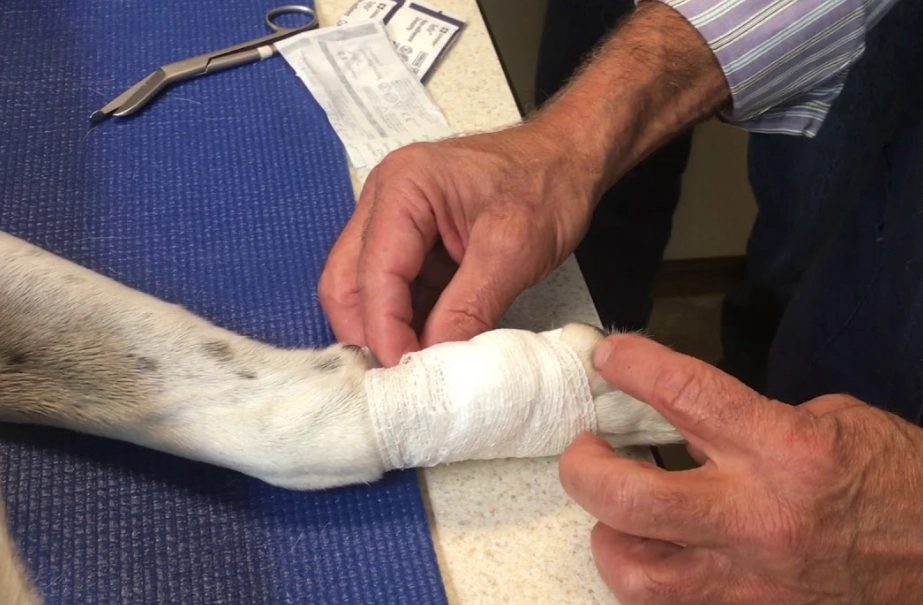
Ethical Considerations and Making Your Decision
This is the heart of the matter. In many countries, elective dew claw removal is banned or frowned upon unless for a clear medical reason. It forces us to ask: are we doing this for the dog's benefit, or for our convenience?
My framework for discussing this with clients is simple:
- For a show dog or a dog with tight, well-formed front dew claws that are regularly maintained, I rarely recommend removal.
- For an active hunting dog, a dog with loose hind dew claws, or one that has already suffered a minor injury, the preventive argument is very strong. The trauma of an emergency tear is far worse.
- Always ask: "What is my dog's likely lifestyle?" A couch-loving Maltese has different risks than a boisterous Labrador who charges through blackberry bushes.
Talk to your vet. Describe your dog's habits. Ask about their specific technique. A good vet won't pressure you but will educate you. The decision should feel like a collaborative choice, not a mandate.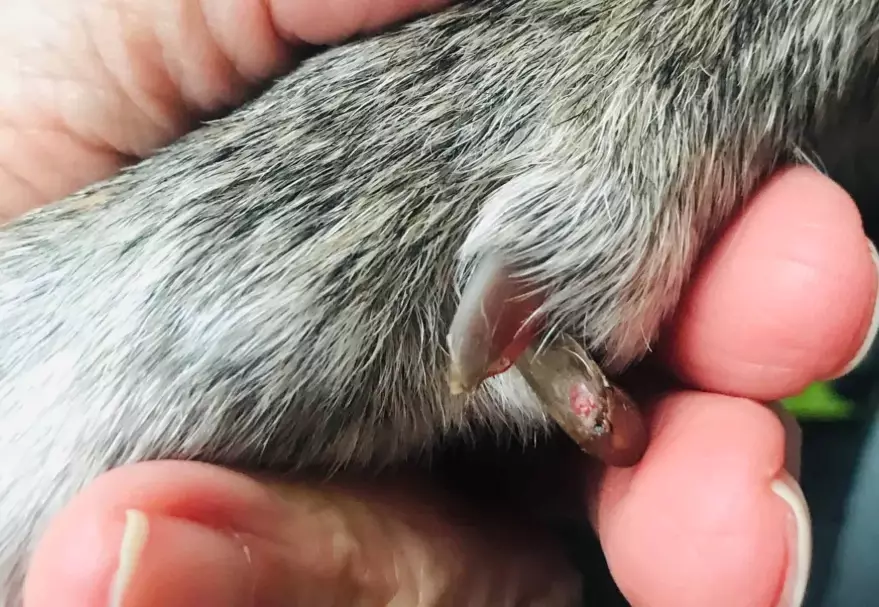
Your Dew Claw Questions, Answered
Making this choice is a sign of a caring owner. You're doing the research. You're weighing the options. There's no universal right answer, only the right answer for your dog. Arm yourself with this info, have that detailed chat with your veterinarian, and trust that you're making the decision with your pet's best life in mind.
Leave a comment