Let's cut to the chase. You're here because you love your garden and you love your cat, and the thought of those two worlds colliding in a dangerous way is terrifying. You've brought home a stunning dahlia tuber or a potted plant, and now your feline supervisor is giving it the sniff test. So, are dahlias poisonous to cats? Yes, dahlias are considered toxic to cats. But before you panic and rip out every beautiful bloom, the reality is more nuanced than a simple yes/no. The toxicity is generally considered mild to moderate. This isn't like lilies, where a single pollen grain can cause fatal kidney failure. That's a crucial distinction most articles gloss over, leaving you either terrified or falsely reassured.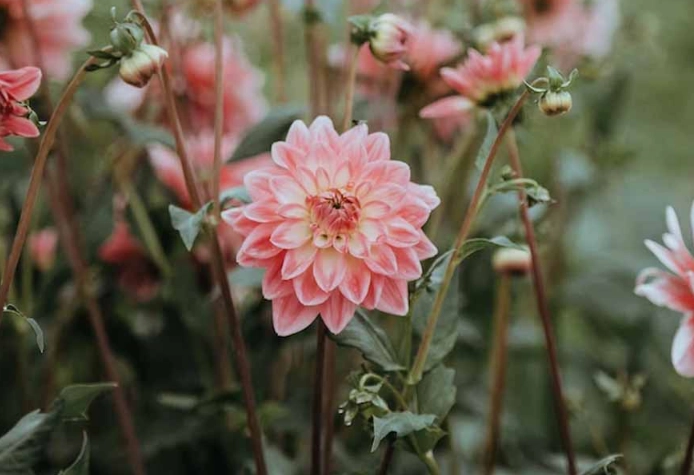
I've been a vet tech for over a decade and a passionate gardener even longer. I've seen the frantic calls from owners whose cat took a bite of a "questionable" plant. The biggest mistake I see? People either overreact to mild toxins or, worse, underestimate a serious one because the cat "seems fine" initially. With dahlias, the devil is in the details—the specific compounds, the part ingested, and your cat's individual sensitivity.
What's in This Guide?
What Exactly Makes Dahlias Toxic to Cats?
The primary irritants in dahlia plants are compounds called sesquiterpene lactones. These are natural defense chemicals found in many plants in the Asteraceae family (think daisies, chrysanthemums, ragweed). They don't wreak havoc on a systemic level like kidney or liver toxins. Instead, they're local irritants.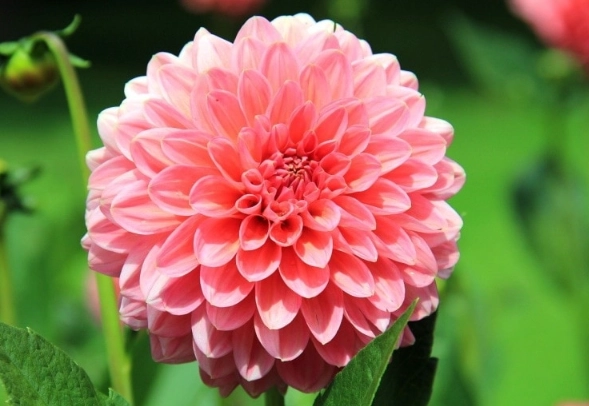
Think of it like this: if you get sap from a dahlia stem on your skin, you might get a mild rash. For a cat, ingesting these compounds irritates the delicate tissues of the mouth, esophagus, and gastrointestinal tract. The tubers (the underground storage organs we plant) and the younger, greener parts of the plant tend to have higher concentrations of these irritants than the mature flowers.
This is where most generic advice fails. They'll say "dahlias are toxic" and stop. But as a gardener, you need to know which part is the biggest concern. If your cat chews a petal, the risk profile is different than if she digs up and nibbles a raw tuber. The tuber is more concentrated.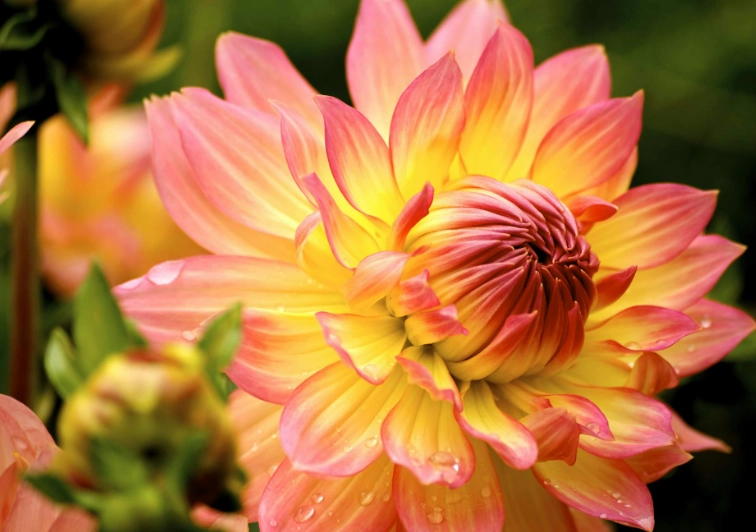
Symptoms to Watch For If Your Cat Eats a Dahlia
Cats are masters of hiding discomfort, so you need to be a detective. Symptoms usually appear within a few hours of ingestion and are primarily gastrointestinal. Watch for these signs:
- Drooling/Hypersalivation: This is often the first sign. The irritants cause a burning sensation in the mouth, leading to excessive drooling.
- Pawing at the Mouth: Your cat might try to rub the discomfort away.
- Vomiting: This is the body's attempt to expel the irritant. You might see plant material in the vomit.
- Diarrhea: Gastrointestinal upset can lead to loose stools.
- Lethargy: Feeling unwell from the GI distress can make your cat quiet and less active.
- Loss of Appetite: A sore mouth and upset stomach understandably put them off their food.
Severe reactions are rare but can occur if a large amount is ingested, or if your cat has a particular sensitivity. Dehydration from repeated vomiting or diarrhea is the main complication to prevent.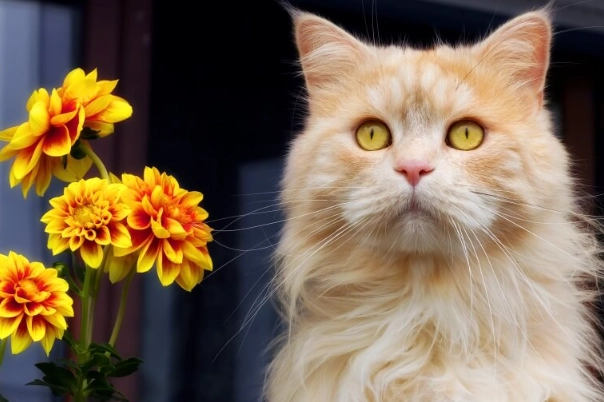
My Cat Ate a Dahlia: The 5 Immediate Steps to Take
Stay calm. Panicking helps no one, especially your cat. Follow this action plan.
- Remove Your Cat from the Plant. Gently move your cat away from the dahlia and any other plants. Prevent further snacking.
- Identify What Was Eaten. Try to figure out which part of the dahlia was involved (flower, leaf, stem) and estimate how much. A photo of the chewed plant can help your vet.
- Do NOT Induce Vomiting. This is a critical point. Never induce vomiting at home unless explicitly instructed to do so by a veterinarian or poison control expert. You could cause more harm.
- Call for Professional Advice. Contact your veterinarian, an emergency vet clinic, or a pet poison helpline immediately. Have your cat's approximate weight ready. In the US, you can call the ASPCA Animal Poison Control Center (888-426-4435) or the Pet Poison Helpline (855-764-7661). These are fee-based services, but their advice is invaluable and they can coordinate with your vet.
- Follow Professional Instructions. They may advise you to monitor at home if ingestion was minimal, or they may recommend bringing your cat in for examination and supportive care (like anti-nausea medication or fluids for dehydration).
Building a Cat-Safe Garden: Alternatives to Dahlias
You don't have to choose between a vibrant garden and a safe cat. The goal is risk management. If your cat is a notorious plant-chewer, it's wise to avoid dahlias altogether. If they generally ignore plants, you might feel okay keeping dahlias in a strictly off-limits area (like a fenced-off flower bed or tall containers).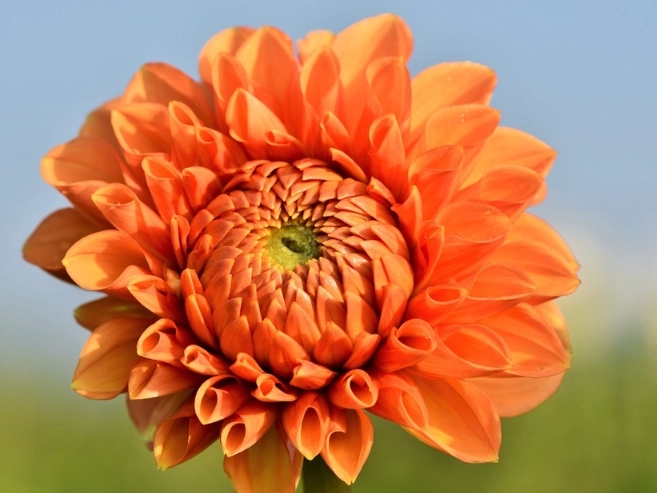
Here are some stunning, non-toxic alternatives that give you similar visual impact to dahlias:
| Plant Name | Why It's a Great Alternative | Cat-Safe Status (ASPCA) |
|---|---|---|
| Zinnias | Bold, long-lasting flowers in dazzling colors. Easy to grow from seed. Attracts butterflies. | Non-Toxic |
| Snapdragons (Antirrhinum) | Tall spikes of flowers, great for height and structure. Cool-season bloomer. | Non-Toxic |
| Roses | Classic beauty. Thorns may naturally deter cats. Ensure no systemic pesticides were used. | Non-Toxic* |
| Sunflowers | Dramatic and cheerful. The giant varieties are a spectacle. | Non-Toxic |
| African Violets | Perfect for indoor color. Compact, fuzzy leaves cats often dislike. | Non-Toxic |
*Roses themselves are non-toxic, but be cautious of fertilizers, pesticides, or floral preservatives used on cut roses.
For indoor plants, always check the ASPCA database before bringing anything new home. Some common houseplants like lilies, sago palms, and pothos are extremely dangerous.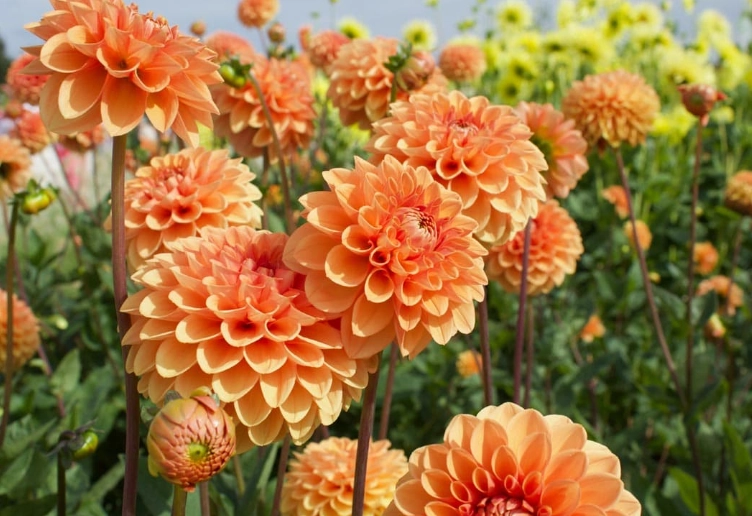


Leave a comment