You're staring at your dog's bowl of plain chicken and rice. Again. He's looking at you. You're thinking about your own flavorful meal. Would a little sprinkle of something hurt? The internet says "maybe." Some sites list a few safe spices for dogs, others just scream about toxicity. It's confusing. I've been there. After a decade of crafting homemade diets and consulting with vets, I've learned that the world of canine-safe herbs isn't about random sprinkles—it's about intentional, tiny additions that can offer real benefits. Let's cut through the noise.
What’s Inside This Guide
What Makes a Spice or Herb Safe for Dogs?
It's not magic. It's chemistry and dosage. A spice safe for dogs lacks compounds that are inherently toxic to their unique metabolism. Things like thiosulfate in onions (destroys red blood cells) or persin in avocado. Safe herbs might contain antioxidants, anti-inflammatories, or digestive aids that, in minute amounts, can be supportive.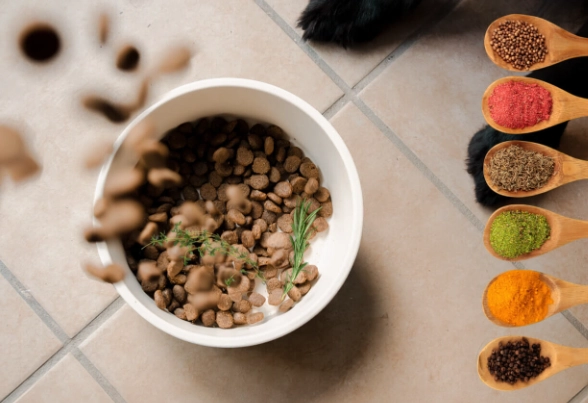
The biggest mistake I see? The "small amount can't hurt" philosophy applied to the wrong things. A small amount of garlic can hurt a small dog. Conversely, a small amount of a safe spice like ginger probably won't help if you don't use it consistently and correctly. It's about picking the right tool for the job.
Key Principle: Every dog is an individual. A spice that settles one dog's stomach might irritate another's. Start with the assumption that your dog has a "sensitive stomach" until proven otherwise. Go slower than you think you need to.
The Go-To List: Spices & Herbs That Are Generally Safe
This isn't an invitation to make your dog a curry. Think of these as potential supplements or flavor enhancers, used sparingly. Here’s a breakdown of the most useful ones.
| Spice/Herb | Form to Use | Potential Benefit | Critical Note & Dosage Hint |
|---|---|---|---|
| Turmeric | Powder (Ceylon preferred) | Anti-inflammatory, antioxidant. | Must be mixed with black pepper & a healthy fat (e.g., coconut oil) for absorption. A pinch for small dogs. |
| Ginger | Fresh (grated) or dried powder | Anti-nausea, aids digestion. | Excellent for car sickness. 1/4 tsp dried powder for a 30lb dog. Use fresh sparingly. |
| Cinnamon | Powder (Ceylon is safer) | Antioxidant, may help regulate blood sugar. | Common Cassia cinnamon has high coumarin. Use Ceylon and only a tiny sprinkle. |
| Parsley | Fresh, chopped | Freshens breath, source of vitamins. | Flat-leaf or curly is fine. A teaspoon mixed in food. Avoid in large amounts. |
| Basil | Fresh or dried | Antioxidant, anti-inflammatory. | A safe, aromatic herb. A few fresh leaves chopped up is plenty. |
| Oregano | Dried (use sparingly) | Antioxidant properties. | Potent. Use a fraction of what you'd use for humans. A small pinch in a large batch of food. |
| Rosemary | Fresh or dried | Antioxidant, may improve circulation. | Some debate on high doses for epileptic dogs. For general use, a small sprig in cooking broth is fine. |
See how "tiny," "pinch," and "sprinkle" are the recurring themes? That's the takeaway. You're not seasoning a steak; you're introducing a bioactive compound.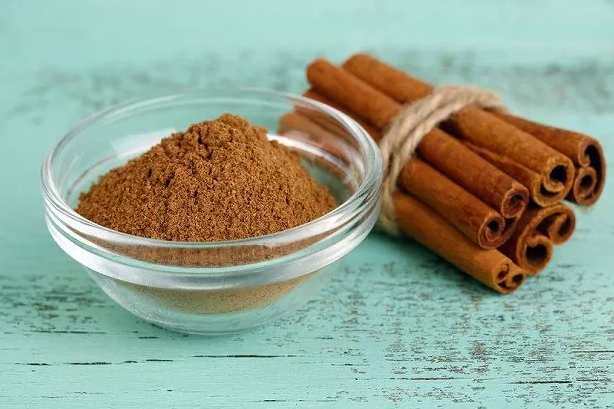
The Absolute No-Go List: Common Kitchen Toxins
This list is non-negotiable. These items should never be in your dog's food, intentionally or as "just a lick." Powdered forms are especially dangerous due to concentration.
- Onion, Garlic, Chives, Leeks, Shallots (Allium family): Toxic in all forms—raw, cooked, powdered, dehydrated. Causes oxidative damage to red blood cells, leading to hemolytic anemia. Garlic powder in a seasoning salt is a major hidden culprit.
- Nutmeg: Contains myristicin, which can cause hallucinations, high heart rate, disorientation, and seizures in dogs. Even a small amount can be problematic.
- Salt (in large amounts): While a grain isn't an issue, heavily salted foods can lead to sodium ion poisoning—excessive thirst, urination, and potentially fatal brain swelling. Avoid sharing processed snacks.
- Macadamia Nuts: Often found in baked goods or certain spice blends (like some curry powders—always check!). Causes weakness, vomiting, hyperthermia.
- Cocoa Powder / Chocolate: Theobromine is the toxin. Unsweetened baking cocoa is the most concentrated, deadly form.
Red Flag Scenario: You're making a soup with an onion and garlic bouillon cube. You give your dog the plain chicken you boiled for it. If that chicken was boiled in that broth, it has absorbed those toxins. It's not safe. Always cook their portion separately with no seasonings.
How to Introduce Safe Spices to Your Dog's Diet
Throwing a pinch of turmeric on tonight's dinner is a bad plan. Here's the method that actually works.
Step 1: The Single-Ingredient Test
Pick one herb or spice. Start with the mildest, like parsley. Introduce a tiny amount (think 1/8 tsp for a medium dog) mixed thoroughly into their regular food. Do this for 2-3 days.
Step 2: Observe Like a Hawk
Watch for any changes in stool consistency, energy levels, itching, or gastrointestinal upset (gas, vomiting). If anything seems off, stop immediately. That spice might not be for your dog.
Step 3: Establish a Baseline and Rotate
If all is well after a week, you can consider that spice "cleared" for occasional use. Don't use it every single day. The idea is to rotate gentle herbs to provide a range of phytonutrients, not to overload their system with one compound. I might use parsley one week, a tiny bit of basil the next, and ginger only if someone seems queasy.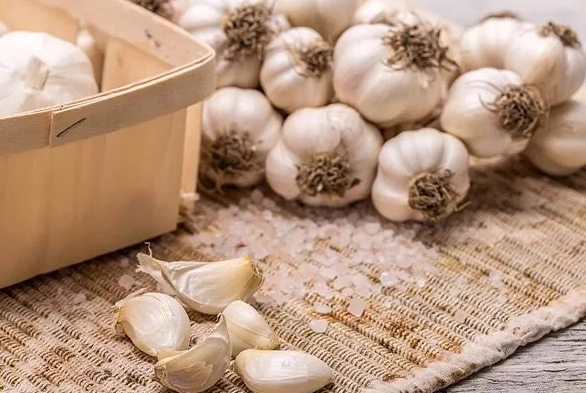
I learned this the hard way with my Labrador, Finn. I got excited about turmeric and added a "small" dose (probably 1/2 tsp) to his food for three days straight. Day four brought messy results. I had to backtrack and start over with a true micro-dose. Lesson learned.
Putting It Into Practice: Real Food Scenarios
Let's move from theory to your kitchen.
Scenario A: The Boring Chicken & Rice for an Upset Tummy.
Instead of plain, boil the chicken in water with a few slices of fresh ginger and a sprig of parsley. Remove the herbs before serving. The broth will carry mild, soothing properties. You can also sprinkle a tiny amount of dried ginger powder (a literal pinch) on the rice.
Scenario B: Homemade Dog Treats.
In a simple pumpkin-peanut butter treat recipe, you can add:
- 1/2 teaspoon Ceylon cinnamon (for the whole batch)
- 1 tablespoon fresh chopped parsley
- A 1/4 teaspoon of turmeric mixed with a crack of black pepper and the oil in the recipe
This distributes the flavor and benefit safely across many treats.
Scenario C: The "I Want to Share My Veggies" Moment.
Steaming some green beans or carrots? Toss them in the pot with a fresh basil leaf or a tiny piece of rosemary stem while they cook for infused flavor, then remove the herb before giving the cooled veg to your pup.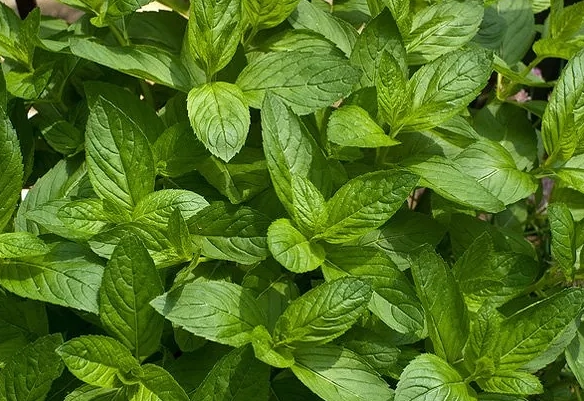
The goal is subtlety. If you can strongly smell or taste the spice, you've probably used too much for your dog.
Your Spice Questions, Answered
Navigating spices safe for dogs boils down to a mix of caution and curiosity. Ditch the fear of all seasonings, but replace it with respect for potency and individual biology. Start with a single, fresh herb like parsley. Observe. When in doubt, less is more. Your dog's meals don't have to be a flavorless chore—with a thoughtful pinch here and there, you can add both interest and potential health benefits to their bowl. For the most authoritative information on toxic substances, always bookmark resources like the ASPCA Animal Poison Control Center website.




Leave a comment