You're cleaning up the third mess this morning, and that sinking feeling is back. Why does my dog get diarrhea again? As a vet assistant for over a decade, I've had this conversation thousands of times. The truth is, canine diarrhea is incredibly common, but that doesn't make it less stressful. Most episodes are short-lived, but some are red flags for serious trouble. Let's cut through the confusion and look at what's really going on in your dog's gut.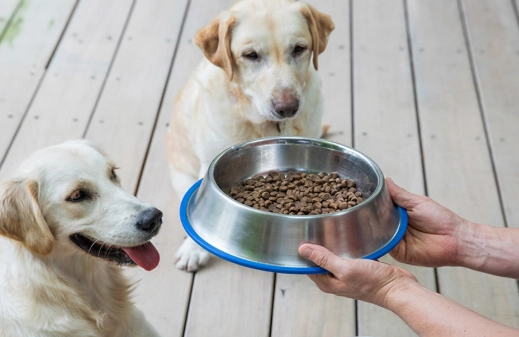
In This Article
The Usual Suspects: Common Causes of Dog Diarrhea
Think of your dog's digestive system as a finely tuned, but sometimes overly enthusiastic, processing plant. One wrong ingredient and the whole system can go haywire. The causes range from the mundane to the medical.
| Cause | What It Looks Like | Typical Scenario |
|---|---|---|
| Dietary Indiscretion | Sudden onset, often within hours. Dog may seem fine otherwise. | The garbage can raid. The "treat" from a well-meaning stranger. Sneaking cat food. |
| Sudden Diet Change | Loose stools a day or two after switching foods. | Running out of old food and switching to a new brand without transition. |
| Parasites (Giardia, Worms) | Intermittent or chronic diarrhea, sometimes with mucus. Weight loss possible. | Puppies from shelters, dogs who drink from puddles/ponds, or who are not on regular preventives. |
| Stress or Anxiety | Nervous diarrhea, often around specific events. | During boarding, thunderstorms, fireworks, or after a move. |
| Bacterial/Viral Infection | Often accompanied by vomiting, lethargy, fever. | Exposure to other sick dogs (dog parks, kennels). Parvovirus in unvaccinated dogs is a severe example. |
| Food Intolerances or Allergies | Chronic, ongoing soft stools, sometimes with itchy skin or ear infections. | A reaction to a specific protein (beef, chicken) or ingredient (corn, wheat) in their regular diet. |
Here's a nuance most online lists miss: the role of treats and chews. I've seen countless cases where the primary kibble is consistent, but the owner is unknowingly causing issues with rich, fatty training treats, new flavored dental sticks, or even bully sticks that can harbor bacteria. The gut never gets a chance to settle.
Another under-discussed cause? Medications. Certain antibiotics, pain relievers (especially NSAIDs like carprofen if not given with food), and even some supplements can irritate the stomach lining. Always ask your vet about potential digestive side effects.
What to Do When Your Dog Has Diarrhea: Immediate Steps
Okay, it's happening. Before you panic, run through this mental checklist. Your first actions can make a big difference.
Withhold food, not water. This is the golden rule. Give your dog's gastrointestinal tract a 12 to 24-hour break from solid food. This doesn't mean they should fast for days—that's a common mistake that can lead to other problems. But always provide fresh, clean water. Diarrhea causes fluid loss, and dehydration is the real danger.
Assess the evidence. I know it's gross, but take a quick look. Is it just soft, or is it pure liquid? Is there any blood (bright red or dark, tarry black)? Any strange color (yellow, green, gray)? Any foreign material like plastic or toy stuffing? Make a mental note or even take a photo for your vet.
Monitor behavior closely. Is your dog still begging for treats and wanting to play? Or are they curled up in a corner, refusing to move, or crying when their abdomen is touched? Behavior is your most critical diagnostic tool at home.
Remove temptation. Secure the trash can. Pick up any toys they might chew and swallow. Keep them away from the cat's litter box. You're putting the factory on lockdown while you figure out the source of the contamination.
When Diarrhea is an Emergency: Red Flags You Can't Ignore
Some situations mean you should bypass the home-care phase and call your vet or an emergency clinic immediately. Don't wait until morning.
Multiple episodes of vomiting along with diarrhea. This combo dramatically increases the risk of rapid dehydration.
Blood in the stool or vomit. Bright red blood or material that looks like coffee grounds or black tar is a major warning sign.
Your dog seems weak, depressed, or in pain. If they won't get up, don't respond to you normally, or cry when their belly is gently pressed.
Pale or white gums. Lift your dog's lip. The gums should be a healthy pink. If they're pale, white, or a very bright red, it indicates shock or systemic illness.
Suspicion of poisoning. Did they get into chocolate, xylitol (sugar-free gum), rat poison, or human medications? The American Veterinary Medical Association's poison control resources should be your immediate reference, but your vet needs to know.
A very young, very old, or already sick dog. These patients have less reserve and can crash much faster.
I remember one case where a dog had mild diarrhea but was still eating. The owner waited 48 hours. By the time they came in, the dog was severely dehydrated from a nasty bacterial infection and needed two days of IV fluids. The "acting normal" part had been misleading. Trust the other signs more.
Home Remedies and Supportive Care (The Right Way)
If your dog has simple diarrhea, is acting okay, and your vet has given the green light for home care, here's how to help them recover.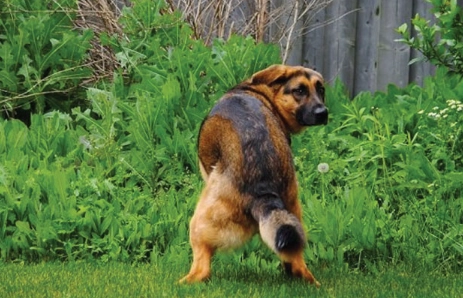
The Bland Diet: Not Just Chicken and Rice
After the fasting period, you'll reintroduce food with a bland diet. The classic is boiled, skinless, boneless chicken breast and plain white rice. Use a 1:3 ratio (one part protein to three parts carb).
Feed small, frequent meals. Instead of two big bowls, offer four to six tiny meals throughout the day. This is gentler on the recovering gut.
The pumpkin myth. Plain canned pumpkin (not pie filling) can be a good source of soluble fiber to firm up stools, but I see people use it wrong. If the diarrhea is from simple overindulgence, a spoonful can help. If it's from an infection or major irritation, adding fiber too soon can just add more work for the inflamed intestines. Introduce it on day 2 or 3 of the bland diet, not immediately.
Probiotics: The Gut Reinforcements
Think of probiotics as sending in reinforcements for your dog's gut army. A high-quality canine-specific probiotic can help restore the balance of good bacteria after a digestive upset. This is one area where a supplement can genuinely aid recovery and even help prevent future episodes in some dogs. Look for brands with multiple strains and a high CFU count, and store them as directed.
How Can I Prevent My Dog from Getting Diarrhea Again?
Once the crisis is over, think about long-term gut health. Prevention isn't about creating a sterile bubble, but about smart management.
Transition foods slowly. When changing kibble, take 7-10 days. Mix increasing amounts of the new food with the old.
Be a treat detective. Stick to one or two simple, known treats. If you introduce a new chew or snack, give a tiny amount first and see how their stomach handles it over the next day.
Manage stress. For anxiety-prone dogs, create a safe space during storms or fireworks. Talk to your vet about behavioral strategies or, in some cases, calming supplements for predictable stressful events.
Maintain parasite prevention. This is non-negotiable. Year-round heartworm prevention often covers common intestinal parasites. Regular fecal exams are also key, as some parasites aren't always visible to the naked eye or covered by all preventives.
Know your dog's normal. Pay attention to what a healthy stool looks like for your dog. That's your baseline. Any deviation is your first clue that something's off.
Ultimately, understanding why your dog gets diarrhea is about becoming a keen observer. You know your dog better than anyone. Pair that knowledge with a clear sense of what's normal, what's a minor hiccup, and what demands professional help, and you'll navigate these messy situations with much more confidence.
Your Questions, Answered
My dog has diarrhea but is acting normal. Should I still be concerned?
It depends on the duration and other factors. A single episode in an otherwise energetic dog might just be a minor stomach upset. However, if the diarrhea persists for more than 24 hours, or if it's very watery or contains blood, you should contact your vet. A dog "acting normal" can still be losing significant fluids internally, leading to dehydration. It's a common oversight to wait too long because the dog seems fine on the surface.
What can I feed my dog after a diarrhea episode?
After a 12-24 hour fasting period (with vet approval), start with a bland diet. The classic combo is boiled white meat chicken (no skin, no bones) and plain, cooked white rice in a 1:2 ratio. Feed small amounts frequently. Many people make the mistake of adding pumpkin or other fibers too early, which can sometimes worsen things if the gut is still very irritated. Stick to the simple chicken and rice for 2-3 days before slowly transitioning back to regular food.
My dog ate grass and now has diarrhea. Is the grass the cause?
Not necessarily. While eating a large amount of rough grass can irritate the stomach lining, dogs often eat grass because they *already* feel nauseous. The grass might be a symptom, not the root cause. The diarrhea is more likely from whatever made your dog feel sick enough to eat grass in the first place—like dietary indiscretion, mild gastritis, or even parasites. Focus on the diarrhea itself and your dog's overall behavior rather than fixating solely on the grass-eating.
Leave a comment