Let's cut to the chase: yes, dracaena plants are toxic to cats. If you have one at home and a curious feline, you're playing with fire. I've seen too many panicked calls from cat owners who didn't realize the risk until it was too late. This isn't just a mild upset stomach—it can lead to vomiting, drooling, and serious discomfort for your pet.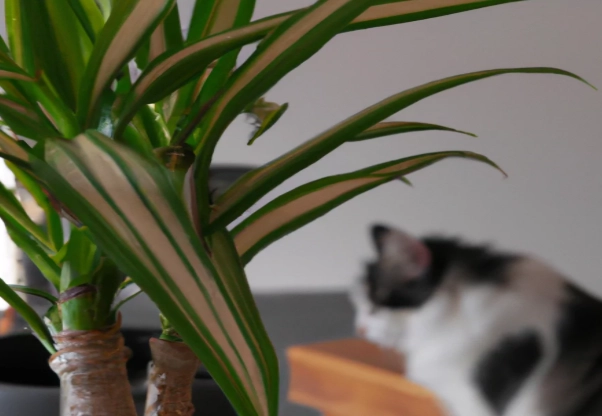
What's Inside This Guide
What Makes Dracaena Toxic to Cats?
Dracaena plants contain compounds called saponins. These are natural chemicals that act as irritants. When a cat chews on the leaves or stems, saponins mess with their digestive system. It's like eating something that just doesn't agree with them—but worse.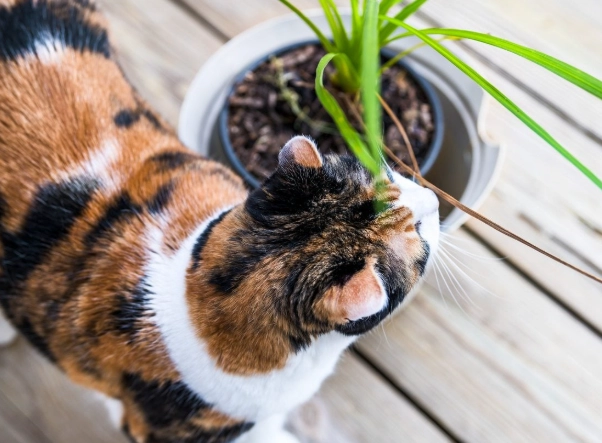
I remember chatting with a botanist friend who explained that saponins are in many plants as a defense mechanism. For cats, they're particularly problematic because feline bodies aren't built to handle them. The ASPCA lists dracaena as toxic to cats, and they're a trusted source for pet safety.
Common Dracaena Varieties to Watch Out For
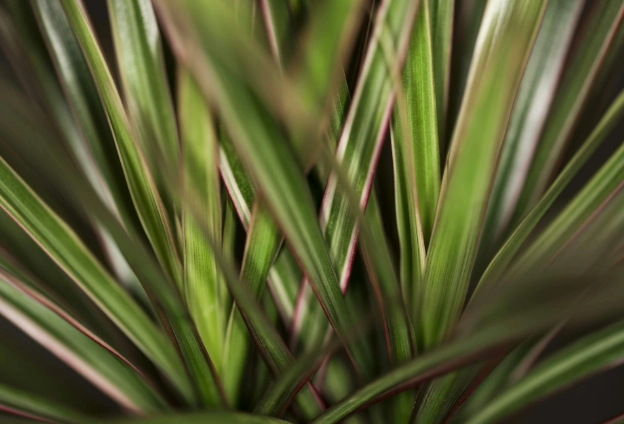
Not all dracaena look the same, but most popular ones are risky. Here's a quick table to help you identify them:
| Dracaena Variety | Common Name | Toxicity Level | Typical Symptoms |
|---|---|---|---|
| Dracaena marginata | Dragon Tree | High | Vomiting, drooling |
| Dracaena fragrans | Corn Plant | High | Loss of appetite, lethargy |
| Dracaena deremensis | Warneckii | Moderate to High | Mild to severe GI upset |
| Dracaena sanderiana | Lucky Bamboo | High (often confused with bamboo) | Similar to others |
Many people think Lucky Bamboo is safe—it's not. It's actually a dracaena species. I fell for that myth myself years ago, and my cat got sick. Lesson learned.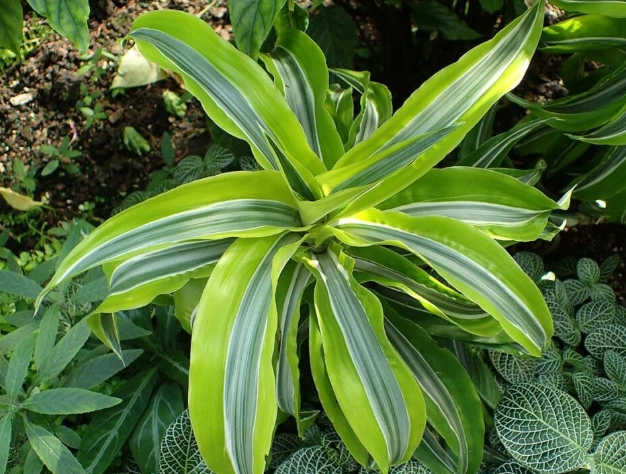
Symptoms of Dracaena Poisoning in Cats
If your cat nibbles on dracaena, symptoms usually show up within a few hours. They can vary based on how much was eaten and the cat's size. Here's what to look for:
- Vomiting: This is the most common sign. It might include plant bits or just bile.
- Excessive drooling: Cats don't normally drool much, so if you see wetness around their mouth, be alert.
- Loss of appetite: Your cat might turn away from food or treats.
- Lethargy: They could seem tired or less active than usual.
- Diarrhea: Less common, but possible in severe cases.
I've heard from vets that some owners mistake these for a simple stomach bug. But if you have dracaena at home, assume the worst until proven otherwise. Early detection matters.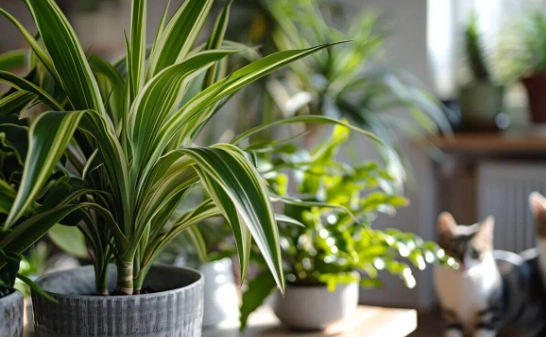
Early Signs to Watch For
Pay attention to subtle changes. Is your cat pawing at its mouth? That could mean irritation from the saponins. Or maybe they're hiding more—cats often do that when they feel unwell. Don't ignore these clues.
Pro tip: Keep a sample of the plant if possible. It helps the vet identify the toxin faster. I always snap a photo with my phone for reference.
What to Do If Your Cat Eats Dracaena
First, don't panic. Panicking doesn't help your cat. Here's a step-by-step plan based on what I've learned from emergency vet visits.
- Remove the plant: Get the dracaena away from your cat immediately. Put it in another room or outside.
- Check for symptoms: Look for vomiting, drooling, or any odd behavior. Note the time—it helps the vet.
- Call your vet or poison control: In the US, the ASPCA Animal Poison Control Center is available 24/7 at (888) 426-4435. Have your cat's weight and details ready.
- Follow vet instructions: They might ask you to bring your cat in or monitor at home. Never induce vomiting unless a professional tells you to.
- Provide supportive care: Keep your cat hydrated and comfortable. Offer water, but don't force it if they're vomiting.
Let me share a story. A friend's cat, Whiskers, ate a few dracaena leaves. They waited overnight, thinking it would pass. Bad move. Whiskers ended up dehydrated and needed IV fluids. The vet bill was steep, and the guilt was worse. Act fast.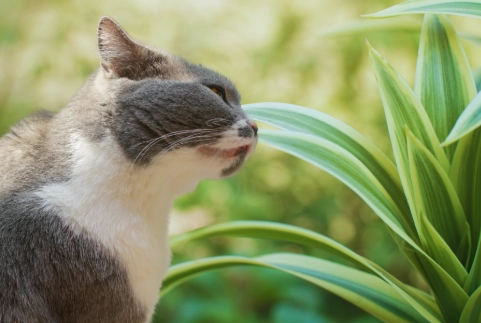
Veterinary Care and Treatment
At the vet, treatment might include fluids to prevent dehydration, anti-nausea meds, or activated charcoal to absorb toxins. In severe cases, hospitalization might be needed. Most cats recover fully with prompt care, but delays can complicate things.
How to Prevent Dracaena Poisoning
Prevention is way easier than treatment. If you're a plant lover and a cat owner, you need a strategy.
- Keep plants out of reach: Place dracaena on high shelves or in rooms your cat can't access. But cats are climbers—mine once scaled a bookcase for a nibble.
- Use deterrents: Sprays with bitter tastes can discourage chewing. Test on a small area first to ensure it's safe.
- Supervise interactions: If your cat is curious about plants, watch them closely. Redirect their attention with toys.
- Educate everyone at home: Make sure family members know the risks. I've seen kids unknowingly give plant leaves to pets.
Some people think fake plants are the answer, but cats might still chew on them. Go for truly safe options.
Safe Plant Alternatives for Cat Owners
You don't have to give up greenery. Many plants are non-toxic to cats. Here are a few I recommend from personal experience:
- Spider Plant (Chlorophytum comosum): Hardy and safe, though some cats might chew it and get a mild upset—it's non-toxic.
- Boston Fern (Nephrolepis exaltata): Adds a lush look without the risk.
- Areca Palm (Dypsis lutescens): Pet-friendly and great for indoor air.
- Cat Grass (wheatgrass): Specifically grown for cats to nibble on. It satisfies their chewing instinct.
Check the ASPCA website for a full list. I keep spider plants around—my cat ignores them, but they're there just in case.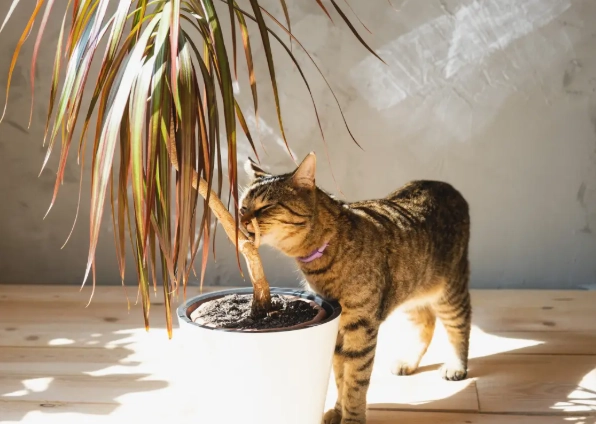
Your Burning Questions Answered
Wrapping up, dracaena and cats don't mix. It's a clear-cut danger that's easy to overlook in a cozy home. If you already have dracaena, consider relocating it or swapping it out for something safer. Your cat's health isn't worth the aesthetic. Stay vigilant, and when in doubt, call a pro. Happy planting—safely!





Leave a comment