Quick Navigation
Let's cut right to the chase, because I know you might be worried. You're sitting there with a bowl of homemade chicken soup, your cat is giving you the look, and you're wondering if a little sip of that savory broth would hurt. Maybe you've even Googled "can cats eat chicken broth with onion" in a panic after your curious feline managed a quick lick from your spoon.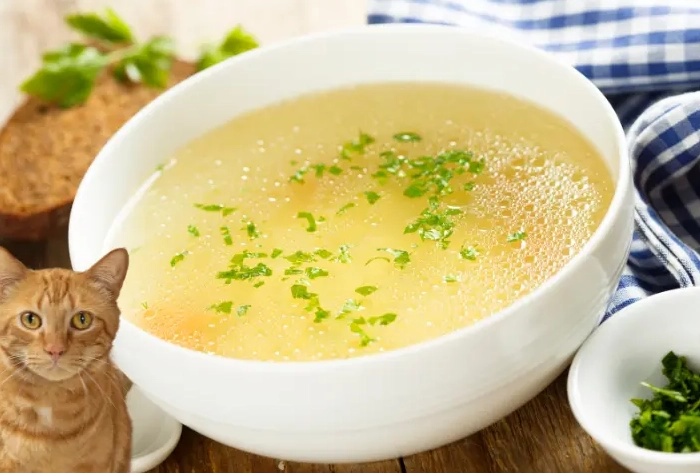
The short, non-negotiable answer is no. Never. Not even a little bit.
If you take away one thing from this entire article, let it be this: Chicken broth that contains onion, onion powder, garlic, or any related allium vegetable is toxic and dangerous for cats. It's not just an "uh-oh, maybe an upset tummy" situation. We're talking about a genuine poison that can cause severe, life-threatening anemia. I've seen the panic in friends' eyes when they realize what they've accidentally given their pet, and it's not a fun place to be. So let's unpack exactly why it's so dangerous, what you need to watch for, and—most importantly—how you can safely share a broth experience with your cat without the fear.
Immediate Action Required
If you suspect your cat has consumed any amount of chicken broth containing onion, onion powder, or garlic, do not wait for symptoms. Contact your veterinarian or an animal poison control center immediately. Time is critical. The ASPCA Animal Poison Control Center (APCC) is a vital 24/7 resource in the US.
Why Onion in Broth is a Silent Threat to Your Cat
You might think, "It's just broth, the onion is cooked down, how bad can it be?" I used to have a similar, dangerously relaxed attitude about "human food" until I dug into the biochemistry of it. The danger has nothing to do with the broth itself and everything to do with the onion.
Onions, garlic, leeks, chives, and shallots all belong to the Allium plant family. They contain compounds called organosulfoxides, specifically N-propyl disulfide and similar chemicals. When a cat (or dog, but cats are more sensitive) ingests these, their body converts them into reactive oxidants.
Here's the scary part: these oxidants attack and damage red blood cells. They literally punch holes in the cell membrane, a process called oxidative hemolysis. The damaged cells, called Heinz bodies, are then removed and destroyed by the body's spleen. This leads to Heinz body anemia, a condition where your cat's red blood cell count plummets. Red blood cells carry oxygen. No oxygen = organ failure.
What makes this particularly insidious in the context of chicken broth with onion is the form. The toxic compounds are water-soluble. When you simmer onions for hours to make a stock or broth, those toxins leach right out into the liquid. So the broth becomes a concentrated vehicle for the poison, even if you've strained out the solid onion pieces. Onion powder is even worse—it's a super-concentrated form. A teaspoon of broth made with onion powder could contain a significant dose of toxin for a small cat.
The Symptoms: What to Watch For After Accidental Ingestion
Symptoms of onion toxicity don't always appear right away. It can take 1-3 days for the anemia to develop enough to show signs. This delay is why immediate veterinary contact is crucial, even if your cat seems fine initially.
Here’s a timeline of what might happen if a cat eats chicken broth with onion:
- First 24 Hours: You might see very little, or some mild gastrointestinal upset like vomiting, diarrhea, or loss of appetite. This is easy to mistake for a simple stomach bug.
- 24-72 Hours: As anemia sets in, the signs become more serious. Your cat will become weak and lethargic. They might retreat and hide. Their gums will turn pale—from a healthy pink to a whitish or yellowish color. This is a major red flag.
- Beyond 72 Hours: In severe cases, breathing becomes rapid and labored (as the body tries to get more oxygen with fewer red blood cells). The heart rate increases. You might see orange or red-tinged urine (hemoglobinuria from the destroyed red cells). Collapse and death can follow if untreated.
The severity depends on the amount of toxin ingested relative to the cat's size. But there's no known safe minimum dose. Some cats are more susceptible than others. Why risk it?
"Okay, I'm Convinced. What Do I Do NOW If My Cat Ate Some?"
Panic doesn't help, but swift, calm action does. Here is your step-by-step guide. Don't skip steps.
- Don't Induce Vomit. Unless specifically instructed by a vet or poison expert. You could cause aspiration, especially if your cat is already stressed.
- Identify the Source. Grab the container of broth. Check the ingredient list. Does it say onion, garlic, onion powder, garlic powder, leek, chives, or "natural flavors" (which can contain these)? Note the brand and how much you think your cat consumed. A rough estimate helps the vet.
- Call for Help Immediately. This is not a "wait-and-see" situation. Call your regular vet. If it's after hours, call an emergency vet clinic. In the US, you can also call the ASPCA APCC at (888) 426-4435. There may be a consultation fee, but it's worth it for expert, immediate guidance. They can advise you on whether you need to rush in or can monitor at home with specific instructions.
- Follow Professional Advice. Your vet may want to see your cat to induce vomiting professionally (if ingestion was very recent), administer activated charcoal to bind any remaining toxin, and start supportive care. They will likely run blood tests to check the red blood cell count and look for Heinz bodies.
The treatment focuses on supporting the body while it clears the toxin and regenerates new, healthy red blood cells. This can involve hospitalization, intravenous fluids, oxygen therapy, and in extreme cases, blood transfusions. It's serious, expensive, and entirely preventable.
The Safe Alternative: How to Give Your Cat Chicken Broth the RIGHT Way
Now for the good news! Plain, unseasoned chicken broth can be a wonderful treat and a useful tool for cat owners. The key is in the preparation. Cats are often drawn to the smell and taste, making it great for:
- Encouraging a picky or sick cat to eat (pour a little over their regular food).
- Adding moisture to their diet, which is excellent for urinary tract health.
- Creating a tasty "soup" treat or using it to hide medication (with your vet's okay).
The golden rule: Only the chicken and the water. Nothing else.
Safe Homemade Cat Chicken Broth Recipe
This is so simple it barely needs a recipe, but here goes:
- Ingredients: Raw or cooked plain chicken (bones removed if cooked, as cooked bones splinter), water. That's it. No salt. No pepper. No vegetables. No herbs.
- Method: Place chicken pieces (breast, thigh, whatever) in a pot. Cover with water. Bring to a boil, then simmer for 1-2 hours. Skim off any foam.
- Straining & Storage: Strain the broth through a fine sieve to remove all solid bits. Let it cool completely. Store in airtight containers in the fridge for up to 4 days, or freeze in ice cube trays for easy single-serving portions.
See? Easy. And you know exactly what's in it. My cat goes nuts when he hears the ice cube tray clink, knowing a broth cube is coming.
Navigating Store-Bought Broths: A Minefield of Hidden Ingredients
Buying broth is trickier. You must become a label detective. The answer to "can cats eat chicken broth with onion" is a hard no, but what about commercial broths?
Here’s a quick comparison to show you what to look for and avoid:
| Ingredient | Safe for Cats? | Why/Why Not |
|---|---|---|
| Chicken, Water | YES | The ideal, pure base. |
| Salt (Sodium) | NO (in high amounts) | Cats have low sodium requirements. Excessive salt can cause electrolyte imbalance, hypertension, and thirst. Look for low-sodium or no-salt-added options. |
| Onion/Garlic (any form: powder, juice, extract) | ABSOLUTELY NOT | Toxic. Causes hemolytic anemia as described above. |
| Natural Flavors | PROCEED WITH CAUTION | This vague term can legally include derivatives of onion or garlic. Unless the brand explicitly states it's free of alliums, avoid it. |
| Yeast Extract | Generally YES | Often used as a flavor enhancer instead of salt. Not toxic to cats. |
| Preservatives, Additives | DEPENDS | Unnecessary for your cat. Simpler is always better. Some cats may have sensitivities. |
My personal stance?
I just don't trust most store-bought broths for cats. The risk of a hidden "natural flavor" containing onion is too high, and the sodium content is almost always excessive. Making your own is cheaper, safer, and gives you peace of mind. If you must buy, look for brands specifically formulated for pets from reputable pet food companies, or very plain, organic bone broths that list only bones, water, and maybe a splash of apple cider vinegar.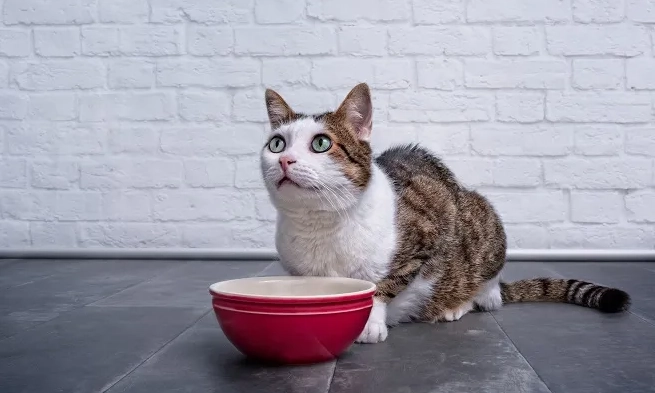
Your Top Questions About Cats and Broth, Answered
Let's tackle some of the specific questions that pop up around this topic. These are the things people really search for after the initial panic.
Any ingestion is cause for concern. The toxic dose is estimated to be about 1 gram of onion per 5 pounds of body weight, but this is not a precise threshold. A few licks of a highly concentrated broth could deliver a significant dose. The safest course is always to call your vet or poison control. They can do a risk assessment based on your cat's weight and the estimated ingestion. Don't gamble with "probably okay."
Absolutely. While onion is the star villain in our main question, your average human broth or stock is a minefield. Garlic is 5 times more potent than onion and just as dangerous. Leeks and chives are in the same toxic family. High levels of salt are very common and unhealthy. Many stocks contain bouillon cubes or pastes which are concentrated salt and flavor bombs, often loaded with onion and garlic powder. Some herbs like certain types of chives or large amounts of others can be irritating. The bottom line: assume human-grade broth is not cat-safe unless you made it yourself with only chicken and water.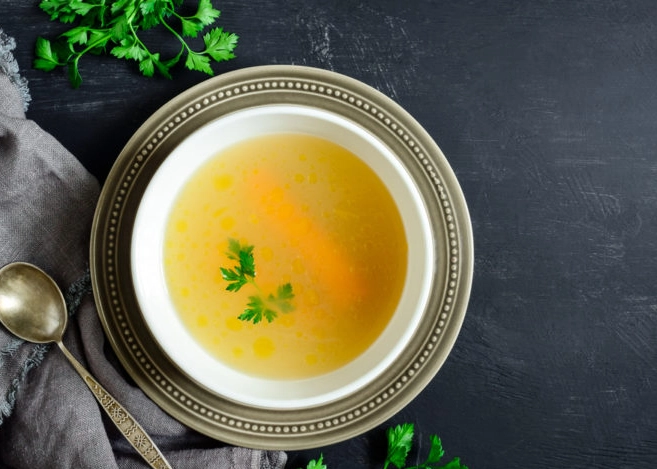
If it's been a week with no symptoms (lethargy, pale gums, rapid breathing), the immediate acute danger has likely passed. The toxin works within a few days. However, repeated exposure to small amounts can cause cumulative damage over time, leading to a chronic, low-grade anemia. This is another reason why the question "can cats eat chicken broth with onion" needs a permanent "no"—it's not just about one big meal, but the slow, sneaky poisoning from "just a taste" every time you make soup.
This is one of the best uses for safe broth! A warm (not hot) tablespoon of plain, salt-free, onion-free chicken broth can be incredibly enticing to a cat who's off their food due to illness, dental pain, or just plain finickiness. It provides hydration and a little nutrition. Always check with your vet first if your cat is seriously ill, but it's a great tool in your kit. The VCA Animal Hospitals notes the importance of encouraging food intake in sick cats, and palatable, aromatic liquids like safe broths can be a key part of that.
The Final Word: Keeping Your Cat Safe and Happy
So, circling back to our central query: can cats eat chicken broth with onion? I hope by now the answer is screamingly clear. It is a significant health risk with no upside. The compounds in onions that make broth flavorful for us are outright poisonous to our feline companions.
But this isn't about living in fear or depriving your cat of a nice treat. It's about smart substitution. The joy of seeing your cat enjoy a special snack doesn't have to come with a side of anxiety. By taking just 20 minutes to simmer some plain chicken in water, you create a powerful, safe, and beloved treat. You control the ingredients. You eliminate the risk.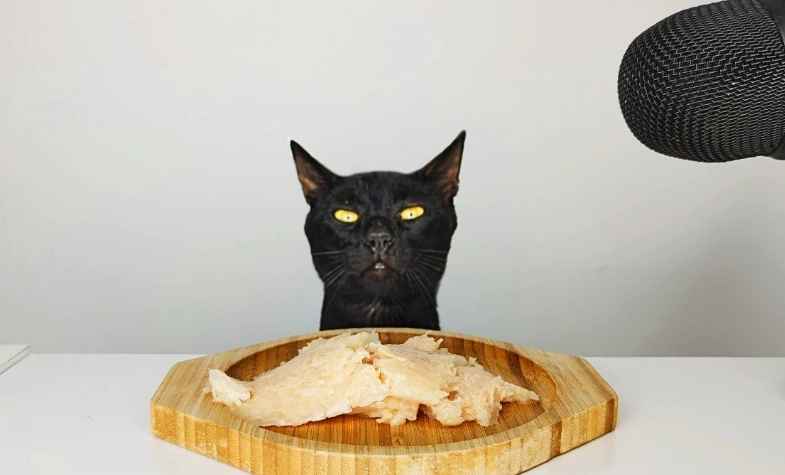
Bookmark this page. Share it with friends who have cats. And next time you're making soup, set aside a little plain chicken and water in a separate pot for your feline sous-chef. They'll thank you with purrs, and you'll have the peace of mind that comes from knowing you're giving them the very best—and safest—care.





Leave a comment