Quick Navigation
- What Exactly Is Fish Oil, and Why Do Cats Need It?
- The Real, Evidence-Backed Benefits of Fish Oil for Cats
- The Other Side of the Coin: Potential Side Effects and Risks
- How to Choose the Best Fish Oil for Your Cat: A Buyer's Checklist
- Dosage and How to Actually Give It to Your Cat
- Answering Your Top Questions About Fish Oil for Cats
- Wrapping It Up: Making an Informed Choice for Your Cat
Let's be honest. You're probably here because you've heard the buzz. Maybe your friend swears by it for their cat's fur. Or you read a forum post where someone claimed it worked miracles for their older cat's stiff joints. The term "fish oil for cats benefits" is everywhere these days. But what's the real story behind the hype? Is it just another pet supplement fad, or is there solid science backing it up?
I've been down this rabbit hole myself. My own cat, a dignified gentleman named Mochi, started getting a bit dandruffy and his coat lost some of its luster as he hit middle age. My vet was the one who first mentioned omega-3s. That sent me on a deep dive—reading veterinary journals, comparing products until my eyes crossed, and yes, trying a few different options on Mochi (with varying degrees of success, I might add).
What I found was a mix of genuinely impressive benefits, some overblown claims, and a lot of confusion about the details. So I wanted to put together a guide that cuts through the noise. This isn't just a list of potential fish oil for cats benefits. It's a practical roadmap. We'll talk about what fish oil actually is, what the research really says it can (and can't) do, how to pick a product that isn't a waste of money, and crucially, how to avoid the pitfalls that can turn a good thing sour.
What Exactly Is Fish Oil, and Why Do Cats Need It?
At its core, fish oil is fat extracted from the tissues of oily fish like salmon, mackerel, sardines, and anchovies. The magic isn't in the oil itself, but in two specific types of omega-3 fatty acids it contains: EPA (eicosapentaenoic acid) and DHA (docosahexaenoic acid).
Think of these as super-specialized building blocks. Cats, being obligate carnivores, are designed to get certain nutrients from animal sources. While their bodies can produce some fats, they cannot efficiently create sufficient amounts of EPA and DHA on their own. In the wild, they'd get these from eating whole prey—the brains, eyes, and organs are particularly rich in them. The average modern cat eating commercial kibble? They're often coming up short.
Key Point: It's not about giving your cat "oil." It's about supplementing with the specific, essential long-chain omega-3 fatty acids (EPA and DHA) that their biology requires but their modern diet often lacks.
This fundamental deficiency is where the conversation about benefits of fish oil for cats truly begins. You're not just adding something extra; you're helping to fill a nutritional gap inherent to many pet diets today.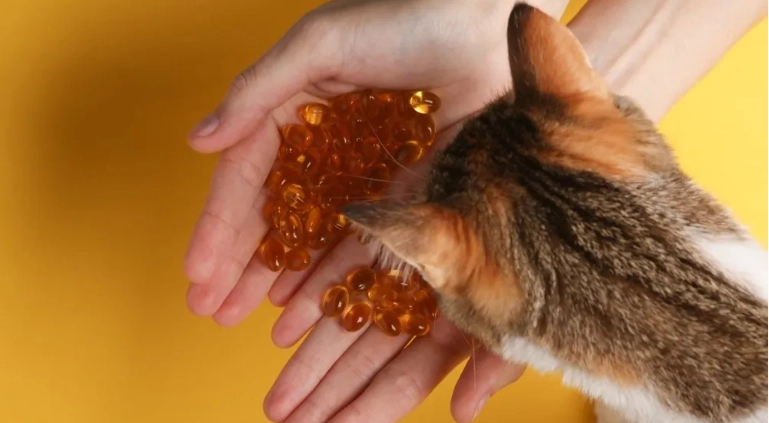
The Real, Evidence-Backed Benefits of Fish Oil for Cats
Okay, let's get into the good stuff. What can you realistically expect? The benefits aren't mythical, but they are specific. They work by reducing systemic inflammation, which is at the root of many chronic issues, and by supporting cellular health throughout the body.
Skin and Coat Health: The Most Noticeable Change
This is often the first benefit people see, and it's strongly supported. Omega-3s help strengthen the skin's barrier, improve hydration, and reduce inflammatory responses that cause itching. For cats with allergies, environmental sensitivities, or just dry, flaky skin, this can be a game-changer.
Mochi's dandruff cleared up within a few weeks. But more than that, his coat became incredibly soft—the kind of soft you can't stop petting. It also seemed thicker and had a healthier sheen. This isn't just cosmetic. A healthy coat is a sign of a healthy cat, and less itching means less scratching, which means fewer sores and potential infections.
Joint Health and Mobility Support
This is a huge one, especially for senior cats or larger breeds prone to arthritis. Inflammation in the joints causes pain and stiffness. EPA and DHA are potent natural anti-inflammatories. Studies in dogs and anecdotal evidence from vets and cat owners strongly suggest the same effects in felines.
It's not a cure for arthritis, but it can be a powerful part of a management plan. Think of it as making the joint environment less hostile. You might notice your older cat jumping onto the couch a bit more easily, or being less hesitant to use the stairs. The benefits of fish oil for cats with joint issues are about improving quality of life and comfort, which is everything.
Kidney and Heart Health Support
Now we're getting into the less visible but critically important areas. For kidney health, the anti-inflammatory properties of fish oil may help protect the delicate filtering units in the kidneys. Some veterinary studies have indicated that omega-3 supplementation can help slow the progression of chronic kidney disease (CKD) in cats by reducing blood pressure and protein loss in urine. The Cornell Feline Health Center notes the importance of managing CKD with dietary strategies, which often include omega-3s.
For the heart, DHA and EPA support healthy cell membrane function in cardiac tissue and can help maintain normal heart rhythm and blood pressure. They're also thought to have positive effects on blood lipid profiles. While you should always follow your vet's specific advice for a cat with heart conditions, omega-3s are frequently part of the supportive nutritional conversation.
Brain and Cognitive Function
DHA is a major structural component of the brain. It's crucial for brain development in kittens and for maintaining cognitive function in aging cats. Some research points to omega-3 supplementation potentially helping senior cats with signs of cognitive decline—think confusion, disorientation, or changes in interaction. Keeping their brain cells healthy and communication between neurons firing smoothly is a long-term benefit that's hard to see but profoundly important.
Anti-Inflammatory Effects for Overall Wellness
This is the umbrella under which many of the other benefits fall. Chronic, low-grade inflammation is linked to a host of problems. By providing a dietary source of natural anti-inflammatories, you're essentially helping your cat's body operate in a calmer, more balanced state. This foundational support is why the fish oil for cats benefits list seems so diverse—it's addressing a root cause.
My Take: Don't expect a magic overnight transformation. The skin and coat changes can be relatively quick (a few weeks to a couple months). The deeper benefits for joints, kidneys, and brain are more about long-term, preventative support and management. Consistency is key.
The Other Side of the Coin: Potential Side Effects and Risks
I'd be doing you a disservice if I only sang praises. Fish oil isn't a harmless treat. Getting it wrong can cause problems, which is why understanding these risks is part of reaping the fish oil for cats benefits safely.
- Gastrointestinal Upset: This is the most common issue. Too much too fast, or a low-quality oil, can cause diarrhea, vomiting, or excessive gas. Always start with a tiny dose and work up slowly over a week or two.
- Calorie Load and Weight Gain: Fish oil is fat, and fat is calorie-dense. If you're pouring a supplement on top of your cat's regular meals without adjusting their food portions, you could inadvertently cause weight gain. This is a sneaky one.
- Blood Thinning: In very high doses, omega-3s can have a mild blood-thinning effect. This is a critical consideration if your cat is scheduled for surgery or is already on medication like aspirin or clopidogrel. Always inform your vet about any supplements your cat is taking.
- Vitamin E Deficiency: High levels of polyunsaturated fats (like fish oil) can increase the body's need for the antioxidant Vitamin E. Most good quality supplements have added Vitamin E (look for "mixed tocopherols" on the label) to counteract this.
- Rancidity and Toxins: This is my biggest gripe with some products. Fish oil is highly susceptible to oxidation (going rancid). Rancid oil is not only ineffective but can be harmful, introducing free radicals into your cat's system. Furthermore, poor sourcing can lead to contaminants like heavy metals (mercury) or PCBs. The source and processing matter immensely.
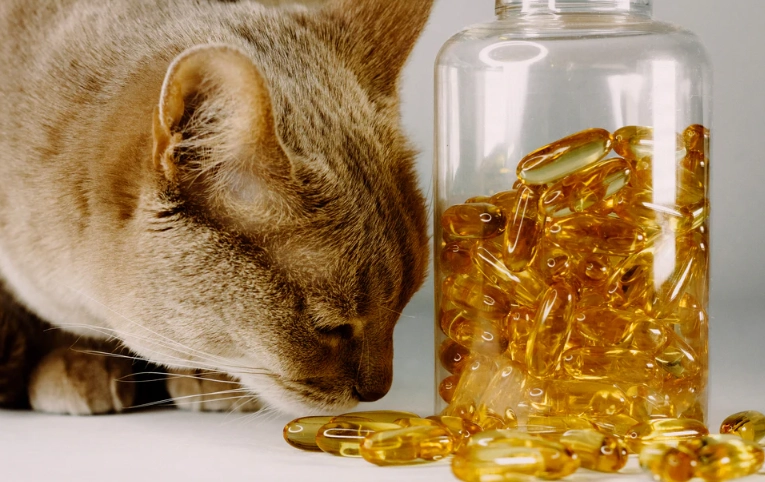
Warning: Never give human fish oil supplements designed for adults to your cat without explicit vet guidance. The dosage and potential additives (like flavors or other vitamins) may be inappropriate. Also, avoid cod liver oil unless specifically directed—it's very high in Vitamins A and D, which can be toxic to cats in excess.
How to Choose the Best Fish Oil for Your Cat: A Buyer's Checklist
The supplement aisle (or website) is a jungle. Here’s how to navigate it and find a product that delivers on the promise of fish oil for cats benefits without the downsides.
1. Source and Type: It's Not All the Same
Where the oil comes from determines its EPA/DHA profile and purity.
| Source | Pros | Cons | Best For |
|---|---|---|---|
| Wild-Caught Small Fish (Sardine, Anchovy, Krill) | Typically lower in heavy metals due to short lifespans and low position on food chain. Sustainable options available. | Can have a stronger smell. Krill oil is often more expensive. | Overall balance, purity concerns. |
| Salmon Oil | Often palatable for cats. May contain some natural astaxanthin (an antioxidant). | Larger fish can accumulate more toxins; sourcing and purification are critical. | Cats who are picky about taste. |
| Green-Lipped Mussel Oil | Contains unique ETA fatty acid, praised for joint support. Often sustainably farmed. | Usually more expensive than standard fish oil. May have a distinct smell. | Cats with primary joint/arthritis issues. |
I personally lean towards oils sourced from wild-caught sardines or anchovies. The sustainability and lower contaminant risk feel like the right balance to me.
2. Form: Liquid, Capsule, or Pump?
Liquids are easiest for precise dosing and mixing into food. Look for dark glass bottles—light degrades oil. Pumps are convenient but can introduce air, speeding up rancidity. Capsules prevent oxidation but can be a hassle to pierce or hide in food. For most cat owners, a liquid in a dark bottle is the most practical starting point.
3. The Label Decoder: What to Look For (and Avoid)
- LOOK FOR: "Molecularly Distilled" or "Pharmaceutical Grade." This means it's been purified to remove impurities.
- LOOK FOR: Specific amounts of EPA and DHA listed per serving (e.g., "250mg EPA, 180mg DHA per mL"). This tells you the active ingredient potency. A label that just says "1,000mg of fish oil" is useless.
- LOOK FOR: "Contains mixed tocopherols (Vitamin E)" as a preservative.
- AVOID: Products with artificial flavors, colors, or sweeteners (like xylitol, which is toxic to pets).
- AVOID: Oils in clear plastic bottles. Just don't.
- AVOID: Vague sourcing like "marine oil" or "fish blend." Transparency is key.
4. Third-Party Testing: The Gold Standard
The most trustworthy brands will have their products tested by an independent lab (like IFOS, NSF, or ConsumerLab) for potency (to verify EPA/DHA levels), purity (to confirm heavy metals and toxins are below dangerous levels), and oxidation (to ensure it's not rancid). They'll often make these Certificates of Analysis (CoAs) available on request. This is a sign of a company that stands behind its product.
Dosage and How to Actually Give It to Your Cat
This is where many well-intentioned plans fall apart. Too little does nothing. Too much causes issues. And if your cat refuses it, the bottle just gathers dust.
The Golden Rule: Always start with your veterinarian. They can calculate a dose based on your cat's weight, health status, and specific goals (e.g., general wellness vs. managing arthritis). A common general maintenance dosage range vets suggest is about 20-55mg of combined EPA/DHA per pound of body weight daily. For a 10lb cat, that's roughly 200-550mg of combined EPA/DHA.
Important: That's mg of EPA/DHA, not mg of total fish oil! Use the numbers on your specific product's label to do the math.
The Introduction Phase: Start with 1/4 of the target dose for 3-4 days. If stools are normal, go to 1/2 dose for another few days, then 3/4, then the full dose. This gives your cat's system time to adjust.
Mixing Strategies for the Picky Eater
Mochi was suspicious at first. Here’s what worked (and what didn't):
- The Winner: Mixing it thoroughly into a small amount of super-smelly, wet food pâté (like a tuna or salmon variety). I'd give this "special sauce" meal first, then offer his regular food. He usually licked the bowl clean.
- The Backup Plan: Putting the dose on a clean plate and letting him lick it up like a treat. Some cats will. Mine sometimes would, if he was in the mood.
- The Fail: Drizzling it on top of dry kibble. It just pooled at the bottom of the bowl and made the few pieces it touched unappealingly soggy. Not recommended.
- Pro Tip: If using capsules, prick them with a pin and squeeze the contents onto food. Store opened capsules in the fridge.
If the fishy smell is a turn-off for your cat, try refrigerating the oil. Cold oil has a less intense aroma.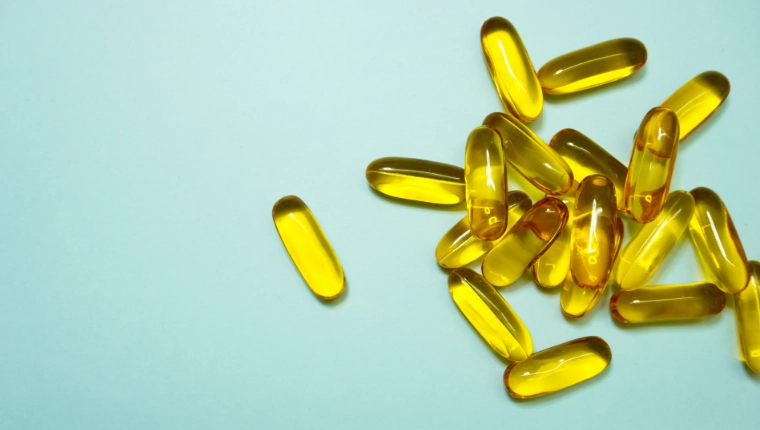
Answering Your Top Questions About Fish Oil for Cats
Mostly, but not exactly. Fish oil is the most common and direct source of the important marine-based omega-3s (EPA and DHA). "Omega-3" is a broader category that includes ALA (from plants like flaxseed), which cats convert very poorly into EPA and DHA. So when we talk about effective omega 3 for cats, we're specifically talking about supplements providing pre-formed EPA and DHA, usually from fish, krill, or mussel oil.
You can, but with major caveats. A plain, water-packed sardine (no salt, no oil) once a week is a nice treat and provides some omega-3s. However, it's hard to control the dose consistently, and you're also adding extra calories and phosphorus (a concern for cats with kidney issues). For therapeutic, consistent dosing, a purified supplement is more precise and safer for daily use.
Skin and coat improvements can be noticeable in 3-8 weeks. For mobility or inflammatory issues, it may take 2-3 months of consistent use to observe clear changes. The cognitive and internal organ benefits are long-term and preventative—you're unlikely to "see" them, but you're supporting health from the inside.
Yes. Cats with known bleeding disorders, those on anticoagulant medications, or those with a known fish allergy should avoid it. Cats with pancreatitis (inflammation of the pancreas) may not tolerate the high fat content, especially during a flare-up. This is why the vet conversation is non-negotiable.
Salmon oil is a type of fish oil. It's like saying "fruit" versus "apple." The debate is about the source fish. Salmon oil is often from farmed or wild salmon, while generic "fish oil" is often from smaller fish like sardines. The choice comes down to the specific EPA/DHA profile, purity, sustainability, and your cat's taste preference.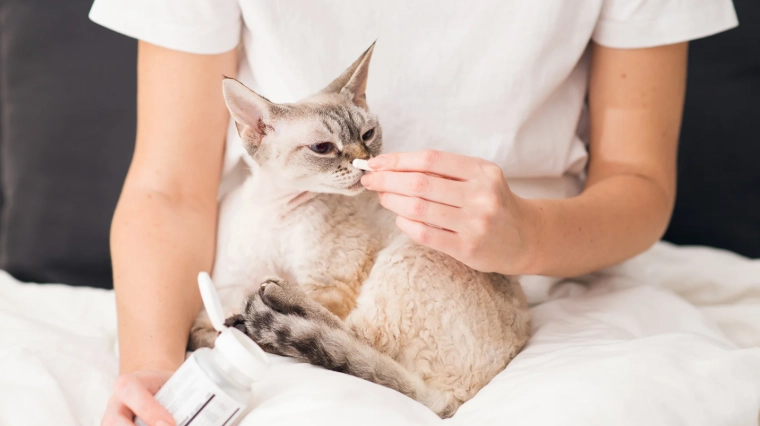
Wrapping It Up: Making an Informed Choice for Your Cat
Look, the world of pet supplements can feel overwhelming. But when you break it down, the core idea behind supplementing with fish oil is simple: you're providing essential nutrients that the modern feline diet often misses.
The potential fish oil for cats benefits—from a shinier coat and less shedding to quieter joints and better long-term organ support—are real and backed by a growing body of veterinary science. But they aren't automatic. They hinge on choosing a high-quality, pure product, dosing it correctly, and introducing it patiently.
Don't just grab the cheapest bottle off the shelf.
Do the label reading. Talk to your vet. Start slow. Pay attention to how your cat responds. The goal isn't to chase a miracle, but to provide a consistent, foundational layer of nutritional support that helps your cat feel their best, inside and out. For Mochi, it made a visible difference in his comfort and appearance, and that's a benefit I'm happy to stand behind.
Remember, it's one tool in the toolbox of good cat care—not a magic wand. But used wisely, it can be a remarkably effective one.



Leave a comment