In This Guide
I still remember the first time I took my rescue dog, Buddy, for a drive. Within ten minutes, he was drooling, then he threw up all over the back seat. It wasn't just messy—it was heartbreaking. If you're dealing with car sickness in your dog, you're not alone. Up to 20% of dogs experience motion sickness, according to veterinary surveys, and it's more common in puppies but can persist into adulthood. This guide cuts through the generic advice to give you practical, vet-backed strategies that actually work.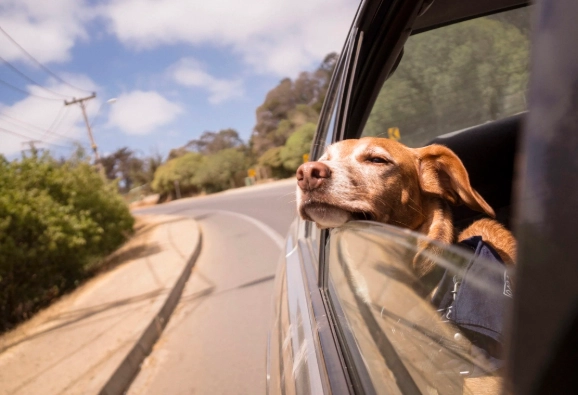
What Exactly Causes Car Sickness in Dogs?
Most people think it's just about the motion. But it's often a mix of physical and psychological factors. Understanding this is key to fixing it.
The Inner Ear Connection
Dogs, like humans, have a vestibular system in their inner ear that helps with balance. When the car moves, the signals from their eyes (seeing stationary objects) and inner ear (sensing motion) conflict. This mismatch can trigger nausea. Puppies are especially prone because their vestibular system isn't fully developed until around 6 months old.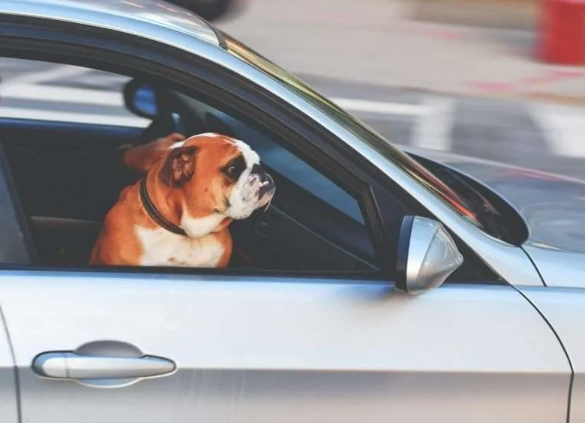
Anxiety and Fear: A Vicious Cycle
Here's where many owners get stuck. If a dog associates car rides with vomiting or stress—maybe from a rough first trip to the vet—they develop anxiety. The anxiety itself can cause nausea, creating a loop. I've seen dogs start panting just from hearing car keys jingle. The American Veterinary Medical Association notes that behavior modification is crucial for anxiety-related motion sickness.
Other Contributing Factors
Poor ventilation, heavy meals before travel, or even the smell of the car (like air fresheners) can worsen symptoms. Some dogs are more sensitive due to breed traits, but it's usually individual. For example, brachycephalic breeds like Pugs might struggle more with breathing in cars, amplifying discomfort.
Spotting the Signs: Symptoms You Shouldn't Ignore
Vomiting is the obvious one, but early signs are subtler. Catching these can prevent a full-blown episode.
- Excessive drooling or lip-licking: This often starts within minutes of the car moving.
- Restlessness or pacing: Your dog might shift around constantly, unable to settle.
- Whining or yawning: These are stress signals, not just boredom.
- Lethargy or depression: Some dogs shut down, becoming unusually quiet.
- Final stages: Vomiting, diarrhea, or even panic attacks.
If you see early signs, pull over safely and take a break. Ignoring them trains your dog to dread the car.
Your Action Plan: Preventing Car Sickness Before It Starts
Prevention beats cure every time. This isn't about quick fixes—it's a step-by-step process.
Gradual Desensitization: The Key to Success
This method rewires your dog's brain to see the car as positive. Start with the car parked and engine off. Let your dog explore it, offering high-value treats like chicken pieces. Do this for 5-10 minutes daily for a week. Then progress to sitting in the car with the engine on, then short drives around the block. Always end on a good note, even if it's just a 30-second trip. Consistency is everything; skipping days can set you back.
Pre-Ride Preparations
- Fasting: Don't feed your dog a full meal 2-3 hours before travel. A small snack is okay to prevent low blood sugar.
- Comfort: Use a well-ventilated crate or a dog seatbelt to reduce motion. A familiar blanket can help.
- Distraction: Offer a favorite toy or chew during the ride, but avoid interactive toys that require head movement.
- Route planning: Choose smooth roads and avoid stop-and-go traffic when possible.
Comparison of Prevention Techniques
| Technique | How It Works | Best For | Time to See Results |
|---|---|---|---|
| Gradual Desensitization | Reduces anxiety by positive association | Dogs with fear or past trauma | 2-8 weeks |
| Fasting Before Travel | Minimizes stomach contents to reduce vomiting | All dogs, especially puppies | Immediate |
| Using a Crate | Limits visual motion and provides security | Anxious or restless dogs | Immediate |
| Calming Supplements (e.g., L-theanine) | Eases anxiety without sedation | Moderate anxiety cases | 30-60 minutes per dose |
I've found that combining desensitization with fasting works best for most dogs. But if your dog still struggles, don't blame yourself—some cases need extra help.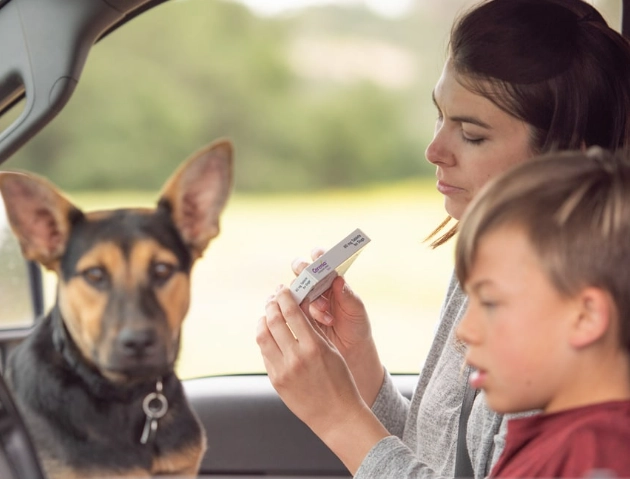
When Prevention Isn't Enough: Treatment Options
If prevention isn't cutting it, treatments range from medications to natural remedies. Always consult your vet first.
Over-the-Counter and Prescription Medications
Vets often prescribe medications like maropitant (Cerenia), which blocks nausea signals in the brain. It's safe for dogs over 8 weeks and can be given ahead of travel. Antihistamines like meclizine are sometimes used, but dosage is critical—too much can cause drowsiness or hyperactivity. Never use human drugs like Dramamine without vet guidance; they can have unpredictable effects.
Natural Remedies and Supplements
- Ginger: Small amounts of ginger powder or treats can soothe nausea. Studies show it helps with motion sickness in humans, and many vets endorse it for dogs.
- CBD oil: Some owners report reduced anxiety, but research is limited. Choose products specifically for pets and start with low doses.
- Acupressure bands: These wristbands apply pressure to nausea points. They work for some dogs, but results vary.
For Buddy, we used a combination of ginger treats and gradual desensitization. After three months, he could handle hour-long trips without issues. It wasn't overnight, but the effort paid off.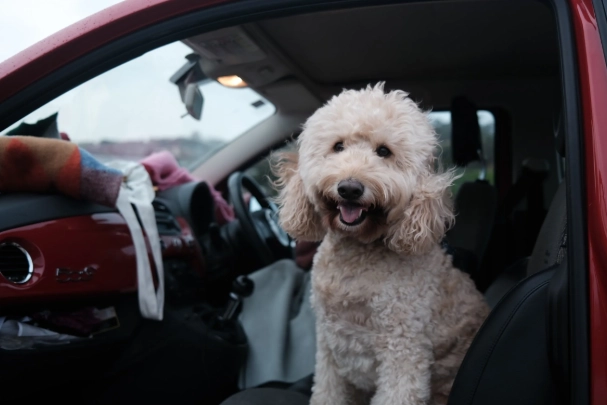
Your Top Questions Answered (FAQ)
Car sickness in dogs doesn't have to be a lifelong struggle. By understanding the causes, recognizing early symptoms, and implementing a tailored prevention plan, you can turn stressful rides into enjoyable adventures. Start small, be patient, and don't hesitate to seek veterinary advice. Your dog will thank you—maybe with a wagging tail instead of a mess.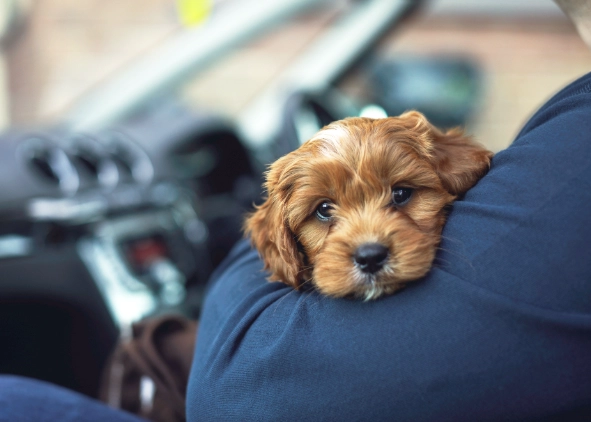


Leave a comment