What’s Inside This Guide?
You’ve got the crate, the toys, the food. You’re ready for your new puppy. But is your home ready? I learned the hard way with my first dog, a Labrador named Finn. Within his first week, he chewed through a phone charger (thankfully unplugged), tried to eat a houseplant, and found a forgotten sock under the bed that became an expensive intestinal obstruction. The vet bill was a harsh lesson. Proofing isn’t about being paranoid; it’s about seeing the world through your puppy’s eyes—a world full of fascinating, chewable, potentially deadly things.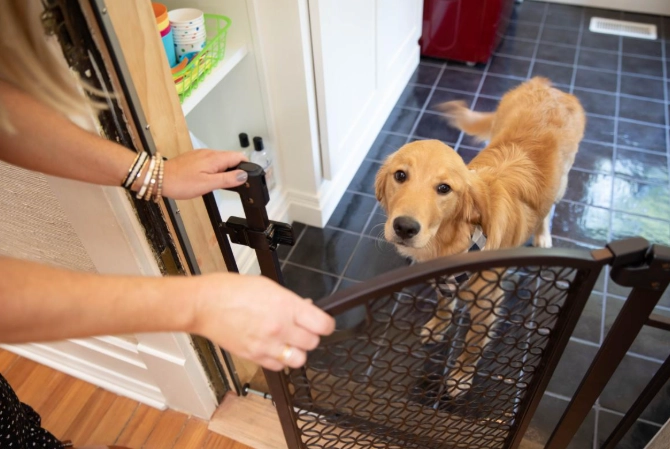
Why Proofing Isn't Optional
Puppies explore with their mouths. It’s how they learn about texture, taste, and their environment. Combine that with sharp baby teeth and boundless curiosity, and your home becomes a giant, unsupervised chew toy. The American Society for the Prevention of Cruelty to Animals (ASPCA) Animal Poison Control Center lists thousands of common household items that are toxic to pets. The goal of proofing isn’t to create a sterile bubble, but a safe environment where your puppy can learn without constant “no!”s or trips to the emergency vet.
The Non-Consensus View: Most guides tell you to “put things away.” The real trick is to get down on the floor. Crawl around each room. You’ll be shocked at what you see from six inches off the ground—dust bunnies with staples, loose carpet threads, that one baseboard corner that’s already splintered. This “puppy-level audit” is the single most important step almost everyone skips.
The Puppy Perspective: A Floor-Level Inventory
Before you even start room-by-room, do this general sweep. These are the silent hazards.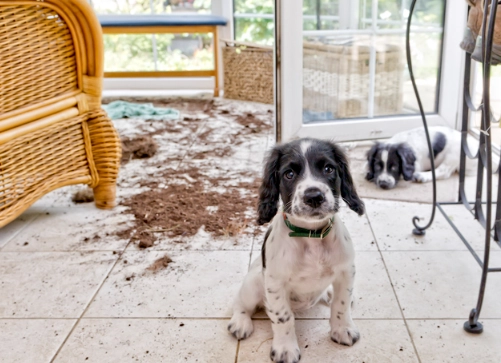
Universal Hazards Checklist:
Electrical Cords: The holy grail for teething puppies. They’re the perfect chew texture. Use cord covers, but better yet, block access with furniture or use cord shorteners to keep them off the floor.
Trash Cans: Kitchen, bathroom, office—all of them. Get cans with secure, locking lids or store them inside a latched cabinet.
Small Objects: Coins, hair ties, paperclips, kids’ toys (LEGOs are a nightmare), rubber bands. If it fits in a puppy’s mouth, it’s a choking hazard.
Toxic Plants: Lilies, sago palms, philodendrons, aloe vera. Check the ASPCA’s toxic plant list and remove or place them completely out of reach.
Windows & Blinds: Loose blind cords can strangle. Ensure they are tied up high. Make sure window screens are secure.
Room-by-Room Proofing Checklist
Now, let’s get specific. This isn’t just about hiding things; it’s about managing access.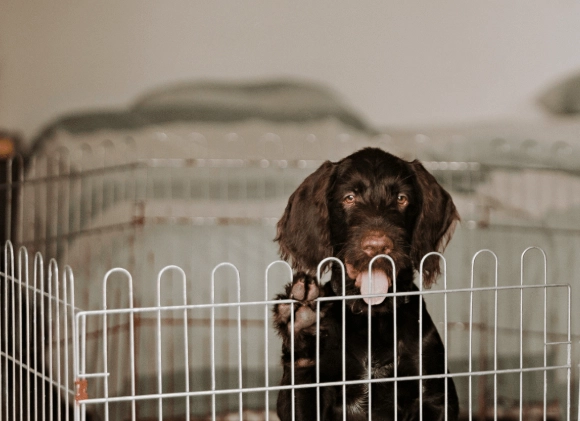
1. The Kitchen & Dining Area
The heart of the home and a minefield of smells. This is where most counter-surfing and trash-raiding ambitions are born.
Countertops: Never assume a food item is “safe” to leave out. Onions, garlic, grapes, chocolate, and anything with xylitol (common in sugar-free gum and some peanut butters) are highly toxic. But even a stick of butter can cause pancreatitis.
Lower Cabinets: Use childproof latches. This is where cleaning supplies, trash bags, and plastic wrap (a serious intestinal blockage risk) often live.
Appliances: Keep dishwasher and oven doors closed. A puppy can climb into an open dishwasher to lick plates. The kitchen trash can is the #1 target—invest in a sturdy, lidded model.
2. The Living Room
Where you relax, and your puppy finds endless entertainment.
Furniture: Look underneath sofas and chairs. That’s where remote controls, pens, and forgotten snacks collect. Consider using furniture blockers or getting down there weekly to clean it out.
Entertainment Centers: A jungle of wires. Bundle and conceal them behind furniture or in cord management boxes. Secure power strips off the floor.
Fireplace: Use a sturdy screen. Ashes and certain fake logs can be toxic.
Houseplants: Move them to high shelves or hanging planters. Even non-toxic plants can cause stomach upset and make a huge mess.
3. The Bedroom & Home Office
Personal spaces full of personal hazards.
The Floor: Socks, shoes, and underwear are like puppy magnets. Get a hamper with a lid and be religious about picking up clothes.
Nightstands: Medications, lotions, lip balms (often contain xylitol), and earplugs must be in drawers, not on top.
Office Supplies: Pens, staples, paper clips, push pins. Keep them in drawers. Be vigilant about dropped items.
Charging Cables: Phones, laptops, tablets. When not in use, unplug them and put them away. A puppy can chew through one in seconds.
4. The Bathroom
A small room with concentrated dangers.
Medications: Both prescription and over-the-counter (ibuprofen, acetaminophen). Keep them in a high cabinet, ideally behind a lock.
Cleaning Products: Toilet bowl cleaners, bleach, drain openers. Store them under the sink with a childproof latch.
Toilet: Keep the lid down. Toilet bowl cleaners leave residue in the water, and a small puppy could fall in.
Trash: Feminine hygiene products, dental floss, cotton swabs—all serious blockage risks. Use a can with a secure lid.
5. The Garage & Utility Room
Often the most dangerous place in the house. Consider this area completely off-limits unless you are directly supervising.
Chemicals: Antifreeze (which tastes sweet but is deadly), pesticides, fertilizers, paint, motor oil. Store them on high, locked shelves.
Tools: Sharp objects, nails, screws. Keep everything in sturdy toolboxes.
Small Spaces: Puppies can crawl behind washers, dryers, or water heaters. Block these gaps.
The Ongoing Proofing Mindset
Proofing isn’t a one-time event. It’s a habit. As your puppy grows, new hazards appear (they can reach the kitchen counter at about 6 months!). Regularly reassess from their new height. The goal is to pair a safe environment with positive training—teaching “leave it” and providing plenty of approved chew toys—so your dog learns what is and isn’t theirs.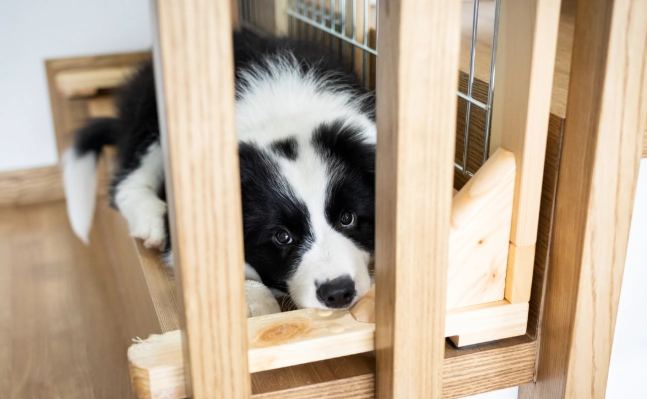
Your Proofing Questions Answered
The floor-level and behind furniture. We tend to puppy proof at our eye level. Get on your hands and knees and crawl around. You’ll find forgotten power strips behind the TV stand, loose baseboard corners perfect for chewing, and that single dropped pill that rolled under the couch. This “puppy’s-eye view” is the single most effective proofing step most people skip.
Cord covers are a band-aid. The real fix is management and redirection. Use furniture to block access, run cords through PVC piping anchored to the wall, or use bitter apple spray as a deterrent. More importantly, never leave a puppy unsupervised in a room with accessible cords. Always provide an approved, high-value chew toy like a frozen Kong when they’re in that area to redirect the chewing instinct to something appropriate.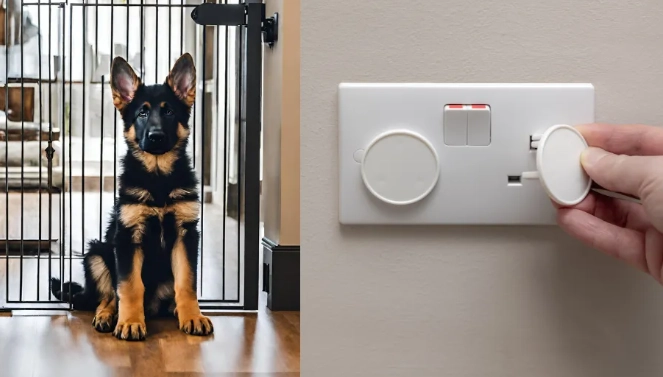
Think in phases, not a fixed timeline. Intensive proofing is crucial for the first 6-12 months during peak teething and exploration. However, some measures become permanent. Dogs retain curiosity. Items like trash cans, cleaning supplies, and medications should always be secured. As your dog matures and learns reliable “leave it” and “drop it” commands, you can relax on some things, but the foundational safety habits should stay.
Absolutely. Onions, garlic, grapes, raisins, and anything with xylitol (common in sugar-free gum and peanut butter) are highly toxic and can be fatal. But even “safe” foods like a whole avocado (pit is a choking hazard) or a bag of raw bread dough (can expand in the stomach) pose serious risks. The rule is simple: no food is ‘safe enough’ to leave unattended. Assume your puppy will counter-surf and act accordingly.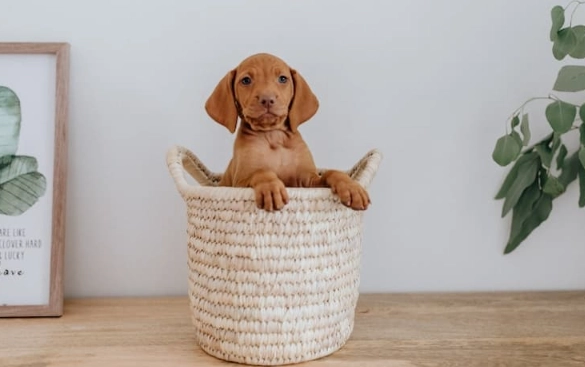

Leave a comment