Let's be honest. Your dog's humping is awkward. It's embarrassing when guests are over, stressful at the dog park, and just plain confusing. You've probably tried saying "no" or pushing him off, only to see him do it again five minutes later. Here's the truth most articles won't tell you: Stopping humping isn't about suppression; it's about communication and redirection. As a trainer, I've seen this behavior derail from a simple fix to a major issue because owners focus on the symptom, not the cause.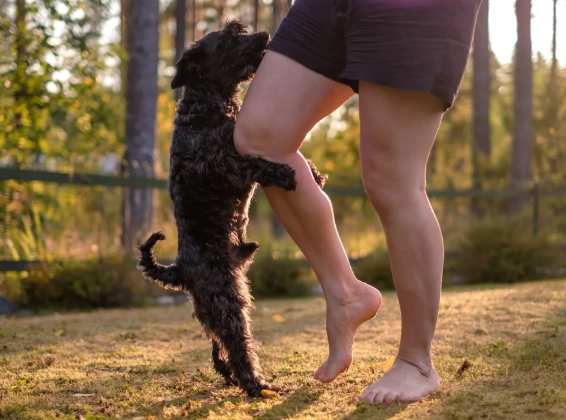
What You'll Learn in This Guide
Why Do Dogs Hump? It's Not Just About Sex.
This is the biggest misconception. While sexual motivation can be a factor, especially in intact adolescents, it's often the least common reason in adult, neutered pets. Mounting is a natural canine behavior with a wide range of triggers.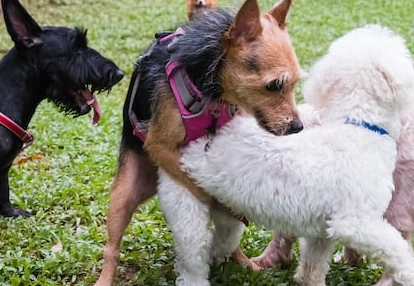
Over-Excitement/Arousal: This is the number one cause I see in my practice. The dog's system is flooded with adrenaline and cortisol. Play gets too rowdy, the doorbell rings, a new person arrives. They don't know how to handle the big feelings, so humping becomes an outlet. It's like a toddler having a meltdown when they're overtired.
Stress & Anxiety: Counterintuitive, but true. A stressed dog might mount as a self-soothing, displacement behavior. Think of it as a canine coping mechanism for situations they find uncomfortable. Changes in routine, loud noises, or even subtle social tension can trigger it.
Social Interaction & Play: For some dogs, especially those who weren't well-socialized, humping is a clumsy attempt to initiate or control play. It's a way of saying, "Hey, interact with me!" or "I'm in charge here."
Attention-Seeking: If every humping episode results in you yelling, chasing, or physically engaging with your dog, you've just taught him a fantastic way to get your undivided attention. Negative attention is still attention.
A Key Insight: Pay attention to the context. Does it happen during high-energy play? When you're distracted on the phone? Around specific people or dogs? The context is your roadmap to the root cause.
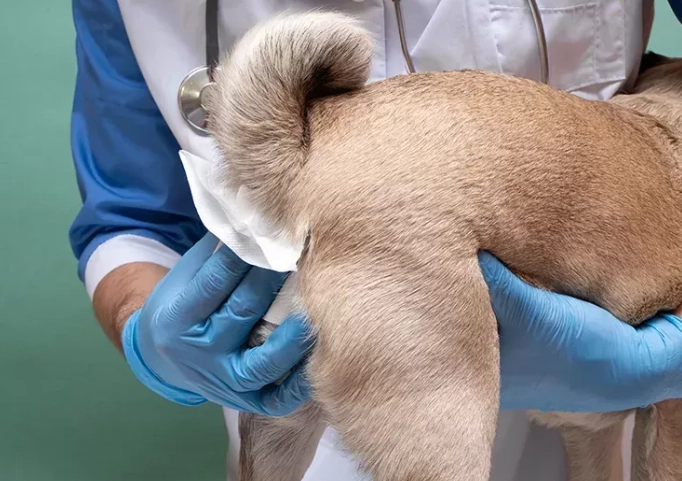
Medical Issues: Never rule this out. Skin allergies, urinary tract infections, impacted anal glands, or even hormonal imbalances can cause irritation or discomfort that leads to mounting. The American Veterinary Society of Animal Behavior (AVSAB) always recommends a vet check to rule out pain or medical causes for any new or sudden behavior change.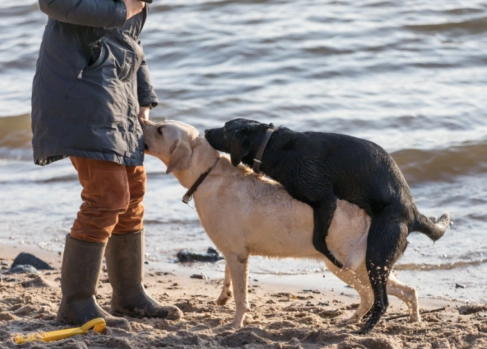
How to Stop Dog Humping: A Step-by-Step Action Plan
Throwing a blanket over the problem doesn't work. You need a strategy. This plan focuses on management first, then training.
Step 1: Become a Detective (Identify the Trigger)
For one week, keep a simple log. Note the time, what happened just before, what was humped, and what you did. Patterns will emerge. Is it always during the 5 PM zoomies? When Uncle Bob visits? When the neighbor's dog walks by the window? This data is gold.
Step 2: Interrupt & Redirect (The Core Technique)
Forget yelling. Your goal is to calmly interrupt the behavior and give your dog a better, incompatible alternative.
- The Interruption: Use a neutral, calm cue. A simple "Oops!" or "Ah-ah" works. You can also calmly walk over and gently guide him away with his leash (if he's on one). The key is zero emotional charge.
- The Redirection: This is the critical part. Immediately ask for a behavior that is physically impossible to do while humping. The best ones are:
"Go to your mat/bed" – This creates physical and mental space.
"Find it!" – Toss a handful of kibble on the floor for him to sniff out. Sniffing is calming.
"Sit" or "Down" – Followed by a high-value treat like a piece of chicken or cheese.
You're not punishing the humping. You're saying, "That behavior doesn't work. This behavior gets you good stuff."
Step 3: Manage the Environment (Set Them Up for Success)
While you train, prevent rehearsals of the bad behavior.
- Use a leash indoors during known trigger times (like when guests arrive). It gives you gentle control without grabbing.
- Provide ample physical and mental exercise. A tired, mentally satisfied dog has less pent-up energy to expend via humping. Incorporate daily sniffari walks and food puzzles.
- Teach an "off-switch." Practice capturing calmness. When your dog is lying down quietly, periodically drop a treat between his paws. This reinforces that being calm is profitable.
Step 4: Reinforce the Alternative Behavior Proactively
Don't wait for the humping to start. If you know playtime often escalates, interrupt before it happens. Call your dog for a quick "sit" and treat, then release back to play. You're teaching impulse control. If guests are coming, have your dog on his mat with a long-lasting chew before they walk in.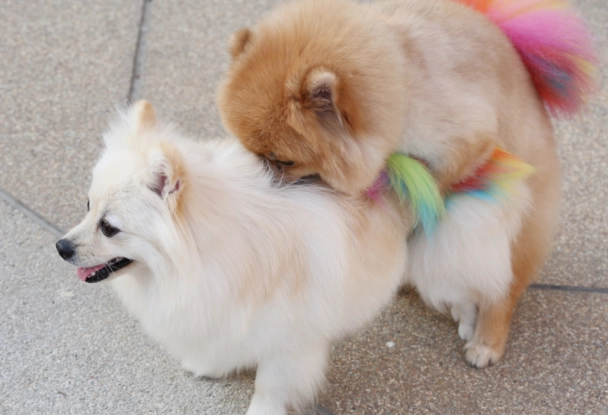
Common Mistakes That Make Humping Worse
I've seen well-meaning owners accidentally reinforce this behavior for years. Avoid these pitfalls.
Mistake #1: Laughing or Giving It Attention. Even amused attention is rewarding. It tells your dog he's being entertaining.
Mistake #2: Punishment & Anger. Yelling, kneeing your dog away, or using deterrent sprays creates fear and anxiety. Since anxiety can cause humping, you're potentially making the trigger worse. It also damages your trust-based relationship.
Mistake #3: Assuming It's "Just Dominance." The dominance theory in dog training has been largely debunked by modern behaviorists, including those at the AVSAB. Framing it as a "power move" leads to confrontational, ineffective corrections.
Mistake #4: Inconsistency. Letting it slide sometimes but not others is confusing. Your dog can't understand the rule "you can hump your teddy bear but not my cousin's leg." Be consistent with your interruption and redirection.
When to Seek Professional Help
If the behavior is intense, frequent, directed at other dogs (causing fights), or accompanied by other signs of anxiety (destruction, excessive barking, house-soiling), it's time to call in a certified professional. Look for a Certified Professional Dog Trainer (CPDT-KA) or a Veterinary Behaviorist (DACVB). They can create a tailored behavior modification plan and rule out complex anxiety disorders.
Your Questions, Answered
My dog only humps when guests arrive and targets a specific toy. What does this mean and how do I stop it?
This is a classic sign of over-arousal and redirected energy. The excitement of guests is the trigger, and the toy becomes a safe outlet. Punishing this will make it worse. Instead, manage the environment. Before guests arrive, put the favorite toy away. Greet your dog calmly on a leash. Ask your guest to ignore the dog until he's settled. Have high-value treats ready to reward calm sitting. This teaches him that calm behavior, not frantic excitement, gets him the attention he wants.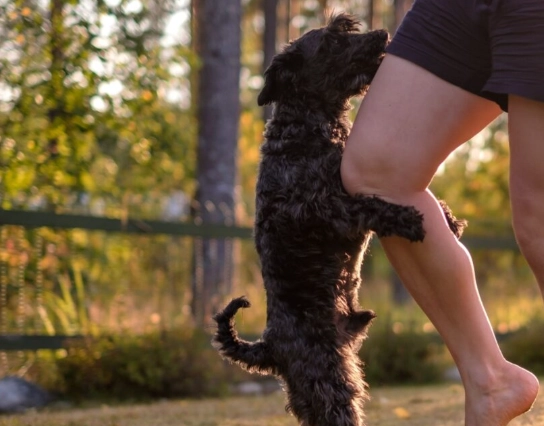
Will neutering my dog stop him from humping?
Neutering can reduce hormonally-driven humping, especially in intact males. However, it's not a guaranteed fix. If the behavior is learned, habitual, or driven by stress/excitement (which is often the case), neutering alone won't stop it. Think of it as removing one potential fuel source, not the engine. For dogs over 1-2 years old, the behavior is often more about habit than hormones. A combined approach of management, training, and possibly neutering is most effective.
Is it okay to just let my dog hump his bed? He's not bothering anyone.
This is a common but risky compromise. Allowing it in private reinforces the behavior, making it a stronger habit. The dog doesn't understand the rule "only on your bed." He learns "humping feels good and is allowed." This makes it much harder to stop when he inevitably tries it on a visitor's leg or another dog at the park. It's better to consistently redirect the behavior to an incompatible action, like going to his mat for a chew toy, to prevent the habit from cementing.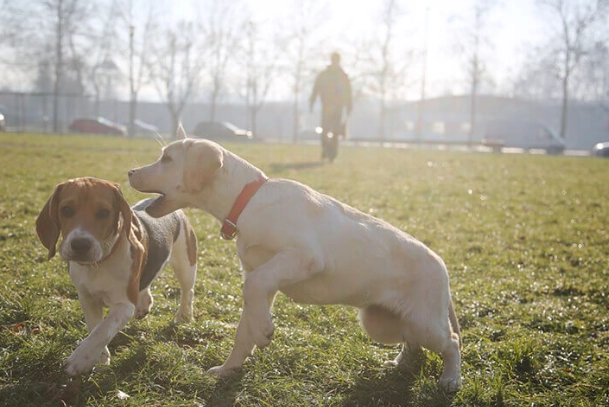


Leave a comment