In This Article
If you've ever been woken up by your cat kneading your chest or blanket in the morning, you're not alone. This behavior, often called "making biscuits," is a common feline habit that stems from instinct, comfort, and communication. In short, cats knead in the morning because it's linked to their natural rhythms, leftover kitten behaviors, and a way to bond with you. But there's more to it—understanding why can help you build a better relationship with your pet and spot potential issues early.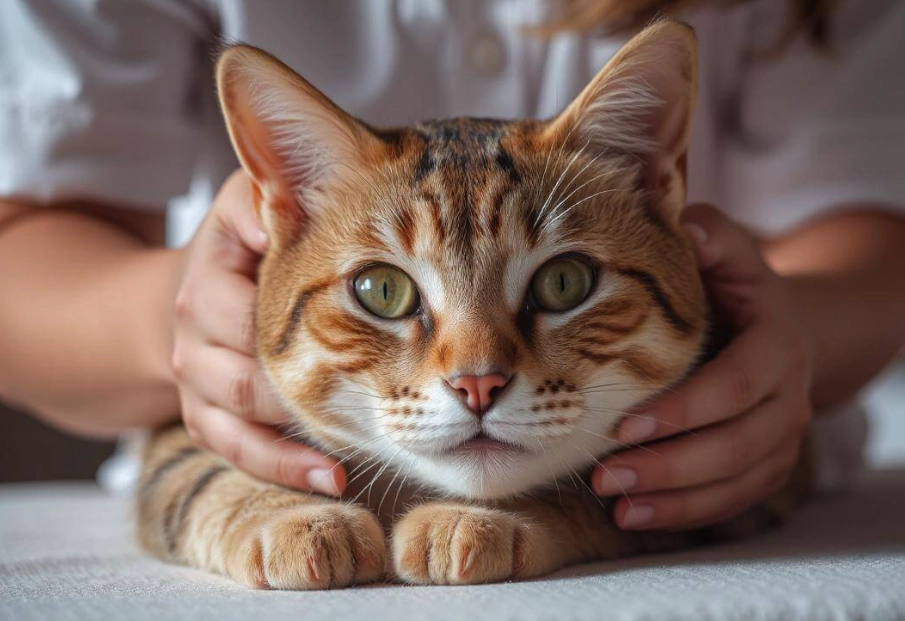
I've owned cats for over a decade, and my tabby, Whiskers, has been a morning kneader since day one. At first, I thought it was just cute, but over time, I noticed patterns that many cat owners miss. Let's break it down without the fluff.
What Is Cat Kneading and Why It Happens
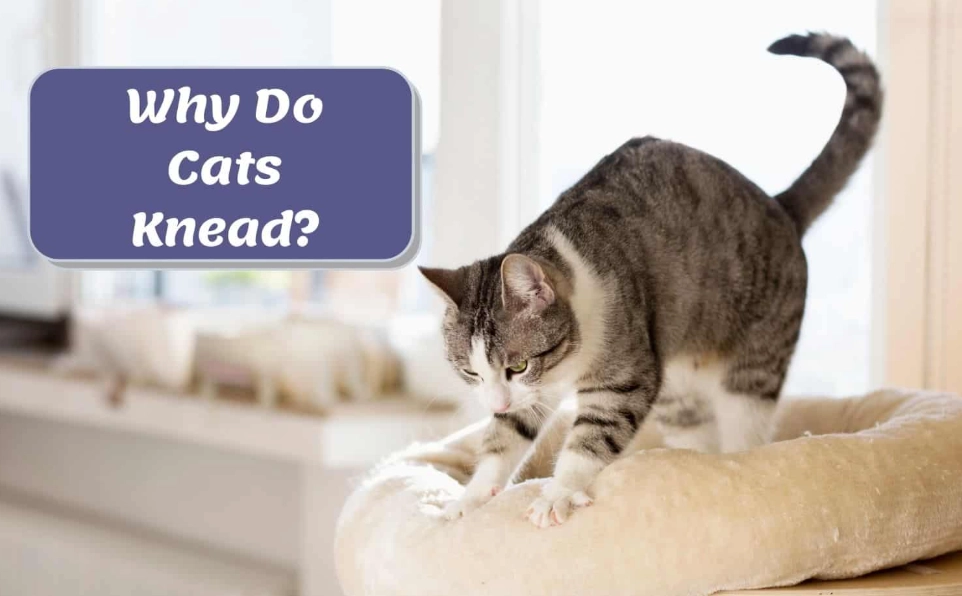
Kneading is when cats push their paws in and out against a soft surface, like your lap or a blanket. It's a rhythmic motion that looks like they're kneading dough. This behavior starts in kittenhood—kittens knead their mother's belly to stimulate milk flow. As adults, cats retain this action for several reasons.
Key reasons cats knead: It's a mix of instinct, comfort-seeking, and marking territory. Cats have scent glands in their paws, so kneading leaves their smell, claiming you or the spot as theirs. It also releases endorphins, making them feel relaxed and happy.
Many experts, like those from the American Veterinary Medical Association, note that kneading is a normal behavior tied to feline wellness. But here's a nuance: not all kneading is the same. Some cats do it gently, others aggressively. The pressure and frequency can tell you about their mood.
Instinct vs. Habit: The Evolutionary Angle
Cats are crepuscular, meaning they're most active at dawn and dusk. Kneading in the morning might relate to this natural cycle. In the wild, cats would knead grass or leaves to create a comfortable resting spot. Your home is their safe den, so they repeat the behavior upon waking.
I recall a time when Whiskers kneaded so hard on my old sofa that it left marks. I initially blamed it on boredom, but after reading studies from cat behaviorists, I learned it was his way of settling in after a night's rest. This is a point many new owners overlook—they assume it's purely attention-seeking, but it's often about self-soothing.
The Morning Connection: Why Kneading is Common at Dawn
Morning kneading isn't random. Cats often do it right after waking up, and there are specific triggers tied to this time of day.
- Routine and Security: Cats thrive on routine. Morning is when they transition from sleep to activity. Kneading helps them feel secure and mark their territory as they start the day. It's like their version of stretching and yawning.
- Bonding with You: If your cat kneads you in the morning, it's a sign of affection. They associate you with comfort and safety, especially after a night apart. This is backed by observations from feline behavior resources, which emphasize that social cats use kneading to reinforce bonds.
- Temperature and Comfort: Mornings can be cooler, and kneading generates warmth. Cats might knead blankets or your body to create a cozy spot. My friend's cat, Luna, only kneads in winter mornings, which supports this idea.
Here's a table summarizing the morning-specific reasons:
| Reason | Explanation | Common Signs |
|---|---|---|
| Instinctual Wake-up | Linked to crepuscular activity; kneading mimics wild behavior for preparing rest areas. | Cat kneads right after waking, often before eating. |
| Emotional Reconnection | Morning is when they reunite with owners after sleep, using kneading to show trust. | Kneading accompanied by purring and head-butting. |
| Comfort Seeking | Cooler temperatures prompt kneading to warm up surfaces or self-soothe. | More frequent in colder months or on soft fabrics. |
One mistake I made early on was interrupting Whiskers during his morning kneading. I'd push him off, thinking it was annoying. But that actually increased his anxiety. Cats see kneading as a calming ritual, and disrupting it can lead to stress behaviors like over-grooming.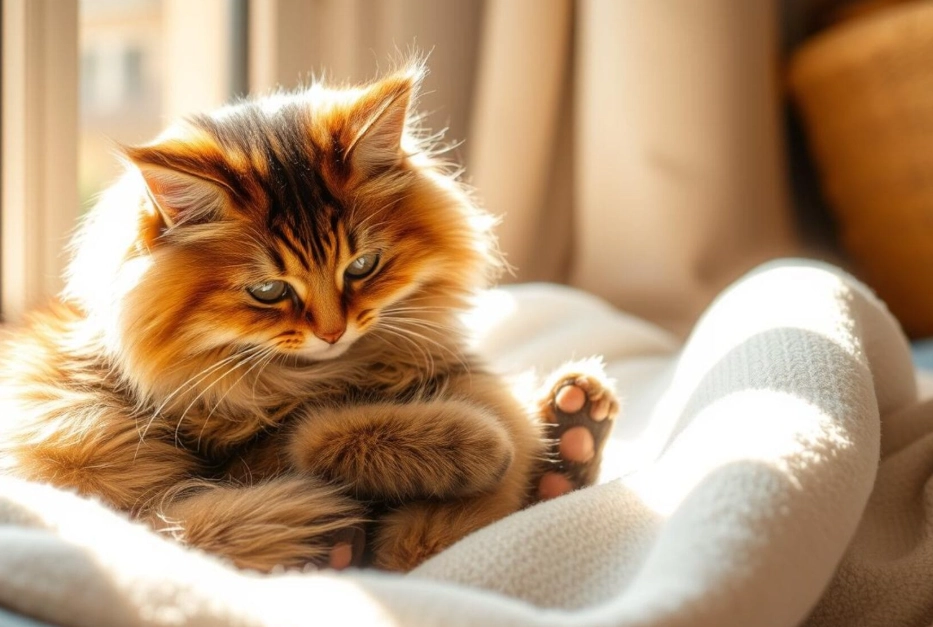
Common Misconceptions About Cat Kneading
There's a lot of misinformation out there. Let's clear up a few myths.
Myth 1: Kneading means your cat is hungry. Not necessarily. While kittens knead for milk, adult cats do it for various reasons. If it's always before feeding, it might be a learned association, but not a direct hunger signal.
Myth 2: Only female cats knead. False. Both males and females knead, though unneutered males might do it less due to territorial marking with urine instead.
Myth 3: Kneading is always a sign of happiness. It can be, but it might also indicate anxiety or discomfort. Pay attention to context—if your cat kneads with dilated pupils or avoids eye contact, it could be stress-related.
From my experience, the biggest misconception is that kneading is a trivial habit. In reality, it's a window into your cat's emotional state. Ignoring it means missing cues about their well-being.
How to Respond When Your Cat Kneads You
So, what should you do when your cat kneads you in the morning? Here's a practical guide based on expert advice and personal trial-and-error.
- Don't Punish or Push Away: This can confuse your cat and damage your bond. Instead, let them knead for a few minutes. If it's uncomfortable, gently redirect them to a soft blanket or pillow.
- Provide Alternatives: Keep a dedicated kneading spot nearby, like a fleece mat. Encourage use by placing it where they usually knead. I did this with Whiskers, and now he heads straight to his mat in the mornings.
- Monitor Claws: If claws are sharp, consider regular trimming. But avoid declawing—it's cruel and can lead to behavioral issues. The American Veterinary Medical Association strongly advises against it.
- Use Positive Reinforcement: If your cat kneads gently, reward with a treat or petting. This reinforces good behavior without encouraging aggression.
Scenario: Imagine your cat kneads your leg every morning while you're trying to sleep. Instead of shooing them, place a towel on your lap. Over time, they'll associate the towel with kneading, saving your skin and keeping them happy.
When Kneading Might Be a Sign of Trouble
While kneading is usually harmless, it can sometimes signal underlying issues. Here's when to be concerned.
- Excessive Kneading: If your cat kneads for hours or seems obsessive, it might indicate anxiety or boredom. Look for other signs like hiding or changes in appetite.
- Pain or Discomfort: Kneading that's accompanied by limping or vocalization could point to arthritis or paw injuries. Cats might knead to soothe sore joints. A vet check is wise in such cases.
- Sudden Changes: If a cat that never kneaded starts doing it aggressively, it could be stress from environmental changes, like a new pet or move. I've seen this with rescue cats adjusting to homes.
According to feline health sources, persistent kneading with other symptoms warrants a veterinary visit to rule out medical problems. Don't assume it's just a quirk.
FAQ: Your Top Questions Answered
 Wrapping up, cat kneading in the morning is a multifaceted behavior rooted in instinct, emotion, and routine. By understanding it, you can enhance your cat's well-being and strengthen your bond. Remember, every cat is unique—observe yours closely and adapt accordingly.


Leave a comment