Yes, you can train your cat to use the toilet. It saves money on litter, reduces mess, and honestly, it's pretty cool to watch. But it's not a weekend project—it takes patience, the right tools, and a method that doesn't stress your cat out. I've trained two of my cats over the years, and I've seen all the pitfalls. Let's cut to the chase: here's how to do it right, based on hard-won experience.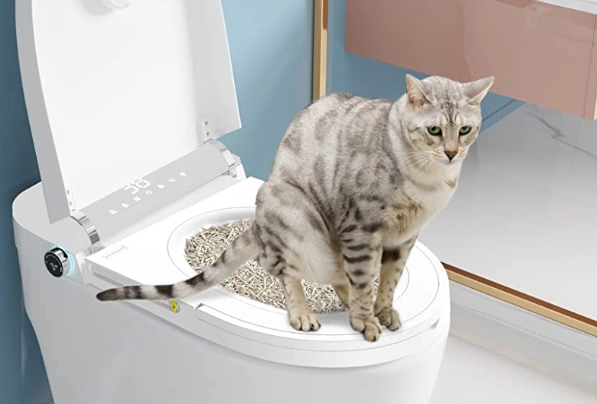
What You'll Learn in This Guide
Why Train Your Cat to Use the Toilet?
Think about it. No more scooping litter daily. No more tracking litter across your floors. The bathroom smells fresher. But beyond convenience, toilet training can help cats with litter box aversion—a common issue where cats refuse to use dirty boxes. According to the American Veterinary Medical Association, improper litter box management is a top reason for behavioral problems. By switching to the toilet, you eliminate that variable.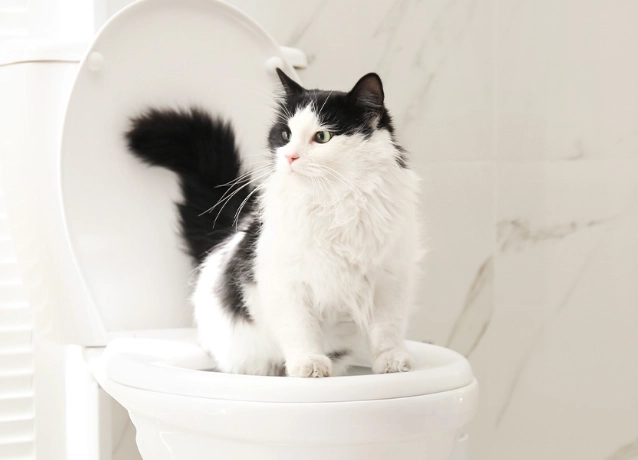
Still, it's not for every cat. If your cat is older, has mobility issues, or gets stressed easily, you might want to stick with a litter box. I tried with my senior cat, Whiskers, and it was a disaster—he just glared at me and peed on the rug. Know your cat's personality.
What You Need Before Starting
Don't just wing it. Gather these essentials first. Missing something can derail the whole process.
| Item | Purpose | Approx. Cost |
|---|---|---|
| Toilet training seat (like CitiKitty or Litter Kwitter) | Gradually reduces litter area | $20-$40 |
| Extra litter box | For initial placement on toilet | $10-$20 |
| Cat-friendly litter | Use familiar litter to ease transition | $15/month |
| Treats and praise | Positive reinforcement | $5-$10 |
| Patience | Critical—rushing causes setbacks | Free, but priceless |
I recommend getting a training seat that fits your toilet size. Cheap ones can wobble, scaring cats. Also, stock up on your cat's favorite treats—small, smelly ones work best. And clear your schedule for a few weeks; consistency is key.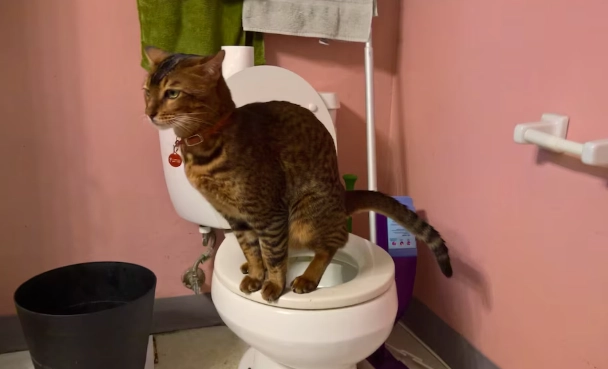
The Step-by-Step Training Process
This isn't a one-size-fits-all plan. Adjust based on your cat's pace. My cat Mittens took 6 weeks, while Luna did it in 4. Here's the breakdown.
Phase 1: Acclimation and Setup (Week 1-2)
Move your cat's regular litter box next to the toilet. Yes, right beside it. Let your cat get used to the new location for a few days. Then, gradually raise the litter box to toilet height using books or a stool. I used an old phone book stack—it worked fine. The goal is to make the height normal.
Once your cat is comfortable, place the litter box on the toilet seat. Secure it so it doesn't slide. This phase is all about familiarity. Don't rush it. If your cat hesitates, go back a step. I made the mistake of moving too fast with Mittens, and she started avoiding the bathroom altogether. Took me three days to regain her trust.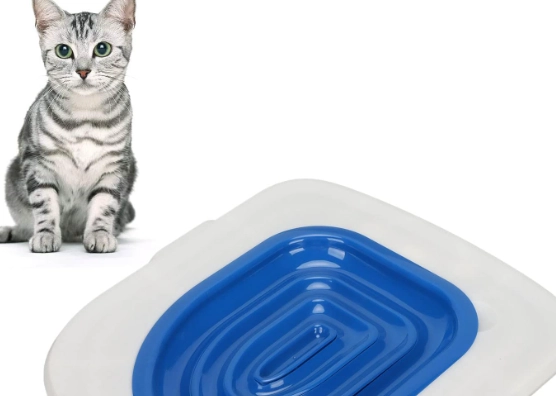
Phase 2: Introducing the Training Seat (Week 3-4)
Now, replace the litter box with the training seat. Fill it with a thin layer of litter. Your cat might be confused at first. Encourage exploration with treats. Leave the seat in place for a week, cleaning it daily to keep it inviting.
Here's a tip most guides miss: use the same litter type as before. Switching litter can cause refusal. I used clumping clay litter because that's what my cats knew. Also, keep the bathroom door open—cats hate closed doors during this phase.
Phase 3: Reducing Litter and Final Transition (Week 5-6)
Gradually reduce the amount of litter in the training seat. Over a week, go from a full layer to just a sprinkle. Then, start cutting a small hole in the seat's insert (if your kit has one) to let waste fall through. Increase the hole size every few days.
When your cat is using the seat with a large hole reliably, remove the insert entirely. Now, they're using the toilet bowl. Celebrate with extra treats! But watch for accidents—some cats regress if stressed. Luna did once when we had guests over; I just reinstated the insert for a day and she bounced back.
Personal Note: The biggest hurdle? Water anxiety. Some cats are scared of the water in the bowl. To help, flush only after your cat leaves the room initially. Over time, they get used to the sound. Mittens still jumps at flushes, but she's fine if I do it later.
Common Challenges and How to Fix Them
Things will go wrong. Here's how to handle them without giving up.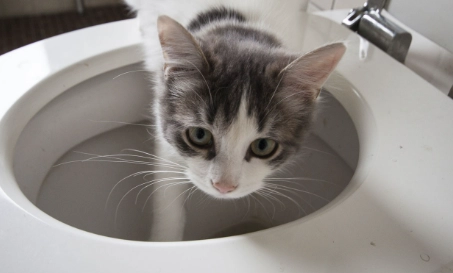
My Cat Is Scared of the Toilet
Slow down. Go back to the previous step for a few more days. Use pheromone diffusers like Feliway near the bathroom—they calm cats. I've found that playing gentle music in the background can also reduce anxiety. Don't force it; let the cat explore on its own terms.
Accidents Outside the Toilet
If your cat pees on the floor, clean it thoroughly with an enzyme cleaner to remove odors. Then, reassess: is the training seat stable? Is the litter too shallow? Often, accidents happen because the setup feels insecure. Double-check everything. And never punish your cat—it'll make things worse.
Refusal to Use the Toilet After Progress
This is common around week 4. Your cat might boycott the toilet. In my experience, it's often due to a dirty seat or a change in routine. Clean the seat more frequently, and stick to a consistent feeding schedule. If it persists, consult a vet to rule out health issues like UTIs, which can cause avoidance.
Frequently Asked Questions
To wrap up, toilet training your cat is a commitment, but it's doable with the right approach. Focus on your cat's comfort, be patient, and don't hesitate to adjust the timeline. If it doesn't work out, that's okay—a well-managed litter box is still a win. For more resources, check out International Cat Care's guides on feline behavior; they offer science-backed advice that complements hands-on training. Good luck, and enjoy the litter-free life!



Leave a comment