Quick Navigation
Let's be honest. You're snacking on a handful of mixed nuts, those big, pleading eyes lock onto you, and the tail starts thumping. The question pops into your head instantly: can I share just one? Or more specifically, you find yourself typing into Google later: what nuts are bad for dogs? I've been there. My own Labrador, Barley, once managed to snatch a macadamia nut cookie off the counter when I turned my back for two seconds. The panic was real. That experience sent me down a rabbit hole of research, conversations with my vet, and a new level of kitchen vigilance.
It turns out, the answer isn't simple. It's not a universal "yes" or "no." For some nuts, the risk is mild stomach upset. For others, it's a straight-up trip to the emergency vet. And the worst part? Some of the most dangerous ones are common in our pantries and holiday treats. This guide isn't about scaring you; it's about giving you clear, actionable information so you can make the best choices for your furry family member. We'll cut through the confusion and tell you exactly what nuts are toxic to dogs, why they're problematic, what to do if an accident happens, and which ones might be okay in microscopic amounts (though I'll tell you why I usually just avoid them altogether).
The Absolute No-Go List: Nuts That Are Bad for Dogs
This is the section you probably came for. Let's talk about the nuts that should never, ever end up in your dog's bowl. I'm organizing this by danger level, because not all toxic nuts are created equal.
The Top Tier of Toxicity: Walnuts and Macadamias
These two are in a league of their own. If you remember nothing else from this article, remember these names.
Walnuts (especially Black Walnuts): This is the big one. The primary risk with walnuts isn't always the nutmeat itself (though it's too high in fat for dogs and can cause pancreatitis). The real, sneaky danger comes from a toxin called juglone, and more commonly, from a mold that grows on walnuts (and other nuts) called Aspergillus. This mold produces aflatoxins, which are potent, deadly liver poisons. The mold isn't always visible to the naked eye. A dog consuming moldy walnuts can suffer from acute liver failure. Symptoms are grim: vomiting, lethargy, loss of appetite, yellowing gums (jaundice), and seizures. The U.S. Food and Drug Administration (FDA) warns about aflatoxin contamination in pet foods for a reason—it's serious stuff.
My vet put it bluntly: "Why risk it? A walnut isn't a necessary part of a dog's diet. The potential consequence is so severe that it's just not worth the gamble." I think that's the perfect way to look at it.
Macadamia Nuts: These are notoriously toxic to dogs, and weirdly, scientists still aren't 100% sure of the exact compound responsible. What we do know is that even a small amount—as few as 2-3 nuts for a small dog—can cause a cluster of alarming symptoms. The hallmark is weakness, particularly in the hind legs. Your dog might look drunk, be unable to stand, or seem paralyzed. This is usually accompanied by vomiting, tremors, fever, and depression. The good news? With supportive care from a vet, most dogs recover within 24-48 hours. But watching your dog struggle to walk is a terrifying experience you don't want to have.
So, when someone asks what nuts are bad for dogs, these two should always lead the conversation.
The High-Fat Hazard Crew: Pancreatitis Risk
Even if a nut isn't "toxic" in the classic, poison-your-nervous-system sense, it can be extremely dangerous due to its fat content. Dogs' digestive systems aren't built to handle large amounts of fat in one go. A rich, fatty meal (or a stolen bag of nuts) can trigger pancreatitis—a painful, dangerous inflammation of the pancreas.
This group includes:
- Pecans: Similar to walnuts, they're high in fat and prone to that dangerous Aspergillus mold. Double whammy.
- Brazil Nuts: These are arguably the fattiest nut of all. They're also huge. One Brazil nut for a small dog is a massive dose of fat.
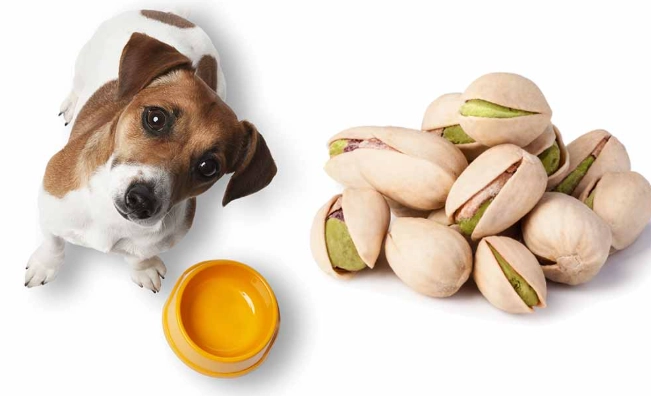
- Pistachios: High fat, and often sold salted, which brings its own problems (salt toxicity). The shells also pose a choking or intestinal blockage risk.
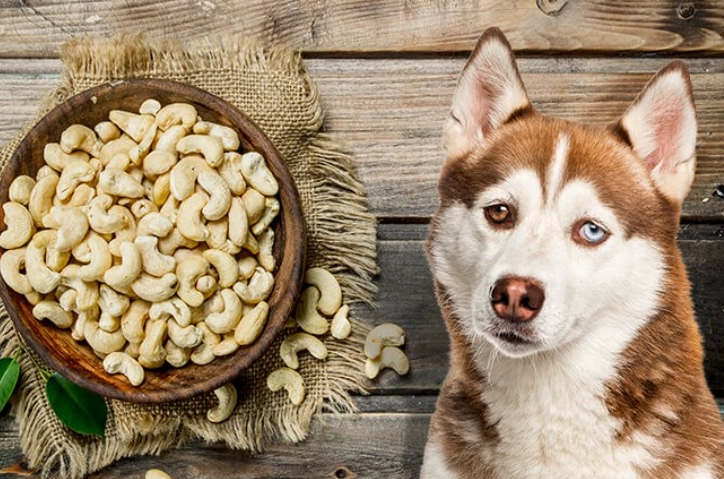
- Cashews: While often listed as "less toxic," they are very high in fat. A few plain, unsalted cashews might not harm a large dog, but it's a slippery slope. Why start?
Pancreatitis is no joke. Symptoms include severe, persistent vomiting, a painful or distended abdomen, hunched back, and profound lethargy. It requires immediate veterinary treatment and can be life-threatening.
The Choking and Blockage Bunch: Physical Dangers
We often think about chemistry, but physics is a problem too. Whole nuts, or worse, nuts in shells, are a major hazard.
- Any Nut in a Shell: Shells are not digestible. They can cause choking, get stuck in the teeth or throat, or, if swallowed, lead to a serious intestinal blockage or laceration. This is a surgical emergency.
- Almonds: While not toxic per se, their shape and hardness make them very difficult for dogs to chew and digest properly. They can easily cause an esophageal or intestinal obstruction, especially in smaller breeds. They're also high in fat.
I remember a story from a fellow dog park regular whose Beagle needed surgery after swallowing a whole, shell-on peanut. The shell caused an internal cut. The nut itself was "safe," but the packaging nearly killed him.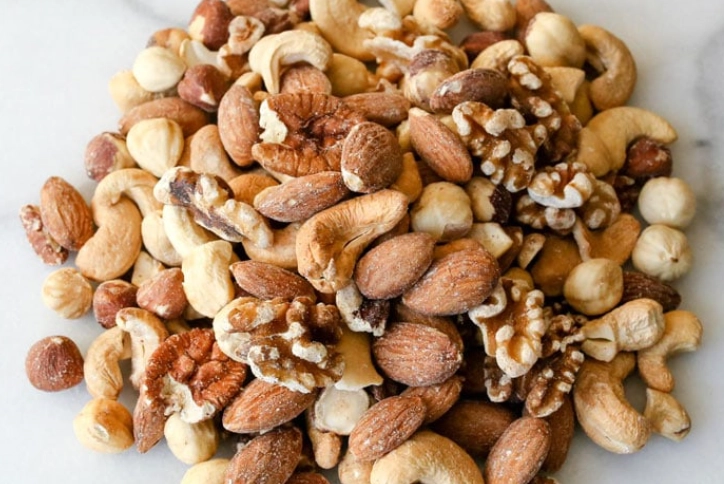
| Nut Type | Primary Danger | Key Toxic Compound/Risk | Common Symptoms |
|---|---|---|---|
| Black Walnuts / Old Walnuts | Severe Liver Failure | Aflatoxins (from mold), Juglone | Vomiting, Lethargy, Jaundice, Seizures |
| Macadamia Nuts | Neurological Toxicity | Unknown (specific toxin not identified) | Hind Limb Weakness, Vomiting, Tremors, Fever |
| Pecans, Brazil Nuts | Pancreatitis, Mold Risk | Extremely High Fat Content, Aflatoxin potential | Severe Vomiting, Abdominal Pain, Lethargy |
| Pistachios, Almonds | Choking/Blockage, High Fat | Physical shape/shell, High Fat, Salt | Gagging, Retching, Abdominal Pain, Lethargy |
Why Are These Nuts Bad? The Science Behind the Scare
Knowing what nuts are bad for dogs is one thing. Understanding why helps it stick. Let's break down the main mechanisms.
1. Aflatoxin Poisoning: This is the silent killer with walnuts and pecans. Aspergillus mold thrives in warm, humid conditions—often in fallen nuts in your yard or old nuts in the pantry. The aflatoxins it produces attack the liver rapidly. There's no antidote. Treatment is aggressive supportive care, and the prognosis depends on how much damage was done before you noticed. The ASPCA Animal Poison Control Center (APCC) lists moldy food as a common toxin concern for this very reason.
2. High-Fat Induced Pancreatitis: The pancreas produces enzymes to digest food. A huge fat load can cause those enzymes to activate prematurely, essentially digesting the pancreas itself. It's incredibly painful. Some dogs are more prone to it than others, but you never know if your dog is one of them until it happens.
3. Neurological Toxins: As with macadamias, some compounds directly affect the nervous system, causing weakness, tremors, and disorientation. It's a direct poisoning event.
4. Salt and Seasonings: We often forget this. Nuts for human consumption are salted, spiced, or coated in flavors like honey, wasabi, or garlic/onion powder. Salt can lead to sodium ion poisoning (excessive thirst, vomiting, diarrhea, tremors, seizures). Garlic and onion are toxic to dogs, damaging their red blood cells.
"My Dog Ate a Bad Nut!" What to Do Right Now
Okay, take a breath. Panic doesn't help you or your dog. Here's your step-by-step action plan.
- Don't Induce Vomiting Unless Instructed. This is crucial. If your dog is already showing neurological signs (like weakness from macadamias) or is lethargic, inducing vomiting can cause aspiration. If the nut was in a shell, vomiting could cause more damage. Always call a professional first.
- Identify the Nut and Estimate the Amount. How many did they eat? What kind? Was it salted? In a shell? Grab the package if you have it.
- Call for Expert Help Immediately. You have two excellent options:
- Your primary or emergency veterinarian.
- The ASPCA Animal Poison Control Center (APCC) at (888) 426-4435. There is a consultation fee, but it's worth it. They have a massive database and can give you specific, tailored advice and create a case number you can give your vet. The APCC website is also a fantastic resource.
- Follow Their Instructions to the Letter. They may tell you to monitor, to come in, or to induce vomiting with hydrogen peroxide (using a specific, weight-based dosage they provide). Do not deviate.
Time is often a factor, especially with moldy nuts or large ingestions. Don't adopt a "wait-and-see" approach.
But What About...? Answering Your Burning Questions
The Final Word: Keeping Your Dog Safe
Figuring out what nuts are bad for dogs is a key part of responsible pet ownership. The landscape is tricky because the dangers range from immediate poisoning to slow, cumulative harm from fat.
My own policy after my scare with Barley and the macadamia cookie is simple: No nuts for dogs. It's a clean, easy line to draw. Peanut butter is the sole, carefully vetted exception in my house. It eliminates the guesswork, the label-reading for every snack mix, and the anxiety when something drops on the floor.
Store all nuts (and foods containing them, like trail mix, granola, and baked goods) securely in cabinets or high up where your acrobatic canine can't reach. Be vigilant during holidays and parties when bowls of mixed nuts are out. A moment of inattention is all it takes.
Your dog's health isn't worth the risk of a shared snack. There are a million other ways to show them love that don't involve a trip to the emergency room. When in doubt, always, always err on the side of caution and consult your vet or poison control. Bookmark this page, save the APCC number in your phone, and share this info with other dog owners. A little knowledge can prevent a whole lot of heartache.


Leave a comment