Quick Navigation
- What Exactly Is That Ammonia Smell in Cat Urine?
- The Real Health Risks: Is Ammonia Smell from Cat Urine Dangerous?
- It's Not Just About You: The Impact on Your Cat
- What a Strong Ammonia Smell Might Signal About Your Cat's Health
- The Ultimate Guide to Safely Cleaning and Neutralizing Cat Urine Smell
- Prevention is Everything: Keeping the Ammonia Smell at Bay
- Common Questions Answered (The Stuff You're Really Searching For)
- Final Thoughts: Respect the Smell, Don't Just Live With It
If you share your home with a feline friend, you've probably been there. You walk into a room and get hit by that unmistakable, sharp, eye-watering stench. It smells like a cleaning product factory exploded, but you know better. It's cat pee. That potent ammonia smell cat urine gives off is more than just a nuisance—it makes you wonder, is this stuff actually bad for us? Is breathing it in dangerous, especially for kids or if you have asthma? What about the cat itself?
I've been a cat owner for over fifteen years, and I've dealt with my fair share of litter box mishaps, territorial spraying, and the occasional "surprise" behind the couch. The smell always sent me into a panic, not just for the carpet, but for the air we were breathing. I spent hours digging through veterinary resources, toxicology studies, and cleaning forums to get real answers. Let's cut through the worry and the myths. Here's a deep, practical dive into everything you need to know about the dangers of that ammonia smell from cat urine, how to handle it safely, and what the smell might be trying to tell you about your cat's health.
What Exactly Is That Ammonia Smell in Cat Urine?
First, let's break down what we're actually smelling. Fresh cat urine doesn't smell overwhelmingly of ammonia right away. It has its own odor, sure, but the real chemical warfare begins with time. Cat urine contains a high concentration of urea, a waste product from digesting protein (and cats, being obligate carnivores, eat a lot of protein).
When that urine sits—on your carpet, in a poorly cleaned litter box, in a hidden corner—bacteria that are naturally present in the environment get to work. These bacteria feast on the urea, breaking it down through a chemical process. The main byproduct of this bacterial party? Ammonia gas. That's the pungent, irritating vapor that gets released into your home's air. So, the stronger the ammonia smell, the older the urine stain or the more saturated the area is, and the more bacterial activity has occurred. It's a sign of decomposition, not just waste.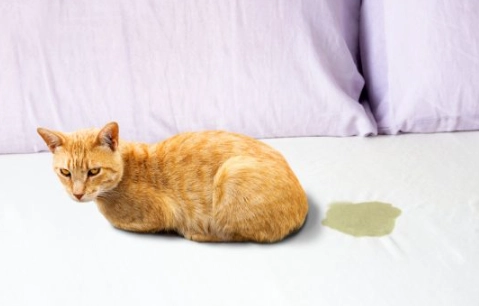
The Real Health Risks: Is Ammonia Smell from Cat Urine Dangerous?
This is the core question. The simple answer is yes, prolonged or concentrated exposure to ammonia from cat urine can pose health risks. But let's be specific, because risk depends heavily on the level of exposure and your personal health.
Short-Term Exposure Effects (The "I Just Cleaned the Litter Box" Feeling)
Even mild exposure, which most cat owners experience daily, can cause noticeable irritation. Ammonia is an irritant to mucous membranes. Common immediate reactions include:
- Burning sensation in the eyes, nose, and throat.
- Watery eyes and coughing.
- A feeling of tightness in the chest or shortness of breath.
- Headaches.
If you've ever cleaned a particularly foul litter box and felt a cough coming on or your eyes start to sting, that's the ammonia at work. For most healthy adults, these symptoms go away quickly once you leave the area or ventilate the room. It's unpleasant, but not typically dangerous from a one-off event. The problem is when this exposure is chronic, happening day in and day out in a home with strong, persistent odors.
Who Is Most at Risk?
Certain groups are much more vulnerable to the effects of ammonia and poor indoor air quality from cat urine.
| Group | Specific Risks & Concerns |
|---|---|
| Infants & Young Children | Their respiratory systems are still developing. They breathe faster than adults, taking in more air (and pollutants) per pound of body weight. Chronic exposure to irritants like ammonia can potentially contribute to or exacerbate respiratory issues like asthma and bronchitis. They also play on the floor, where dust and residues can settle. |
| Individuals with Asthma or COPD | Ammonia is a known respiratory irritant and can trigger asthma attacks or worsen COPD symptoms like wheezing and breathlessness. For someone with severe asthma, a concentrated whiff can be enough to cause a serious reaction. |
| Pregnant Women | While direct studies on cat urine ammonia and pregnancy are limited, the general medical advice is to minimize exposure to all strong chemical fumes and irritants. The stress on the body from poor air quality is also a factor best avoided. |
| Elderly Individuals | Often may have pre-existing heart or lung conditions. Weakened immune systems and less resilient respiratory tissues make them more susceptible to irritation and secondary infections. |
| People with Compromised Immune Systems | While ammonia itself isn't infectious, the chronic inflammation of airways from irritation can make one more vulnerable to secondary bacterial or viral infections. |
Long-Term Exposure Concerns
This is where the question "ammonia smell cat urine dangerous" gets more serious. Living in a home with chronically high levels of ammonia (think: a severe, unaddressed spraying problem or a perpetually filthy litter box area) could contribute to:
- Chronic Respiratory Issues: Persistent coughing, bronchitis, and aggravated allergies.
- Worsening of Pre-existing Lung Conditions: As mentioned, it's a major trigger for asthma.
- Sinus Problems: Chronic sinusitis and irritation.
- General Reduced Quality of Life: Constant headaches, fatigue from poor sleep (smell can disrupt sleep), and stress are not trivial health impacts.
The U.S. Environmental Protection Agency (EPA) lists indoor air quality as a top environmental concern, and biological pollutants like pet dander and urine byproducts are a part of that equation. While they don't have a specific page on cat urine, their resources on indoor irritants back up the need for good ventilation and source control.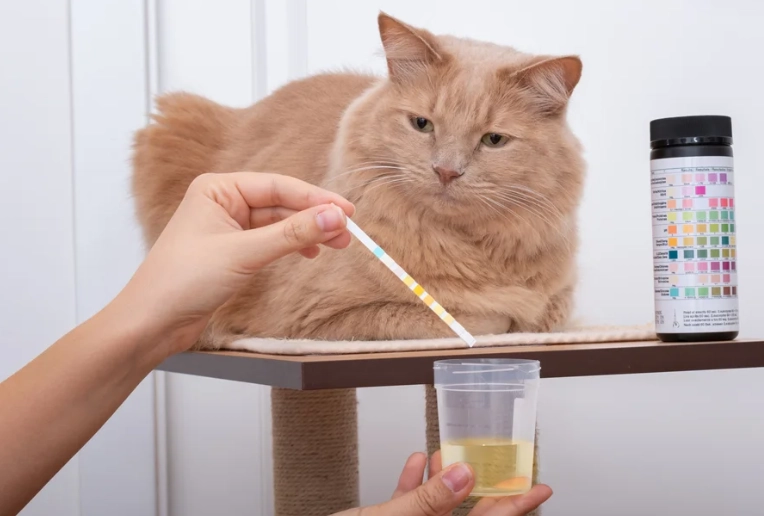
It's Not Just About You: The Impact on Your Cat
We often ask if the ammonia smell cat urine dangerous is to us, but what about the cat living in it 24/7? Their noses are infinitely more sensitive than ours. That overpowering stench to us is utterly overwhelming and stressful to them.
A filthy litter box reeking of ammonia is a major reason cats start eliminating outside the box. They find the smell offensive and the experience unpleasant. It's like being forced to use a filthy, reeking porta-potty. This stress can lead to behavioral issues and even stress-related illnesses like cystitis. Furthermore, cats with existing respiratory issues, like feline asthma, are breathing in those concentrated fumes constantly, which certainly doesn't help their condition.
What a Strong Ammonia Smell Might Signal About Your Cat's Health
Sometimes, a sudden, intensely strong ammonia smell from your cat's urine can be a red flag. While normal cat urine has an odor, a drastic change can indicate a health problem.
- Dehydration: Highly concentrated urine (from not drinking enough) will smell sharper.
- Dietary Issues: Very high-protein diets can lead to more urea in the urine. Some low-quality foods with fillers can also affect urine pH and odor.
- Urinary Tract Infection (UTI): Bacterial infections in the bladder can change the odor of urine, often making it more pungent and foul, sometimes with an ammonia-like note.
- Metabolic Diseases: Conditions like kidney disease or diabetes can dramatically alter urine composition and smell. Diabetic cats, for example, may have urine that smells sweet or oddly chemical.
If you're searching "ammonia smell cat urine dangerous," part of your worry might be this sudden change. Don't ignore it. It's better to get a check-up and find nothing than to miss an early sign of illness. The ASPCA's guide to common cat diseases is a good resource to understand the broader context of health and symptoms.
The Ultimate Guide to Safely Cleaning and Neutralizing Cat Urine Smell
Knowing it's potentially harmful makes proper cleaning non-negotiable. This isn't about masking the smell with perfumes. It's about removing the source—the urea and the bacteria—so ammonia can't form. I've tried a dozen methods; some are useless, and a few are game-changers.
What NOT to Use (The Big Mistakes)
- Ammonia-Based Cleaners (like Windex or some glass cleaners): This is the #1 mistake. You're adding more ammonia to an ammonia problem. It can also smell similar to cat urine to a cat, potentially encouraging re-marking.
- Vinegar (White or Apple Cider): Vinegar is acidic. While it can neutralize surface ammonia smell temporarily, it does NOT break down the urea crystals that have soaked into carpet fibers or padding. The smell often returns as the urea remaining decomposes. It's a decent first pass for very fresh urine, but not a complete solution for old stains.
- Steam Cleaners with Plain Water: The heat can permanently set the protein (urea) stain and odor into the fibers. It also pushes the urine deeper into the padding and subfloor, spreading the problem.
- Bleach: Bleach reacts with the ammonia in cat urine to create toxic chloramine gases, which are dangerous to inhale. It also doesn't break down urea and can bleach your carpets.
The Winning Strategy: Enzymatic Cleaners
These are the gold standard, and for good reason. Enzymatic cleaners contain live bacteria and enzymes that are specifically designed to "eat" the organic waste molecules—urea, uric acid crystals, and other proteins in the urine. They don't mask; they digest the source of the smell and stain.
How to Use an Enzymatic Cleaner Correctly (Most people do this wrong):
- Blot, Don't Rub: For fresh urine, use paper towels to blot up as much liquid as possible. Press down hard and keep swapping to dry towels.
- Locate the Entire Area: Use a black light flashlight in a dark room. Old urine stains will glow. Mark the entire area.
- Soak, Don't Sprinkle: Pour the enzymatic cleaner generously over the stain, ensuring it soaks through to the carpet backing and padding below. This is crucial. If the urine soaked in, the cleaner must too.
- Let it Dwell: This is the critical step. Follow the bottle's instructions, but often you need to let it sit for 12-24 hours. The enzymes need time to work. Do not cover with plastic; let it air dry.
- Repeat if Necessary: For severe, old stains, a second application might be needed after it dries.
For subfloors or severe cases, you may need to pull up the carpet and treat the concrete or wood underneath. It's a pain, but it's the only way to truly solve a deep-seated problem.
Prevention is Everything: Keeping the Ammonia Smell at Bay
Cleaning is reactive. A good system is proactive and makes the question "ammonia smell cat urine dangerous" largely irrelevant in your home.
- The Litter Box Rules: Scoop at least once, ideally twice, daily. This removes the waste before significant bacterial breakdown can start. Dump all litter, scrub the box with an enzymatic cleaner, and refill with fresh litter weekly.
- More Boxes, More Space: The rule is one box per cat, plus one extra. Place them in quiet, low-traffic areas. A stressed cat may urinate inappropriately.
- Choose the Right Litter: Clumping litter makes scooping easier. Some litters are specifically designed to control ammonia odors. Experiment to find what your cat and your nose prefer.
- Air Purification: A good HEPA air purifier with an activated carbon filter can help remove airborne particles, dander, and some odor molecules from the general room air. It's a supplement, not a solution for a dirty box.
- Ventilate: Open windows when you can, especially when cleaning the litter area.
Common Questions Answered (The Stuff You're Really Searching For)
Final Thoughts: Respect the Smell, Don't Just Live With It
I'll be honest, when I first got cats, I thought a little smell was just part of the deal. I was wrong. That ammonia smell isn't just an inconvenience; it's a billboard advertising a hygiene problem and a potential health irritant. Treating the smell of cat urine as a simple nuisance is underestimating it.
Addressing it properly—with the right knowledge and tools like enzymatic cleaners—protects your home, your air, your family's health, and your cat's wellbeing. It turns out, managing the ammonia smell cat urine dangerous question is a core part of responsible pet ownership. It's not about being a perfectionist; it's about creating a healthy shared environment. Your nose, your lungs, and your feline companion will all thank you.
If you're dealing with a persistent issue, don't hesitate to seek professional carpet cleaners who specialize in pet stains or talk to your vet about both the cleaning challenge and your cat's urinary health. Sometimes, the solution needs to be as multi-layered as the problem itself.






Leave a comment