What You'll Find Inside
You're staring at the mess on the floor, your dog is looking miserable, and your brain is racing with that one frantic question: what can I give my dog for diarrhea and vomiting? I've been there. It's a horrible feeling, that mix of worry, panic, and the desperate need to just do something to make your furry friend feel better. The internet is a minefield of advice, some good, some terrible. One site says fast them, another says feed them. One says pumpkin, another says rice. It's enough to make your head spin.
Let's cut through the noise. This isn't a robot-generated list of facts. This is a guide built from talking to vets, years of experience with my own dogs (and fostering others), and a lot of trial and error. We're going to walk through exactly what you can do at home, what you should absolutely avoid, and—most importantly—when you need to drop everything and call the vet. Because sometimes, the best thing you can give your dog isn't in your pantry; it's a professional's diagnosis.
The First 12 Hours: The "Wait and Watch" Protocol
So, your dog had a couple of vomiting episodes and some loose stool, but they're still drinking water, interested in treats (maybe), and can go for a short walk. This is where most of us find ourselves. The first step isn't about giving something; it's about withholding.
Withhold Food, Not Water. This is the golden rule for a reason. Give your dog's gastrointestinal tract a complete break. No food for 12-24 hours. This includes treats, chews, scraps, everything. Their gut needs time to calm down. Think of it like hitting the reset button.
But water? That's essential. Dehydration is the biggest immediate danger with vomiting and diarrhea. Offer fresh, clean water frequently. If they gulp it down and immediately vomit it back up, try offering ice cubes to lick or small amounts of water (a tablespoon or two) every 15-20 minutes. You can also offer a balanced electrolyte solution made for pets (never use human sports drinks—they have too much sugar and the wrong electrolyte balance). A product like Pedialyte (unflavored) can be okay if your vet says so, but pet-specific ones are better.
I learned this the hard way with my friend's Labrador, Max. He got into the trash, had an upset stomach, and my friend, in her worry, kept offering him bits of chicken and rice immediately. It just made the vomiting last longer. Once she switched to the water-and-rest plan, he turned the corner much faster.
Building the Bland Diet: What You Can Actually Give
After the fasting period, if the vomiting has stopped for at least 6-8 hours, you can start introducing the legendary bland diet. This is the core answer to what can I give my dog for diarrhea and vomiting during recovery.
The classic combo is boiled white meat chicken (no skin, no bones, no seasoning) and plain white rice. The ratio should be about 1:2 (one part chicken to two parts rice). The rice is a bland, binding carbohydrate, and the chicken is an easily digestible protein. Some dogs do better with boiled lean ground turkey or even low-fat cottage cheese (if they're not lactose intolerant). For carbs, plain boiled potatoes or plain pasta can work in a pinch, but rice is usually best.
Start tiny. Offer a few tablespoons of the bland mixture. Wait an hour or two. If it stays down, offer a slightly larger, meal-sized portion (about half of what they'd normally eat). Feed small, frequent meals—3-4 times a day instead of one or two big ones. This puts less strain on the recovering gut.
You'll follow this bland diet for a few days, typically until the stools have been normal for at least 24-48 hours. Then, the transition back to regular food is critical. Do it over 3-5 days. Start mixing a little of their regular kibble into the bland food, increasing the kibble and decreasing the bland mix each day. A rushed transition back to rich food is a surefire way to restart the whole cycle.
The Superstar Add-Ins: Pumpkin, Probiotics, and More
Beyond the basic bland diet, there are a few safe, vet-recommended supplements that can really help.
- Plain Canned Pumpkin (100% pumpkin, NOT pie filling): This is magic for both diarrhea and constipation. It's high in soluble fiber, which helps absorb excess water in the intestines and add bulk to stool. A tablespoon or two mixed into the bland food can work wonders. I always keep a can in the pantry.
- Probiotics: These are "good" bacteria that help repopulate the gut microbiome after it's been flushed out. Look for a probiotic made specifically for dogs. Human probiotics might work, but dog-specific strains (like Enterococcus faecium) are proven for canine gut health. You can find powders, capsules, or even some special probiotic treats.
- Bone Broth (low-sodium, no onion/garlic): A great way to encourage hydration and add a bit of flavor and nutrients to the bland food. Just ensure it's pet-safe.
Now, let's talk about what you might find in your medicine cabinet. This is where you need to be extremely careful.
The Human Medicine Cabinet: A Danger Zone
This is the part that terrifies vets. People want to help, so they reach for Pepto-Bismol, Imodium, or Pepcid. Never give your dog any human medication without explicit direction from your veterinarian. Full stop.
Why? Because dogs metabolize drugs differently. For example:
| Human Medication | Potential Risk for Dogs | Vet's Stance |
|---|---|---|
| Imodium (Loperamide) | Can be toxic in certain breeds (like Collies) due to a genetic mutation. Can cause severe sedation, constipation, or even pancreatitis. It also just stops the symptom without addressing the cause, which can be dangerous if there's an obstruction or infection. | Sometimes prescribed at a very specific dose for specific cases. Never an over-the-counter choice. |
| Pepto-Bismol / Kaopectate | Contains salicylates (related to aspirin). Can cause stomach ulcers. Turns stool and vomit a disturbing black, which can mask signs of internal bleeding. | Rarely recommended anymore. Safer alternatives exist. |
| Pepcid (Famotidine) | One of the few that is sometimes used under vet guidance for stomach acid reduction. However, the dose is critical and based on weight. | Only with vet approval and exact dosing instructions. |
| Aspirin, Ibuprofen, Naproxen | HIGHLY TOXIC. Can cause severe stomach ulcers and kidney failure very quickly. | Absolute, never-ever-give poison. |
If your vet does recommend an over-the-counter medication, they will give you the exact brand, formulation, and dose based on your dog's weight and condition. Write it down. Don't guess.
When "What Can I Give" Becomes "What the Vet Must Do"
This is the most important section. Home care has its limits. Recognizing the red flags is a skill every dog owner needs. So, when does what can I give my dog for diarrhea and vomiting stop being a home remedy question and start being an emergency?
- The Patient is Very Young, Very Old, or Has a Pre-existing Condition: Puppies, seniors, and dogs with illnesses (like kidney disease, diabetes, or Addison's) have less reserve. They dehydrate faster and can crash suddenly. Don't wait.
- Frequency and Force: Projectile vomiting, or vomiting/diarrhea that happens every hour or two, even if it's just water.
- Blood: Fresh red blood or dark, tarry digested blood in vomit or stool.
- No Improvement: Symptoms persist for more than 24-48 hours despite fasting and bland diet.
- Pain: Whining, trembling, a hunched back, or not wanting to be touched around the belly.
- Listlessness: Your normally energetic dog won't get up, doesn't want to go outside, and seems "out of it."
- Failed Attempts to Vomit (Unproductive Retching): This is a major sign of bloat (GDV), a life-threatening condition. Go to the ER immediately.
- Suspected Poison Ingestion: You saw them eat chocolate, grapes, sugar-free gum (xylitol), or a household cleaner.
At the vet, they'll do what you can't: provide subcutaneous or IV fluids for dehydration, administer anti-nausea injections (like Cerenia, which is fantastic), run tests (bloodwork, x-rays, ultrasound) to find the underlying cause—whether it's a simple bug, pancreatitis, a foreign body, or something else—and provide targeted treatment.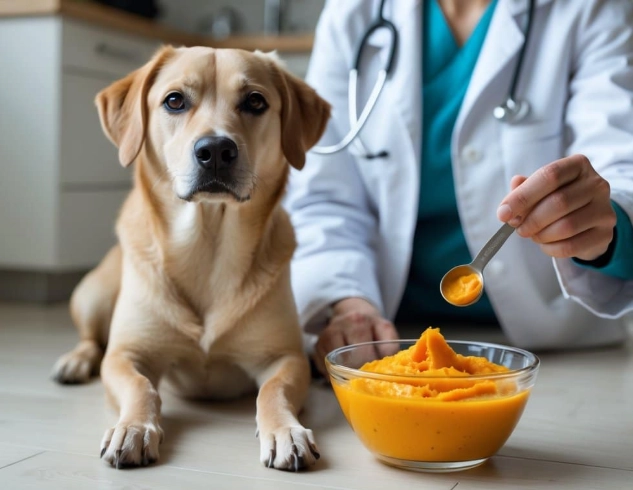
Your Doggy Digestive First-Aid Kit
Being prepared takes the panic down a notch. Here's what I keep on hand:
- Plain Canned Pumpkin (check the date yearly).
- A high-quality, shelf-stable Dog Probiotic.
- A box of plain white rice in the pantry.
- A few cans of prescription-grade gastrointestinal diet from my vet (like Hill's i/d or Royal Canin GI Low Fat). These are scientifically formulated to be ultra-digestible and are often better than a homemade bland diet. Ask your vet for a couple cans to keep for emergencies.
- A pet-safe electrolyte solution.
- A digital thermometer and petroleum jelly (knowing how to take your dog's temp is useful info for the vet).
- The phone numbers for my regular vet and the nearest 24-hour emergency clinic, saved in my phone.
Answers to the Questions You're Actually Typing Into Google
Figuring out what can I give my dog for diarrhea and vomiting starts with patience and observation, moves to simple, gentle foods, and always, always respects the bright red line that means professional help is needed. Trust your gut. If something feels "off" beyond a simple tummy ache, your vet is your best partner. Here's to a quick recovery for your pup.

Leave a comment