Quick Navigation
- Why the Question "Are Walnut Shells Toxic to Cats" is So Tricky
- The Real Risks: It's More Than Just One Poison
- What to Do If Your Cat Eats Walnut Shells
- Safer Alternatives to Walnut Shell Mulch for Cat-Friendly Gardens
- Your Questions, Answered: The Walnut Shell & Cats FAQ
- The Final Verdict: A Practical Summary for Cat Owners
Let's cut right to the chase, because I know that's why you're here. You probably just saw your cat sniffing around the garden bed you mulched with walnut shells, or maybe you're considering using them and want to be safe. The short, direct answer is: yes, walnut shells can pose a significant risk to cats, but the danger is more complex than a simple "poison" label. It's not like rat poison where a lick means disaster, but ignoring the risks is a gamble with your cat's health I wouldn't recommend anyone take.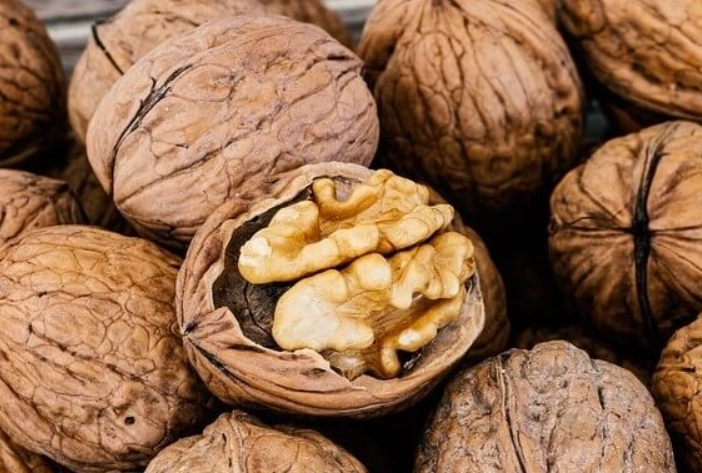
I've been a veterinarian for over a decade, and the number of times well-meaning pet owners bring in their cats after a "harmless" encounter with something in the yard is too high. Walnut shells are one of those sneaky hazards. They're natural, they seem earthy and safe, but the reality is messier. So, let's unpack this completely, beyond the basic yes/no. We'll talk about the chemical stuff, the physical dangers most people forget, and what you should actually do if your curious feline gets into them.
Bottom Line Up Front: The primary toxic agent in black walnuts (and to a lesser extent, English walnuts) is a chemical called juglone. While the highest concentration is in the roots and hulls, the shells themselves can contain traces and, more critically, harbor toxic mold if they're decaying. The physical risk of sharp shell fragments is also a major, often overlooked, concern.
Why the Question "Are Walnut Shells Toxic to Cats" is So Tricky
You'll find a lot of conflicting information online. Some sources scream danger, others shrug it off. The confusion makes sense when you break it down. Not all walnuts are equal, not all shells are in the same condition, and cats themselves have unique metabolisms. A dog might chomp a shell and be fine (not recommended either!), but a cat's smaller size and different liver enzymes change the game.
The most concerning walnut type is the Black Walnut (Juglans nigra). This tree is a heavy producer of juglone. English Walnuts (Juglans regia), the common eating walnut, produce much less. But here's the kicker—unless you're a botanist, can you really be sure which tree your bag of mulch came from? Often, commercial "walnut shell" mulch is a blend. That uncertainty is the first red flag.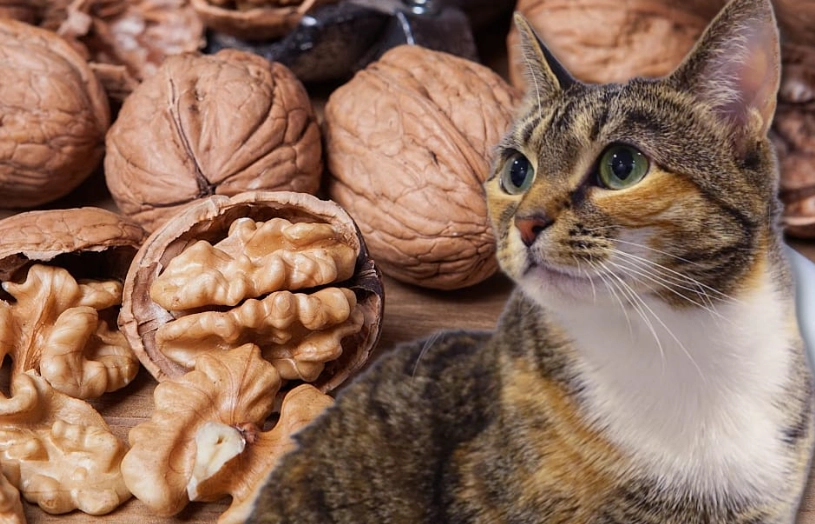
And then there's the condition. Fresh, clean, intact shells from an English walnut? Lower immediate chemical risk. Old, damp, crumbling shells from who-knows-what walnut tree sitting in a pile for months? That's a perfect storm for mold growth, which is where the real acute toxicity often comes from.
The Real Risks: It's More Than Just One Poison
When we ask "are walnut shells toxic to cats," we need to look at three separate but connected hazards. Ranking them by how quickly they can cause a problem is helpful.
1. Mold Toxicity (The Silent, Fast-Acting Threat)
This is, in my professional opinion, the most dangerous aspect of old or improperly stored walnut shells. Damp organic matter grows mold—it's a fact. Walnut shells are no exception. Specific types of mold, like Penicillium spp., can produce mycotoxins called tremorgens.
If a cat ingests moldy shell fragments (even just licking them while grooming), these neurotoxins can act frighteningly fast. I once treated a barn cat who got into a compost pile with rotting walnut husks. The symptoms came on within an hour: full-body tremors, seizures, and extreme agitation. It was a severe case, but it highlights the potential. Symptoms of mold toxicity can include:
- Muscle tremors or shaking that they can't control
- Vomiting and drooling
- Lethargy that quickly turns into hyperactivity or agitation
- Seizures
- High body temperature
This requires immediate veterinary intervention. There's no safe wait-and-see period with neurological symptoms.
2. Juglone Toxicity (The Slower, Insidious Problem)
Juglone is the natural herbicide the walnut tree produces to suppress competing plants. It's present in all parts of the tree, but concentrations vary. The hulls (the green fleshy part around the shell) have the most. The hard, woody shell itself has less, but it's not zero, especially in Black Walnuts.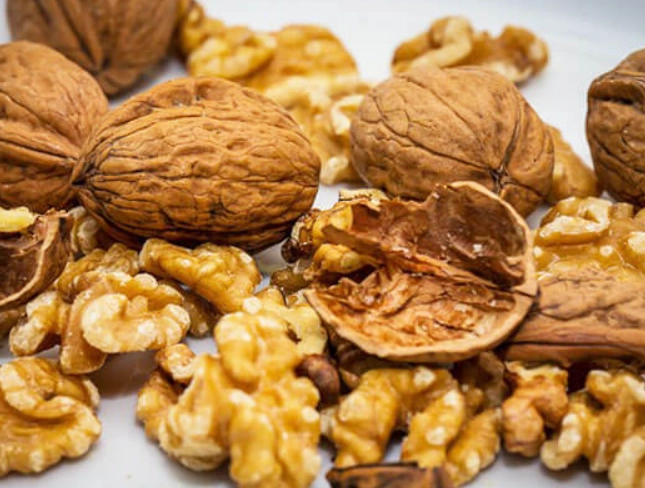
For cats, juglone is a gastrointestinal irritant. Ingesting enough of it can cause an upset stomach. The bigger issue, which we see more in horses but is theoretically possible in any animal, is that juglone may affect oxygen transport in the blood in very high doses. For a cat to get that much from shells alone is less likely, but why risk it? More common signs of juglone ingestion would be:
- Vomiting
- Diarrhea
- Lethargy and loss of appetite
- Abdominal discomfort
My Take: The juglone risk from dry, aged shells is often overstated for cats. The real-world cases I see are almost always linked to the mold on decaying material, or the physical damage from the shells. But because the potential exists and because source material is unknown, the blanket safety advice has to be caution. It's the principle of "better safe than sorry" in action.
3. Physical Injury (The Overlooked Danger)
This is the hazard that doesn't get enough airtime. Crushed walnut shells are sharp. Think about it—they're used in industrial blasting to clean surfaces! Now imagine those jagged, hard fragments in your cat's digestive tract.
- Mouth & Throat: Chewing or biting a shell can cause cuts on gums, the tongue, or the roof of the mouth.
- Esophagus & Stomach: Swallowed pieces can scrape and irritate the entire digestive lining on the way down.
- Intestinal Blockage or Perforation: This is the nightmare scenario. A larger, sharp piece could lodge in the intestines, causing a life-threatening blockage. Even worse, a sharp edge could puncture the intestinal wall, leading to a severe infection (peritonitis). Symptoms of this include sudden lethargy, refusal to eat, vomiting, abdominal pain, and fever.
This risk is present regardless of the walnut type or mold status. It's a pure mechanical hazard.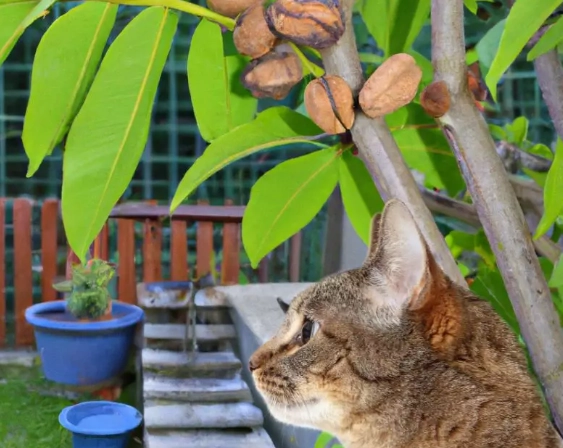
What to Do If Your Cat Eats Walnut Shells
Step 1: Don't Panic, But Act Quickly. Assess how much they got and what condition it was in. A single tiny fragment from a dry, indoor nut bowl is a different situation than a cat who's been munching on damp, mulchy shells outdoors.
Here’s your action plan, tailored to the scenario:
Scenario A: You suspect ingestion of moldy/old shells, or your cat shows ANY neurological signs (tremors, seizures, imbalance).
- This is an immediate veterinary emergency.
- Call your vet or the nearest emergency animal hospital on your way.
- Do not try to induce vomiting unless specifically instructed by a vet.
- If possible, bring a sample of what your cat ate in a bag.
Scenario B: Your cat ate a small amount of what appear to be clean, dry shells and is currently acting normal.
- Call your veterinarian or a pet poison helpline immediately for advice. They will ask about your cat's weight, the estimated amount ingested, and the time frame.
- One excellent resource is the ASPCA Animal Poison Control Center (APCC). They are staffed 24/7 by veterinary toxicologists. (Note: There may be a consultation fee, but their expertise is unparalleled).
- Monitor your cat closely for the next 24-48 hours for any signs of vomiting, diarrhea, loss of appetite, or abdominal pain. Watch their litter box habits for signs of straining or unusual stools.
Scenario C: You see your cat playing with shells but aren't sure if they ate any.
- Remove all shell material from their environment.
- Check their mouth gently for any fragments or signs of injury.
- Monitor as in Scenario B. Often, the worry is worse than the outcome, but vigilance is key.
Safer Alternatives to Walnut Shell Mulch for Cat-Friendly Gardens
If the risks have you second-guessing using walnut shells (and they should), the good news is there are plenty of safer, effective options. The goal is to find something that suppresses weeds, retains moisture, and won't harm your curious feline.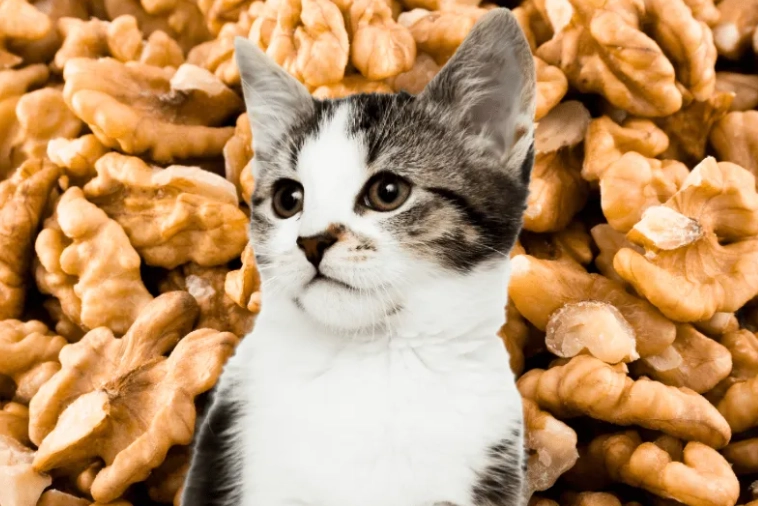
Here’s a quick comparison of common mulch types from a cat safety perspective:
| Mulch Type | Safety for Cats | Key Considerations | My Personal Rating |
|---|---|---|---|
| Shredded Pine or Cedar Bark | Generally Safe | Aromatic oils can irritate some cats' respiratory systems if very strong. Larger chips are less likely to be eaten. A common, good choice. | B+ |
| Untreated Straw or Hay | Very Safe | Great for vegetable gardens. Can attract rodents, which might then attract your cat! Provides good insulation. | A- |
| River Rock or Pebbles | Extremely Safe | No ingestion risk. Excellent for drainage. Can get hot in sun. Cats sometimes love to lounge on warm stones. | A |
| Cocoa Bean Mulch | DANGEROUS | Contains theobromine and caffeine, similar to chocolate. Highly toxic if ingested. Avoid completely. | F |
| Rubber Mulch | Not Recommended | Ingestion of rubber pieces can cause blockages. Chemicals and smell can be off-putting. Doesn't enrich soil. | C- |
| Shredded Paper or Cardboard | Very Safe | An inexpensive, chemical-free option. Can mat down when wet and blow away when dry. Good for short-term use. | B |
Pro Gardening Tip: For areas where your cat frequents, I'm a big fan of using a combination. A base layer of cardboard for weed suppression, topped with a thick layer of large, smooth river rocks or generous-sized cedar chips. It's effective, looks clean, and removes the temptation for your cat to dig or nibble.
Your Questions, Answered: The Walnut Shell & Cats FAQ
"My cat just licked a walnut shell. Is that a problem?"
A single lick of a dry, clean shell is very unlikely to cause poisoning. The main concern would be if the shell was coated in mold dust. Wipe your cat's mouth gently with a damp cloth to remove any residue and monitor them. The risk is low, but it's a good reminder to keep such items out of reach.
"Are other parts of the walnut tree dangerous?"
Yes, absolutely. The danger increases as you move from the wood. The ranking of concern (from highest to lower) typically goes: Green Husks/Hulls > Fallen, Rotting Nuts with Husks > Roots > Leaves > Wood/Bark > Clean, Dry Shells. The hulls contain the highest concentration of juglone and are most prone to dangerous mold growth. If you have a walnut tree, regularly clean up fallen nuts and debris.
"What about walnut oil or furniture?"
Processed walnut oil used in cooking or finishing wood is generally not a concern. The processing removes or neutralizes the juglone. A cat walking on a walnut wood floor or table isn't at risk. The danger is specifically in the raw, unprocessed plant material, particularly when it's decomposing.
"I've used walnut shell mulch for years and my cat is fine. Why the worry?"
This is a fair point, and it speaks to the concept of risk versus certainty. Many cats live with potential hazards and never encounter a problem. It's like not wearing a seatbelt and never getting in a crash—it doesn't mean the seatbelt is useless. Your cat may avoid the mulch, the shells may be from a low-juglone source, or they may simply have been lucky. Knowing the potential dangers allows you to make an informed choice. I'd still suggest considering a switch to a definitively non-toxic alternative for peace of mind.
The Final Verdict: A Practical Summary for Cat Owners
So, let's circle back to the core question one last time: Are walnut shells toxic to cats?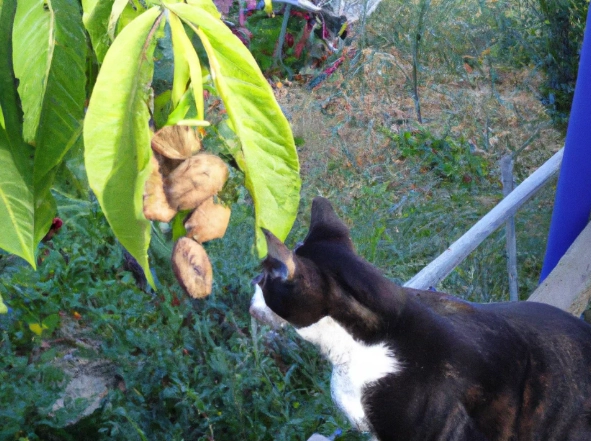
The most accurate answer is that they carry a definite and multifaceted risk. They are not a benign, pet-safe gardening product. The toxicity comes from a potential trio of threats: neurotoxic molds (the most acute danger), the gastrointestinal irritant juglone, and the physical peril of sharp fragments causing injury or blockage.
My advice, after seeing all sorts of pet emergencies, is straightforward:
- Do not use walnut shell mulch in areas accessible to your cats. The unknown factors (walnut type, mold presence) make it an unnecessary gamble. The FDA's animal health resources consistently advise caution with moldy foods and composts, a principle that applies directly here.
- If you already have it, remove it or ensure it's fully inaccessible. A secure barrier is a must.
- If exposure occurs, assess based on symptoms. Neurological signs = emergency vet. Otherwise, call for professional advice and monitor closely.
- Choose a safer alternative. River rock, large cedar chips, or straw are effective and will let you enjoy your garden without that nagging worry.
Our cats rely on us to be their guardians, to look out for the hidden dangers we understand but they don't. In the grand scheme of pet-proofing your home, swapping out a bag of mulch is a simple, concrete step you can take towards a safer environment. It's one less "what if" to worry about, and in my book, that's always worth it.
I hope this deep dive has given you the clarity and practical steps you were looking for. It's not about fostering fear, but about fostering informed care. Now go give your cat a scratch behind the ears—they're lucky to have an owner who digs into the details to keep them safe.

Leave a comment