You're in the canned goods aisle. Your hand reaches for a can of tomatoes, and your fingers brush against a definite dent. A small one, on the side. You pause. Is this safe? Your brain flashes between two thoughts: "Don't waste food" and "Botulism is scary." You put it back, grab a pristine can, and move on, the question still hanging. I've done it a hundred times. But after working in food service and digging into food science, I learned we're often getting it wrong, throwing away perfectly good food while sometimes missing the real dangers.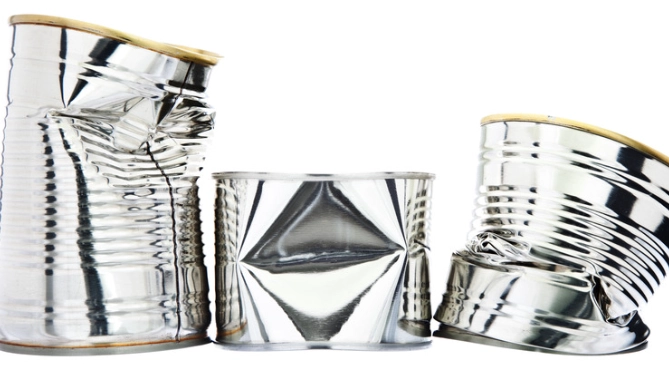
The short answer is this: Most dented cans are safe, but a specific type of dent is a hard pass. The trick isn't just spotting a dent; it's knowing how to read it like a warning label. This guide will show you exactly how.
What You'll Learn in This Guide
Why a Simple Dent Can Be a Big Deal
We're not worried about the dent itself. We're worried about what the dent might have done to the can's only job: maintaining a perfect, airtight seal. Canned food is preserved through a process called commercial sterilization. Food is sealed in the can, then heated to destroy microorganisms. This creates a vacuum inside. As long as that seal holds, nothing can get in, and the food stays safe for years.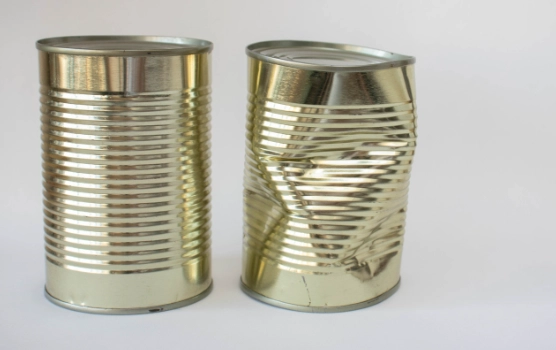
A dent becomes a problem if it:
- Cracks the seam: The top, bottom, and side seams are the can's weakest points. A dent on or near a seam can distort the metal and break the seal microscopically.
- Creates a pinhole leak: A sharp, deep dent can puncture the thin steel or aluminum.
If the seal breaks, air (and with it, bacteria and mold spores) can get in. The most feared contaminant is Clostridium botulinum, the bacteria that causes botulism. It thrives in low-oxygen environments like a damaged can. The U.S. Department of Agriculture and the Food and Drug Administration are clear: never use cans that are leaking, bulging, badly dented (especially on seams), or rusty.
Here's the subtle mistake almost everyone makes: they focus on the size of the dent, not its location. A huge, bowl-shaped dent in the middle of the side might look terrible but is often safe. A tiny, sharp dent right on the top rim? That's the one you need to worry about. Location trumps size every single time.
Safe Dents vs. Dangerous Dents: A Visual Guide
Let's make this concrete. This table breaks down the common scenarios you'll encounter, from the "no-brainer safe" to the "absolute discard."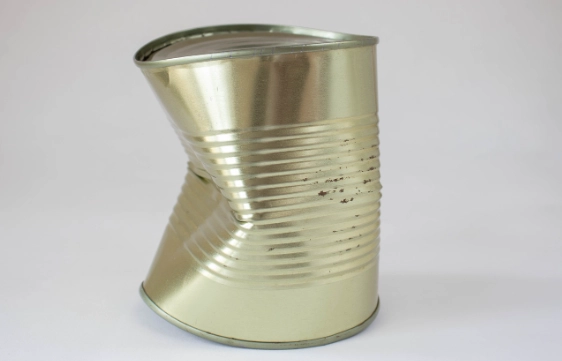
| Type of Dent & Location | Risk Level | What to Do | Why |
|---|---|---|---|
| Small, shallow dent on the side (body) of the can Feels smooth, no sharp edges. |
Very Low / Safe | It's fine to buy or use. | The main top and bottom seals are untouched. The can's integrity is intact. |
| Large, rounded dent on the side Like someone pressed a thumb deep into it. |
Low / Probably Safe | Check for other issues. If it's the only flaw, likely safe. | Even a big smooth dent rarely breaches the metal unless it's severe enough to crease a side seam. |
| Dent on the TOP or BOTTOM rim/seam Any dent, even a small one, that distorts the flat surface where the lid seals. |
HIGH / Dangerous | DO NOT USE. Return or discard. | This is the primary seal. Any compromise can break the vacuum and allow contamination. |
| Dent with a SHARP CREASE or POINT You can feel a distinct edge or point in the metal. |
HIGH / Dangerous | DO NOT USE. Return or discard. | Sharp folds can create micro-tears or pinholes in the metal laminate, leading to leaks. |
| Dented AND Bulging/Swollen The can is bloated, or the ends are curved outward. |
EXTREME / Dangerous | DO NOT USE. Do not even open. Discard carefully. | Bulging is a key sign of bacterial growth (like botulism) producing gas inside. This is a top-priority discard. |
| Dent with any sign of LEAKING, RUST, or HOLES | EXTREME / Dangerous | DO NOT USE. Discard. | The seal is visibly broken. The food is exposed and contaminated. |
I once saw a can of beans with a massive side dent. It looked awful, and everyone avoided it. Out of curiosity, I submerged it in water and pressed – no bubbles. The seal held. It was a testament to how tough those side seams are. The one that got me? A can of coconut milk with a tiny, almost invisible ding on the top rim. I used it. When I opened it, there was the faintest hiss – not the solid "thump" of a good vacuum. I poured it out immediately. The location told the true story.
The 3-Step Check for Any Dented Can
So you have a dented can in your hand – maybe from the store shelf, maybe from the back of your pantry. Don't guess. Run through this checklist.
Step 1: The Visual Inspection
Look closely. Ignore the brand, ignore the label. Just look at the metal.
Safe signs: A smooth, rounded depression on the body of the can.
Red flags: Any distortion on the top or bottom rim. A dent that creates a sharp fold or crease. Any other issue like rust, a hole, or – crucially – bulging. If the can is bulging, stop. The inspection is over. It goes in the trash.
Step 2: The Tactile Test
Run your finger over the dent and the entire can.
What you want to feel: Smooth, continuous metal. The dent should be a depression, not a tear.
What you don't want to feel: Any sharp edge, ridge, or puncture. Any stickiness or wetness (a sign of a leak). If the dent is on a seam, feel if the seam is still flat and even, or if it's been bent out of shape.
Step 3: The Post-Opening Verification (If Steps 1 & 2 Passed)
You've decided the can is likely safe and you've opened it.
Listen: You should hear a distinct "pop" or a rushing sound as the vacuum is released. A weak hiss or no sound at all is suspicious.
Look & Smell: As you open it, does the liquid inside fizz or spurt out? Once open, does the food smell normal? Any off-odors (sour, cheesy, rancid) mean spoilage.
The rule here is simple: If anything seems off after opening – the smell, the sound, the appearance – throw it out. Don't taste it. The cost of a can of vegetables is never worth the risk.
Pro Tip from the Stock Room: When you find a dented can on the store shelf, don't just put it back for the next person. Take it to a staff member. They will pull it from inventory. It's better for public safety, and it gives the store data on handling problems. Most will thank you for it.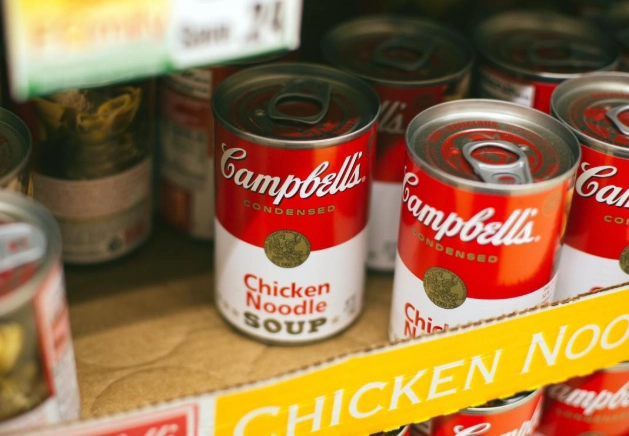
What to Do With a Dented Can: Your Action Plan
The decision tree isn't complicated once you know the rules.
Scenario: You see it in the store.
If it's a seam or sharp dent: Leave it. Pick another. If you're feeling civic-minded, give it to an employee.
If it's a smooth side dent and it's the last one: It's probably safe to buy if you're comfortable. I've done this with tomato paste many times.
Scenario: You find it in your pantry at home.
Run the 3-Step Check. If it passes, use it soon. Don't let it languish for another year.
If it fails, toss it. If it's a recent purchase with a receipt, you can often return it. Stores are good about this.
Scenario: A can gets dented in your car or bag on the way home.
This is common. Assess it as soon as you can. A dent from a short drop or bump is usually a smooth side dent and low risk. Just do your checks.
I think we have a cultural fear of dented cans that leads to incredible food waste. The National Resources Defense Council has highlighted food waste as a major issue. Perfectly edible food gets tossed because of a harmless flaw. But we swing too far the other way by ignoring the specific, high-risk dents. The goal is smart caution, not blanket fear.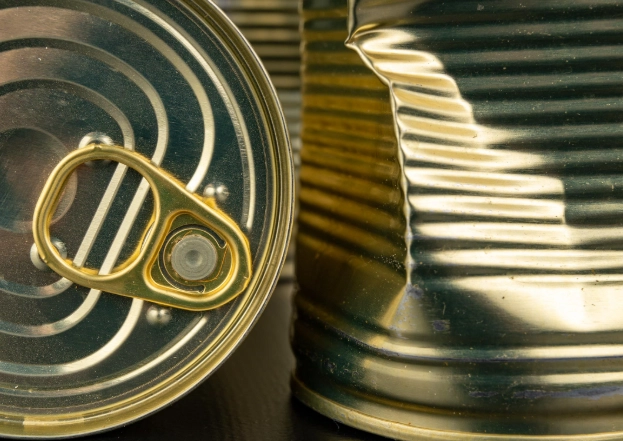
Your Dented Can Questions, Answered
Is a dented can from a discount store (like a "dent and bent" store) riskier?
Not inherently. These stores specialize in selling products with damaged packaging but intact seals. They (usually) have staff who vet the cans, discarding those with dangerous seam or sharp dents. The risk is the same as anywhere else – you still must do your own visual and tactile check before you buy. The bargain comes with the responsibility of being your own final inspector.
Do acidic foods (like tomatoes) in dented cans pose a higher risk?
This is a nuanced one. The risk of botulism is the same. However, if a can's seal is slightly compromised, acidic foods can react with the exposed metal more quickly, potentially leading to off-flavors, discoloration, or faster general spoilage from other bacteria. The safety rule doesn't change – a dangerous dent means toss it, regardless of contents – but a questionable can of tomatoes might "announce" its spoilage with a more obvious metallic taste or color change than, say, a can of green beans.
What about a dented can that's also past its "best by" date?
Combine risk factors. A "best by" date is about quality, not safety. A non-dented can years past its date is often safe but may taste stale. A dented can compromises the safety mechanism. A dented can that is also past its date has two strikes against it. I wouldn't gamble with it. The potential for compromised quality combined with a potentially compromised seal makes the evaluation too uncertain. This is a clear case for disposal.
The bottom line is to use your eyes and fingers, not just a blanket rule. Most dents are just cosmetic battle scars from shipping. Respect the ones on the seams, and you'll avoid real trouble while cutting down on unnecessary waste. Next time you're in that aisle, you'll know exactly what to do.





Leave a comment