Quick Paw Guide
Let's be honest. When we think about caring for our dogs, we often focus on the fluffy coat, the bright eyes, or maybe keeping their teeth clean. But their paws? They're the unsung heroes, the literal foundation of every adventure, from couch cuddles to mountain hikes. And yet, proper dog paw care is something a lot of us overlook until there's a limp or a lick-fest happening. I learned this the hard way with my own lab, Charlie, after a summer hike left him with a tiny, almost invisible crack between his pads. The vet visit was a wake-up call. Since then, I've made paw checks as routine as feeding time.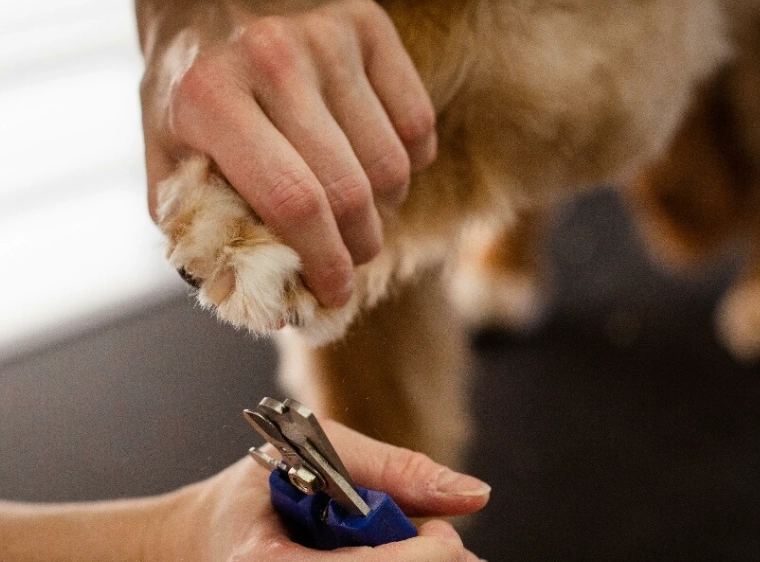
Your dog's paws are incredible pieces of biological engineering. They provide cushioning, traction, temperature regulation, and even sweat (yes, dogs sweat through their paw pads!). Neglecting them isn't just about dirty floors; it can lead to pain, infection, and long-term issues that affect your dog's mobility and happiness. So, if you've ever wondered what you should really be doing beyond wiping off mud, you're in the right place. This isn't a quick listicle. It's a deep dive into everything paw-related, from daily maintenance to handling emergencies, all based on vet advice, my own trial and error, and a lot of research.
Your Daily and Weekly Dog Paw Care Routine
Think of this as preventive medicine. A little regular attention can stop big problems before they start. You don't need to do every step every single day, but a combination of daily checks and weekly maintenance is the gold standard.
The Post-Walk Ritual: Check, Clean, Dry
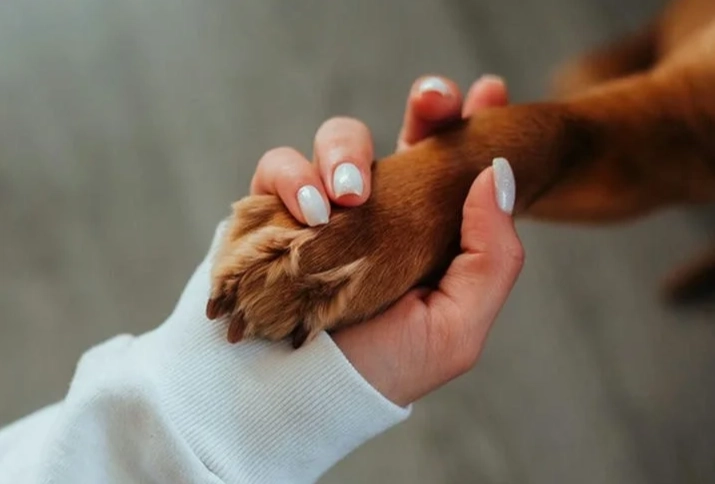
This is your most important habit. After every walk, especially in urban areas or after hikes, take two minutes. First, look. Get down on their level and scan each paw. You're looking for cuts, cracks, lodged pebbles, gum, or the dreaded "seed awns" (those pesky grass seeds that burrow). Then, feel. Gently run your fingers between the pads and toes. Any swelling, heat, or tenderness? Finally, clean. For most days, a damp cloth with lukewarm water works. For muddier situations, a gentle, pet-safe wipe or a rinse in a shallow bowl is better than a high-pressure hose blast, which can force debris deeper.
 The drying part is non-negotiable.
Moisture trapped between the toes is a breeding ground for bacteria and yeast. Use a clean, dry towel and pat gently, paying special attention to the spaces between the pads. I keep an old towel by the door just for this. Some folks even use a hair dryer on the cool, low setting for very fluffy-pawed dogs, but you must be careful not to overheat or scare your pup.
Nail Trimming: The Dreaded Task
Overgrown nails are a major culprit in paw problems. They alter your dog's gait, putting stress on joints, and can even curl back into the pad. The rule of thumb (or paw?) is that nails shouldn't touch the ground when your dog is standing on a hard surface. You should hear a click, not a constant tap-tap-tap.
If you're new to trimming, the American Kennel Club (AKC) has an excellent, clear guide on how to identify the "quick"—the sensitive blood vessel inside the nail—to avoid causing pain and bleeding. It's a skill that takes practice, so go slow, trim small amounts frequently, and have styptic powder on hand just in case.
For dogs who are terrified of clippers, a rotary filing tool (like a Dremel) can be a gentler, quieter alternative. Or, honestly, many people find that a monthly visit to a professional groomer or vet tech for a trim is worth every penny for their sanity and their dog's comfort.
Paw Pad Hair and Pad Maintenance
For many breeds, hair grows between the paw pads. While it can offer some protection, too much of it becomes a magnet for mud, ice balls, and debris. Trimming this hair flush with the pad with blunt-nosed scissors improves traction on smooth floors and makes cleaning easier. As for the pads themselves, they're tough but not invincible. In dry climates or winter, they can crack. A quality paw balm or wax (look for natural ingredients like beeswax, shea butter, and coconut oil) applied a few times a week can keep them supple. It acts like a protective barrier against hot pavement, salt, and rough terrain. Massage it in well—most dogs love the attention!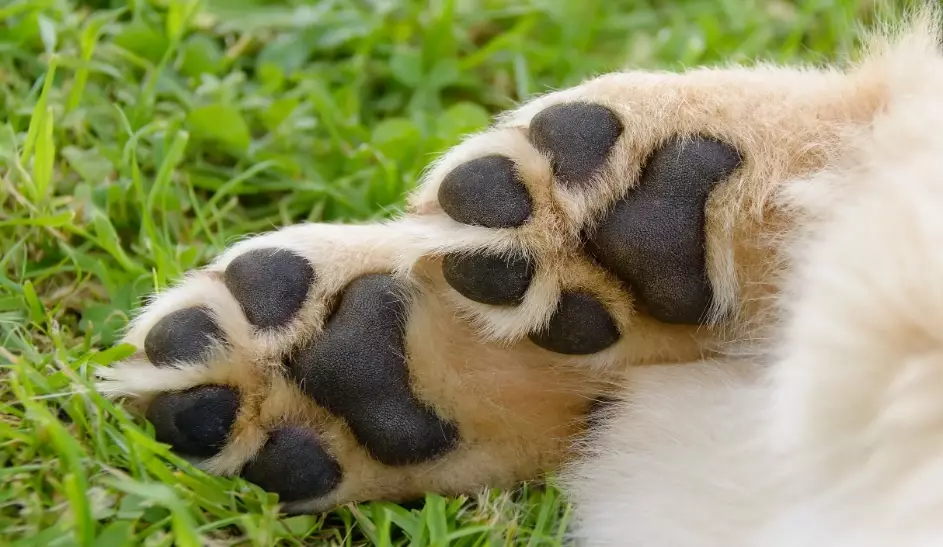
Spotting Trouble: Common Dog Paw Problems and What to Do
Even with great care, paws get into trouble. Knowing how to identify common issues is half the battle. Here’s a breakdown of what you might see.
| Problem | What It Looks/Feels Like | Likely Cause | Immediate Action & When to Vet |
|---|---|---|---|
| Cuts & Abrasions | Visible slice or scrape, bleeding, limping. | Broken glass, sharp rocks, metal edges. | Clean gently with saline or dilute antiseptic (chlorhexidine), apply pet-safe antibiotic ointment, bandage lightly if needed. Vet if deep, won't stop bleeding, or shows signs of infection (redness, pus). |
| Burns & Blisters | Red, darkened, or peeling pads; limping or refusing to walk; blisters. | Hot pavement/asphalt, hot sand, chemical spills. | Immediate cooling with cool (not ice-cold) water for 10 mins. Do not pop blisters. Vet visit needed for assessment and pain management. |
| Dry, Cracked Pads | Rough, flaky, cracked pads, sometimes with visible fissures. | Dry weather, cold air, rough surfaces, lack of natural conditioning. | Regular application of paw balm. For deep cracks, a vet may need to clean and suture to prevent infection. |
| Interdigital Cysts | Red, swollen, often oozing lumps between the toes. Dog licks/chews constantly. | Allergies (food/environmental), trapped moisture, foreign bodies, bacterial infection. | This usually requires a vet. They'll determine the root cause (allergy testing might be needed) and treat with antibiotics, anti-inflammatories, or medicated washes. |
| Yeast/Bacterial Infection | Reddish-brown staining on fur between toes, musty/cheesy odor, licking, inflammation. | Chronic moisture, allergies, weakened skin barrier. | Vet diagnosis is key. Treatment involves medicated shampoos/soaks (like those with chlorhexidine or miconazole), and addressing the underlying allergy. |
| Foreign Object | Sudden, intense lameness on one leg, licking one spot obsessively. | Foxtails, thorns, glass shards, small pebbles lodged between pads or toes. | Inspect carefully with good light and tweezers if visible and easily accessible. If deeply embedded or causing significant pain, go to the vet for safe removal. |
A constant, obsessive licking or chewing of the paws is almost never "just a habit." It's a sign of discomfort, pain, or itchiness. The saliva itself can make problems worse, creating a moist environment that leads to more irritation and infection—a vicious cycle known as a "lick granuloma." Getting to the root cause (allergies are a huge factor) is essential.
One thing the table doesn't fully capture is the panic of finding a foxtail. These grass awns are designed to burrow. If you see one sticking out, you can try to pull it gently with tweezers, but if it's already gone in, vet intervention is urgent. They can migrate inward, causing serious internal damage. I'm paranoid about them after a scare in a dry field.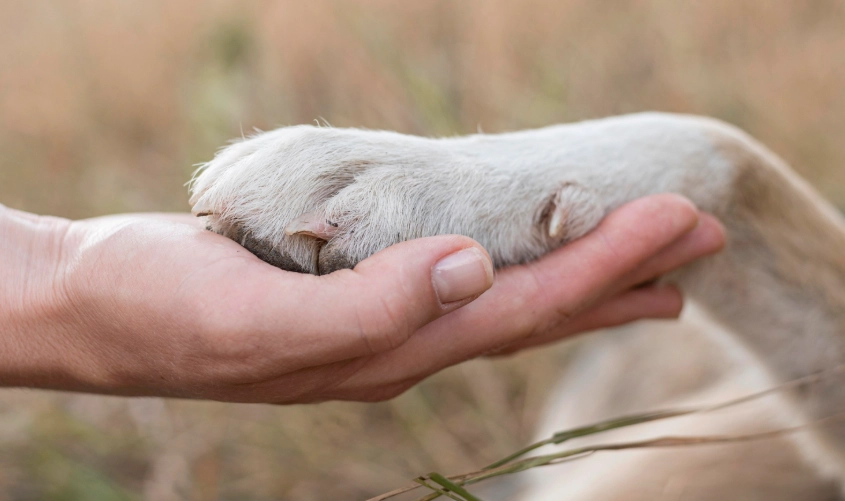
Seasonal Dog Paw Care: A Year-Round Job
Each season throws different challenges at those four precious paws. Your approach to dog paw care needs to adapt.
Summer: The Heat is On
The asphalt test is classic for a reason. If you can't comfortably hold the back of your hand on the pavement for 7 seconds, it's too hot for your dog's paws. Walk in the early morning or late evening, stick to grass or dirt paths. Paw wax can provide a temporary protective layer. After beach trips, rinse off salt and sand thoroughly—both are drying and abrasive. And watch out for lawns or parks that may have been treated with fertilizers or pesticides.
Winter: Salt, Ice, and Cold
This is a tough one. Road salt and chemical de-icers are extremely irritating and can be toxic if licked off. "Pet-safe" ice melts are better but can still be irritating. The best defense is a physical barrier: dog boots. I know, many dogs hate them. Charlie walked like a drunk giraffe the first ten times. But with patience and treats, most can tolerate them. If boots are a total no-go, a thorough wipe-down with a warm, damp cloth as soon as you get inside is mandatory to remove all residues. Don't forget to check for ice balls—clumps of snow and ice that form between the toes, which are painful and can cut. Trimming interpad hair helps prevent this. Balm is also crucial in winter to prevent cracking from dry, cold air.
Spring & Fall: The Allergy and Debris Seasons
For many dogs, seasonal allergies manifest in their paws. Pollen and mold spores land on the paws, get absorbed through the skin, and cause itchy inflammation. Wiping paws with a damp cloth or hypoallergenic wipe after every outdoor trip can physically remove these allergens. Fall brings its own hazards like fallen acorns (which can bruise pads), mushrooms, and those ever-present foxtails in dry grass.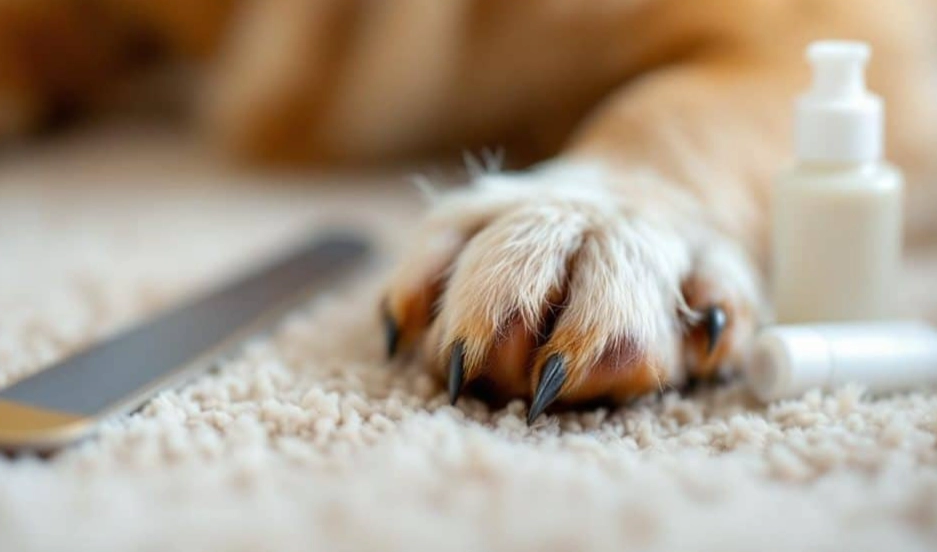
Answering Your Top Dog Paw Care Questions
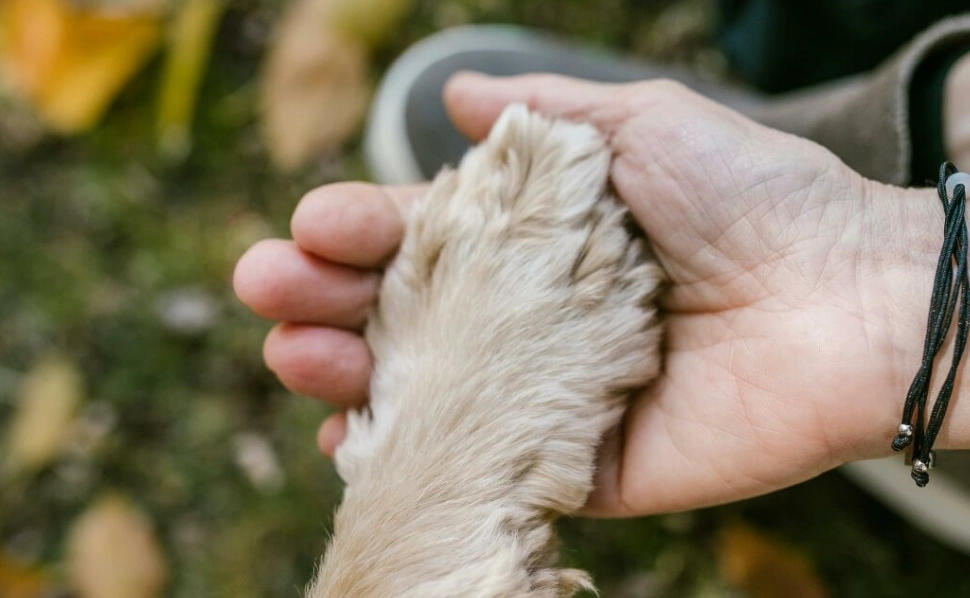 Paws are their connection to the world.
Investing time in dog paw care pays off in countless ways. It means more comfortable walks, fewer vet visits, and most importantly, a happier, more active companion by your side for all the years to come. It's one of those small, consistent acts of care that truly defines a great pet-parent relationship. Start tonight. After your next walk, sit down with your dog, give them a treat, and really look at those amazing paws that carry them through life. You might be surprised at what you see—and what you can prevent.
Leave a comment