What’s Inside:
- It's Not Just About the Scale: What "Big" Really Means for Cats
- Breaking Down the Numbers: A Breed-by-Breed Reality Check
- Why This Matters: The Hidden Health Risks of a 17-Pound Cat
- From Concern to Action: Your Vet-Approved Plan for a Healthier Weight
- Answering Your Top Questions About a 17-Pound Cat
- Keeping Track and Staying Motivated
You're looking at your cat, maybe feeling a little extra fluff around their middle, and you hop on the scale with them. The number comes up: 17 pounds. A question pops into your head, one that lots of cat owners search for—is 17 lbs big for a cat? The short, honest answer? In the vast majority of cases, yes. For most domestic cats, 17 lbs is firmly in the overweight or obese category. But that short answer doesn't help much, does it? It just makes you worry. I remember fretting over my friend's big, lazy tabby who clocked in at just over 17 lbs. He seemed happy, but he also wheezed after a short sprint after a toy mouse.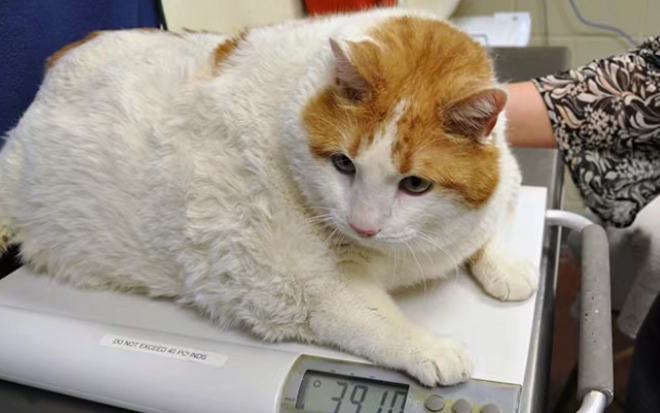
This isn't about shaming anyone. Loving our cats sometimes means we give a few too many treats, or we don't realize how those extra pounds sneak up. This guide is here to cut through the worry and give you clear, actionable facts. We're going to move past a simple yes or no and dig into what "big" really means, why it matters more than you might think, and most importantly, what you can actually do about it.
The Core Question, Answered: For a typical domestic shorthair or similar mixed-breed cat with an average frame, a healthy weight usually falls between 8 and 12 pounds. A 17 lb cat is often carrying 5-9 pounds of excess weight. That's like an average human carrying an extra 40-70 pounds around every single day. It's a significant load on their little bodies.
It's Not Just About the Scale: What "Big" Really Means for Cats
Focusing only on the number "17" is a common trap. I fell into it myself. A Maine Coon at 17 lbs might be perfectly sleek and muscular. A petite Siamese at 17 lbs is in serious trouble. So before we panic, we need better tools than just a scale.
Vets use something called a Body Condition Score (BCS), a hands-on visual assessment that's way more useful than weight alone. It's a scale from 1 (emaciated) to 9 (severely obese). You can do a basic version at home right now.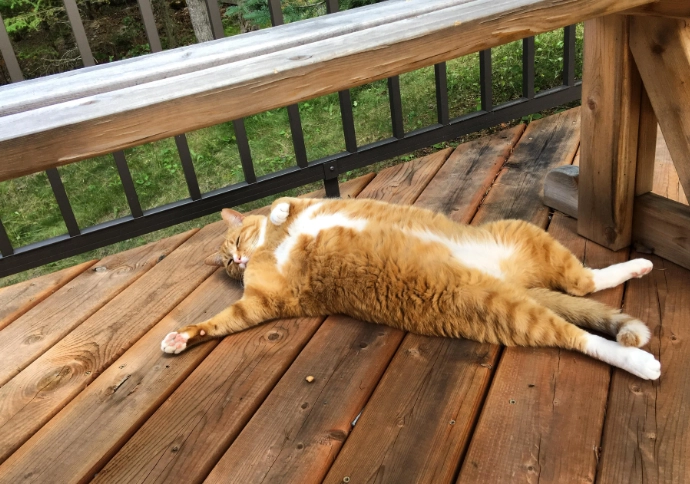
The At-Home Body Check
Run your hands along your cat's side. Can you easily feel their ribs with a very thin layer of fat over them, like the back of your hand? Good. If you have to press to find ribs, that's a red flag. Look at them from above. You should see a visible waist—an indent behind the ribs. From the side, their belly should tuck up, not hang down in a saggy pouch (note: a primordial pouch in some cats is normal, but it's loose skin, not solid fat).
If your cat has no visible waist and you can't feel their ribs, is 17 lbs big for a cat like yours? Almost certainly. That weight is likely mostly fat, not frame.
Breaking Down the Numbers: A Breed-by-Breed Reality Check
Let's get specific. This table shows why the question "is 17 lbs big for a cat?" needs context. A weight that's obese for one breed might be normal for another.
| Cat Breed / Type | Typical Healthy Weight Range | Is 17 lbs Big? The Verdict |
|---|---|---|
| Domestic Shorthair/Longhair (Mixed Breed) | 8 - 12 lbs | Yes, usually obese. This is 40-100% above ideal weight. |
| Maine Coon | 12 - 18 lbs (males often larger) | Potentially normal. Could be fit for a large male, but needs a BCS check. For a female, it's likely heavy. |
| Siamese, Abyssinian | 6 - 10 lbs | Definitely obese. This is nearly double their ideal weight, a severe health risk. |
| Ragdoll | 10 - 15 lbs (females), 15 - 20 lbs (males) | Borderline to overweight. For a large male, it might be okay. For a female, it's heavy. |
| Bengal | 8 - 15 lbs | Usually overweight. Bengals are muscular; 17 lbs is often excess fat unless the cat is exceptionally large-framed. |
See the difference? A 17 lb Maine Coon might just be a big boy. A 17 lb Siamese is a major cause for concern. This is why a vet's opinion is gold standard—they can account for frame size, muscle mass, and breed.
Why This Matters: The Hidden Health Risks of a 17-Pound Cat
Okay, so maybe your cat is big. They seem fine, right? They eat, purr, and nap. Why is everyone so worried? This is where we have to get real about the internal toll. Those extra pounds aren't just cushioning; they're actively damaging your cat's health. The International Cat Care organization is very clear about this: obesity is a disease, not a cosmetic issue.
The Tough List: Health Problems Linked to Feline Obesity
- Diabetes Mellitus: This is a huge one. Overweight cats are up to 4 times more likely to develop diabetes. Insulin injections, constant monitoring, and a strict diet become daily life. It's expensive and stressful for both of you.
- Arthritis & Joint Pain: Imagine the strain on those tiny joints. Obesity accelerates cartilage wear, causing painful arthritis. Your cat might stop jumping, playing, or using the litter box if it has high sides.
- Liver Disease (Hepatic Lipidosis): If an obese cat stops eating for even a few days (due to stress or illness), their body dumps fat into the liver to process it. The liver gets overwhelmed and fails. This is a life-threatening emergency.
- Urinary Tract Disease: Heavier cats are more prone to painful cystitis and blockages, especially in males.
- Skin Problems: They can't groom their back and base of tail properly. This leads to matting, dandruff, and skin infections.
- Shortened Lifespan: Studies consistently show that obese cats live, on average, 2-3 years less than their fit counterparts.
It's a depressing list, I know. I saw the early signs of arthritis in my friend's 17-pounder. He'd hesitate before jumping onto the couch, a jump he used to make effortlessly. It was a quiet sign of the constant, low-grade pain he was probably in. That's the sneaky thing—cats are masters at hiding discomfort.
From Concern to Action: Your Vet-Approved Plan for a Healthier Weight
So you've checked the body condition, looked at the breed chart, and you're concerned. What now? The worst thing you can do is suddenly slash their food. Crash dieting is dangerous for cats. The goal is safe, gradual weight loss—about 1% of their body weight per week. For a 17 lb cat, that's roughly 0.17 lbs per week. It's a marathon, not a sprint.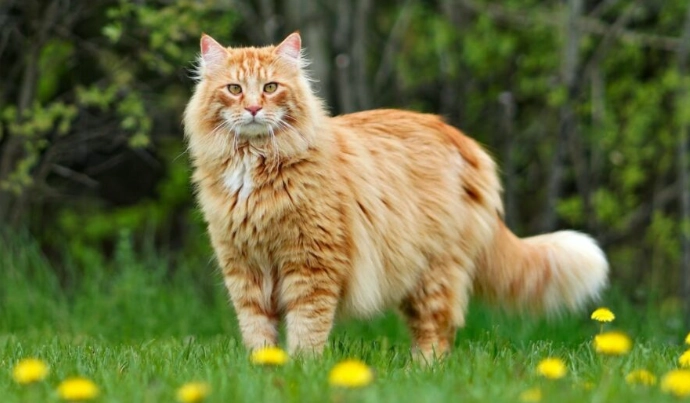
Step 1: The Vet Visit (Non-Negotiable)
Before you change anything, book a vet appointment. This is crucial. You need to:
1. Rule out medical causes (like hypothyroidism, which is rare but possible).
2. Get an exact target weight. Your vet will tell you, "This cat should be 12 pounds."
3. Develop a specific calorie plan. They'll calculate your cat's Resting Energy Requirement (RER) and prescribe a daily calorie intake. Guessing doesn't work.
Step 2: The Food Fix
This is usually the main culprit. We free-feed too much kibble, which is often high in carbs. Cats are obligate carnivores; their bodies are designed for protein and fat.
Practical Food Swaps:
- Measure Everything: Use a real measuring cup, not a scoop or a guess. Your vet will tell you how many cups or grams per day.
- Consider Wet Food: Canned food is higher in moisture and protein, lower in carbs. It's more satiating for fewer calories. Mixing wet and dry can be a great strategy.
- Check the Bag: Feed for your cat's target weight, not their current weight. The feeding guide on a bag for a 17 lb cat will keep them at 17 lbs!
- Stop Free-Feeding: Switch to 2-4 scheduled meals a day. This gives you control and helps their metabolism.
Step 3: The Movement Mission
A 17 lb cat is often sedentary. You have to gently encourage movement. Forget marathon play sessions; start with 5-minute bursts.
What worked for my friend? A laser pointer (always end with a tangible treat so they don't get frustrated) and a simple feather wand. The key was making the toy act like prey—darting, hiding, pausing. We also moved the food bowl to the top of a two-step cat tree. Just that little climb added movement to their day. Puzzle feeders are fantastic—they make the cat work for their food, engaging their brain and body.
Answering Your Top Questions About a 17-Pound Cat
Let's tackle some of the specific worries that pop up when you're searching is 17 lbs big for a cat.
My cat is 17 lbs but doesn't eat that much. Why?
This is super common. First, "not that much" is often more than they need, especially if it's calorie-dense dry food. Second, their metabolism may have slowed due to the weight itself and lower activity. It's a vicious cycle. A vet can pinpoint the exact calorie mismatch.
How long will it take for my 17 lb cat to lose weight safely?
If your cat's ideal weight is 12 lbs, that's a 5 lb loss. At a safe rate of 0.17-0.25 lbs per week, you're looking at 5 to 7 months. Patience is everything. Quick weight loss can cause liver failure.
What's the best diet food? Should I just buy "weight management" kibble?
I'm skeptical of many "diet" kibbles. Some just replace fat with fillers like corn and carbs, which isn't ideal for cats. The best "diet" is the right amount of a high-protein, quality food. Your vet may recommend a therapeutic weight loss diet, which is formulated to be filling with fewer calories. The Cornell Feline Health Center provides excellent, science-backed resources on feline nutrition that can help you navigate these choices.
My other cat is a healthy weight. How do I feed them separately?
This is a real headache. Options: feed in separate rooms with closed doors, use microchip-activated feeders (a game-changer but an investment), or feed the slim cat up high where the heavy cat can't jump. It's extra work, but it's necessary.
Keeping Track and Staying Motivated
Weigh your cat monthly, not weekly. Weekly fluctuations can discourage you. Use the same scale. Take a monthly photo from above and the side. Over months, you'll see that waist reappear, and that's the best motivation.
Celebrate non-scale victories: "She jumped onto the windowsill today!" "He groomed his entire back!" These are signs of improved health and comfort.
So, let's circle back to the big question one last time. Is 17 lbs big for a cat? For most cats sharing our homes, the resounding answer is yes. It's a weight that signals it's time to pay attention. But it's not a life sentence. It's a starting point. With a vet's guidance, a measured approach to food, and a commitment to gentle play, you can help your cat shed those dangerous extra pounds. You'll be rewarded with a more active, playful, and likely longer-lived companion. And that's worth every bit of effort.






Leave a comment