Your dog starts pacing at 3 AM, confused in a corner of the living room. They don't recognize their favorite toy, or maybe they've started having accidents after a lifetime of perfect house training. If this sounds familiar, you're likely facing canine cognitive dysfunction (CCD), often called dog dementia. It's heartbreaking. The good news? You're not powerless. While there's no cure, dog dementia medicine and a strategic care plan can significantly slow the decline and bring back moments of your old friend. This guide cuts through the confusion to show you what actually works, from prescription pills to home adjustments you can make tonight.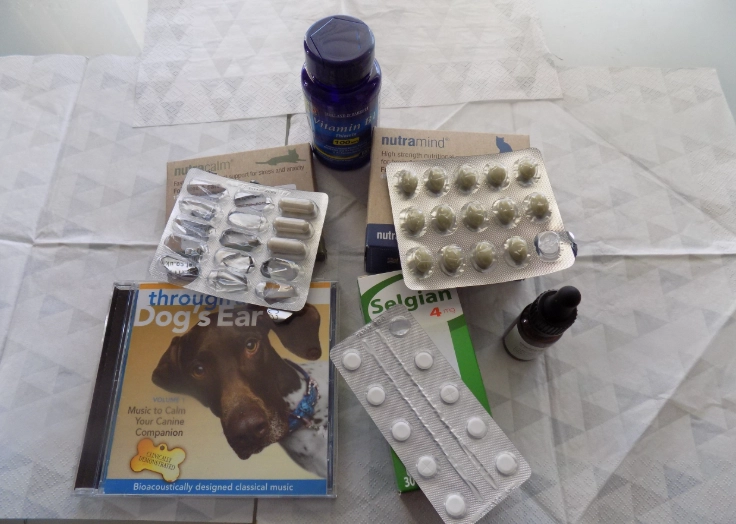
What's Inside This Guide
Understanding Dog Dementia: More Than Just "Getting Old"
First, let's clear something up. Stumbling on a slippery floor is aging. Staring at a wall for 20 minutes is not. CCD is a progressive brain disease, similar to Alzheimer's in humans. Plaques and tangles form in the brain, disrupting communication between cells. The signs often follow the acronym DISHA:
- Disorientation: Getting stuck behind furniture, forgetting the door's location.
- Interactions changed: Less interest in greeting you, increased irritability.
- Sleep-wake cycle disruptions: Pacing and whining all night, sleeping all day.
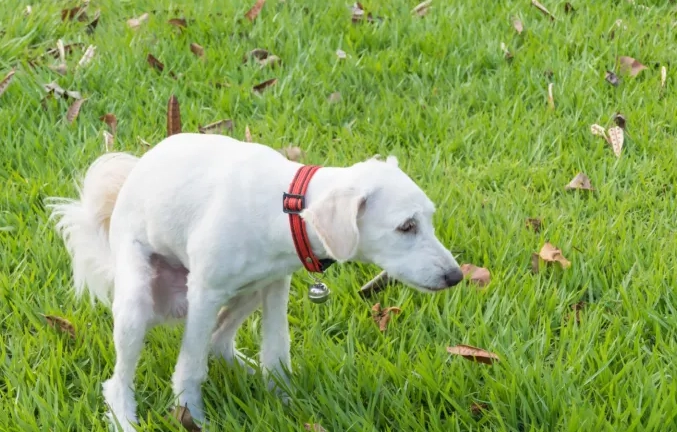
- House soiling: Forgetting lifelong training.
- Activity level changes: Pacing aimlessly or showing decreased interest in walks.
I've seen too many owners write these off as inevitable old age. That's the first mistake. Early diagnosis is your biggest ally. The moment you suspect something's off, schedule a vet visit. They'll rule out other issues like arthritis pain, urinary infections, or vision loss that can mimic dementia symptoms. A study published in the Journal of the American Veterinary Medical Association found that over 60% of dogs show some signs of CCD by age 15. It's common, but it's not untreatable.
A quick note on cost: The financial side of this journey worries everyone. A vet consultation for cognitive issues might run you $75-$150. Diagnostic blood work to rule out other problems can add another $100-$300. The medications themselves vary, which we'll get into next. It's not cheap, but viewing it as an investment in quality of life—for both you and your dog—helps frame the decision.
Prescription Dog Dementia Medicine: The Core Options
When it comes to FDA-approved or commonly prescribed dog dementia medicine, the landscape isn't huge, but the options are impactful. Think of medication not as a magic bullet, but as a foundation that makes all your other efforts—training, routine, love—more effective.
Here’s a breakdown of the primary pharmaceutical players. This table gives you the snapshot, but the real-world details follow.
| Medication Name (Generic) | Primary Function | Typical Dosage Range | Common Side Effects to Watch | Estimated Monthly Cost* |
|---|---|---|---|---|
| Selegiline (Anipryl®) | Enhances dopamine activity; neuroprotective. | 0.5 - 1.0 mg/kg once daily in the morning. | Vomiting, diarrhea, restlessness. Can interact with other drugs. | $60 - $120 |
| Propentofylline (Vivitonin®/Karsivan®) | Improves blood flow and oxygen to the brain. | 3 mg/kg twice daily. | Generally well-tolerated. Rare GI upset or restlessness. | $40 - $80 |
| Anti-anxiety Meds (e.g., Trazodone) | Manages anxiety, pacing, and nighttime restlessness. | Varies widely by dog and specific drug. | Sedation, lethargy, occasional GI issues. | $20 - $60 |
*Costs are approximate and vary by pharmacy, location, and dog's weight. Always get a precise quote from your vet.
Selegiline (Anipryl®): The Go-To Neuroprotector
This is often the first line of defense. It works by increasing dopamine levels in the brain, which helps with alertness and cognitive function. It might also have some neuroprotective qualities, potentially slowing the disease's progression.
My experience? It works best for dogs in the early to mid-stages. The catch is timing. It must be given in the morning with food. Giving it at night is a classic owner error that can completely disrupt your dog's sleep. It can take 4-8 weeks to see the full effect, so patience is key. Don't expect a transformation on day three.
Propentofylline (Vivitonin®/Karsivan®): The Blood Flow Booster
This drug works on a different principle—improving cerebral blood flow and oxygen uptake. Think of it as giving the brain a better fuel supply. Vets often like it because it's very well-tolerated with few side effects. Some use it alone, others combine it with Selegiline for a multi-pronged approach, though that's an "off-label" use your vet would need to guide.
I've seen it work wonders for dogs who seem "sluggish" or particularly disoriented. The improvement isn't always dramatic, but a client once told me, "He just seems more present after two months on it." That's a win.
Managing Anxiety and Sleep: The Supporting Cast
Here's a nuance many miss: the anxiety and sleeplessness caused by dementia often cause more immediate distress than the memory loss itself. A dog pacing and panting all night is suffering. This is where medications like Trazodone or (in severe cases) a sedative like Gabapentin come in. They don't treat the dementia directly, but they treat a major symptom.
Using these situationally—like a dose of Trazodone 90 minutes before a stressful car ride or at bedtime on particularly bad nights—can be a game-changer for household sanity and your dog's peace. It's not failure; it's compassionate symptom management.
Going Beyond Prescription Pills: Supplements & Natural Aids
Medicine is one pillar. Nutrition is another. The supplement aisle is overwhelming, so let's focus on the ingredients with actual research behind them, not just marketing.
Medium-Chain Triglycerides (MCTs): This is the hottest topic in canine cognitive support. MCTs, often from coconut oil, are metabolized into ketones, which can provide an alternative energy source for a brain struggling to use glucose. A study from the University of Edinburgh showed promising results. The key? Don't just scoop coconut oil from your pantry. The concentration of MCTs in plain coconut oil is variable. Look for a canine-specific MCT oil or a brain health supplement containing concentrated MCTs. Start with a tiny dose to avoid stomach upset.
Antioxidant Blends (Senilife®, Aktivait®): These are combo supplements containing ingredients like vitamins E and C, alpha-lipoic acid, L-carnitine, and coenzyme Q10. The theory is they combat oxidative stress in the aging brain. The evidence is more mixed than for MCTs, but many vets and owners report good results, especially when started early. They're generally safe, making them a low-risk addition.
Sam-e (Denosyl®): This is a compound that supports liver function and has mood-boosting properties. Its direct effect on dementia is less clear, but because it's often used for age-related issues anyway, it can be part of a broader senior wellness plan.
The biggest mistake I see is owners spending a fortune on ten different supplements. Pick one core brain support supplement (like an MCT-based one) and maybe an antioxidant blend. More isn't better; it's just more expensive and harder on your dog's digestive system.
Creating Your Dog's Dementia Care Plan
Pills and supplements are just tools. The real magic happens in your daily routine. Medicine might improve brain function by 20%, but the right environment can prevent 80% of the stress-induced meltdowns.
Environmental Modifications You Can Do Tonight:
- Light it up: Keep a few low-wattage night lights on in hallways and near their bed. Darkness increases disorientation.
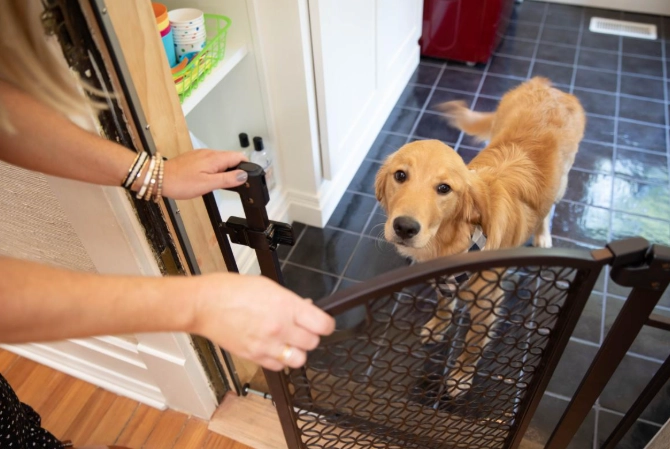
- Simplify the floor plan: Use baby gates to block off stairs or areas where they get stuck. Create a clear, easy path to the door they use for potty breaks.
- Non-slip is everything: Area rugs, yoga mats, or toe grips on slippery floors. Fear of falling causes immense anxiety.
- Consistency is king: Feed, walk, and medicate at the exact same times every day. A predictable world is a less scary world.
Mental Engagement (The Gentle Kind):
Forget complex new tricks. Focus on gentle, familiar mental stimulation. Five minutes of sniffing on a walk is better than a 30-minute forced march. Use a snuffle mat for meals. Practice simple, well-known cues like "sit" for treats to build confidence. The goal is engagement, not frustration.
Let me share a case that stuck with me. Max, a 14-year-old Lab, was on a good dose of Selegiline but was still having nightly accidents and seemed withdrawn. We didn't change the medicine. We added a timed, dim light in his sleeping area, put a washable pad right by his bed (accepting that if he needed to go, he'd go there), and his owner started hand-feeding him part of his dinner from a snuffle mat. The anxiety-induced accidents stopped within a week, and he seemed more connected. The medicine set the stage, but the environmental tweaks solved the problem.
Your Top Questions on Dog Dementia Treatment, Answered


Leave a comment