Your Reading Roadmap
Okay, let's talk about this. You're here because your furry best friend has had diarrhea for five days straight. Five whole days. That's the part that's starting to really worry you. But then you look over at them, and they're wagging their tail, begging for treats, running around like nothing's wrong. It's confusing, right? The disconnect between the messy problem and their seemingly perfect energy is enough to make any dog parent scratch their head. I've been there myself, pacing the kitchen floor while my dog snoozed peacefully on the couch, completely unbothered by the digestive drama.
This scenario—my dog has had diarrhea for 5 days but is acting normal—is way more common than you might think. It creates a unique kind of pet owner anxiety. Is it serious? Is it not? Should I rush to the emergency vet or just wait it out? The fact that they're acting fine is the biggest reason we often hesitate. We think, "Well, if he's sick, he'd be lethargic." But that's not always how a dog's body works.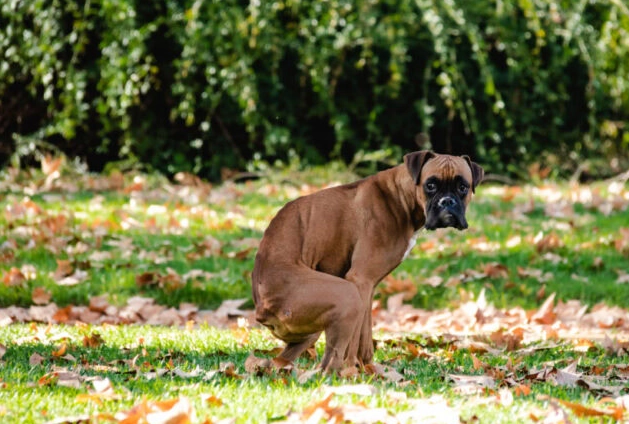
Stick with me. We're going to dig into exactly why this happens, when you should genuinely start to worry, and what you can safely do at home. This isn't about scaring you; it's about giving you a clear, practical roadmap so you can make the best decision for your pup.
Why is This Happening? The "Acting Normal" Diarrhea Culprits
Let's break down the likely suspects. When your dog has diarrhea for 5 days but acts normal, the issue is often localized to the gastrointestinal tract. Their spirit is willing, but their gut is weak. Here are the top contenders.
Dietary Indiscretion or Sensitivity
This is the classic. It doesn't always mean they got into the trash (though that's a prime suspect). It could be:
- A new food or treat: Even a "high-quality" new kibble can upset a sensitive stomach if introduced too quickly.
- One too many rich scraps: That bit of fatty steak or greasy burger from the weekend barbecue? Big trigger.
- A food intolerance: This is different from a full-blown allergy. Your dog might struggle to digest a specific protein (like chicken or beef) or carbohydrate source, leading to chronic, low-grade irritation and diarrhea, even while they still feel hungry and happy.
- Dietary fiber imbalance: Too much or too little fiber in their diet can throw things off for days.
The thing with dietary causes is they can take time to resolve. The offending ingredient needs to pass through the system, and the inflamed gut lining needs to heal. Five days is right in that window where a simple indiscretion is winding down, or a sensitivity is proving persistent.
Intestinal Parasites
Worms and protozoa like Giardia are masters of causing trouble without necessarily making a dog feel awful. Think about it from the parasite's perspective: its goal is to live in your dog's intestines, not kill its host. So, your dog might harbor Giardia, whipworms, or roundworms, experiencing intermittent or persistent diarrhea, while otherwise maintaining their appetite and energy. It's sneaky. A fecal test at the vet is the only way to rule this out for sure.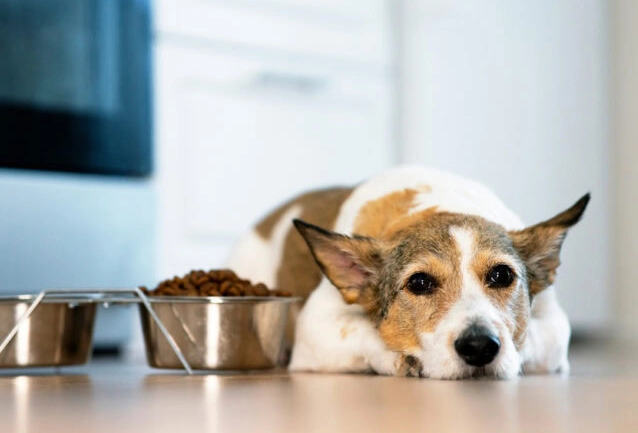
Mild Bacterial Imbalance or Infection
The gut is full of bacteria—good and bad. Sometimes, the balance gets tipped. A mild bacterial overgrowth (like from eating something slightly off) can cause diarrhea as the body tries to flush it out. Antibiotics, ironically, can also cause this by wiping out the good bacteria along with the bad. Again, the dog might not feel systemically ill, but their digestive tract is in revolt.
Chronic Conditions Starting to Show
This is where we need to pay closer attention. Sometimes, persistent diarrhea is the first, and for a long time, the *only* sign of a deeper issue. Conditions like Inflammatory Bowel Disease (IBD), early-stage kidney issues, or certain pancreatic insufficiencies (like Exocrine Pancreatic Insufficiency, or EPI) can manifest this way. The dog acts normal because the body is compensating... for now. This is why the "5-day" mark is a key decision point. It moves the issue from "acute" to "persistent," warranting a professional look.
I remember a friend's Border Collie who had on-and-off diarrhea for weeks. She was a ball of energy, so they kept thinking it was just something she ate. Turns out it was a chicken intolerance. Switched her protein source, and the problem vanished. It's a good reminder that the simplest answer is often the right one, but you have to go looking for it.
The 5-Day Mark: Your Decision Guide (To Vet or Not to Vet?)
Here’s the practical part. What should you do right now? I’m not a vet, but this is the general consensus and logic I’ve learned from experience and research. Use this as a thinking tool.
The fact that it's been five days changes the game. For a single day of diarrhea? Sure, bland diet, watchful waiting. Two days? Okay, getting concerned. Five days of diarrhea, even with a normal-acting dog, means the body isn't resolving the issue on its own. It's time for a more proactive plan.
| Scenario & Signs | Likely Category | Recommended Action |
|---|---|---|
| Green Light for Home Care (For Now): Dog is truly normal—playful, eating, drinking. Stool is just soft/loose, not watery or bloody. No vomiting. | Mild dietary upset, possible simple parasite. | Start a strict bland diet (see next section). Collect a fresh stool sample. If no improvement in 24-48 hours on bland food, call the vet. |
| Yellow Light - Vet Call Needed: Dog acts normal BUT diarrhea is consistently watery, has lasted 5+ days, or you see mucus. Appetite might be slightly off. | Persistent irritation, likely parasite, bacterial issue, or food intolerance. | Call your vet to schedule an appointment. This is the core scenario of this article. It's not an emergency, but it needs professional diagnosis. Bring your stool sample. |
| Red Light - Seek Immediate/Vet Care: Any of these: Lethargy, vomiting, loss of appetite, blood in diarrhea (red or black/tarry), signs of pain, distended abdomen, or if your dog is very young, very old, or has a pre-existing condition. | Potential systemic illness, obstruction, toxin, or severe infection (like parvovirus in unvaccinated dogs). | Contact your vet or emergency clinic immediately. The "acting normal" ship has sailed. |
Look, the biggest mistake I see people make (and I've made it) is waiting too long because the dog "seems okay." Dehydration can sneak up on you. Nutrient malabsorption starts to happen. Getting a diagnosis on day 5 or 6 is smarter than struggling on day 10 when your dog finally *stops* acting normal because they're worn down.
What You Can Do at Home: The Vet-Approved Game Plan
So you've decided your dog's situation fits the "yellow light"—they're acting fine but the diarrhea is persistent. You've made a vet appointment for tomorrow. What do you do tonight? Here’s a step-by-step, safe approach.
Step 1: The Strategic Fast (Optional, but Often Helpful)
Controversial opinion time: the old advice of withholding all food for 24 hours isn't always best, especially for smaller dogs or after a few days. It can be useful for a very upset stomach, but after 5 days, the gut needs gentle nutrition to heal. A shorter fast of 12 hours (just overnight) can give the intestines a brief rest. Always ensure fresh water is available. If your dog is a toy breed, diabetic, or has other health issues, skip the fast and go straight to bland food.
Step 2: The Famous Bland Diet
This is your new best friend. The goal is to provide easily digestible calories that are binding.
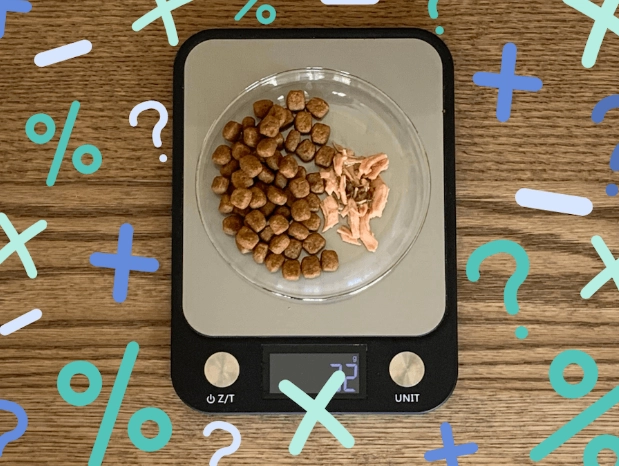
- The Classic Combo: Boiled, skinless, boneless chicken breast (or lean ground turkey) mixed with plain, cooked white rice. The ratio should be about 1/3 protein to 2/3 rice.
- Alternative Protein: If chicken is a potential trigger, use boiled lean ground beef (drained of all fat) or even scrambled egg (with no butter or milk).
- Alternative Carb: Plain, cooked pumpkin (not pie filling!) or mashed, cooked sweet potato can be good for fiber. Some dogs do better with these than rice.
Feed small, frequent meals. Think 1/4 of their normal meal amount, but 4 times a day. This is less work for the irritated gut.
Step 3: The Stool Sample
Don't forget this! Your vet will need it. Use a clean baggie or a container your vet provides. Collect a fresh sample (from the next bowel movement) and keep it refrigerated until your appointment. This is the single most useful thing you can bring.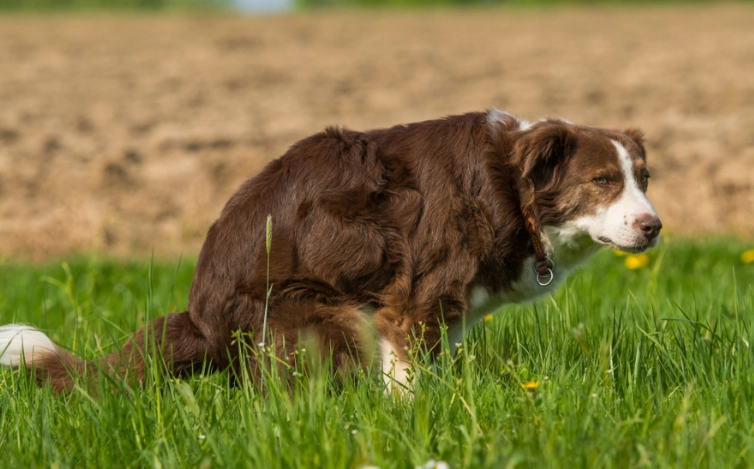
Step 4: Hydration Watch
Even if they're drinking, diarrhea loses a lot of fluid. Check for dehydration by gently pinching the skin at the back of their neck. If it snaps back quickly, they're okay. If it retracts slowly ("tenting"), they're dehydrated. You can also offer ice cubes or a bit of low-sodium chicken broth (onion and garlic-free) to encourage drinking.
How long on bland diet? Typically 2-3 days after the diarrhea has fully resolved. Then, transition back to regular food over 3-4 days by slowly mixing in their regular kibble. Going back too fast is a surefire way to restart the whole cycle.
What Will the Vet Do? Demystifying the Visit
You go in, stool sample in hand, explaining that your dog has had diarrhea for 5 days but is acting normal. What's next? A good vet will follow a logical process.
- Detailed History: They'll ask you everything: diet changes, access to garbage/plants/foreign objects, recent activities, color/consistency/frequency of stool, any other subtle changes you've noticed. Be thorough.
- Physical Exam: They'll feel the abdomen for pain or abnormalities, check for dehydration, listen to the heart and lungs, and check their weight.
- Fecal Exam: This is key. They'll look for parasites (worms, Giardia) under a microscope. This often solves the mystery right away.
- Possible Next Steps: If the fecal is clear and the dog is otherwise healthy, they might:
- Prescribe a broad-spectrum dewormer/anti-protozoal just in case.
- Recommend a dietary trial with a novel protein (like salmon or duck) or hydrolyzed prescription diet to rule out food intolerance.
- Suggest probiotics to help rebalance gut flora. The American Animal Hospital Association's nutrition guidelines discuss the role of functional foods like probiotics.
- In persistent cases, they may recommend blood work to check organ function or tests for specific diseases like EPI or Addison's.
The goal is to move from "treating the symptom" to "finding the cause." It might take a little detective work.
Common Questions Answered (The Stuff You're Really Wondering)
Is it okay to give my dog over-the-counter anti-diarrhea medicine?
Short answer: Do not do this without explicit vet instruction. Human medications like Imodium (loperamide) can be toxic to some dog breeds (like herding breeds) and can mask symptoms or worsen certain conditions (like toxin ingestion or infections). It's a risk not worth taking.
What if the diarrhea is a weird color?
Color gives clues. Yellow/orange often suggests issues moving too fast through the upper GI tract. Green can mean they ate grass (or something with green dye). Black, tarry stool is a sign of digested blood (upper GI) and is an emergency. Red, streaky blood is fresh blood (lower GI/colon) and warrants a vet call. If you see anything alarming, take a picture to show your vet.
My dog wants to eat everything, including grass. Should I let them?
Dogs sometimes eat grass to induce vomiting or soothe their stomach. A little bit is usually harmless, but it can also introduce parasites or irritate the stomach more. On a bland diet, it's best to try and limit it if you can during walks.
Are probiotics worth it?
They can be a helpful tool, not a magic bullet. After a gut upset, replenishing good bacteria makes sense. However, not all probiotics are created equal. Ask your vet for a recommended veterinary-grade product. The ones designed for humans may not have the right strains for dogs. The FDA also monitors pet food and supplements, and you can check for safety information on their pet food safety page for general guidance.
Could this be stress-related?
Absolutely. Stress colitis is a real thing. A recent change (new pet, construction, travel, owner's schedule change) can trigger diarrhea that lasts for days. The dog may seem otherwise normal because they're not "sick" with a bug, but their gut is reacting to anxiety. This is often a diagnosis of exclusion after ruling out physical causes.
The Bottom Line Takeaway
If your dog has had diarrhea for 5 days but is acting normal, here's the simplest summary: The "acting normal" part buys you a little time to be methodical, not complacent. It's your signal to shift from passive waiting to active management. Start a strict bland diet, collect that all-important stool sample, and make a non-emergency vet appointment. You're not overreacting. You're being a responsible pet parent who understands that five days is the line where "wait and see" turns into "let's figure this out." Trust your gut—if something feels off even though your dog seems okay, getting a professional opinion is always the right move. Your dog's long-term health will thank you for it.


Leave a comment