Let's cut right to the chase. That little herb garden on your windowsill or the seasonings in your kitchen cabinet? Some of them are straight-up poison for your dog. It's a scary thought, especially since many of us assume "natural" equals safe. It doesn't. A dog's metabolism is wildly different from ours. What's a flavor booster for you can cause organ failure for them. I've seen the panic in a friend's eyes when their curious Labrador got into a pot of chives. It's not a scene you want in your home.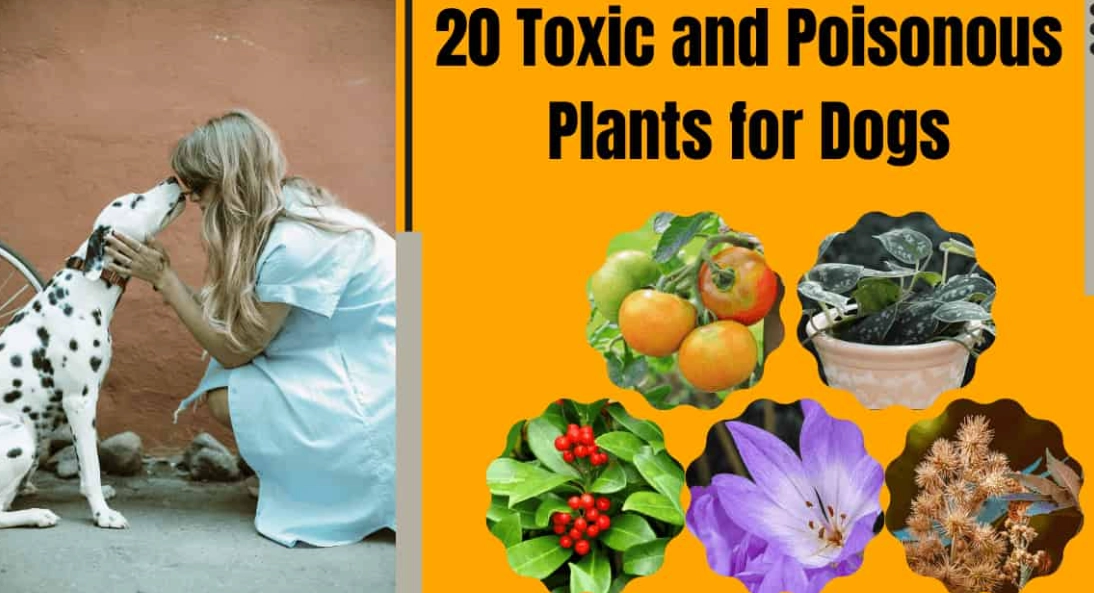
在这篇文章中
Why Are Some Herbs Toxic to Dogs?
Dogs lack certain liver enzymes that humans have to break down specific plant compounds. Think of it like trying to run software without the right operating system—it crashes. Compounds like thiosulfates in onions and garlic damage red blood cells. Essential oils and phenols in herbs like pennyroyal can overwhelm a dog's system, leading to neurological or liver damage. The dose matters, but with small dogs, even a small amount of a concentrated dried herb can be dangerous. Puppies and older dogs with existing health issues are even more vulnerable.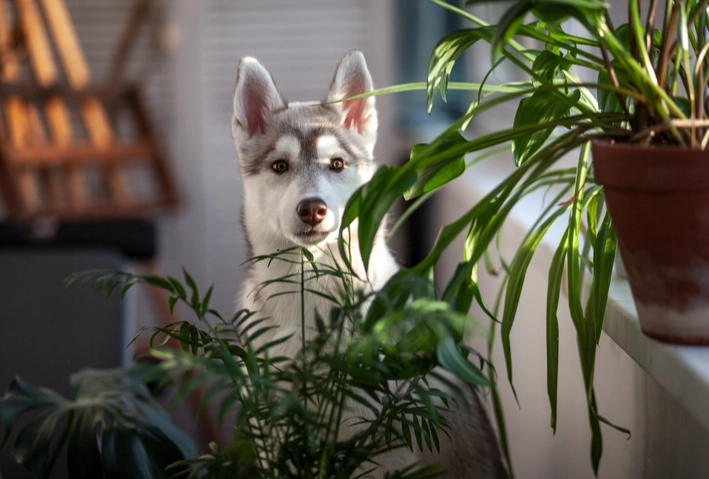
The Most Dangerous Herbs for Dogs
This isn't an exhaustive list of every plant, but these are the usual suspects you're likely to have at home or in your garden. Memorize this top tier.
| Herb Name | Toxic Parts | Key Toxic Compound | Potential Effects |
|---|---|---|---|
| Garlic & Onions (Allium family) | All parts (bulb, leaves, powder, cooked) | Thiosulfates, N-propyl disulfide | Hemolytic anemia (destroys red blood cells), weakness, pale gums, red urine. |
| Chives & Leeks | All parts | Thiosulfates | Same as garlic/onions, often more potent per gram. |
| Marijuana (Cannabis) | All parts, especially edibles | THC (tetrahydrocannabinol) | Incoordination, lethargy, urinary incontinence, low heart rate, seizures. |
| Pennyroyal | Leaves, oil | Pulegone (essential oil) | Severe liver failure, neurological damage, death. |
| Ephedra (Ma Huang) | Whole plant | Ephedrine, pseudoephedrine | Agitation, elevated heart rate and blood pressure, seizures, hyperthermia. |
| Comfrey | Leaves, roots | Pyrrolizidine alkaloids | Liver damage and failure, often with delayed symptoms. |
| Foxglove | Leaves, flowers, seeds | Cardiac glycosides (digoxin) | Life-threatening heart arrhythmias, vomiting, diarrhea, death. |
| Mugwort (in large amounts) | Leaves, essential oil | Thujone, essential oils | Neurological symptoms, tremors, seizures. |
A note on marijuana toxicity: Cases have skyrocketed with legalization. The real danger is often the edibles—they contain high doses of THC and are often made with xylitol (another severe toxin) or chocolate. A dog eating a pot brownie is facing a triple threat.
Symptoms of Herb Poisoning in Dogs
Symptoms can appear within hours or be delayed for a day or two. They vary wildly based on the herb.
Gastrointestinal Signs (Most Common)
Vomiting, diarrhea (sometimes bloody), drooling, loss of appetite, nausea. These are often the first signals something's wrong.
Neurological Signs
This is where it gets serious. Watch for tremors, seizures, stumbling, acting "drunk," extreme lethargy or agitation, dilated pupils.
Cardiac & Respiratory Signs
Irregular heartbeat, rapid breathing, coughing, weakness, collapse. These are emergency signs, especially with foxglove or ephedra.
Other Systemic Signs
Pale gums (indicating anemia from garlic/onions), yellow gums/whites of eyes (jaundice from liver failure), red or brown urine.
If you see any cluster of these symptoms and suspect herb ingestion, don't wait. Time is tissue—especially liver or heart tissue.
What to Do If Your Dog Eats a Toxic Herb
Stay calm. Panic helps no one. Follow these steps in order.
- Remove your dog from the source. Get any remaining plant material out of their mouth if you can do so safely.
- Identify the herb. Take a picture or grab a sample. This is crucial for the vet.
- Call for help immediately. Do not wait for symptoms. Call your regular vet, an emergency vet clinic, or a pet poison helpline.
The ASPCA Animal Poison Control Center (APCC) is a gold-standard resource (888-426-4435). There's a fee, but you get direct access to veterinary toxicologists. Also, the FDA's Center for Veterinary Medicine provides official safety information.
What not to do: Do not induce vomiting unless explicitly instructed by a veterinarian or poison control expert. Some toxins can cause more damage coming back up.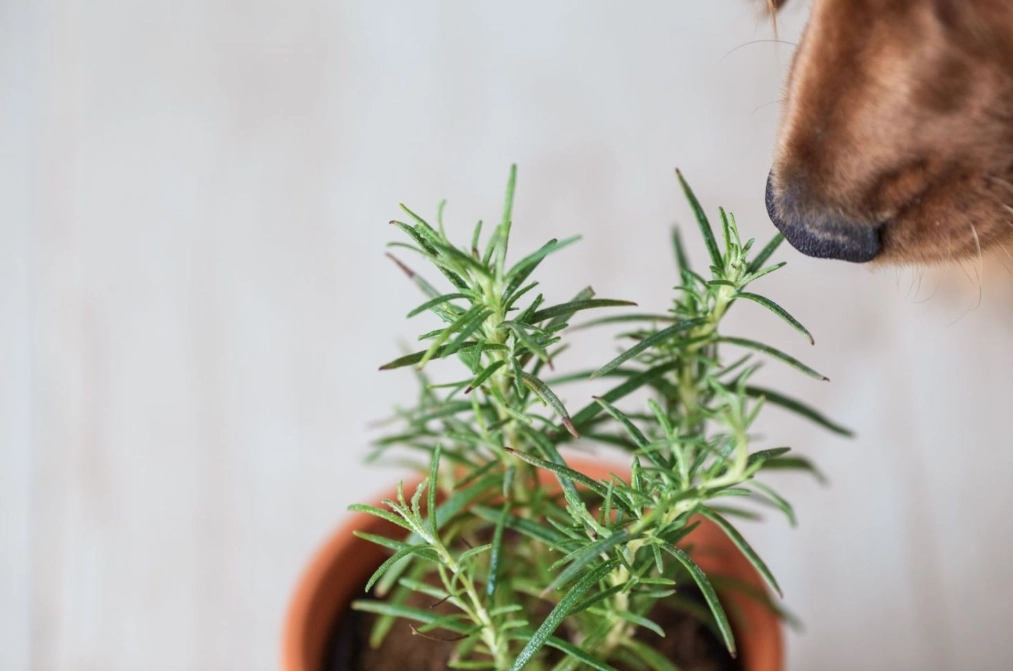
How to Prevent Accidental Poisoning
Prevention is boring until it saves your dog's life. Make these habits.
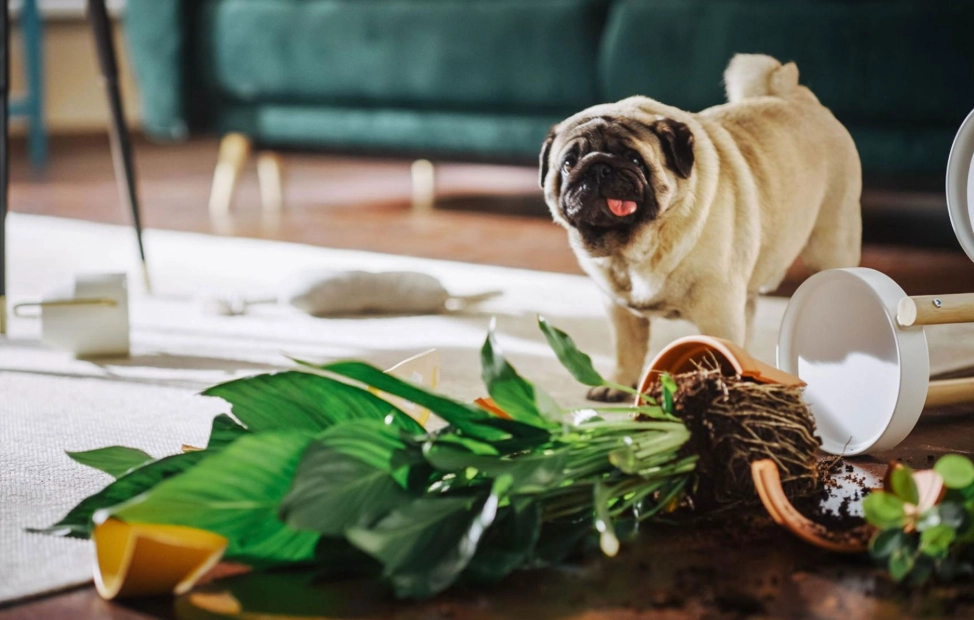
- Audit your garden and home. Walk your yard. Identify every plant. Remove foxglove, pennyroyal, or other toxic ornamentals. Grow safe herbs in raised beds or hanging planters dogs can't reach.
- Secure your kitchen. Keep garlic, onions, and powdered seasonings in high cabinets. Wipe counters clean of food prep debris immediately.
- Read labels on everything. Broths, stocks, baby food, pre-made meals. "Natural flavors" can be a red flag.
- Train a solid "leave it" command. This is your best behavioral defense for walks and garden time.
- Supervise in new environments. Hiking, visiting friends, farmers' markets—stay alert.
Safe Herb Alternatives for Dogs
The good news! Many herbs are fantastic for dogs in appropriate amounts. Always introduce new things slowly and consult your vet, especially if your dog has health conditions.
Parsley: Freshens breath, rich in antioxidants. Use fresh, chopped, sparingly.
Basil: Anti-inflammatory, good for arthritis. A few fresh leaves are fine.
Oregano: Has antimicrobial properties. Use dried, a tiny pinch mixed in food.
Thyme: Can help soothe coughs. Again, a small amount.
Dill: Can aid digestion and reduce gas.
Ginger: Excellent for nausea and motion sickness. A small slice of fresh ginger or a pinch of powder.
Turmeric: Powerful anti-inflammatory. Must be mixed with black pepper and a fat (like coconut oil) for absorption. Start with a tiny amount.
I occasionally sprinkle a "doggy herb mix" of dried parsley, basil, and oregano on my dog's dinner. He loves it, and it's a safe way to add variety.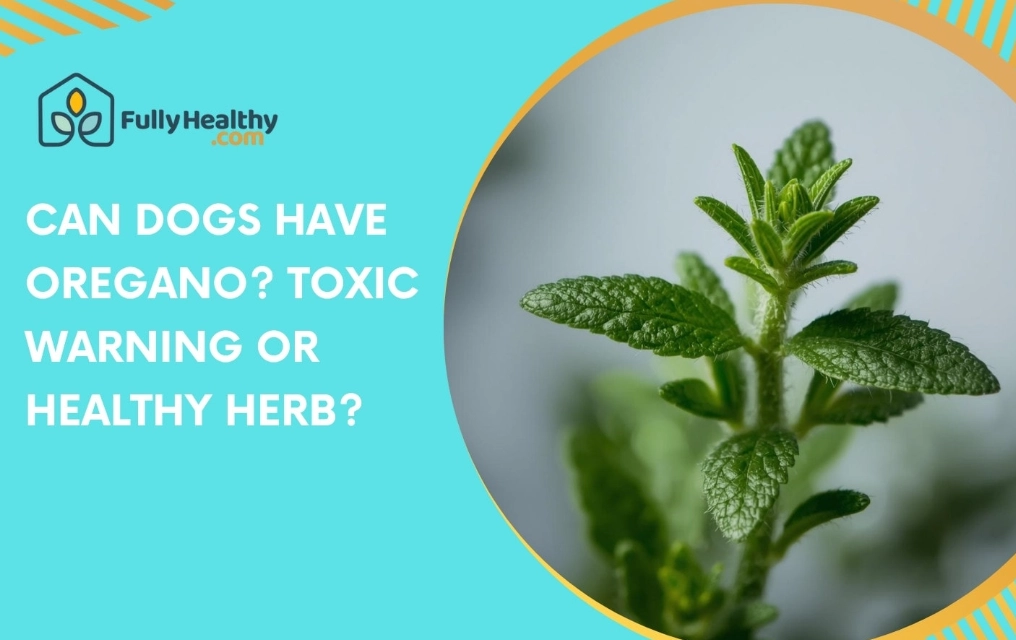
Your Questions, Answered
 I use essential oils in a diffuser. Is that safe around my dog?



Leave a comment