As someone who's been making homemade dog food for over a decade, I get this question all the time. You're staring at your spice rack, wondering if that pinch of turmeric or sprinkle of parsley could actually benefit your furry friend. The short answer is yes, absolutely—but with major, non-negotiable caveats. The world of spices for dogs isn't about making their food taste better for us; it's about leveraging tiny amounts of powerful plant compounds for specific health benefits. And getting it wrong can be dangerous.
Let's cut through the noise. This guide isn't a list copied from other sites. It's based on veterinary resources, toxicology databases like the ASPCA Animal Poison Control Center, and my own trial-and-error (mostly error in the early days). We'll cover what's safe, what's deadly, and the precise, boring details of dosage that most articles gloss over.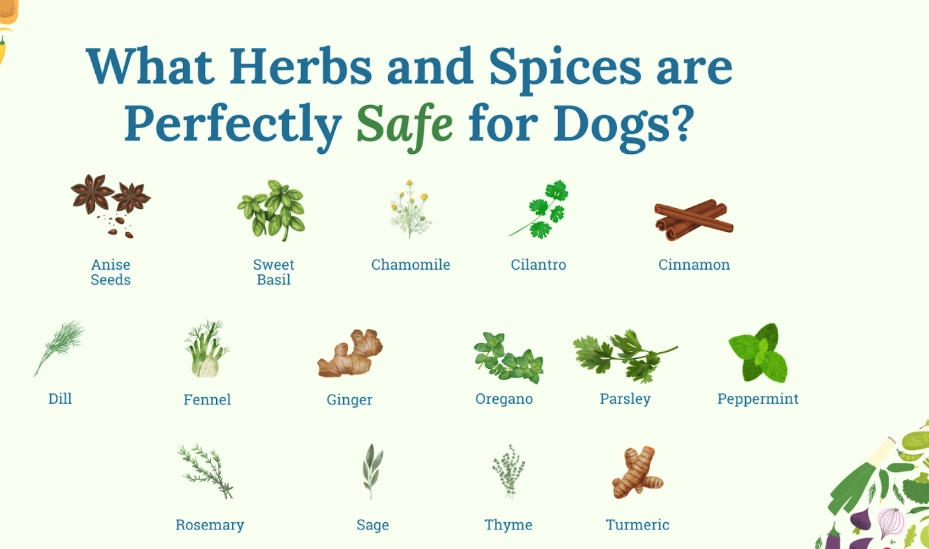
Quick Navigation: What You'll Learn
The 5 Safest & Most Beneficial Spices for Dogs
These aren't just "not toxic." They have research-backed benefits when used correctly. Think of them as supplements, not seasonings.
| Spice/Herb | Key Benefits for Dogs | Safe Dosage (Guideline) | How to Use It |
|---|---|---|---|
| Turmeric | Powerful anti-inflammatory, supports joint health, may aid digestion. | A tiny pinch to 1/8 tsp per 10 lbs of body weight, daily. Always pair with black pepper. | Mix a "golden paste" (turmeric, black pepper, coconut oil) into food. Start with a rice-grain size. |
| Ginger | Excellent for nausea, motion sickness, and settling an upset stomach. | Up to 1/4 tsp of fresh grated ginger per 20 lbs, as needed. | Grate fresh ginger finely. Great for car rides or after a minor dietary indiscretion. |
| Parsley (fresh, flat-leaf) | Freshens breath (mildly), source of vitamins K, C, and A. Acts as a diuretic. | A small sprinkle, 1-2 times a week. Not for dogs with kidney issues. | Chop fresh parsley finely and mix into meals. Avoid spring parsley look-alikes. |
| Cinnamon (Ceylon, not Cassia) | May help regulate blood sugar, has antioxidant properties. Anti-fungal. | A light dusting, less than 1/4 tsp for a large dog, occasionally. | Use only Ceylon cinnamon. Never give the essential oil. |
| Basil (fresh) | Antioxidant, anti-inflammatory, may have calming effects. | A few fresh leaves, chopped, 2-3 times a week. | Wash and chop fresh leaves. Dried basil is less potent but okay. |
Turmeric: The Gold Standard (With a Critical Detail)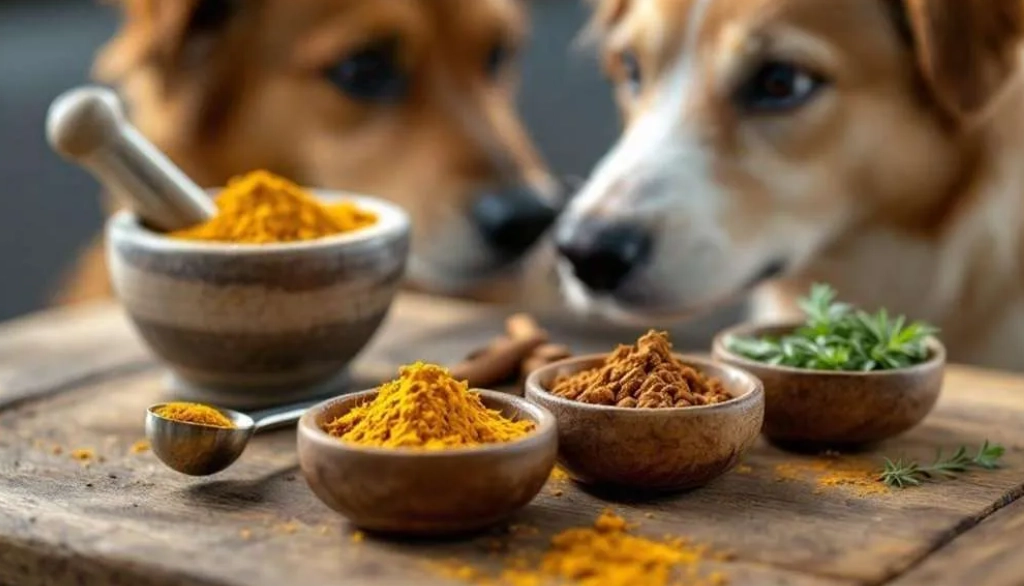
Turmeric gets all the hype, and for good reason. The active compound, curcumin, is a potent anti-inflammatory. I've seen it make a noticeable difference in my older Lab's stiffness on cold mornings. But here's the mistake almost everyone makes: giving it alone.
Curcumin is poorly absorbed by both human and canine bodies. Piperine in black pepper enhances absorption by something like 2000%. If you're not adding a pinch of black pepper, you're mostly wasting the turmeric. A simple "golden paste" recipe is 1/2 cup turmeric powder, 1 cup water, 1/3 cup coconut oil, and 1.5 teaspoons of freshly ground black pepper, simmered into a paste. Store it in the fridge and add a tiny bit to food.
Ginger: The Stomach Saver
This is my go-to for car sickness. I keep a knob of fresh ginger in the freezer. About 30 minutes before a trip, I grate a pea-sized amount onto my dog's food. It works more gently than over-the-counter meds. For general digestive upset, it can be a lifesaver. Remember, fresh is best. Dried ginger powder is stronger, so use half the amount.
The Must-Know List of Toxic Spices & Herbs
This section is more important than the safe list. One mistake here can lead to an emergency vet visit. I learned this the hard way years ago when a well-meaning friend almost added onion powder to my dog's dinner.
| Toxic Spice/Herb | Why It's Dangerous | Common Forms & Hidden Sources | Symptoms of Poisoning |
|---|---|---|---|
| Onion & Garlic | Contains N-propyl disulfide, which damages red blood cells, causing hemolytic anemia. | Fresh, powdered, dehydrated, salt, in broths, soups, baby food, seasoning blends. | Weakness, vomiting, breathlessness, red-tinged urine, pale gums. Effects can be delayed. |
| Nutmeg | Contains myristicin, a toxin that affects the nervous system. | Baked goods, eggnog, pumpkin pie spice blends. | Disorientation, high heart rate, hallucinations, seizures. |
| Salt (in excess) | Can lead to sodium ion poisoning, causing extreme thirst, dehydration, and kidney damage. | Table salt, rock salt, salted butter, processed meats, chips. | Vomiting, diarrhea, tremors, high temperature, seizures. |
| Chili Powder / Cayenne | Capsaicin irritates the digestive tract, mouth, and eyes. | Spice blends, hot sauces, some rubs. | Oral irritation, drooling, stomach upset, diarrhea. |
| Some Baking Spices (Allspice, Clove) | Essential oils (eugenol) can cause liver toxicity and gastrointestinal upset. | Potpourri, mulled spice mixes, certain desserts. | Vomiting, diarrhea, lethargy, liver failure in high doses. |
The Garlic Debate: Let's Settle It
You'll find "holistic" sites claiming small amounts of garlic are safe or even beneficial for flea control. The official stance from the ASPCA and veterinarians is clear: it's toxic. The problem is the dose. The toxic amount varies by dog size, breed, and individual sensitivity. Why risk it? The potential benefits (which are dubious) are far outweighed by the risk of destroying your dog's red blood cells. I've seen the bloodwork from a dog who ate garlic bread—it's not pretty. Just cross it off the list entirely.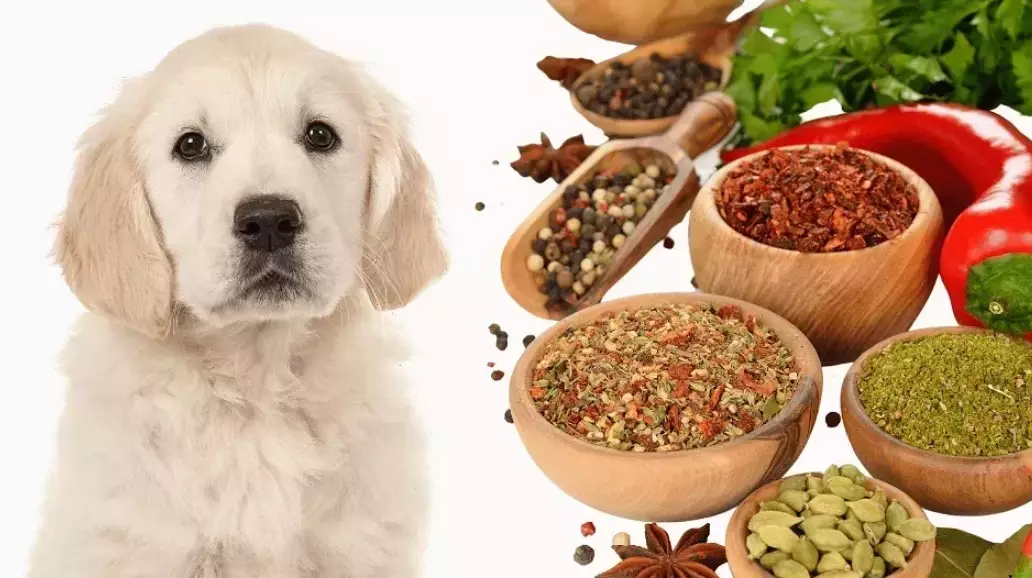
How to Safely Introduce Spices to Your Dog's Diet
Throwing a random spice into your dog's bowl is a recipe for trouble. Follow this process.
Step 1: Vet Check & Baseline. Always talk to your vet before starting any new supplement, including spices. This is crucial if your dog is on medication, is pregnant, or has a health condition like liver or kidney disease.
Step 2: The Single-Ingredient Rule. Only introduce one new spice at a time. Wait at least a week before adding another. This way, if there's an adverse reaction (itchy skin, loose stool), you know the culprit.
Step 3: Source Matters. Use plain, single-spice powders or fresh herbs. Avoid pre-mixed seasoning blends, which almost always contain onion or garlic powder and excess salt. Organic is ideal to minimize pesticide exposure.
Step 4: The Mixing Method. Dilute the tiny dose of spice thoroughly into their regular wet or moistened dry food. Ensure it's evenly distributed so they can't avoid it or get a concentrated mouthful.
Step 5: Observe. Keep a casual log. Note energy levels, stool quality, skin condition, and any itching. Most benefits (like reduced inflammation) take a few weeks of consistent use to manifest.
Expert Tips & Common Mistakes to Avoid
After a decade, here's what most people get wrong.
Mistake 1: Using Spices to Mask Low-Quality Food. A sprinkle of parsley won't magically make a corn-filled kibble healthy. Spices are meant to complement a balanced, species-appropriate diet. Focus on the core nutrition first.
Mistake 2: Ignoring the Form. Essential oils of any spice are highly concentrated and dangerous. Never use oregano oil, cinnamon oil, etc., internally or topically without direct veterinary guidance. Stick to the dried or fresh plant material.
Mistake 3: Expecting Miracles. Spices are supportive players, not cures. They won't replace medication for serious conditions like arthritis or autoimmune disease. View them as a tool in a broader wellness toolkit.
My Personal Routine: For my 70-pound dog, I add about 1/4 teaspoon of my homemade golden paste (containing turmeric and pepper) and a teaspoon of chopped fresh parsley to his evening meal of homemade stew 4-5 times a week. In the fall, I might add a tiny pinch of cinnamon to his pumpkin treat. It's simple, consistent, and minimal.
Your Top Questions Answered (FAQ)
 Are there any spices that can help with my dog's bad breath?



Leave a comment