That sound. It starts low, then rises into a long, mournful wail that cuts through the quiet of your home—or worse, the dead of night. Your cat keeps yowling, and you're at your wit's end. Is he in pain? Is he just being a jerk? Before you resign yourself to a lifetime of earplugs, let's get one thing straight: cats don't yowl without a reason. This isn't random noise; it's a distress signal, a request, or a symptom. As someone who's fostered dozens of vocal felines (including a Siamese mix who could shatter glass), I've learned that treating the yowl as a "behavior problem" to be suppressed is the biggest mistake you can make. The real solution starts with becoming a translator.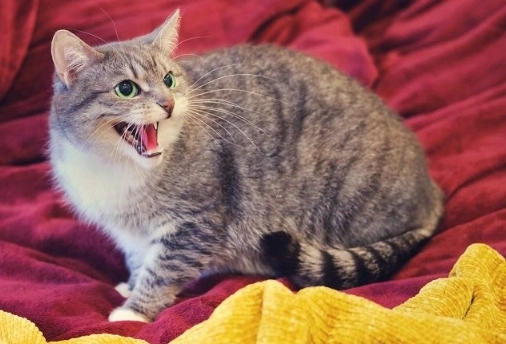
In This Article: Your Roadmap to Quiet
The 5 Main Reasons Your Cat Keeps Yowling (And How to Tell Them Apart)
Think of yowling as your cat's version of shouting into a void. The key is figuring out *why* they're shouting. The context—when, where, and how—holds all the clues. Let's break down the usual suspects.
1. Medical Issues: The Non-Negotiable First Step
This is where everyone should start, full stop. Pain or discomfort is a prime motivator for loud vocalization. A common trap is assuming your cat is "just getting old and cranky." That's dangerous. What looks like crankiness is often chronic pain.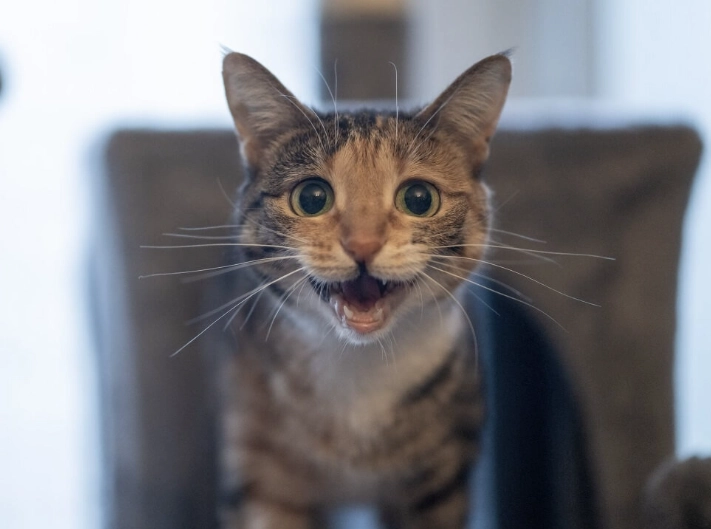
Specific conditions linked to yowling include:
- Arthritis: That plaintive yowl when jumping down from the couch? Could be joint pain. They vocalize the effort or the landing shock.
- Hypertension (High Blood Pressure): Often secondary to kidney disease or hyperthyroidism. It can cause headaches, vision problems, and disorientation, leading to anxious yowling.
- Hyperthyroidism: An overactive thyroid revs their engine into overdrive. They're hungry, restless, and often vocal at all hours.
- Cognitive Dysfunction Syndrome (CDS): Feline dementia. This is a huge one for senior cats. They yowl, often at night, because they're disoriented, confused, or have forgotten where they are. It's a heartbreaking, lost sound.
2. Attention-Seeking & Habit
Here's the controversial part: sometimes, it *is* behavioral. But it's almost always our fault. If your cat yowled once for food at 5 AM and you got up to feed them, you've just run a successful training session. You taught them that yowling = breakfast. The behavior is reinforced.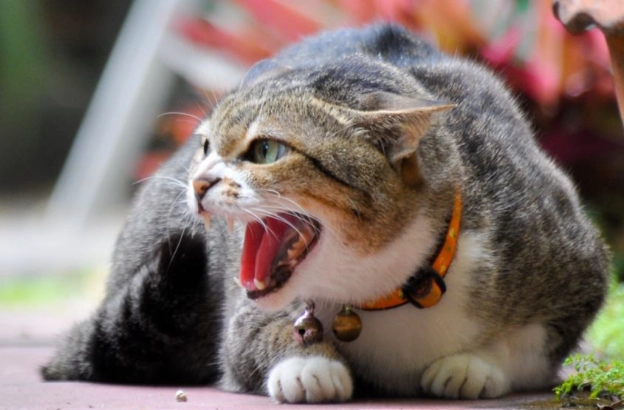
The yowl in this scenario often has a demanding, persistent quality. It stops when you give them what they want. The mistake is giving in *sometimes*. Intermittent reinforcement makes the behavior even more stubborn.
3. Stress, Anxiety, or Boredom
A under-stimulated cat is a noisy cat. Indoor cats, especially, can lack sufficient outlets for their natural hunting instincts. That pent-up energy turns into frustration, which can manifest as yowling. Similarly, changes in the environment—a new pet, a move, a new baby, even rearranged furniture—can trigger anxiety-based vocalization.
4. The Call of the Wild: Mating Behavior
If your cat is not spayed or neutered, this is almost certainly the cause. The yowls of a cat in heat (queen) or a tomcat responding are intense, loud, and nearly constant. It's a biological imperative, not a choice. Spaying/neutering is the only effective solution.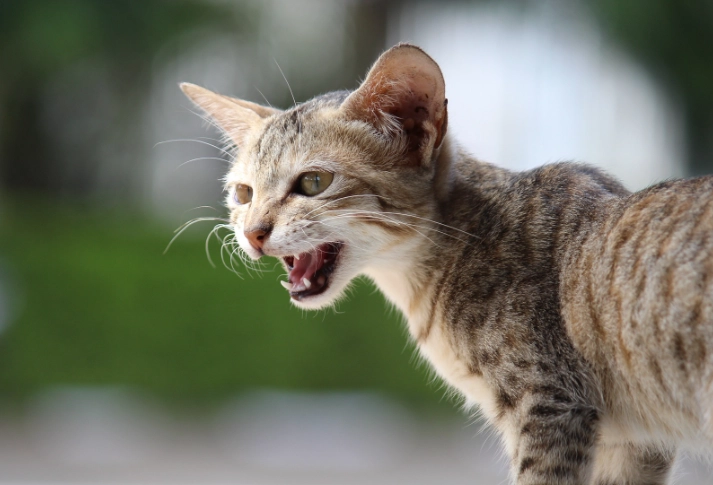
5. Sensory Decline
As cats age, their sight and hearing can fade. A cat with poor vision might yowl when entering a dark room. A cat going deaf can't modulate the volume of their own voice, so their meows become louder, mournful yowls. They might also yowl because they feel vulnerable.
| Reason for Yowling | Typical Context/Triggers | Sound & Cat's Demeanor | First Action to Take |
|---|---|---|---|
| Medical Pain/Discomfort | After movement (jumping), at random times, associated with litter box use. | Often sounds pained, mournful. Cat may seem lethargic or irritable. | Schedule a vet visit immediately. Full senior blood panel & physical exam. |
| Attention/Habit | At predictable times (feeding time, when you go to bed). Stops when you respond. | Demanding, persistent. Cat is alert and focused on you. | Do not reward the yowl. Implement structured play/feeding schedules. |
| Stress/Boredom | When left alone, during changes in routine, in an empty house. | Can sound frantic or plaintive. Cat may pace or seem restless. | Increase environmental enrichment: puzzle feeders, cat trees, window perches. |
| Mating Call | Seasonal (spring/summer), intense at night. Cat is unspayed/unneutered. | Loud, piercing, repetitive. Female may assume mating position. | Schedule spay/neuter surgery. This is a health and welfare necessity. |
| Sensory Decline/Dementia | Most common at night, in dark rooms, or when cat seems "lost." | A lost, confused, often directionless yowl. Common in seniors (11+ years). | Vet check to rule out other issues. Night lights, consistent routine, calming aids. |
How to Stop Cat Yowling: A Step-by-Step Action Plan
Okay, you've played detective. Now, let's build a solution. This isn't a one-size-fits-all list; it's a flowchart for your sanity.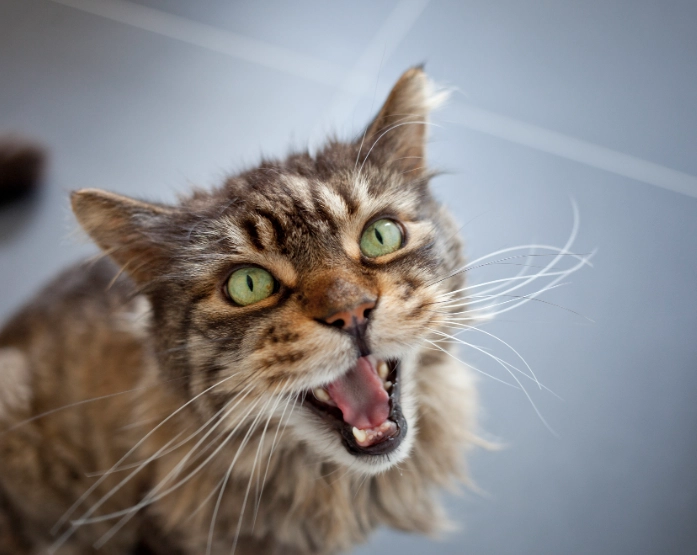
Step 1: The Non-Negotiable Vet Visit
Book a comprehensive check-up. Don't just describe the yowling; tell your vet the *context* from your detective work. Request checks for:
- Thyroid levels (T4 test)
- Blood pressure
- Joint mobility and pain response
- Basic bloodwork (kidney, liver values)
- A discussion about cognitive function if your cat is older
Treating an underlying condition like hypertension or arthritis can sometimes silence the yowling almost overnight.
Step 2: Environmental Enrichment – Boredom's Antidote
If medical causes are ruled out, look to the environment. Your goal is to simulate a hunting cycle: seek, catch, kill, eat, groom, sleep.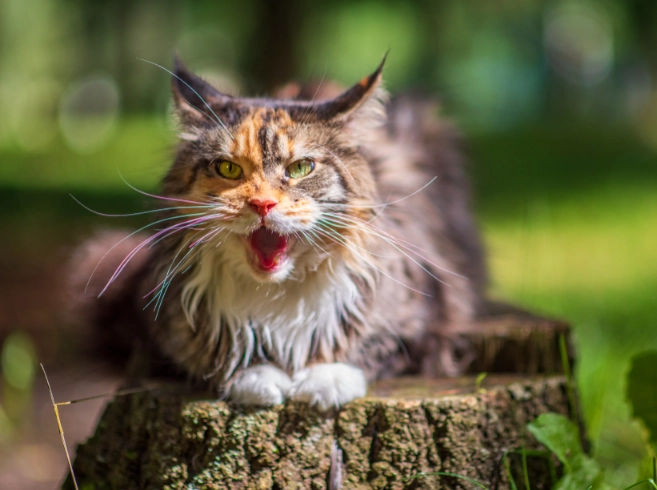
Other enrichment ideas:
- Puzzle Feeders: Make them work for their kibble. This engages their brain and slows eating.
- Vertical Space: Cat trees, wall shelves, window hammocks. Height equals security and territory.
- Controlled Outdoor Access: A secure catio or harness training can provide immense mental stimulation.
- Scheduled Routine: Cats thrive on predictability. Feed, play, and have quiet time at the same times daily.
Step 3: Behavioral Retraining for Attention-Seeking Yowls
This requires iron will. You must become profoundly boring in response to the yowl.
- Zero Reaction: Do not look at, talk to, or touch your cat when they yowl for attention. Any interaction is a reward.
- Reward the Quiet: The millisecond they are quiet, even to take a breath, praise them calmly or offer a treat. You're teaching "quiet = good things."
- Initiate on Your Terms: Give attention, play, and treats when they are *not* yowling. Break the association between noise and getting what they want.
Step 4: Support for Aging Cats
For cats with dementia or anxiety:
- Night Lights: Help them navigate.
- Calming Pheromones: Products like Feliway diffusers can reduce anxiety. (Note: based on information from sources like the Cornell Feline Health Center, pheromone therapy is a commonly recommended adjunct for stress).
- Prescription Diets/Supplements: Talk to your vet about diets or supplements containing antioxidants, omega-3s, or ingredients like Solliquin® or Anxitane® that may support cognitive health.
- Comfort and Routine: Keep their resources (food, water, litter) in easy-to-find locations. Avoid moving furniture.
When to See the Vet: Red Flags You Should Never Ignore
Don't wait. Call your vet if the yowling is accompanied by:
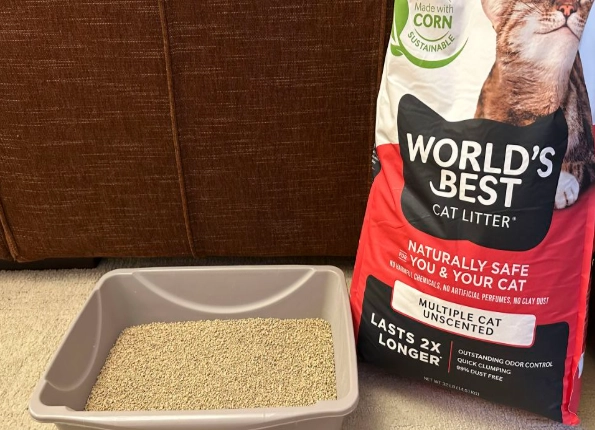
- Any change in litter box habits (straining, going outside the box, changes in urine/fecal appearance). This is a top-priority emergency signal for urinary blockages or kidney issues.
- Sudden increase in thirst or appetite.
- Visible weight loss or gain.
- Hiding, aggression, or other drastic personality shifts.
- The yowling is new, sudden, and intense in an older cat.
A urinary blockage, for instance, can be fatal within days. The yowl might be their only way to say they're in crisis.
Your Top Yowling Questions, Answered by Experience
The journey from incessant yowling to peace is part detective work, part patience, and a heavy dose of empathy. Start with the vet. Listen to the context. And remember, your cat isn't giving you a hard time; they're almost certainly having a hard time. Once you crack their code, you can start building a solution that works for both of you.




Leave a comment