If your dog is scooting across your carpet or constantly licking under its tail, you're not just dealing with a weird habit. You're likely looking at the classic signs of an infected anal gland. It's a common, often misunderstood issue that causes real discomfort for dogs and real worry for owners. Left alone, a simple impaction can turn into a painful abscess that bursts through the skin—a mess no one wants to deal with. I've seen it happen too many times in the clinic, often because owners didn't know what to look for or were afraid to address it. This guide cuts through the confusion. We'll walk through what these glands are, why they get infected, and most importantly, the clear steps to take from first suspicion to full recovery.
What's Inside This Guide?
What Are Anal Glands and Why Do They Get Infected?
Let's get past the ick factor. Every dog has two small sacs, one on each side of their anus at about the 4 and 8 o'clock positions. They produce a foul-smelling, oily secretion used for marking territory. Normally, this fluid is expelled in small amounts when your dog poops—the firm stool pressing against the sacs does the job.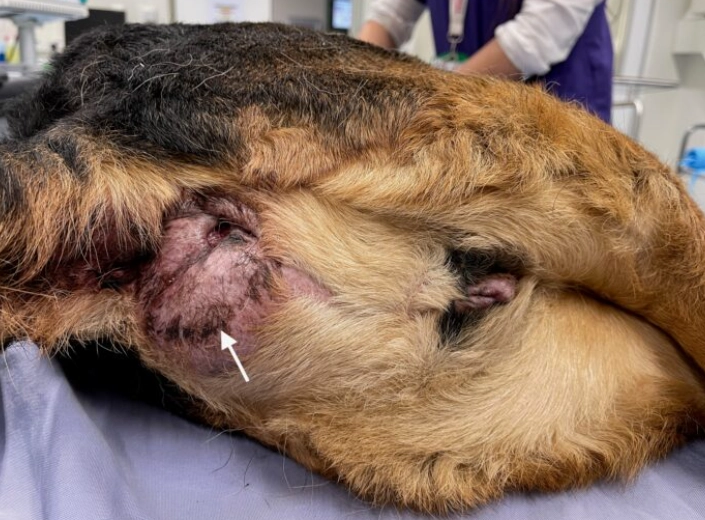
The trouble starts when that natural expression doesn't happen. The fluid sits there, thickens, and becomes a paste. That's an impaction. Think of it like a clogged pore. Now, introduce bacteria (which are always present nearby). In that warm, stagnant environment, bacteria multiply. That's when an infected anal gland develops. If the pressure builds enough, the inflamed sac can rupture through the skin near the anus, creating an abscess and a draining tract.
Why does this happen to some dogs and not others? It's rarely one thing. Small breeds (like Chihuahuas, Toy Poodles, and Cocker Spaniels) are more prone because of their anatomy. Chronic soft stools from poor diet or allergies don't provide enough pressure to empty the glands. Some dogs just have poorly positioned ducts. And yes, genetics can play a role—if a dog's parents had issues, they're more likely to as well.
How to Spot an Anal Gland Infection in Your Dog
Dogs can't tell us where it hurts, so they show us. The signs range from subtle to unmistakable. The most common one is scooting—dragging their rear on the ground. They're trying to relieve pressure and itch. But here's a nuance many miss: not all scooters have gland problems. Sometimes it's worms or skin allergies. The key is to look for a cluster of signs.
The Red Flag Symptoms
- Excessive licking or biting at the base of the tail or around the anus. You might see a wet patch or even hair loss there.
- A noticeable foul odor that appears suddenly, even after a bath. That's the infected secretion.
- Visible swelling or redness on one or both sides of the anus. In a short-haired dog, you might see it. In a fluffy dog, you'll need to feel for it.
- Pain or difficulty defecating. Your dog might cry out when pooping or seem constipated because it hurts to push.
- A hard, painful lump near the rectum. This indicates an abscess is forming.
- A visible wound or bloody, pus-like discharge near the anus. This means an abscess has ruptured. This is a veterinary emergency.
The biggest mistake I see owners make? Waiting too long. If you see scooting plus one other sign, it's time to act, not just hope it goes away.
How to Treat an Infected Anal Gland in Dogs: A Step-by-Step Plan
Treatment depends entirely on the stage of the problem. Trying to express a severely infected or abscessed gland at home can cause serious pain and even push the infection deeper. Here’s how a vet would break it down.
| Stage of Problem | Typical Symptoms | Professional Treatment | Approximate Cost Range* |
|---|---|---|---|
| Mild Impaction | Scooting, occasional licking, no visible swelling. | Manual expression by a vet or groomer. May suggest dietary changes. | $30 - $75 |
| Established Infection | Persistent scooting/licking, foul odor, slight swelling, pain on touch. | Manual expression, flushing the sac with antiseptic, antibiotic infusion into the gland, and a course of oral antibiotics. | $150 - $400 |
| Abscess (Ruptured or Not) | Visible, painful lump, possible open wound with bloody/pus discharge, fever, lethargy. | Sedation or anesthesia, lancing and flushing the abscess, placing a drain, systemic antibiotics and pain medication. Hospitalization possible. | $400 - $1,200+ |
*Costs vary widely by location and clinic. Always get an estimate.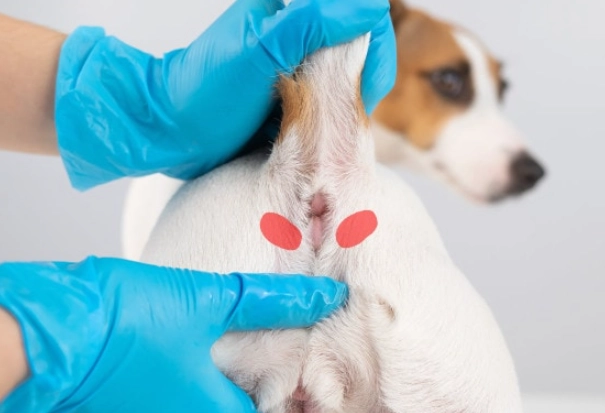
What You Can Do at Home (And What You Absolutely Shouldn't)
For a mild, recurring impaction (confirmed by your vet), some owners learn to express the glands at home. It's not glamorous, but it can save trips to the vet. You need gloves, petroleum jelly, paper towels, and a strong stomach. The technique involves locating the gland internally and applying gentle, milking pressure upwards and outwards. I strongly recommend having a vet or tech show you in person—watching a video isn't enough to get the pressure and angle right.
Home expression is NOT appropriate if there's any sign of infection (pain, swelling, redness). You risk rupturing the gland internally. Your job at home during treatment is giving medications exactly as prescribed, using warm compresses if advised (a warm, damp washcloth held gently to the area for 5 minutes, 2-3 times a day), and preventing your dog from licking with an e-collar (the cone of shame).
Recovery from an abscess takes time. The drain may stay in for 3-5 days. The area needs to be kept clean. You'll likely be back for a recheck. Follow-through is everything.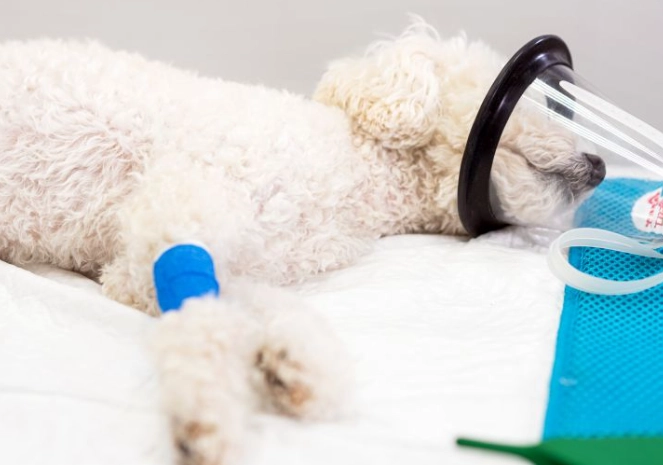
Keeping the Glands Healthy: Real Prevention Strategies
If your dog has had one episode, they're more likely to have another. Prevention isn't a guarantee, but it stacks the odds in your favor. Forget the one-size-fits-all advice. You need a multi-angle approach.
Diet is your first and most powerful tool. The goal is firm, bulky stool. Look for a high-quality diet with good fiber sources. Canned pumpkin (plain, not pie filling) is a great additive—a teaspoon per 10 lbs of body weight daily. Some dogs do well on a tablespoon of psyllium husk (like unflavored Metamucil) mixed into wet food. I've found that for chronic sufferers, a prescription high-fiber diet from your vet often works better than over-the-counter options. A study referenced by institutions like the Cummings School of Veterinary Medicine at Tufts University supports the role of dietary fiber in promoting anal sac health.
Weight management is critical. Overweight dogs have weaker muscle tone everywhere, including around those ducts, making natural expression less effective.
Consider a probiotic. Gut health affects stool quality. A healthy gut can mean firmer stools.
Here’s the non-consensus part: Regular, scheduled manual expression by a groomer or vet as a preventative can sometimes create dependency, where the glands "forget" how to empty on their own. I don't recommend it unless there's a history of impaction. Focus on creating the conditions for natural function first.
Your Top Questions on Canine Anal Gland Issues
Watching your dog struggle with an infected anal gland is stressful. The smell, the mess, the obvious discomfort—it feels overwhelming. But it's a manageable condition. Start by recognizing the signs early. Partner with your veterinarian to get the right diagnosis and treatment stage. Then, build a prevention plan around diet, weight, and observation. You'll move from reactive worry to proactive care. Your dog will thank you, and your carpets will too.

Leave a comment