You know the scene. You're cleaning up the yard or maybe it's a surprise on your morning walk. Your dog had diarrhea. But then you look at them, and they're wagging their tail, begging for breakfast, ready to play fetch like nothing happened. It's confusing, right? Your brain goes into overdrive. Should I be worried if my dog has diarrhea but is acting fine? Is this a minor blip or the quiet before the storm?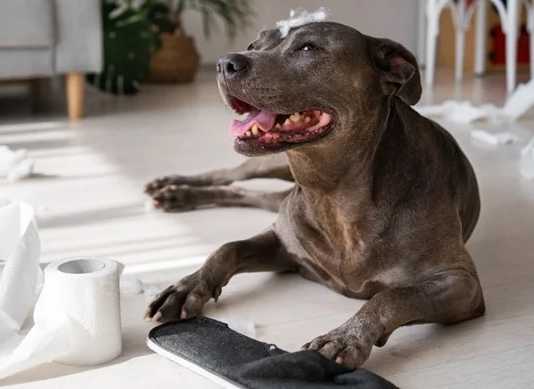
I've been there with my own dog, a Lab mix with an iron stomach who occasionally has... episodes. The first time it happened, I was a nervous wreck. Now, after years of experience and lots of conversations with my vet, I've learned to read the signs. The short answer is: usually, no, you don't need to panic. But you absolutely need to pay attention. The fact they're acting normal is your biggest clue, but it's not a free pass to ignore it completely.
This guide is here to walk you through exactly what to think, what to do, and when to stop googling and start calling the vet. We're going to ditch the vague advice and get into the nitty-gritty.
Your Quick Navigation Guide
Why Does This Even Happen? The "Fine" Dog with an Upset Tummy
Think of a dog's digestive system like a well-oiled machine. Most of the time, it hums along perfectly. But sometimes, a little grit gets in the gears. That grit is often something they ate that didn't agree with them. The key thing to understand is that diarrhea is a symptom, not a disease itself. It's the body's way of rapidly evacuating something it doesn't like.
When the irritation is confined to the guts, and the rest of the body's systems are humming along normally, your dog can feel mostly okay. They might not even feel sick in the way we think of it—no body aches, no fever, no overwhelming fatigue. The problem is localized. So they still want to play, still have energy, still seem like their happy selves. This is the core scenario behind the search: should I be worried if my dog has diarrhea but is acting fine? In these cases, the worry level can stay low.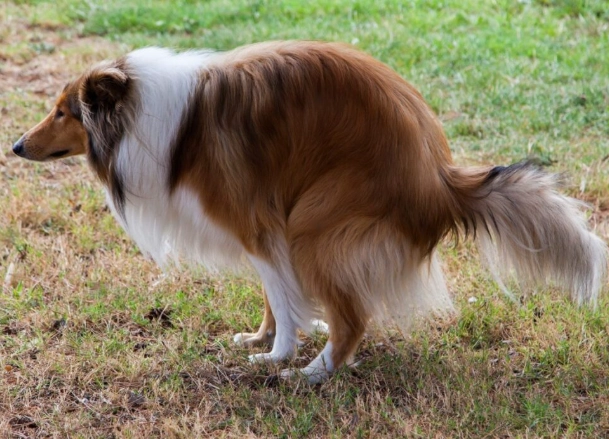
The Big Takeaway: A dog acting normal tells you the illness (if you can even call it that) is likely mild and self-limiting. Their spirit is willing, even if their bowels are weak. It shifts the situation from a potential emergency to a "watch and wait" scenario.
The Usual Suspects: Common, Non-Scary Causes
Let's run through the lineup of typical culprits. These are the things I always check first with my own dog.
- Dietary Indiscretion: This is vet-speak for "your dog ate something stupid." It's the number one reason by a mile. Scavenged garbage, a rich new treat, cat food, a dead thing in the yard, too many table scraps (especially fatty ones). Their stomach just says, "Nope, we're not processing this," and flushes it out.
- Sudden Food Change: Switching their kibble brand or protein source too quickly is a classic mistake. Their gut bacteria need time to adjust. Always transition over 7-10 days by mixing the old and new food.
- Mild Stress or Excitement: Yes, really. A big day at the dog park, a car ride, or even having guests over can stir up their system. It's like nervous butterflies, but for dogs.
- Bacterial Imbalance: Sometimes the good and bad bacteria in the gut just get out of whack for no obvious reason. A course of probiotics often helps this.
See? Most of these aren't sinister. They're just life happening to a dog.
The "Watch and Wait" Protocol: Your 48-Hour Action Plan
So your dog has the runs but is bouncing off the walls. What do you actually do? Don't just stand there worrying. Having a plan turns anxiety into action.
Step 1: The Strategic Fast (And No, It's Not Cruel)
Withholding food for 12-24 hours is often recommended. It gives the inflamed intestinal tract a break. Think of it as hitting the reset button. Important: This is for adult dogs only. Puppies, tiny breeds, or dogs with medical conditions should not fast without vet advice. And always, always provide plenty of fresh water. Diarrhea leads to fluid loss, so preventing dehydration is job number one.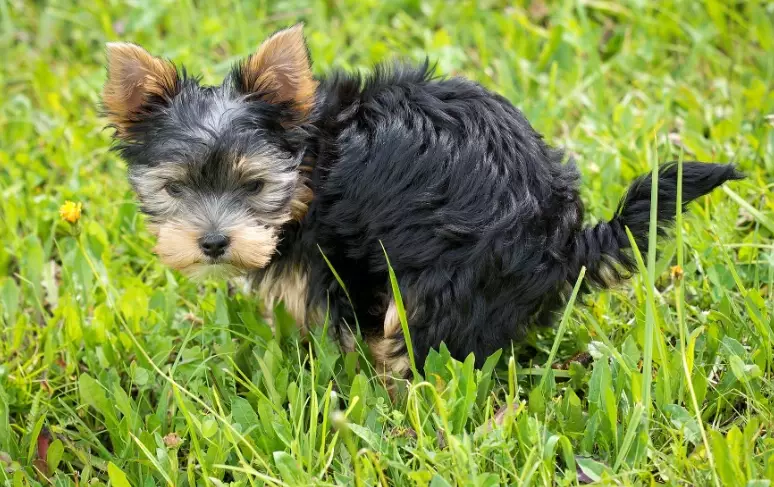
If the idea of not feeding your dog for that long makes you uneasy (it did for me), you can offer a tiny, bland meal after 12 hours to see how it sits.
Step 2: The Bland Diet Ballet
After the fast, you don't go back to regular kibble. You introduce a bland diet. The classic combo is boiled white meat chicken (no skin, no bones) and plain white rice. Some dogs do better with boiled lean ground turkey or even plain, canned pumpkin (not pie filling). The pumpkin thing is real—it's a great source of soluble fiber that can help firm things up.
Feed small amounts of this bland mix 3-4 times a day for a couple of days. Then, over another 2-3 days, slowly mix their regular food back in.
Watch Out Here: I made the mistake once of giving my dog too much chicken and rice too fast after his fast. He gobbled it and... well, let's just say we were back to square one. Go slow. Tiny portions.
Step 3: Become a Poop Detective
This is the unglamorous but critical part. You need to monitor the output. Is it improving? Is it getting worse? Note the color, consistency, and frequency. Also, keep a close eye on your dog's behavior. Is the playful energy starting to dip? Are they drinking less water? The "acting fine" part needs to remain true throughout this process.
If after 48 hours of bland diet the diarrhea isn't significantly improved, or if your dog stops acting fine at any point, it's time to move from home care to professional help.
The Red Flags: When "Acting Fine" Stops Being Enough
This is the most important section. The "acting fine" part is your green light for home care, but only if no red flags are waving. If you see any of these, the equation changes immediately. Should I be worried if my dog has diarrhea but is acting fine? becomes "Yes, I should be worried now," and you should contact your vet.
Here’s a quick-reference table. I find having it laid out like this cuts through the panic when you’re trying to decide what to do.
| Red Flag Symptom | What It Might Mean | Action Required |
|---|---|---|
| Blood in the Stool (bright red or dark, tarry black) | Significant intestinal irritation, ulcer, foreign body, or parasite like hookworms. | Vet visit needed. Dark black blood is especially urgent. |
| Vomiting along with the diarrhea | Systemic issue, potential blockage, toxin ingestion, or severe gastroenteritis. | Increases risk of dehydration fast. Call the vet. |
| Lethargy or Listlessness (They stop "acting fine") | The body is fighting something more serious. Energy loss is a big indicator. | Vet visit. This shifts it from a simple gut issue. |
| Loss of Appetite for more than 24 hours | Nausea or pain. A dog feeling okay will usually eat, especially bland food. | Time to get professional advice. |
| Signs of Pain (whining, hunched back, tense abdomen) | Pancreatitis, obstruction, or other painful abdominal conditions. | Urgent vet visit required. |
| Diarrhea lasting more than 48 hours despite home care | Body isn't resolving it on its own; could be parasite, infection, or chronic issue. | Schedule a vet appointment to find the root cause. |
See the pattern? The moment the problem seems to move beyond the intestines and starts affecting your dog's overall state, the game changes.
What Will the Vet Do? (So You're Not Walking in Blind)
Let's say things aren't improving, or you spotted a red flag. You're going to the vet. What happens there? Knowing this can make you feel more prepared.
First, they'll ask you a ton of questions—the detective work you started at home. Be ready to tell them about the diarrhea's duration, appearance, any dietary changes, and, crucially, about your dog's behavior and energy levels. This is where you detail the "acting fine" part and when/if it changed.
The physical exam is next. They'll feel your dog's abdomen, check their hydration (by pinching the skin), take their temperature, and listen to their heart and gut sounds.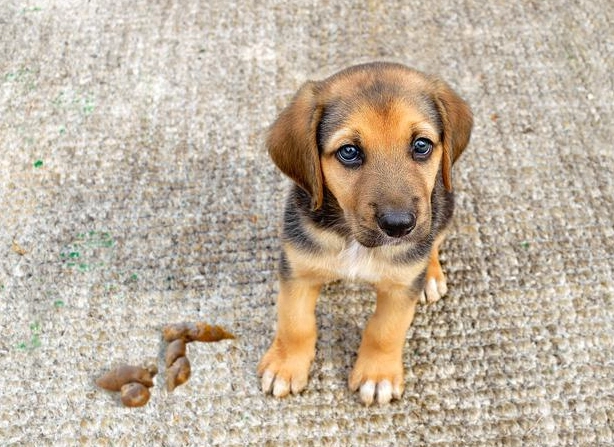
Depending on what they find, they might recommend diagnostics. This could be a fecal test to check for parasites like giardia or worms (super common!). They might suggest blood work to rule out issues like pancreatitis or organ problems. In persistent cases, they might even discuss x-rays to look for blockages, especially if your dog is a known scavenger.
Treatment is tailored to the cause. It could be as simple as prescription probiotics or a dewormer. For bacterial issues, they might prescribe an antibiotic. For more serious inflammation, they might use anti-diarrheal medication or anti-nausea drugs. The goal is always to treat the underlying cause, not just the symptom.
Questions Dog Owners Actually Ask (The FAQ Section)
Building a Gut-Healthy Future: Prevention Tips
Once you've navigated this episode, you'll want to prevent the next one. Here's what I've incorporated that's made a difference.
- Be a Food Nazi: I'm much stricter about what my dog can access. Secure garbage cans, be vigilant on walks, and train a solid "leave it" command. It's boring, but it works.
- Transition Food Slowly: I never switch foods cold turkey anymore. A slow transition over a week is non-negotiable.
- Consider Probiotics: After talking to my vet, I use a quality canine probiotic supplement, especially during stressful times or after a course of antibiotics. It helps maintain that good bacterial balance. The Merck Veterinary Manual has good, science-backed information on digestive health and microbiome management if you want to dive deeper.
- Know Your Dog's Sensitivities: Some dogs just can't handle certain treats or proteins. Pay attention to patterns.
Look, at the end of the day, dogs get diarrhea. It's a fact of life with a creature that tries to eat wallpaper and squirrel poop. The core question, should I be worried if my dog has diarrhea but is acting fine?, usually has a reassuring answer. Use their behavior as your north star. If they're bright-eyed, bushy-tailed, and begging for snacks, you can often manage it at home with a little patience and a lot of boiled chicken.
But trust your gut too. You know your dog better than anyone. If something feels off, even if you can't pinpoint a red flag from a list, a call to your vet is never wrong. It's what I do when my own confidence wavers. They'd rather answer your question at 3 PM than treat a dehydrated, much sicker dog at 3 AM.
The goal isn't to never worry—that's impossible when you love them. The goal is to worry smarter, so you can spend less time frantic and more time enjoying your happy, healthy, and eventually solid-pooping dog.
Leave a comment