If you have both dogs and cats, you’ve probably walked in on your dog nose-deep in the cat litter box. It’s gross, unsanitary, and frankly, a pain to clean up. I’ve been there—my Labrador, Buddy, used to treat the cat box like a snack bar. After years of trial and error, I’ve figured out what really works to stop this behavior. Let’s cut to the chase: keeping dogs out of the cat box requires a mix of physical barriers, training, and some smart adjustments. Here’s your no-nonsense guide.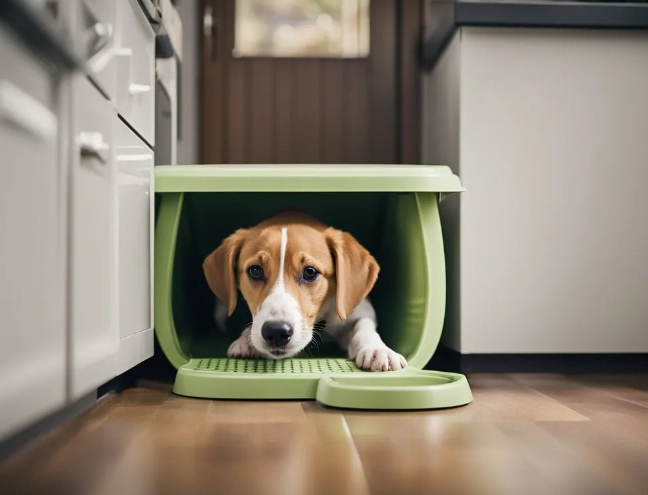
Jump to What You Need
Why Do Dogs Raid the Cat Litter Box?
Dogs get into cat boxes for a few reasons, and it’s not just because they’re being naughty. Understanding this helps you tackle the root cause.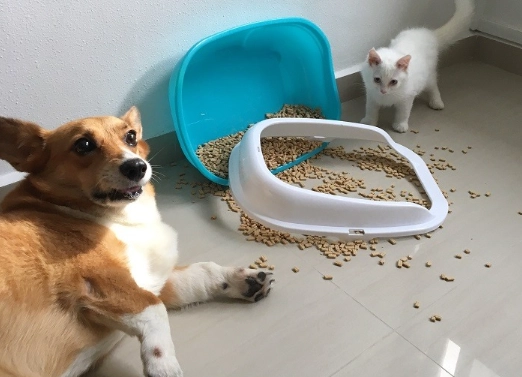
Curiosity and scent: Cats’ waste has a strong odor that dogs find intriguing. In the wild, canines scavenge, so this is a natural instinct. My vet once told me that dogs might be attracted to the protein-rich smell of cat feces, which can seem like food to them.
Boredom or anxiety: If your dog isn’t getting enough mental stimulation, they might turn to the litter box for entertainment. I noticed Buddy did this more when I was busy and hadn’t walked him enough.
Nutritional deficiencies: Some dogs eat cat poop because their diet lacks certain nutrients. This is less common, but it’s worth checking with your vet. A study by the American Veterinary Medical Association (AVMA) suggests that dietary issues can drive coprophagia (poop-eating) in pets.
Whatever the reason, it’s a habit you’ll want to break fast. Let’s move to solutions.
Top Strategies to Keep Dogs Away from Cat Box
There’s no one-size-fits-all fix. You’ll likely need to combine methods. I’ve broken it down into three areas: physical barriers, training, and environmental tweaks.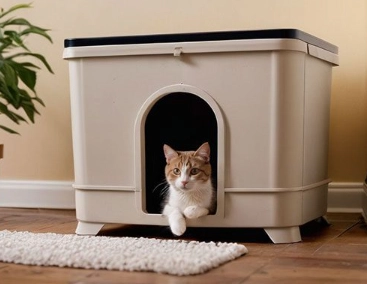
Physical Barriers: Locks, Lids, and Locations
Start with making the cat box inaccessible. This is the quickest win.
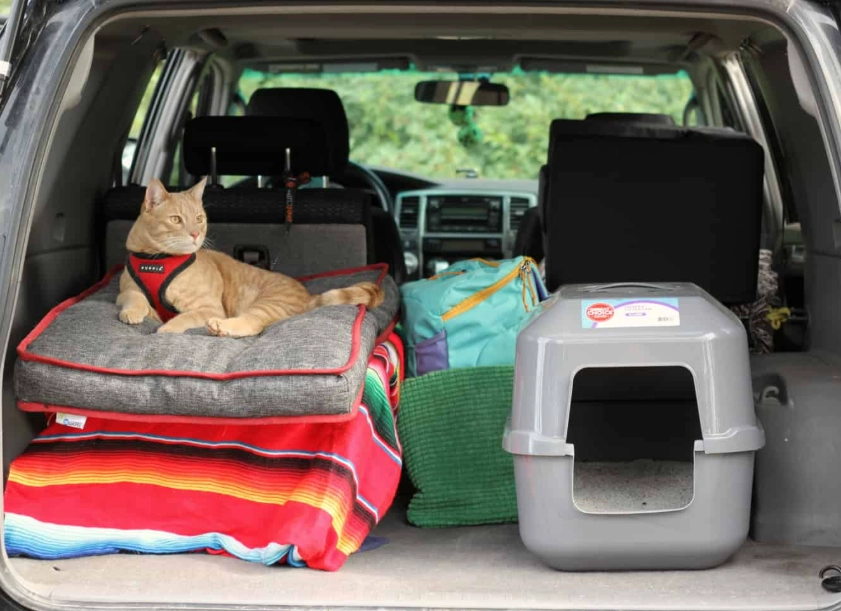
- Use a top-entry litter box: These have a lid on top, so cats jump in but dogs can’t easily reach. Brands like IRIS or Van Ness offer affordable options. I tried one, and it worked for my medium-sized dog, but for larger breeds, they might still paw it open.
- Install a baby gate with a cat door: Place the gate in the doorway to the room with the litter box. Cats can slip through the small opening, but dogs can’t. Make sure the gate is tall enough—some dogs jump over. I used a Regalo gate, and it did the trick for months until Buddy learned to nudge it.
- Elevate the litter box: Put it on a shelf or table that only the cat can access. Cats are agile climbers; dogs often aren’t. Just ensure the spot is stable and your cat feels comfortable. I’ve seen people use a simple plywood platform with a ramp for older cats.
- Consider a litter box enclosure: These are furniture-like cabinets that hide the box. Some come with locking doors. They’re pricier but blend into your home. I bought one from PetFusion, and it stopped Buddy completely, though my cat took a week to adjust.
Physical barriers are great, but they’re not foolproof. If your dog is determined, they’ll find a way. That’s where training comes in.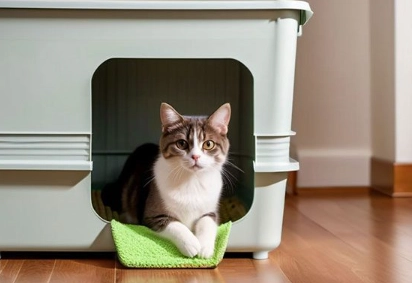
Training Your Dog to Leave the Cat Box Alone
Training takes effort, but it’s more sustainable. The goal is to teach your dog that the litter box is off-limits.
Positive reinforcement: Reward your dog when they ignore the box. Keep treats handy, and whenever they walk past without showing interest, give a treat and praise. I did this with Buddy for 10 minutes daily, and within two weeks, he started to lose interest.
Redirection: If you catch your dog heading toward the box, distract them with a toy or command. Use a firm “leave it” and guide them away. Consistency is key—every family member needs to do this. I messed up early on by being inconsistent, and it set us back.
Use deterrents: Some products emit a safe, unpleasant scent or sound when the dog approaches. I tried a motion-activated air spray like PetSafe SSSCAT. It worked initially, but Buddy got used to it. Use these as a temporary aid, not a permanent fix.
Training isn’t just about commands; it’s about managing the environment too.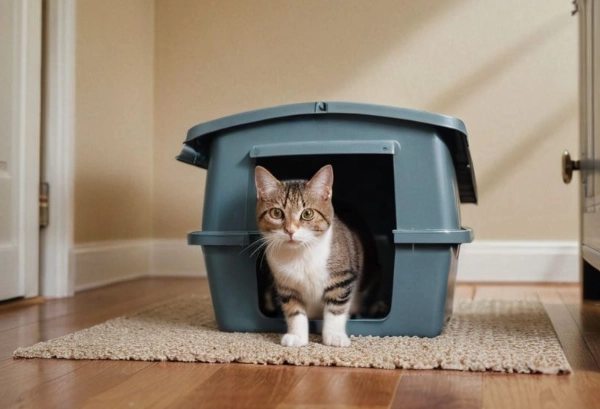
Environmental Tweaks for a Peaceful Coexistence
Small changes can make a big difference.
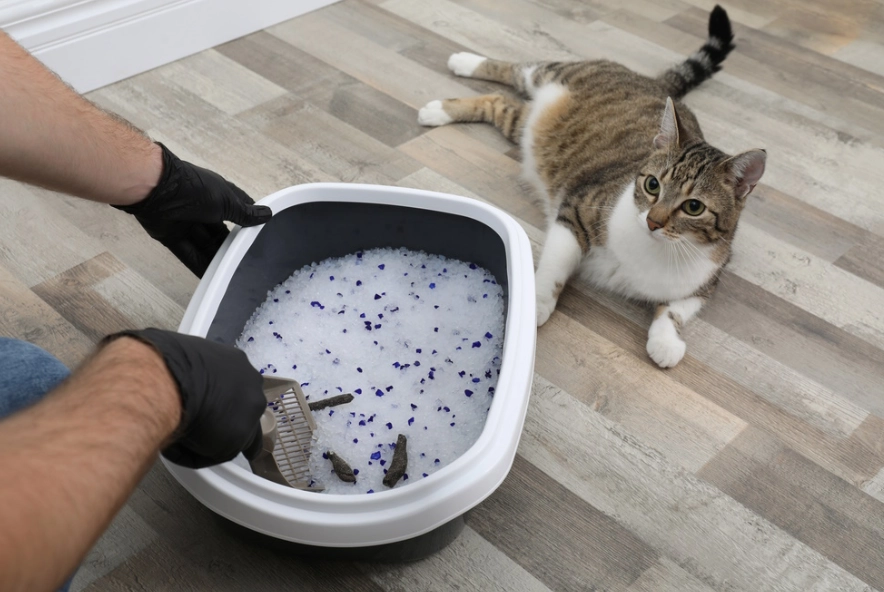
- Change the litter type: Some litters, like crystal or pine-based ones, are less appealing to dogs. Avoid clumping litter if your dog eats it—it can expand in their stomach. I switched to a silica gel litter, and Buddy seemed less interested.
- Clean the box frequently: Scoop waste immediately after your cat goes. This reduces odor and temptation. I set a reminder to scoop twice a day, and it helped a lot.
- Provide separate spaces: Keep the litter box in a room where the dog isn’t allowed unsupervised. Use a door stopper or a pet gate. In my home, I put the box in a bathroom with the door slightly ajar for the cat.
- Increase exercise and enrichment: A tired dog is less likely to seek out mischief. Make sure your dog gets enough walks and playtime. I started taking Buddy on longer runs, and his litter box raids dropped by half.
These strategies work, but many owners slip up on common pitfalls. Let’s talk about that.
Expert Insights: Common Pitfalls and How to Avoid Them
After talking to trainers and vets, I’ve seen patterns in what goes wrong. Here’s what to watch out for.
Ignoring the cat’s needs: If you make the litter box too hard for your cat to access, they might stop using it altogether. This leads to accidents and stress. Always ensure your cat can get in and out comfortably. I once placed the box too high, and my cat refused to use it for days.
Underestimating persistence: Some breeds, like retrievers or hounds, are more prone to this behavior due to their scent-driven nature. For them, you might need longer training periods. A friend with a Beagle took three months to see results, but patience paid off.
Now, let’s address some frequent questions.
Frequently Asked Questions
To wrap up, keeping dogs out of the cat box isn’t about a magic product—it’s about understanding your pets and using a layered approach. Start with physical barriers for immediate relief, invest in training for long-term results, and tweak the environment to support both animals. I still keep an eye on Buddy, but with these methods, our home is much cleaner and happier. If you’re struggling, remember that consistency is your best friend. Good luck!
Leave a comment