Let's be honest. The moment you see a rat scurry across your garage or hear scratching in the walls, panic sets in. But if you're a pet owner, that panic doubles. Your first thought isn't just "get rid of it" – it's "how do I get rid of it without harming my dog or cat?" You search for "pet safe rat poison" hoping for a magic bullet. I've been there. I've also seen the aftermath of a dog who found a "safe" bait pellet a neighbor used. Spoiler: it wasn't safe. This guide cuts through the marketing and gives you a real, actionable plan.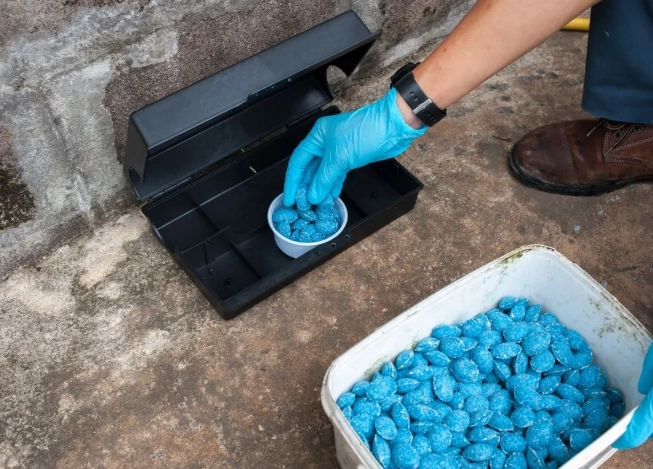
What You'll Find in This Guide
How Do Traditional Rat Poisons Work? (And Why They're a Nightmare)
Most conventional rat poisons are anticoagulant rodenticides. They work by preventing blood from clotting. A rat eats the bait, feels fine for a few days, then dies from internal bleeding. The problem? The poison stays in the rat's body. If your curious terrier digs up that dead rat in the garden and eats it, the poison transfers to your dog. This is called secondary poisoning, and it's a leading cause of pet toxicities.
The American Veterinary Medical Association (AVMA) has long highlighted the risks of rodenticides to non-target animals. There's no antidote you can keep at home. Treatment involves weeks of expensive Vitamin K1 injections and blood monitoring.
So, the pet-safe search begins. But here's the catch most websites won't tell you: any substance toxic enough to kill a rat is, by definition, a poison. The goal isn't to find a "safe poison" – that's an oxymoron. The goal is to find control methods that eliminate or manage the rat without creating a toxic hazard for your family.
Decoding "Pet Safe" Rat Bait: Ingredients and Limitations
When companies sell "pet safe" or "natural" rat killers, they're typically using one of a few active ingredients. Let's break them down.
1. Vitamin D3 (Cholecalciferol)
This is the most common. It causes a dangerous rise in calcium levels in the blood, leading to kidney failure and heart problems. While it might take a larger dose to affect a 50-pound dog compared to a rat, it is absolutely toxic. The Pet Poison Helpline lists it as a severe risk. If your golden retriever eats several pellets or a dead rat full of the stuff, you're racing to the emergency vet.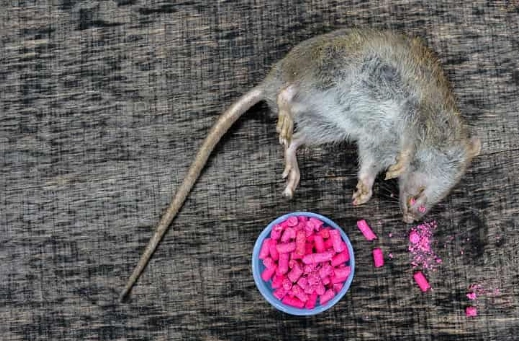
2. Corn Gluten & Baking Soda
Some brands use a mix that supposedly causes gas to build up in the rat's digestive system. The theory is that rats can't expel gas. The efficacy is... debated, to put it kindly. Even if it works, the question becomes: is a bloated, slowly dying rat in your wall any more humane? And what if your pet finds that carcass?
3. Botanical Oils (Like Peppermint)
These are usually repellents, not poisons. They can deter rats from a specific area because rats hate the strong smell. But they don't solve an existing infestation. A hungry rat will push past the smell to get to food.
The brutal truth I've learned from talking to pest control pros is this: if a product is sold as a consumable bait that kills, it carries risk. The only way to make it somewhat "safer" is to put it in a tamper-resistant bait station that only a rat can access. But stations can be knocked over, chewed by determined dogs, or accessed by clever wildlife.
The Integrated Plan: Truly Pet-Safe Rat Control That Works
Forget searching for a unicorn product. Effective, pet-safe control is a process, not a pill. It's called Integrated Pest Management (IPM), and it focuses on making your environment inhospitable to rats. The U.S. Environmental Protection Agency (EPA) advocates for IPM as a first line of defense.
Here’s a comparison of your real options:
| Method | How It Works | Pet Safety Level | Best For |
|---|---|---|---|
| Exclusion (Sealing Entry Points) | Physically blocks rats from entering your home using steel wool, hardware cloth, caulk. | 100% Safe | Long-term prevention; the single most effective step. |
| Snap Traps | Quick, mechanical kill. Modern plastic ones are very sensitive. | High (if placed thoughtfully) | Active infestations. Use inside pet-proof stations for maximum safety. |
| Electronic Traps | Delivers a high-voltage shock inside an enclosed chamber. | Very High | Interior spaces like garages or basements. Pets can't touch the mechanism. |
| Live Catch Traps | Captures rat alive for release. | High | Those opposed to killing. Check local laws on relocation. |
| Natural Deterrents (Peppermint, Ultrasonic) | Repels via smell or sound. | 100% Safe | Minor deterrents or as part of a broader plan. Unreliable alone. |
| "Pet Safe" Poison Baits | Ingested toxin (e.g., Vitamin D3). | Low to Moderate Risk | A last resort, only in secured professional-grade stations. High secondary poisoning risk. |
See the pattern? The safest methods are physical: blocking, trapping, or shocking. Anything that relies on an ingested toxin introduces a variable you can't fully control—where the poisoned rat goes to die.
Where Most People Go Wrong with Traps
They use too little bait, place traps in the open, and give up after one night. Rats are neophobic—afraid of new objects. Leave an unset trap with bait for a few nights so they get used to it. Use high-value bait: a smear of peanut butter mixed with oats, or a piece of nut meat. Place traps along walls, in dark corners, behind appliances—where you see droppings or grease marks.
Your 5-Step Pet-Safe Action Plan
Let's make this concrete. Assume you heard noises in the attic last night.
Step 1: The Inspection (Be a Detective). Don't just look for rats. Look for evidence. Droppings (dark, spindle-shaped). Grease marks along baseboards (their fur leaves smudges). Gnaw marks on wood or wires. Entry points—check where utility pipes enter, vents, gaps under doors. A rat can fit through a hole the size of a quarter.
Step 2: Sanitation (Remove the Invitation). This isn't about having a clean home; it's about removing food and shelter. Store pet food, bird seed, and grass seed in metal bins with tight lids. Use a compost bin with a secure lid, not an open pile. Trim back tree branches and ivy touching your house. Pick up fallen fruit from trees.
Step 3: Exclusion (Lock the Doors). This is your weekend project. Seal every hole you found. For small gaps, use steel wool packed tightly, then cover it with caulk or spray foam. For larger holes or vents, use 1/4-inch hardware cloth (wire mesh). It's tougher than chicken wire. Install door sweeps on exterior doors.
Step 4: Trapping (The Active Removal). Based on the table above, choose your tool. For most, a set of 4-6 modern snap traps is perfect. Bait them, set them unarmed for two nights near the activity, then arm them on the third night. Check them daily. Wear gloves when disposing of carcasses.
Step 5: Monitoring & Maintenance. Leave a couple of unbaited traps or monitoring blocks in out-of-the-way places like the garage or crawlspace. If they get gnawed, you know activity is starting again, and it's time to reinspect for new entry points.
Your Top Rat Control Questions Answered
The bottom line is this. You love your pets and want to protect your home. The most responsible path isn't the easiest one-click solution. It's the methodical one: seal them out, trap the ones inside, and remove the reasons they came in the first place. It takes more elbow grease than dropping a bait box, but the peace of mind—knowing your dog can sniff every corner of the yard, or your cat can patrol the basement—is worth every bit of effort. Start with inspection and exclusion. You might be surprised how far that alone gets you.




Leave a comment