Quick Navigation
- The Foundation: Understanding Calories and Cat Food Labels
- How Much Food Should My Kitten Eat? (0-12 Months)
- The Adult Cat Feeding Conundrum (1-7 Years)
- Feeding the Senior and Geriatric Cat (7+ Years)
- Beyond Age: The Crucial Factors That Change the Equation
- Answers to Your Burning Questions (FAQs)
- Putting It All Together: Your Action Plan
Figuring out how much food your cat should eat can feel like solving a puzzle. One day they're scarfing down everything in sight, the next they're turning their nose up at a bowl you just filled. And it gets even more confusing when you realize a tiny kitten and a hefty senior cat have wildly different needs. The question "how much food should my cat eat by age" isn't just about filling a bowl; it's about matching their nutrition to their life stage, activity level, and health.
I've been through this myself. My cat, Mochi, went from a ravenous little furball to a somewhat... portly gentleman in his middle years before I got a grip on his portions. It's easy to overfeed, especially when those pleading eyes are staring at you. But getting it right is so important for their health, longevity, and even your vet bills.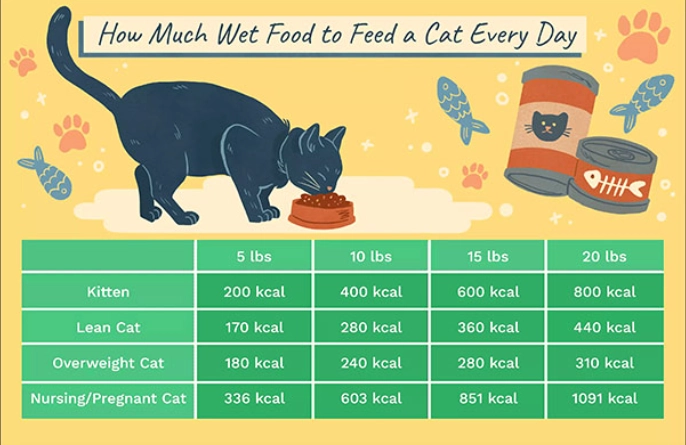
Let's get one thing straight right away: There is no single, perfect amount of food for all cats. The guidelines on the bag are just that—guidelines. Your cat's metabolism, whether they're indoor or outdoor, if they're spayed or neutered, and their overall health play massive roles. This guide will give you the solid framework you need, but your vet and your own observations are the final pieces of the puzzle.
The Foundation: Understanding Calories and Cat Food Labels
Before we jump into age groups, we need to talk about energy. Cat food amounts are measured in calories, not just cups or grams. A cup of one brand's kibble can have twice the calories of another. If you only measure by volume, you could be way off.
Always check the kcal/cup or kcal/kg statement on the bag or can. This is the metabolizable energy (ME), the calories your cat can actually use. The American Academy of Feline Practitioners (AAFP) stresses the importance of using calorie content, not volume, as the primary measure for feeding. It's a game-changer.
Here's a rough starting point: the average indoor, neutered adult cat needs about 20 calories per pound of body weight per day to maintain their weight. An active outdoor cat might need more like 35 calories per pound. But remember, kittens and seniors break this mold completely.
So, grab your cat's food bag. Find the calorie count. Now we can really start.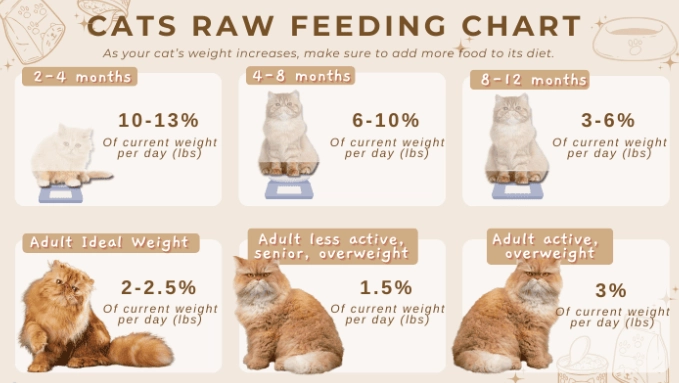
How Much Food Should My Kitten Eat? (0-12 Months)
Kittens are tiny energy bombs. They're growing bones, muscles, and brains at an incredible rate. Their stomachs are small, but their needs are huge. Underfeeding a kitten can seriously stunt their development.
The Neonatal Phase (0-4 Weeks)
If you have a newborn kitten without a mother, this is critical. They need bottle feeding with a kitten milk replacer (never cow's milk!) every 2-4 hours, around the clock. The amount is based on weight, typically 2 tablespoons (30ml) per 4 ounces of body weight per day, divided into those many small meals. It's exhausting work, and you should really be working with a vet or rescue.
The Weaning & Growth Spurts (4 Weeks - 6 Months)
This is when most people get their kittens. They start on wet food mush and quickly move to solid kitten food. Here's the thing: you should let them eat as much as they want of a high-quality kitten food. Seriously. Free-feeding or providing 3-4 large meals a day is standard. They might eat up to 2-3 times the amount of an adult cat relative to their size.
A common estimate is that a kitten needs about 60-65 calories per pound of body weight. So, a 2-pound kitten might need 130 calories daily, while a 6-pound kitten could be packing away nearly 400 calories! They burn through it fast.
When Mochi was a kitten, I was shocked by how much he ate. I thought I was creating a monster! But my vet assured me it was normal. He'd have a massive growth spurt, sleep for 18 hours, and then do it all again. The key is using food specifically formulated for "growth" or "kitten." Adult cat food won't have the right protein and fat ratios.
The Adolescent Phase (6-12 Months)
Growth starts to slow down. You'll notice they might get a bit lanky. This is the time to transition from free-feeding to scheduled meals—usually 2-3 times a day. Start paying closer attention to their body condition. You don't want an overweight teenager. Their calorie needs begin to taper down toward adult levels.
Kitten Feeding Takeaway: Err on the side of more food, not less. Use kitten-formulated food. Multiple small meals are better than one or two big ones. Regular vet check-ups are crucial to ensure they're on track.
The Adult Cat Feeding Conundrum (1-7 Years)
This is where most of us live, and where most mistakes happen. An adult cat's metabolism is stable, but their lifestyle might not be. The big shift here is moving from growth-based feeding to maintenance feeding.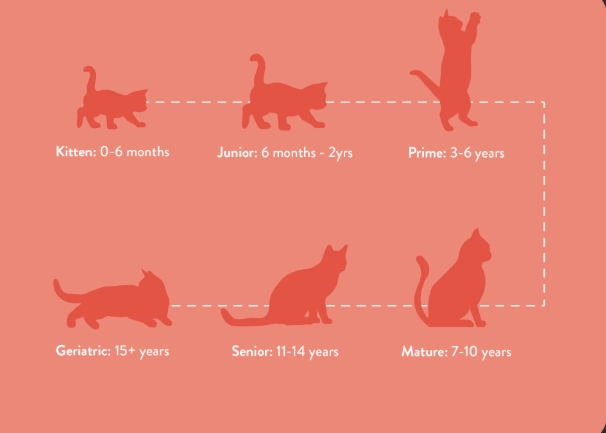
The baseline is that 20 calories per pound figure. But let's break it down more practically. Is your cat:
- An indoor couch potato? They might only need 18 calories per pound.
- A neutered/spayed indoor cat? This surgery can lower metabolic rate by up to 30%. Start at 20 calories/pound and adjust down if they gain.
- An active indoor/outdoor cat? They could need 25-30 calories per pound.
Let's put this in a table. This is a general guide for how much food should my cat eat in the prime adult years. Remember, you must use your food's specific calorie count to make this accurate.
| Cat Weight (lbs) | Daily Calorie Need (Low Activity) | Daily Calorie Need (Avg Activity) | Approx. Dry Food (cups)* (~300 kcal/cup) |
Approx. Wet Food (5.5oz cans)* (~150 kcal/can) |
|---|---|---|---|---|
| 8 lbs | 160 kcal | 200 kcal | ~1/2 cup | ~1 1/3 cans |
| 10 lbs | 200 kcal | 250 kcal | ~2/3 cup | ~1 2/3 cans |
| 12 lbs | 240 kcal | 300 kcal | ~3/4 - 1 cup | ~2 cans |
| 15 lbs | 300 kcal | 375 kcal | ~1 - 1 1/4 cups | ~2.5 cans |
*This is an EXAMPLE. Please, please check your own food's calorie density. A "cup" is a standard 8-oz measuring cup, not a scoop.
Most vets recommend two measured meals per day for adults. It helps with routine, allows you to monitor appetite, and prevents the all-day grazing that leads to weight gain. Free-feeding dry food is a common culprit for chunky cats.
The Spay/Neuter Effect: This is huge. After sterilization, a cat's energy requirement can drop significantly, but their appetite often increases. If you keep feeding the same amount as before surgery, they will gain weight. It's not a maybe. You need to proactively reduce their daily portion by about 20-30% post-surgery and monitor their weight closely.
Feeding the Senior and Geriatric Cat (7+ Years)
As cats age, things change again. Metabolism usually slows down further, but the story gets more complex. Some old cats lose weight due to underlying health issues, while others continue to pack on the pounds.
The blanket rule for seniors isn't about cutting food drastically. It's about quality, digestibility, and adjusting to their health status. A senior cat food is often lower in calories but higher in easy-to-digest protein and has supplements for joint health.
Their calorie need might drop to about 18-20 calories per pound if they're sedentary. But here's the critical part: muscle loss (sarcopenia) is a major concern in older cats. If they're losing weight, especially muscle, they might actually need more high-quality protein and calories, not less. This is why a vet check is non-negotiable for senior cats.
Other age-related changes:
- Dental issues: They might struggle with dry kibble. Switching to or adding wet food can help.
- Decreased sense of smell/taste: Food might not appeal to them. Warming wet food can release aromas.
- Slower digestion: Smaller, more frequent meals (3-4 a day) can be easier on their system.
Figuring out how much food should my cat eat by age when they're a senior is less about a chart and more about vigilant observation and partnership with your vet.
Watch their body, not just the bowl.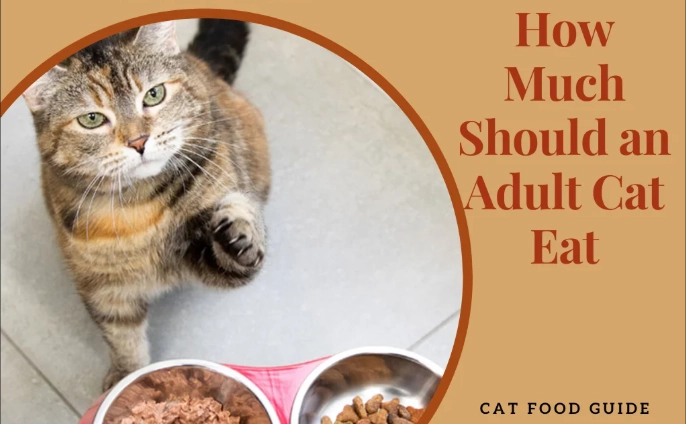
Beyond Age: The Crucial Factors That Change the Equation
Age is the biggest category, but it's not the only one. Ignoring these is why two 10-year-old cats might need completely different amounts of food.
Body Condition Score (BCS): Your Best Tool
This is more important than the scale. Is your cat a sleek hunting machine or a fluffy pillow with legs? The World Small Animal Veterinary Association (WSAVA) has great charts for this. Ideally, you should be able to easily feel (but not see) their ribs, see a waist behind the ribs from above, and a tucked-up abdomen from the side. If you can't feel ribs, they're likely overweight. If ribs and spine are prominent, they're underweight. Adjust food up or down by 10-20% based on this, not just age.
Dry Food vs. Wet Food: The Great Debate
This massively affects how much food should my cat eat. Wet food is about 70-80% water, so it's less calorie-dense by volume. A cat eating only wet food will need a larger volume in their bowl to get the same calories as from dry food. But that's often a good thing! It provides hydration and can help with weight control because they feel fuller.
Many experts, like those at Catinfo.org, advocate for wet food due to its lower carbohydrate content and higher moisture. I personally lean towards mostly wet food with a small portion of dry for dental crunch. But it's a personal and budgetary choice. The key is to know the calories of what you're feeding and measure accordingly.
Health Conditions
Kidney disease, hyperthyroidism, diabetes—these all dramatically alter nutritional needs. A hyperthyroid cat may eat like a horse and still lose weight. A diabetic cat needs strict, timed meals. These are veterinary-prescribed diets and plans, far beyond general guidelines.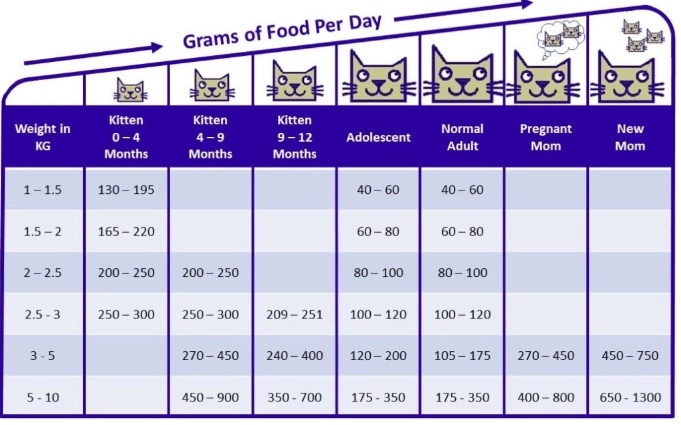
The Golden Rule: The feeding guides on packages are for an "average" cat. Your cat is not average. Use the guide as a starting point, then use your eyes, your hands (to feel their body), and your vet's advice to find the perfect amount.
Answers to Your Burning Questions (FAQs)
Putting It All Together: Your Action Plan
Alright, let's stop with the theory and make a plan. Here’s what you do, step-by-step, to finally answer "how much food should my cat eat by age" for your cat.
- Determine Life Stage: Kitten (under 1), Adult (1-7), Senior (7+).
- Weigh Your Cat: Get a current weight. Baby scales work well for small cats.
- Find the Calories: Locate the kcal/cup or kcal/can on your cat food.
- Calculate a Starting Point:
- Kitten: ~60 kcal/lb.
- Adult (neutered, indoor): ~20 kcal/lb.
- Senior: Start at ~20 kcal/lb, adjust for health/activity.
- Convert to Food Amount: Divide your daily calorie target by the calories per cup/can of your food. That's how much to feed per day.
- Divide into Meals: Split that daily total into 2-4 meals (based on age).
- Monitor and Adjust: Weigh and body-score every 2-4 weeks. Gain weight? Reduce daily amount by 10%. Lose weight (and shouldn't)? Increase by 10%. See your vet if weight changes are sudden or unexplained.
It took me about two months of tweaking to get Mochi's portions just right. He'd lost the extra weight and his energy came back. He still begs, of course—that never stops—but now I know it's an act. The peace of mind knowing I'm feeding him correctly is worth all the initial hassle.
Figuring out how much food should my cat eat by age is one of the most impactful things you can do for their health. It prevents a slew of problems down the road. It's not about deprivation; it's about precision and care. Use this guide, talk to your vet, and watch your cat thrive. They're counting on you to get it right.
Final Thought: When in doubt, consult a professional. Your veterinarian or a veterinary nutritionist can create a personalized plan, especially for cats with special needs. It's an investment in your cat's long, healthy, and happy life.



Leave a comment