Quick Navigation
Okay, let's be real. There's a world of difference between a gentle "meow" and the full-blown, hair-raising scream that makes you leap out of bed at 3 AM, convinced a tiny banshee has possessed your cat. If you're here, you've heard it. That piercing yowl, that insistent, grating cry that seems to have no off switch. You're not alone, and you're not crazy. Your cat isn't necessarily plotting your demise (probably).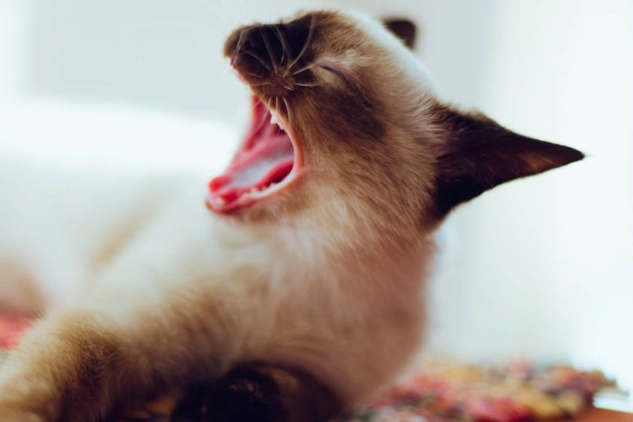
I remember the first time my Siamese, Mochi, let out a proper scream. It wasn't a meow. It was a drawn-out, operatic "MEEEEEE-OOOOOW-WOW!" that echoed through the entire apartment. I spilled my coffee. I thought he'd gotten his tail caught in a door. Nope. He was just... commenting on the fact that his food bowl was, in his opinion, visually 15% empty. Drama queen.
Understanding cats that scream is less about silencing them (good luck with that) and more about decoding the message behind the noise. It's a puzzle, and the solution involves equal parts feline psychology, biology, and sometimes, a trip to the vet.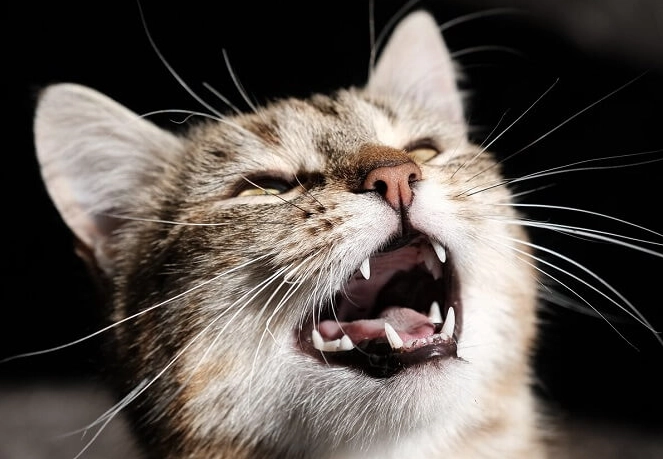
What Exactly IS a Cat Scream? (It's Not Just a Loud Meow)
Let's get our terms straight. Cat vocalizations are a spectrum, and knowing the difference helps pinpoint the problem.
- The Standard Meow: The all-purpose "hello," "feed me," "pet me." Usually short, mid-range in pitch.
- The Chirp/Trill: That cute bird-like sound. Often a friendly greeting or expression of curiosity.
- The Yowl/Howl: This is what most people mean by a cat scream. It's a long, drawn-out, mournful, and often loud vocalization. The mouth is usually open, and the sound can waver. This is the big one.
- The Caterwaul: A specific, intense type of yowl associated with female cats in heat or mating calls between intact cats. It's... distinctive and relentless.
- The Hiss/Growl: Defensive, angry sounds. Usually a clear "back off" signal.
When we talk about cats that scream, we're primarily in yowl and caterwaul territory. It's the sound that carries, that grates, and that prompts frantic Google searches at midnight.
The Big Question: Why on Earth Is My Cat Screaming?
This is the core of it. The reasons range from "perfectly normal but annoying" to "please call the vet tomorrow." Context is everything. When is it happening? What is your cat doing?
The Behavioral & Emotional Reasons (The "Talk to Me" Screams)
Most of the time, the scream is about communication or a big feeling.
1. Attention-Seeking, Plain and Simple. This is a big one, especially for intelligent, social breeds. Your cat learns, brilliantly, that a gentle meow gets ignored but a sonic-boom-level yowl gets you running into the room. Was the scream reinforced by you giving food, play, or even yelling (which is still attention)? If so, you've trained them to scream. I'm guilty of this with Mochi. One tired night I gave in to his 5 AM serenade with a treat. Big mistake. It took weeks to untrain that.
2. Boredom & Lack of Stimulation. A bored cat is a creative cat, often creatively loud. They have pent-up energy and no outlet. This is super common in indoor-only cats, especially if they're left alone for long periods. The scream becomes their way of saying "I'm dying of ennui! Entertain me!"
3. Stress, Anxiety, or Fear. Changes in the environment can trigger screaming. A new pet, a new baby, moving furniture, visitors, even a new scent. My friend's cat started yowling incessantly when they brought home a new rug. The cat was stressed by the unfamiliar smell. Some cats also suffer from separation anxiety and will vocalize distress when left alone.
4. Disorientation & Cognitive Decline. This is a critical one for senior cats (typically 11+ years). A condition similar to dementia in humans, called Feline Cognitive Dysfunction (FCD), can cause confusion, anxiety, and vocalization. An older cat may scream at night because they're disoriented, can't find you, or are confused by the darkness. It's a heartbreaking sound, and it requires veterinary guidance. The Cornell Feline Health Center has excellent resources on this.
The Biological & Medical Reasons (The "Something's Wrong" Screams)
This is the category where you need to stop reading and start observing closely, maybe with a vet's number in hand.
1. Pain or Discomfort. This is non-negotiable. A cat in pain will often vocalize. It could be arthritis (especially in seniors making it painful to jump or use the litter box), dental disease, an injury you can't see, or internal issues like urinary problems. A sudden onset of screaming, especially if paired with changes in posture, appetite, or litter box habits, is a red flag.
2. Hearing Loss. It seems counterintuitive, but cats who are going deaf often get louder. They can't regulate their volume because they can't hear themselves. If your older cat's meows and yowls seem increasingly loud and frequent, have their hearing checked.
3. Hyperthyroidism. This is a very common condition in middle-aged to older cats. An overactive thyroid gland essentially revs their metabolism into overdrive. Symptoms include weight loss despite a ravenous appetite, hyperactivity, restlessness, and—you guessed it—increased vocalization, often at night. It's easily diagnosed with a blood test and is treatable.
4. High Blood Pressure (Hypertension). Often secondary to other diseases like kidney disease or hyperthyroidism, hypertension can cause anxiety, disorientation, and vocalization. It can also damage eyes and organs. Your vet can check this with a simple, quick test.
5. The Reproductive Drive: In-Heat Caterwauls. If you have an unspayed female, her screams during heat are legendary. It's a loud, rolling, desperate yowl designed to attract every tomcat within a mile radius. It's biological, relentless, and a prime reason to spay your cat. Unneutered males will also yowl and scream when they smell a female in heat.
Breed Matters: The Naturally Chatty Felines
Some cats are just born with more opinions and a stronger desire to share them... loudly. If you have one of these breeds, a certain level of vocalization is baked into the deal. Expect conversations, demands, and running commentaries on your life.
Here’s a quick look at some of the champion talkers—the breeds often behind the most dramatic cat screams.
| Breed | Vocal Style | Why They're Loud | What to Expect |
|---|---|---|---|
| Siamese & Oriental Shorthairs | Loud, low-pitched, raspy, persistent. They don't meow; they converse. | Genetically predisposed to be highly social and vocal. They use their voice to connect and command. | Running commentary on everything. They will tell you about an empty bowl, a closed door, a bird outside, their philosophical musings. |
| Bengals | Varied, often chirpy but can escalate to loud, demanding yowls. | High energy, high intelligence, high need for stimulation. Boredom leads to noise. | Vocal demands for play, food, or attention. May scream if their extensive exercise needs aren't met. |
| Sphynx | Surprisingly loud and frequent. They seek warmth and attention constantly. | Extremely people-oriented and social. They hate being alone and will vocalize their loneliness or desires. | Chatty, demanding presence. Will yell for cuddles, for warmth under a blanket, or just because you're in another room. |
| Burmese | Soft but persistent and frequent. A gentle, ongoing monologue. | "Dog-like" in their devotion. They want to be involved in every single thing you do and will talk about it. | Constant, low-volume chatter. Less of a scream, more of a never-ending, pleasant murmur with occasional emphatic points. |
| Tonkinese | A mix of Siamese rasp and Burmese sweetness, often at high volume. | A cross between Siamese and Burmese, so they get the vocal social genes from both sides. | Very communicative, with a wide range of sounds. Can be loud when they want something specific. |
Just because you have a "quiet" breed like a British Shorthair doesn't mean they won't scream if something is medically wrong. And having a Siamese doesn't mean you have to accept 3 AM operas without trying to manage it. But knowing your cat's blueprint helps set realistic expectations.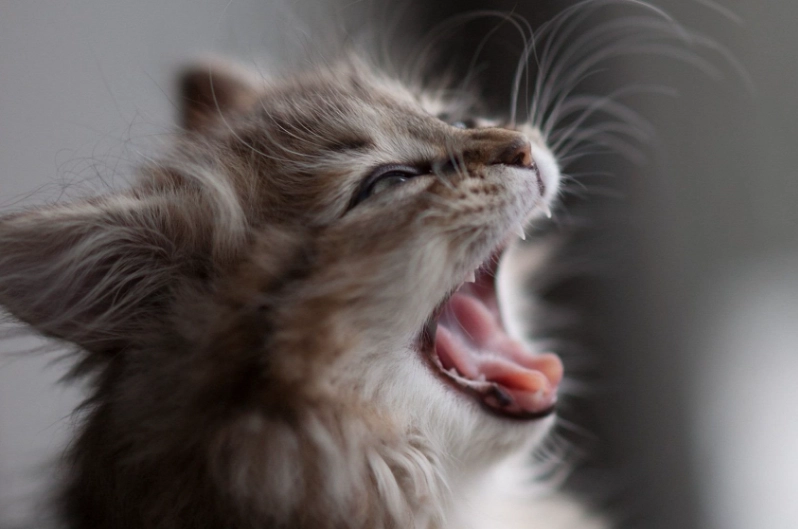
The Action Plan: What to Do When Your Cat Won't Stop Screaming
Okay, theory is great, but you need solutions. Let's break it down step-by-step. This isn't a one-size-fits-all; you'll need to mix and match based on the cause.
Step 1: The Non-Negotiables (Rule Out the Big Stuff)
1. Schedule a Vet Visit. I can't stress this enough. Especially for new or changed behavior. A full check-up, including blood work (a senior panel is great for older cats), urinalysis, and blood pressure check, can rule out hyperthyroidism, kidney disease, arthritis pain, dental pain, and hypertension. This is your foundation. No behavioral fix will work if the cat is in physical distress.
2. Spay or Neuter. If your cat is intact, this is the single most effective way to stop heat-related caterwauling and roaming/tomcat yowling. Just do it.
Step 2: Environmental & Behavioral Fixes
Once you have a clean bill of health, it's time to work on the environment and your responses.
The Golden Rule: Ignore the Scream, Reward the Quiet. This is the hardest part. When your cat screams for attention, you must become a statue. Do not look at them, do not talk to them, do not push them away (that's still attention). Completely disengage. The moment they are quiet—even for a few seconds—immediately give them what they want: attention, a treat, play. You are teaching them that silence works; noise is useless. It takes insane consistency.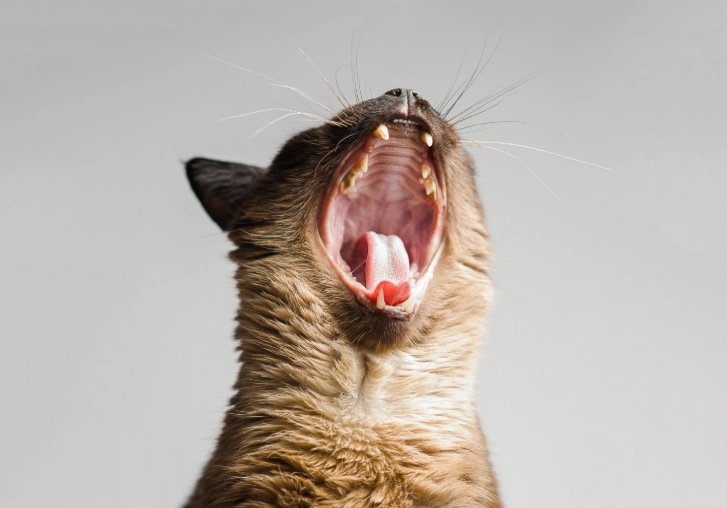
Create a Predictable, Enriching Routine. Cats thrive on predictability. Feed, play, and have cuddle sessions at roughly the same times. A tired cat is a quiet cat. For high-energy or bored cats that scream, dedicate 15-20 minutes of intense, interactive play (with a wand toy) twice a day, especially before a meal and before your bedtime. Mimic the hunt-catch-eat-groom-sleep cycle.
- Food Puzzles: Ditch the bowl. Use puzzle feeders, snuffle mats, or hide kibble around the house. Makes them work for food, burning mental energy.
- Catify Your Space: Vertical territory (cat trees, shelves), window perches for bird-watching, and even cat-safe videos of birds or fish can provide passive entertainment.
- Consider a Companion: Sometimes, but only sometimes, a second cat can provide companionship for a lonely, vocal cat. This is a major decision and can backfire if not done carefully with proper introductions.
Manage Nighttime Screams. This is a huge pain point. Cats are crepuscular (most active at dawn/dusk).
- Ignore the Night Yowl. Again, brutal but necessary. Earplugs are your friend.
- Make Daytime Active, Nighttime Boring. Play vigorously before bed, then feed a meal. A full, tired cat is more likely to sleep.
- Automatic Feeders: For cats that scream for breakfast at 5 AM, an automatic feeder set for 5:05 AM breaks the association between you and the food. The feeder feeds them, not you. It works wonders.
- Create a Cozy Sleep Space: For senior cats who seem disoriented at night, a warm, comfortable bed in a quiet room with a nightlight can help. Sometimes having them sleep in your room (if they are calm there) reduces anxiety.
When the Scream is a Siren: Urgent Red Flags
Some situations require immediate action, not a wait-and-see approach.
You should seek emergency veterinary care if your cat's screaming is accompanied by any of the following:
- Visible signs of acute pain: Hunched posture, reluctance to move, crying out when touched.
- Straining in the litter box with little or no urine output. This is a URGENT sign of a potential urinary blockage, which is fatal if untreated.
- Any difficulty breathing, panting, or pale gums.
- Sudden collapse or inability to stand.
- Violent vomiting or diarrhea alongside vocalization.
Your Screaming Cat Questions, Answered
Wrapping It Up: Living in Harmony with a Vocal Cat
Dealing with cats that scream is a journey of patience, observation, and sometimes, acceptance. The goal isn't always complete silence—that's unrealistic for many breeds. The goal is understanding, reducing distress (theirs and yours), and finding a manageable volume of life together.
Start with the vet. Always. Then look at their world through their eyes. Are they bored? Scared? In pain? Just really, really opinionated? Your detective work, combined with consistent, calm responses, will eventually translate that ear-splitting scream back into what it was always meant to be: a message you can finally understand.
And sometimes, you just need really good earplugs and the knowledge that your tiny, loud roommate loves you enough to tell you all about their day. In high-definition, surround-sound detail.






Leave a comment