You walk into the room and there it is—your dog, nose-deep in the cat's litter box, munching away. It's disgusting, it's confusing, and honestly, it's a bit scary. Let's cut to the chase: dogs eating cat litter is a common but serious issue that can lead to health emergencies. In this guide, I'll break down exactly why it happens, what the real risks are, and most importantly, how you can stop it for good. Based on my years as a veterinary technician and dog behavior consultant, I'll share insights you won't find in generic online articles.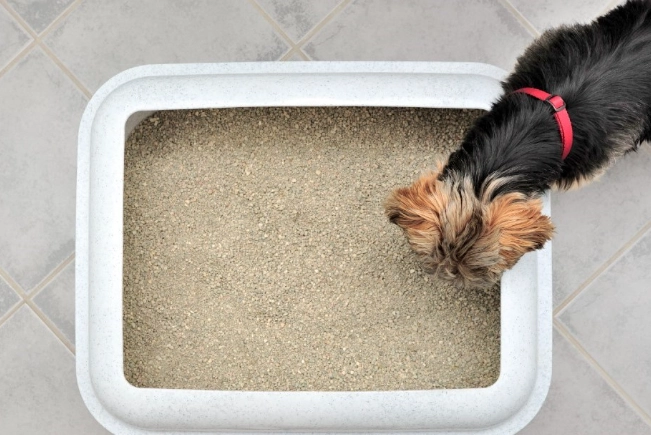
What You'll Find in This Guide
Why Do Dogs Eat Cat Litter?
Dogs aren't just being weird; there are specific reasons behind this behavior. Understanding these can help you address the root cause.
The Curiosity Factor
Dogs explore the world with their mouths. Cat litter, especially if it's scented or contains waste, smells interesting to them. It's like a toddler putting everything in their mouth—it's a way to learn. I've seen dogs who are simply bored or understimulated turn to the litter box out of sheer curiosity.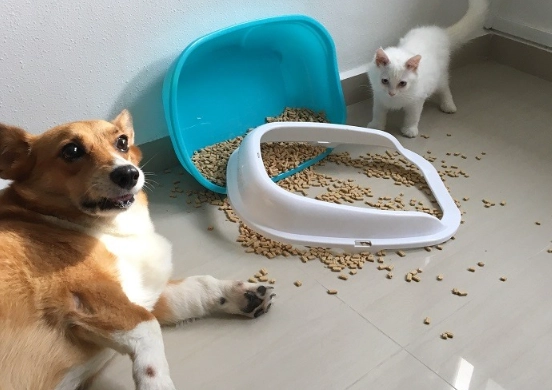
Nutritional Imbalances
Sometimes, dogs eat non-food items due to pica, a condition often linked to dietary deficiencies. If your dog's diet lacks certain nutrients, they might seek them out in strange places. According to the American Kennel Club, deficiencies in minerals like iron or zinc can trigger pica. But here's a twist many owners miss: even high-quality commercial diets might not meet every dog's individual needs, especially if they have underlying health issues.
Behavioral Triggers
Boredom, anxiety, or attention-seeking can drive dogs to eat cat litter. If your dog is left alone for long periods or isn't getting enough mental stimulation, they might turn to the litter box for entertainment. I've worked with dogs where this behavior was a cry for help—once we addressed their anxiety with training and enrichment, the litter-eating stopped.
The Hidden Dangers You Can't Ignore
Don't dismiss this as just a gross habit. The risks are real and can be severe.
Toxicity from Clumping Agents
Most clumping litters contain sodium bentonite, which expands when wet. If ingested, it can clump inside the dog's stomach or intestines, leading to blockages. The ASPCA Animal Poison Control Center lists clumping litter as a potential hazard for pets. I've seen cases where a small amount caused vomiting and dehydration within hours.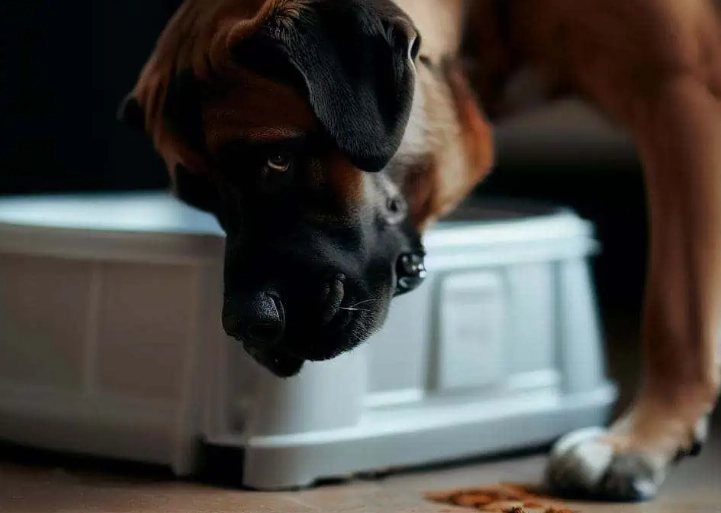
Risk of Intestinal Blockage
Even non-clumping litter can cause obstructions. The material isn't digestible and can accumulate, requiring surgical intervention. Signs include vomiting, lethargy, and loss of appetite. A study in the Journal of Veterinary Emergency and Critical Care highlights that foreign body ingestions are common in dogs, with litter being a frequent culprit.
Bacterial and Parasitic Infections
Cat feces can contain harmful bacteria like Salmonella or parasites like Toxoplasma gondii. When dogs eat litter contaminated with waste, they risk contracting these infections, which can spread to humans too. The Centers for Disease Control and Prevention (CDC) notes that toxoplasmosis can be particularly dangerous for pregnant women and immunocompromised individuals.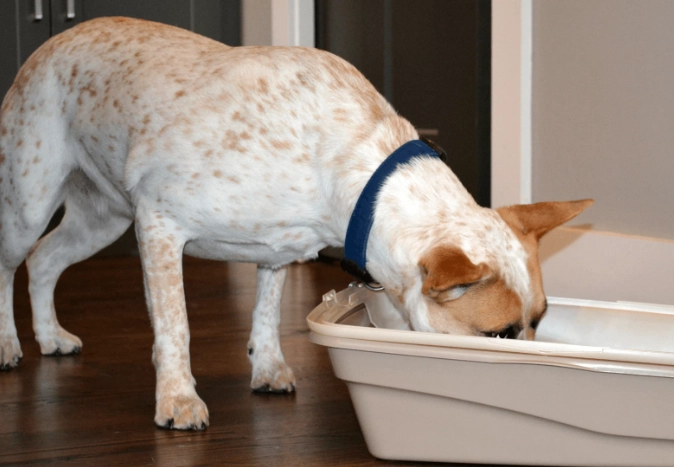
How to Stop It: A Practical Action Plan
Here's a step-by-step approach to prevent your dog from eating cat litter, based on proven methods.
Immediate Steps if Ingestion Occurs
If you catch your dog in the act, stay calm. Remove them from the area and check how much they've eaten. Contact your vet immediately if they've consumed a significant amount or show symptoms like vomiting. Don't induce vomiting unless instructed by a professional—some litters can cause more harm coming back up.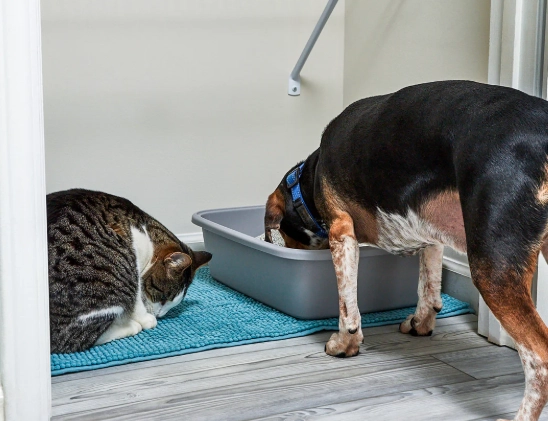
Long-Term Prevention Strategies
Prevention is key. Here are some effective strategies:
- Separate the Litter Box: Place it in a room your dog can't access, like behind a baby gate or in a closed closet. This is the most reliable method I recommend to clients.
- Use Covered Litter Boxes: Covers can deter dogs, but some persistent ones might still get in. Choose ones with secure latches, but don't rely solely on this—I've seen dogs flip them open.
- Switch to Safer Litter: Consider non-clumping, natural litters like paper or wood pellets, which are less hazardous if ingested. However, no litter is completely safe, and some dogs might still find them appealing.
- Training and Deterrents: Train your dog to "leave it" using positive reinforcement. Avoid deterrent sprays; they often contain chemicals that can be harmful if licked, and dogs may become accustomed to the smell. Instead, focus on redirecting their attention to toys or treats.
Here's a quick comparison of common prevention methods: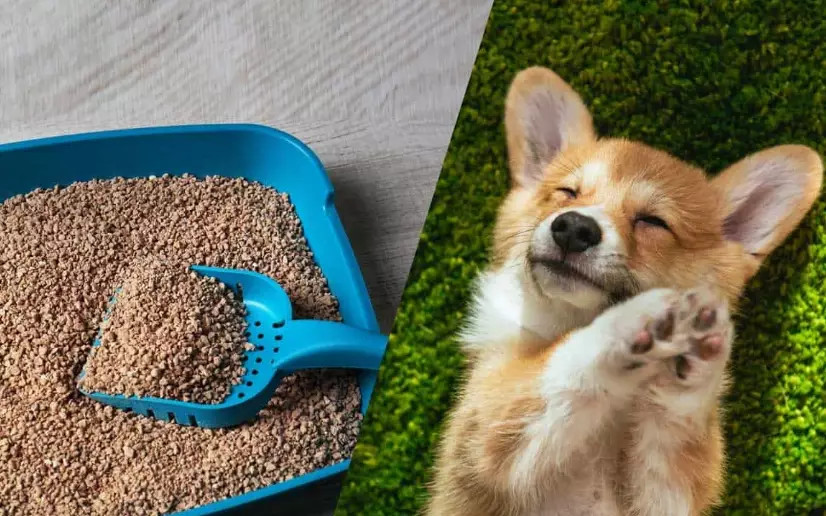
| Method | Effectiveness | Notes |
|---|---|---|
| Baby Gate | High | Best for keeping dogs out entirely; requires installation. |
| Covered Litter Box | Medium | May not stop determined dogs; ensure good ventilation for cats. |
| Natural Litter | Low to Medium | Reduces toxicity risk but still poses blockage danger; can be dusty. |
| Training "Leave It" | High (with consistency) | Requires time and patience; works best combined with other methods. |
A Personal Story: When My Dog Got into the Litter Box
Let me share a personal experience. A few years ago, my Labrador, Max, developed a sudden interest in the cat's litter. At first, I thought it was just curiosity, but then I found him vomiting and lethargic. A trip to the vet revealed he had ingested clumping litter, which was starting to block his intestines. We caught it early, but it was a wake-up call. The vet explained that even small amounts can be dangerous over time. Since then, I've moved the litter box to a gated area and switched to a non-clumping alternative. It's been two years, and Max hasn't touched it since. The lesson? Don't wait for symptoms to act; prevention is always better than cure. I also realized that Max was bored—adding more walks and puzzle toys helped curb his interest.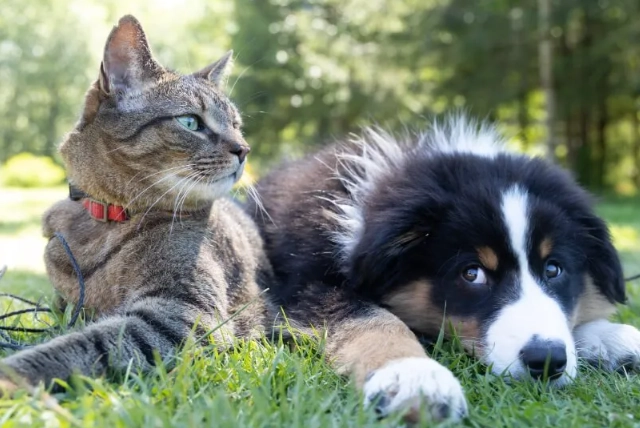
FAQ: Your Burning Questions Answered
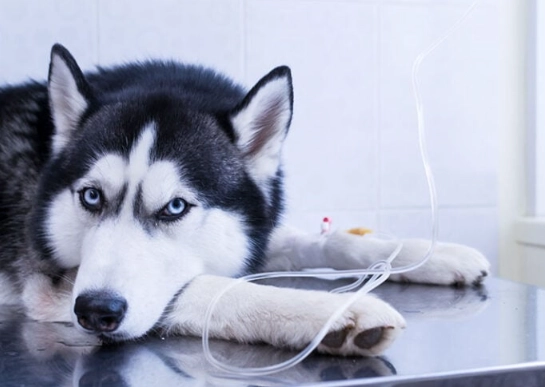
To wrap up, dogs eating cat litter is more than just a nuisance—it's a health hazard that requires prompt action. By understanding the why, recognizing the dangers, and implementing practical solutions, you can keep both your dog and cat safe. Remember, consistency is key; a one-time fix won't work if the root cause isn't addressed. If in doubt, always consult with a veterinarian or a certified dog behaviorist. I've seen too many cases where owners downplayed this until it became an emergency—don't let that be you.





Leave a comment