You’re settled on the couch, your cat hops up, circles a few times, and then starts that rhythmic push-push-push with their front paws into your favorite blanket. Maybe they even get a glassy-eyed look and start to drool a little. It’s one of the most common—and oddly endearing—things cats do. We call it kneading, or sometimes “making biscuits.” But why? What’s going on in that furry little head?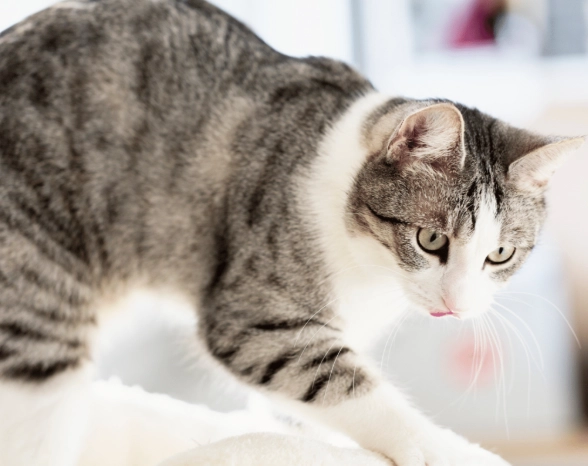
It’s not just random. That behavior is a complex cocktail of instinct, memory, and communication. If you’ve ever wondered if it means your cat thinks you’re their mom, or if they’re trying to tell you something, you’re on the right track. Let’s break down the real reasons, moving beyond the simple “it’s a comfort thing” you see everywhere.
What’s Inside This Guide
What Is Cat Kneading, Exactly?
Kneading is the alternating pushing motion a cat makes with its front paws, often extending and retracting its claws in the process. It’s usually done on a soft surface: a blanket, a lap, a pile of laundry. The motion is slow, deliberate, and often accompanied by purring.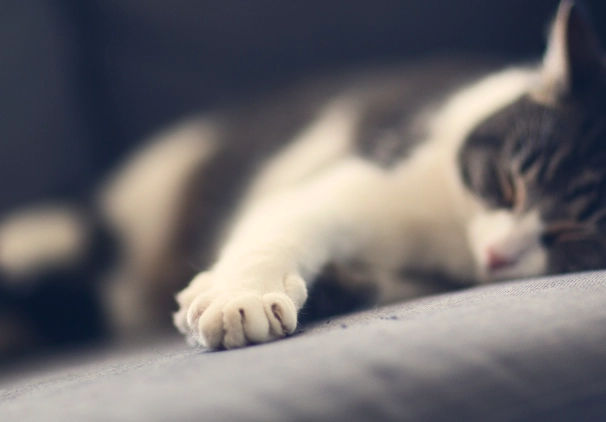
Here’s the foundational piece everyone gets right: it starts in kittenhood. Newborn kittens knead their mother’s belly to stimulate milk flow while nursing. That action is linked with the ultimate feelings of safety, warmth, fullness, and maternal bond.
But that’s just the origin story. When adult cats knead, they’re tapping into that deep-seated neural pathway, but the reasons have evolved. It’s like how we might hum a childhood lullaby when we’re stressed—the action is comforting because of its early association, but we’re doing it for a present-day reason.
7 Reasons Why Cats Knead Blankets (And You)
Most lists stop at three or four reasons. They miss the nuance. After years of living with serial kneaders and talking to behaviorists, I’ve found the motivations are more varied. Your cat is probably doing it for a mix of these reasons.
1. Pure, Unadulterated Contentment
This is the classic. Your cat is happy, relaxed, and feels safe. They’re essentially reverting to a kitten-like state of bliss. You’ll see this after a good meal, in a sunny spot, or when they’re getting pets in just the right way. The purring is usually loud and steady here. It’s a compliment—they feel as good with you as they did with mom.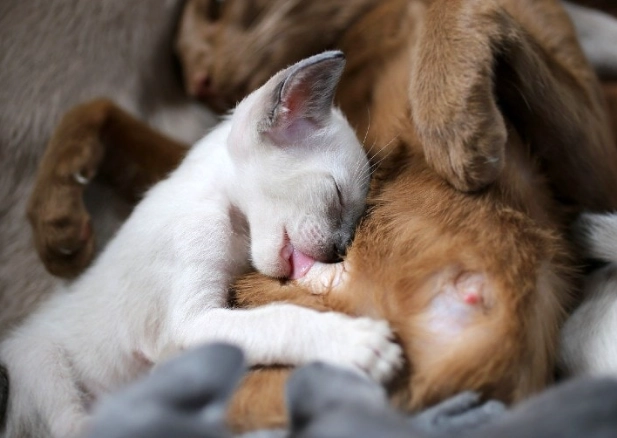
2. Nesting and Bed-Making
Watch a cat before they lie down. They often knead the spot first. In the wild, this would tamp down grass, leaves, or dirt to create a comfortable, safe sleeping area. Your cat isn’t stupid; they know the blanket is already soft. But the instinct is powerful. It’s a ritual that says, “This spot is now mine for sleeping.”
3. Scent Marking (The One Everyone Forgets)
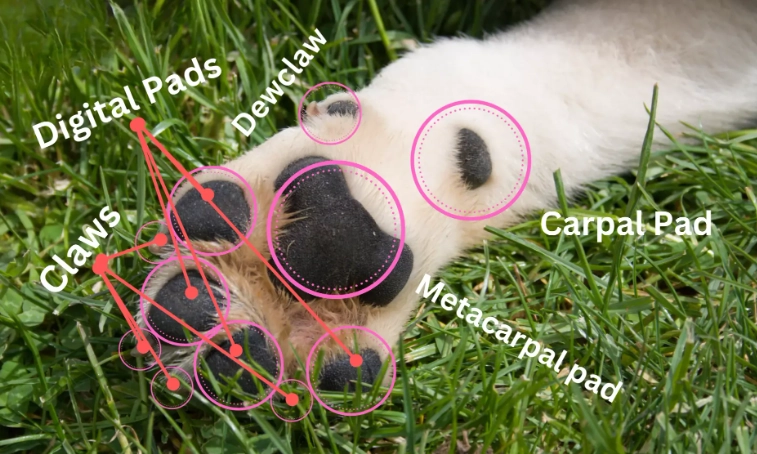
This is a big one that doesn’t get enough airtime. Cats have scent glands in the soft pads of their paws. When they knead, they’re depositing their personal scent onto the surface. It’s a way of claiming ownership. That blanket? Marked. Your lap? Definitely marked. To your cat, this isn’t just cozying up; it’s putting their signature on something they value. It’s why they often return to the same blanket—it smells like them.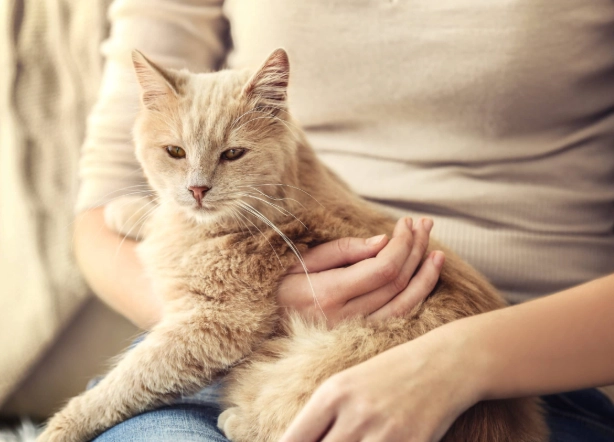
4. Stretching and Muscle Maintenance
Think about the motion. It extends the claws, stretches the tendons in the legs and toes, and works the muscles in the shoulders. It’s a great little physical therapy session. An older cat with arthritis might knead more deliberately to work out stiffness. It just feels good physically, separate from the emotional comfort.
5. Seeking Attention
Sometimes, it’s a learned behavior. If your cat has learned that kneading on you results in pets, cuddles, or even a funny reaction from you, they’ll do it to initiate interaction. It becomes a tool. My cat knows that a few careful biscuits on my arm while I’m working means I’ll usually stop and give him a scratch behind the ears. He’s trained me well.
6. Sexual Behavior (In Unspayed/Unneutered Cats)
This is specific but important. Female cats in heat will often knead more frequently and intensely, sometimes while raising their hindquarters. It’s part of the mating display. Tomcats may also knead when they catch the scent of a female in heat. If your unaltered cat suddenly starts obsessive kneading, this could be the culprit.
7. Stress or Anxiety Relief
This seems counterintuitive, but it’s true. Just like humans might bite their nails or twirl their hair when anxious, cats can use kneading as a self-soothing mechanism. The rhythmic motion is calming. The key is to look at other body language. Is their purring strained or silent? Are their ears slightly back? Are they kneading in a new, stressful situation (like a vet visit)? In that context, it’s a coping mechanism.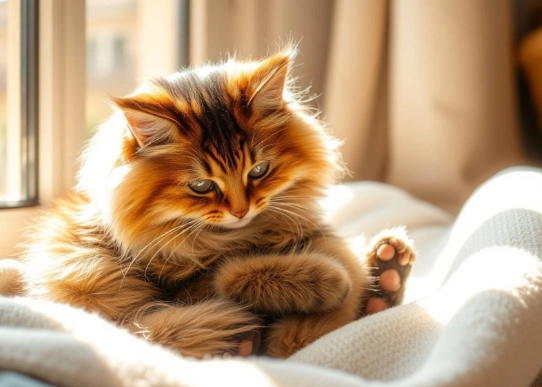
What Your Cat’s Kneading Style Says
Not all kneading is created equal. How they do it gives you extra clues.
The Baker: Fast, focused kneading, often with a serious expression. This cat is deeply into the zone, usually for comfort or nesting.
The Dough Puncher: Hard, forceful pushes. This might be a bigger cat or one really trying to work out a muscle knot or mark territory thoroughly. It can hurt if you’re the surface!
The Sloppy Drooler: Kneading so blissful they lose control and drool. This is the peak of kittenhood regression and total trust. Have a tissue handy.
The Silent Kneader: All the motion, none of the purr. Could be simple stretching, anxiety-related kneading, or a cat who just doesn’t purr much.
The “Biscuits & Bite” Combo: They knead and then gently mouth or suckle the fabric. This is a strong link back to nursing behavior and is very common in cats weaned too early.
When Kneading Might Be a Problem (And What to Do)
Kneading itself isn’t bad. The problems are side effects: sharp claws, damaged furniture, or obsessive behavior.
The Problem: Claws snagging your sweater or digging into your legs.
The Fix: Keep their claws trimmed. It’s the single most effective thing. Place a thick blanket between you and them. Gently redirect them to a nearby cat bed or kneading post. Never yell or punish—you’ll just create anxiety.
The Problem: Destroying a favorite chair or blanket.
The Fix: Provide a better alternative. Get a dedicated scratching/kneading post covered in a material they love (sisal, soft fleece). Place it near the “victim” furniture. Use catnip to attract them to it. For blankets, you might need to accept that one as their sacrificial kneading blanket.
The Problem: Sudden, frantic, or obsessive kneading that’s new.
The Fix: Rule out pain first. Arthritis or an injury in a paw could cause this. Then, look at stress levels. Has anything changed? New pet, new baby, moved furniture? Consult your vet to rule out medical issues, then a cat behaviorist if it’s stress-related.
The biggest mistake I see? People trying to stop the kneading itself instead of managing its consequences. You can’t fight a hardwired instinct, but you can make it work for your household.
Your Kneading Questions, Answered
Is cat kneading a sign of affection?
It can be, but it's not the only reason. While a relaxed, purring cat kneading on you is often showing contentment and trust (a huge compliment!), kneading is primarily an instinctive behavior rooted in kittenhood. It's a complex signal. The key is to look at the whole context—their body language, purring, and where they choose to knead tell you more than the action alone.
My cat kneads me but not blankets. What does that mean?
This usually means you are their ultimate source of comfort and security, even more than their favorite blanket. You are warm, familiar, and smell like home. They associate you with the same safety and nurturing feelings they had with their mother. It's a very intimate behavior. Some cats also prefer the texture of clothing or skin over fabric.
Should I stop my cat from kneading?
Generally, no. It's a natural, usually harmless behavior. You should only intervene if it causes problems: if their claws are sharp and hurt you, or if they are destructively kneading furniture. The solution isn't to punish the kneading, but to manage the side effects. Keep claws trimmed, provide appropriate scratching/kneading posts, and place a thick blanket between you and their paws if needed.
Why does my cat drool while kneading?
This is a throwback to kittenhood. Nursing kittens often drool in anticipation of milk. When an adult cat gets into that deeply relaxed, blissful state while kneading, that infantile response can be triggered. It's a sign they are in an extreme state of contentment and have completely let their guard down. It's a bit messy, but it's a sign of ultimate feline trust.
So next time your cat starts making biscuits on your lap, you’ll know it’s more than just a cute quirk. It’s a story written in scent and motion—a story of comfort, claim, and ancient instinct. Unless their claws are out. Then it’s a story about you needing to trim their nails.



Leave a comment