Let's be honest. The dream of a cat that uses the human toilet is a powerful one. No more litter dust on the floor, no more weekly scooping, no more smell. It seems almost too good to be true. I'm here to tell you it's possible, but it's not a magic trick. It's a serious behavioral modification project that requires patience, the right cat, and a method that doesn't skip steps. I learned this the hard way with my own cat, Jasper, a decade ago. I rushed it, he regressed, and we had to start over. This guide is the method I wish I had back then—a slow, cat-centric approach that actually works.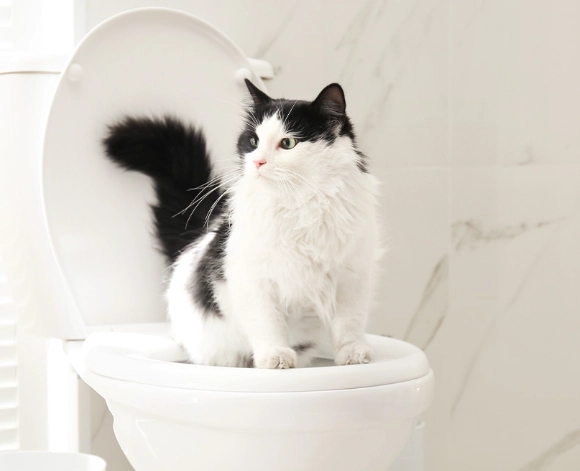
What's Inside This Guide?
Is Toilet Training Right for Your Cat?
This isn't for every cat. Forget the viral videos for a second. The International Cat Care organization emphasizes that cats are naturally inclined to dig and cover in a loose substrate. Asking them to balance on a porcelain rim goes against some deep instincts. Success depends heavily on your cat's personality.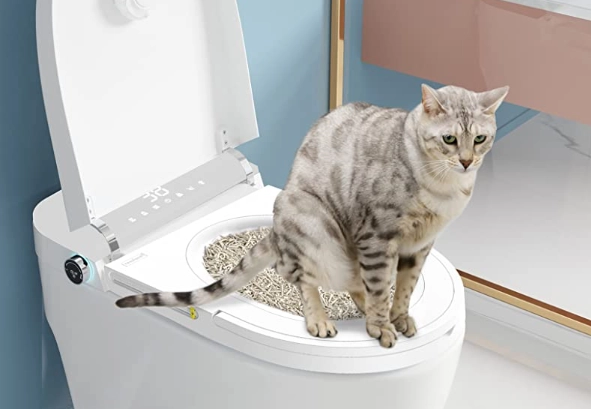
The ideal candidate is curious, confident, unfazed by change, and already shows an interest in the bathroom. Younger cats (1-5 years) adapt faster than seniors. A cat with a history of urinary issues or arthritis is a hard no—the posture can be painful and dangerous for them.
Let's weigh the real pros and cons, beyond the obvious.
| Pros | Cons |
|---|---|
| No litter costs. This adds up. | You lose a health monitor. Litter box output is your first clue to diabetes, kidney disease, or UTIs. You'll miss that. |
| No daily scooping. Just flush. | It's inconvenient for you. Need to go? You have to check if the seat is down, maybe wipe off paw prints. Guests need a briefing. |
| No litter tracking. Goodbye, gritty floors. | Potential for stress. If done wrong, it can cause house-soiling or anxiety. |
| Space saving. Great for tiny apartments. | Not multi-cat friendly. One toilet usually can't serve multiple cats' schedules. It creates competition and stress. |
What You'll Need Before You Start
Don't just wing it. Gathering the right tools sets you up for success and prevents mid-training panic runs to the store.
- A Toilet Training Kit: This is non-negotiable. Brands like CitiKitty or Litter Kwitter provide a plastic seat with removable rings that create progressively larger holes. It's the scaffold for the entire process.
- Your Cat's Favorite Litter: Now is not the time to experiment. Use the exact litter they're happy with now. A fine, clumping clay usually works best in the trays.
- High-Value Treats: Find the jackpot reward. Freeze-dried chicken, pure tuna flakes, or a paste treat in a tube. This is your primary communication tool.
- A Non-Slip Bath Mat: Essential for safety and confidence. The last thing you want is your cat slipping as they jump up.
- Patience and a Calendar: Mentally block out 6-8 weeks. Mark phases on a calendar. Rushing is the root cause of 90% of failures.
How to Train Your Cat to Use the Toilet: A 4-Phase Method
This is the core of it. The principle is gradual desensitization and substrate fading. We slowly change the location and then the texture under their paws until only the toilet remains.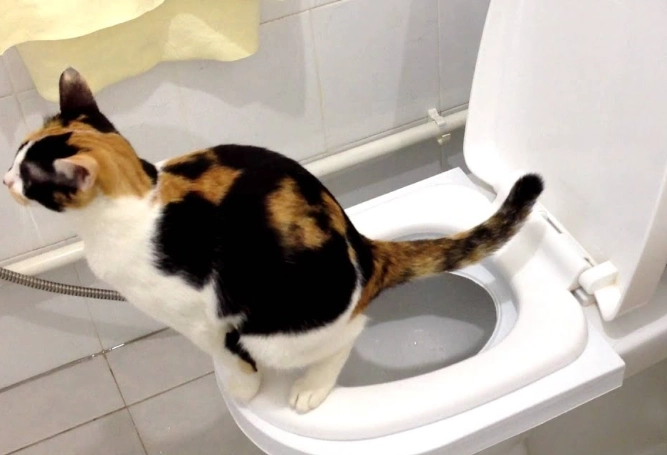
Phase 1: Litter Box on the Toilet (Duration: 3-7 days)
Move your cat's regular litter box from the floor to on top of the closed toilet lid. Just that. Let them get used to the new height and location. Keep the bathroom door open. If they use it successfully, shower them with treats and praise. If they seem hesitant, give it more time. Don't proceed until they're using it as casually as the old spot.
I made a mistake here with Jasper. I only gave it two days because he seemed okay. He wasn't fully confident, and that uncertainty snowballed later.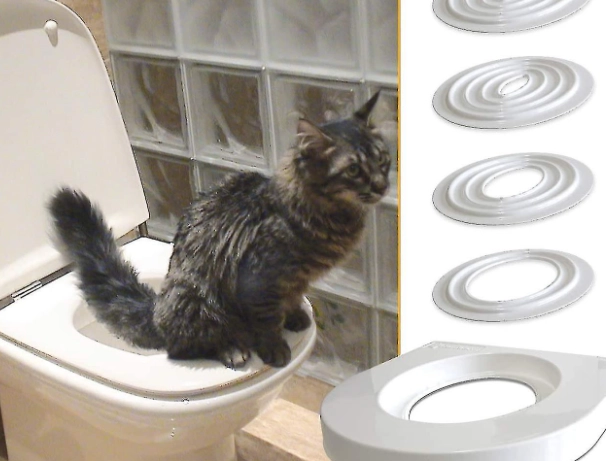
Phase 2: Raising the Box & Introducing the Seat (Duration: 7-10 days)
Place the training seat (with the smallest hole ring installed) on the toilet bowl. Put the litter box inside the training seat. It will be snug. Fill it with a couple of inches of their usual litter.
Now the box is at the correct height and they're standing on the plastic seat rim. This phase gets them accustomed to the feel and stability of the seat. The flush sound might startle them—do a few test flushes when they're in the room but not on the toilet, followed by treats.
Phase 3: The Hole Grows Larger (Duration: 2-3 weeks)
Here's where most guides are vague. You don't just switch rings overnight. After your cat is perfectly comfortable in Phase 2, remove the litter box entirely. Now they are going directly into the training seat tray, which has the smallest hole. Fill this tray with litter. Use less litter than before—just enough to cover the bottom.
Every 4-5 days, switch to the next ring size (medium hole). Each time, use slightly less litter. The goal is to associate the plastic hole with the elimination spot. The litter is just a comforting hint. If at any point your cat balks, go back a ring size for a few more days.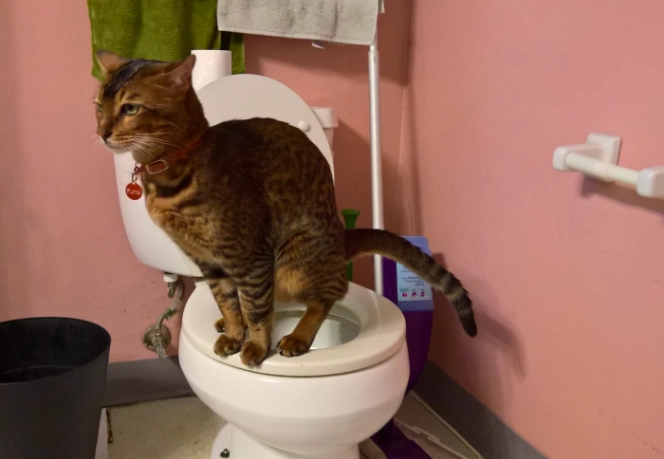
Phase 4: Removing the Litter Box Entirely (Duration: 7-14 days)
The final ring has the largest hole. Use only a tablespoon or two of litter sprinkled in the center. After a week of success with this, try it with just a few granules. Finally, remove all litter. The tray is now just a plastic funnel with water at the bottom.
Once they're consistently using the seat with no litter, remove the training seat entirely. Leave the human seat down. Congratulations. Your cat is now toilet-trained.
Troubleshooting Common Cat Toilet Training Problems
Things will go wrong. It's normal. Here's how to fix the most common hiccups.
Cat refuses to jump onto the toilet.
Go back. Way back. Put the litter box on the floor next to the toilet for a week. Then put it on a stable, low stool next to the toilet. Then on the closed lid. Move in smaller, less intimidating increments.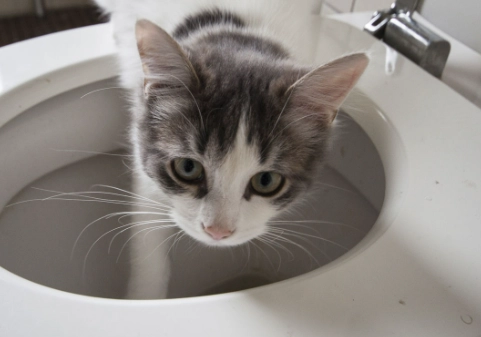
Accidents outside the box/tray.
This is a stress signal. You're moving too fast. Revert to the last phase where they were 100% reliable. Stay there for at least a full week before attempting to move forward again. Clean accidents with an enzymatic cleaner to remove the scent cue.
Cat is scared of the flush.
Desensitize separately. Keep the toilet training separate from flush training for now. At random times during the day, call your cat into the bathroom, give a treat, flush, and immediately give another, even better treat. Build a positive association. Only combine the two when the flush predicts a chicken feast, not fear.
Balancing issues or "misses."
Ensure the training seat is firmly secured and doesn't wobble. The non-slip mat is crucial. If your cat is a chronic miss, their posture might be off. Some cats simply won't squat properly over the hole. This might be a biological limit for your cat, and a large, open litter box may be the kinder option.
The Big Question: Should You Even Do This?
After all this detail, here's my personal, experienced take. I successfully trained Jasper. He used the toilet flawlessly for about three years. Then we moved to a new apartment. The bathroom was different, the sounds were different. He refused to use the toilet there and started going in the bathtub. We had to retrain him to a litter box.
That's the hidden fragility of toilet training. It's a learned behavior that can unravel under stress—moving, a new pet, a baby, even rearranging the bathroom. A litter box is a robust, instinctive default.
So, who is this for? It's for a single-cat household with a bold, adaptable cat and an owner who values the convenience enough to invest serious, patient effort. It's a fun and rewarding project, but it's not a permanent or foolproof solution for everyone.
For most multi-cat homes or people with older, shyer, or medically complex cats, investing in a great self-cleaning litter box or a stylish litter box furniture cabinet is a more practical and less stressful path to a cleaner home. The dream is alluring, but the reality needs to fit your specific life—and your specific cat's needs.





Leave a comment