You're not alone. That moment of horror when you catch your dog snacking on feces—their own, another dog's, or the cat's “treats” from the litter box—is a common, frustrating experience for many owners. The technical term is coprophagia, and while it's disgusting to us, it's a behavior with roots that can be medical, nutritional, or behavioral. The good news? You can tackle this at home with a series of natural, practical steps before resorting to expensive interventions. Let's cut through the noise and look at what actually works.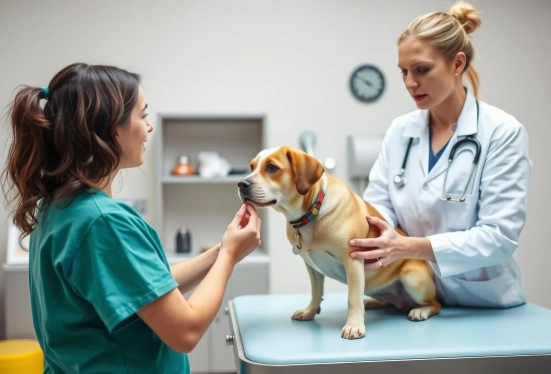
What's Inside This Guide
Why Do Dogs Eat Poop? The Real Reasons
You can't fix a problem if you don't understand it. Most articles list a dozen vague reasons. Let's group them into three actionable categories.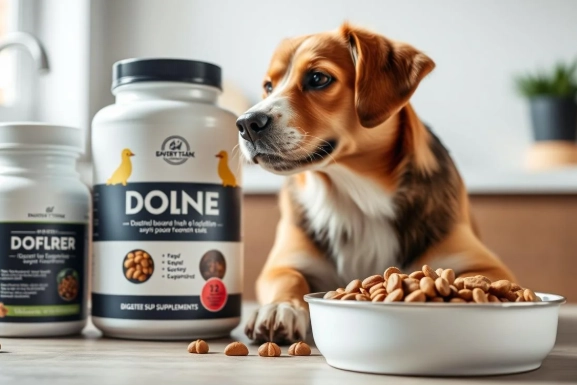
Medical & Health-Related Causes
This is where many owners get it wrong. They assume it's purely behavioral and miss a medical red flag. Conditions like exocrine pancreatic insufficiency (EPI), where the dog can't properly digest food, lead to nutrient-deficient stools that... well, still smell like food to them. Parasites, diabetes, thyroid issues, or malabsorption syndromes can trigger the same scavenging instinct. The dog's body is craving nutrients it's not getting. If your dog starts this behavior suddenly or alongside other symptoms (weight loss, diarrhea, increased appetite), the vet is your first stop, not Google.
Behavioral & Environmental Triggers
This is the classic “puppy seeing mom clean up” or “bored dog in a kennel” scenario. Anxiety, stress, confinement, and even seeking attention (yes, your dramatic reaction is a reward) can perpetuate the habit. Some working breeds or high-energy dogs do it out of sheer boredom. I've seen it in perfectly healthy dogs who just developed a taste for it.
Nutritional Deficiencies & Diet
This is the most over-diagnosed and under-diagnosed reason simultaneously. Is your dog on a low-quality food full of fillers they can't digest? Their poop might still contain recognizable, appealing food particles. Are they genuinely deficient in specific vitamins, minerals, or enzymes? The American Veterinary Medical Association notes that while a balanced diet is crucial, true nutritional deficiencies leading to coprophagia are less common in well-fed pets than assumed. However, a poor-quality diet can absolutely be a contributor.
Here's the unpopular opinion: often, it's a combination. A slightly suboptimal diet meets a bored puppy, and a habit is born.
How to Stop Your Dog Eating Poop: A Step-by-Step Home Plan
Throwing pineapple at the problem and hoping it goes away isn't a strategy. You need a multi-pronged, consistent approach. Think of this as a 4-week intervention program.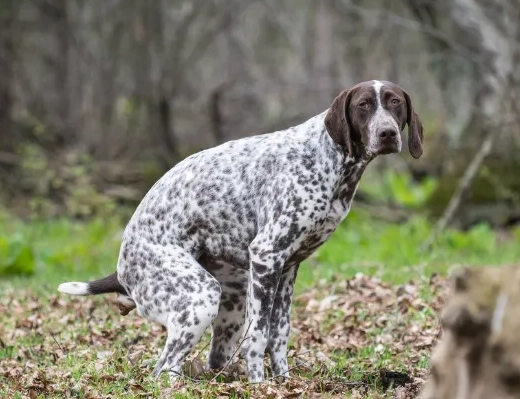
Step 1: The Immediate Cleanup Protocol
This is non-negotiable. You must break the access cycle. For the next month, become a poop ninja. Follow your dog into the yard and clean up immediately after they go. No exceptions. For indoor accidents or cat litter boxes, instant removal is key. This removes the “reward” and is the single most effective thing you can do starting today. It's a pain, but it works.
Step 2: Dietary Review & Upgrade
Look at what you're feeding. If it's a grocery store brand full of corn and by-products, consider a gradual switch to a higher-quality food with named meat proteins as the first ingredients. You don't need to go ultra-premium, but better nutrition can lead to better-formed, less appealing stools.
Add digestive aids:
- Canned Pumpkin (plain): A tablespoon per meal for a medium dog. The fiber improves digestion and can make stools less palatable.
- Probiotics: A good quality canine probiotic supports gut health and nutrient absorption, potentially reducing the appeal of poop. Look for ones with multiple strains.
- Digestive Enzymes: Sprinkled on food, these can help break down food more completely, leaving less “good stuff” in the stool.
Step 3: Training & Mental Enrichment
Teach a solid “Leave It” command. Start with a low-value item, then practice with (clean, safe) objects that resemble poop outside. Reward heavily for compliance. This gives you control in the moment.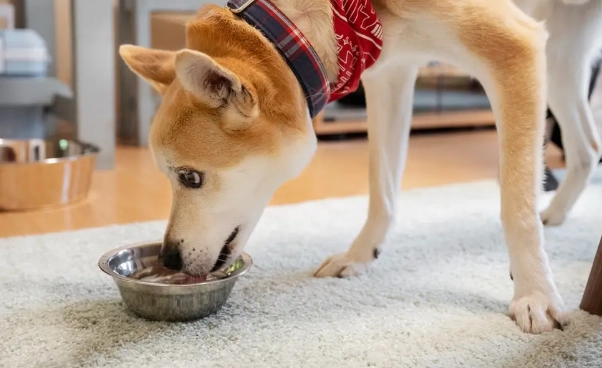
More importantly, fight boredom. A tired, stimulated dog is less likely to seek out disgusting hobbies. Increase walks, introduce puzzle feeders, have regular play sessions, and consider nosework games. Mental fatigue is as important as physical exercise.
Step 4: Natural Taste Deterrents (The Home Remedies)
These are the additives that make the poop itself taste bad. They work best when combined with the steps above.
For the dog's food: Additives like meat tenderizer (contains papain, another enzyme), a small amount of crushed mint, or a splash of apple cider vinegar are anecdotal favorites. Start with tiny amounts. Important: Never use hot sauce or cayenne pepper directly on poop—it can burn their mouth and is cruel.
For the stool itself (if you can't clean up instantly): Some owners sprinkle a bit of paprika or bitter apple spray on fresh poop in the yard as a deterrent. It's a bit extra, but in stubborn cases, it can help break the visual association.
Common Home Remedies & How They Work
| Remedy | How It's Believed to Work | Practical Application & Notes |
|---|---|---|
| Canned Pumpkin | Adds soluble fiber, firms up stools, may alter taste/smell. | 1 tbsp per meal. Use plain pumpkin, not pie filling. Great for digestion overall. |
| Fresh Pineapple | Contains bromelain enzyme, thought to make poop taste bitter. | A few small chunks per day. Effect is dog-specific. Can cause loose stool if overfed. |
| Probiotics | Improves gut flora, enhances nutrient absorption, leaving less in stool. | Choose a dog-specific formula. Consistency is key—give daily for several weeks. |
| Digestive Enzymes | Helps break down food more completely in the gut. | Sprinkle on food at each meal. Particularly useful for older dogs or those on poor diets. |
| Apple Cider Vinegar | Alters body pH and possibly stool taste. Anecdotal support. | 1 tsp for medium dog in water/food. Always dilute. Can upset some stomachs. |
| “Leave It” Command | Behavioral interruption. Gives owner control. | Requires consistent training. The most powerful long-term “remedy” for behavioral causes. |
A quick story: My own dog, a goofy Golden Retriever named Luna, went through a phase of eating her own poop as a pup. The game-changer wasn't just one supplement. It was the combination: upgrading her food, adding a probiotic, and my militant commitment to cleaning the yard within 30 seconds. The habit broke in about three weeks. The pineapple I tried? She seemed to enjoy it as a treat, but it didn't change a thing on its own.
When Home Remedies Aren't Enough: Time to See the Vet
If you've been religiously following a comprehensive home plan for 4-6 weeks with zero improvement, it's time to call the professional. This is especially true if:
- The behavior started suddenly in an adult dog.
- Your dog is also showing other symptoms: weight changes, vomiting, diarrhea, excessive thirst, or a dull coat.
- Your dog is eating non-food items compulsively (a condition called pica).
Your vet can run tests (fecal exams, blood work) to rule out parasites, EPI, diabetes, and other conditions. They can also recommend prescription-strength deterrents or refer you to a veterinary behaviorist for deep-seated behavioral issues.
Your Top Questions Answered (FAQs)
The journey to stop your dog from eating poop requires patience and a systematic approach. Start with the immediate cleanup and dietary review—the foundations. Layer on training and specific home remedies like pumpkin or probiotics. Observe, be consistent, and don't get discouraged if progress is slow. And remember, your veterinarian is your best ally if your home efforts hit a wall. You can overcome this messy habit.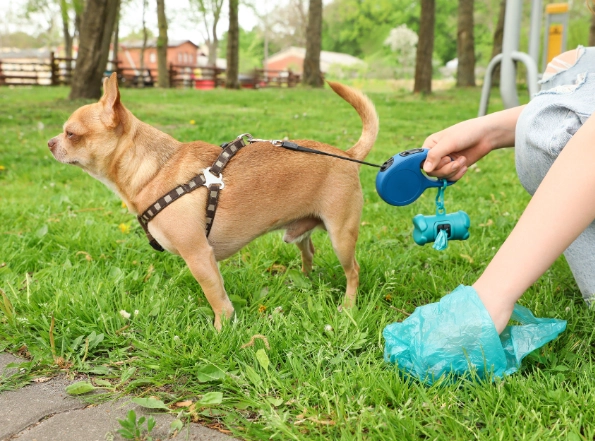

Leave a comment