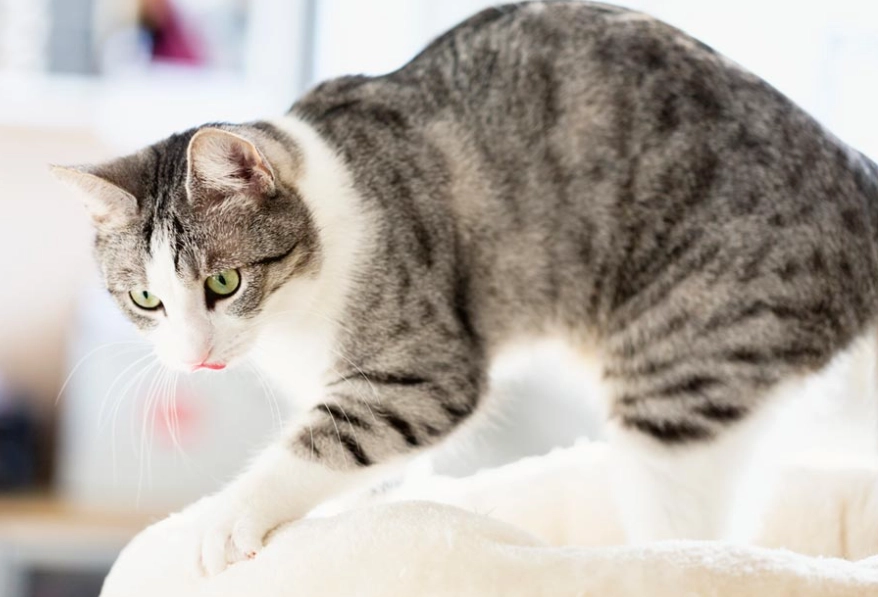
You're settled on the couch, and your cat hops up, circles a few times on your favorite blanket, and starts that rhythmic push-pull motion with her front paws. Her eyes are half-closed, a soft purr rumbles from her chest. It looks like pure bliss. But is she actually happy? The short answer is: usually, yes. That kneading, often called "making biscuits," is deeply tied to feelings of contentment, safety, and comfort. But the full story is more fascinating—and sometimes more nuanced—than a simple yes. It's a complex behavior rooted in kittenhood, woven into feline communication, and occasionally signaling something other than joy. Let's dig into what's really going on in your cat's mind and paws.
What You'll Learn About Cat Kneading
The Science Behind Cat Kneading: It's More Than Instinct
Kneading starts at day one. Newborn kittens knead their mother's belly to stimulate milk flow from the mammary glands. This action is both practical and deeply comforting. It's associated with warmth, nourishment, and the ultimate security of being with mom. That powerful positive association gets hardwired. As noted in a review of feline behavior by the American Veterinary Medical Association, many juvenile behaviors can persist into adulthood, especially when they're reinforced by positive outcomes.
When your adult cat kneads, she's likely in a state of relaxation that triggers that nostalgic, kitten-like feeling. Endorphins—the body's natural feel-good chemicals—are probably being released. The purring, the half-closed "sleepy" eyes, and the relaxed body posture are all part of the same contentment package. It's a self-soothing behavior, a way to recreate that primal sense of safety.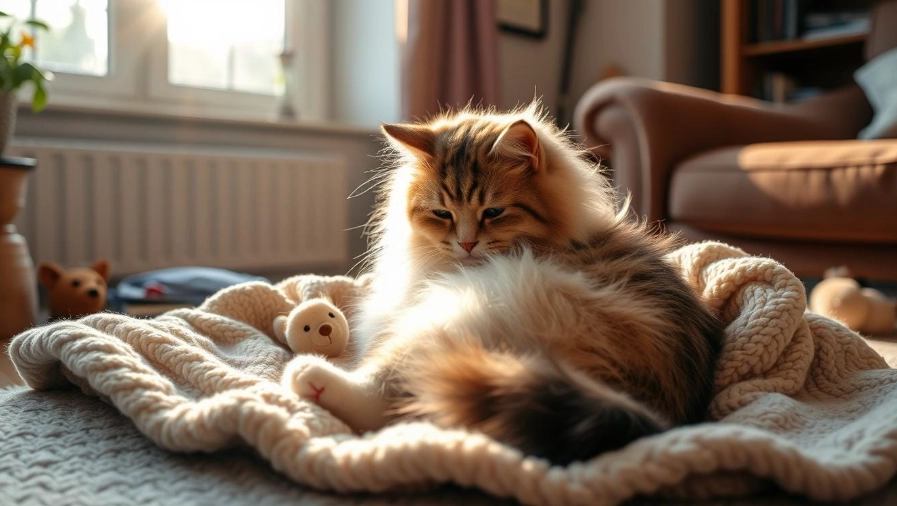
There's also a territorial component. Cats have scent glands in the soft pads of their paws. When they knead, they're depositing their personal scent, marking the person, blanket, or sofa as familiar and safe—theirs. It's a way of saying, "This is my happy place."
What Your Cat's Kneading Really Means (It's Not Just One Thing)
While happiness is the most common driver, kneading is a versatile behavior. The context tells you everything. Here’s a breakdown of what different kneading scenarios can signal:
| Kneading Scenario | Likely Meaning & Emotional State | What to Look For |
|---|---|---|
| On a soft blanket before napping | Contentment & Nesting. Creating a comfortable, safe spot to sleep. The ultimate sign of relaxation. | Purring, slow blinking, relaxed body, eventual curling up to sleep. |
| On your lap while being petted | Affection & Bonding. You are the source of comfort, the surrogate mom. This is a huge compliment. | Intense purring, head-butting, possibly drooling, a trance-like state. |
| On a new piece of furniture or a guest's bag | Territorial Marking & Investigation. Mixing their scent with the new smell to claim it or make it familiar. | More sniffing involved, may not be accompanied by purring, shorter duration. |
| With excessive drooling or vocalization | Intense, Overwhelming Contentment. Some cats get so relaxed they revert to near-kittenhood states. | Glassy eyes, drool spots, kneading may be more rhythmic and focused. |
| While standing and kneading the air | Anticipatory Excitement. Often seen before feeding time or when they see a favorite toy. | Ears forward, tail up, chirping or meowing, not a relaxed posture. |
I had a cat, Luna, who would only knead on one specific, fluffy cream-colored throw. If we washed it, she'd ignore it until it had been back on the couch for a day, gathering "home" scents again. It wasn't just about texture; it was about the specific scent profile of her safe zone.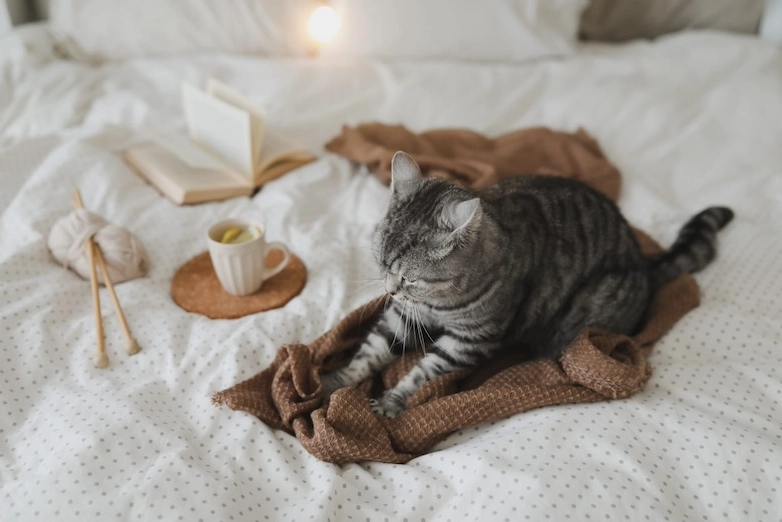
When Kneading Might Signal Something Else
This is the part many guides miss. Kneading isn't always a positive sign. In some contexts, it can be a displacement behavior or a sign of stress.
If a cat is kneading excessively, frantically, or in situations that don't seem relaxing—like during a vet visit or when a new pet is in the house—it might be a coping mechanism. They're trying to self-soothe in an anxious moment. Look for other stress signals: pinned ears, a twitching tail, dilated pupils, or hiding. In these cases, the kneading is more about managing anxiety than expressing pure joy.
How Should You Respond to a Kneading Cat?
Your response should match the intent. Most of the time, the best thing you can do is absolutely nothing. Let them enjoy the moment. If they're on your lap and the claws are getting a bit sharp, don't jerk away or scold them. That breaks the trust and the happy mood.
Instead, try these tactics:
- Place a Barrier: Gently slide a thick blanket or pillow between your cat's paws and your thin leggings.
- Trim Those Claws: Regular nail trims are the most effective, long-term solution for pain-free biscuit-making sessions.
- Positive Redirection: If you need to move them, wait for a pause, then offer a treat or a toy to lure them off gently.
Never punish a kneading cat. You're punishing a natural, largely affectionate behavior. If the kneading is linked to anxiety (the frantic, out-of-context kind), address the underlying stressor. Provide more hiding spots, use pheromone diffusers, or consult with a vet or behaviorist.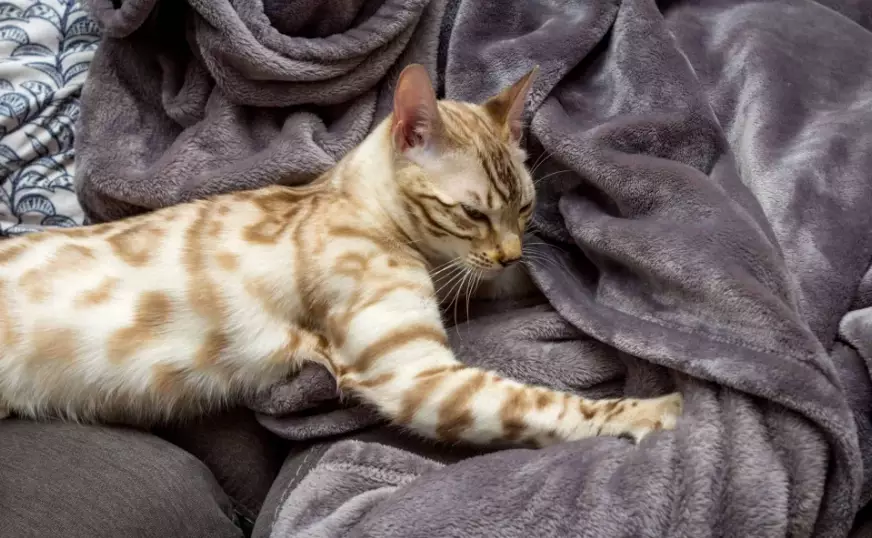
Common Misconceptions About Kneading Behavior
Let's clear up a few myths I see repeated everywhere.
Myth 1: Only female cats knead. Not true at all. Male cats knead just as often. It has nothing to do with gender.
Myth 2: Kneading means your cat was weaned too early. This is a massive oversimplification. While cats weaned very early might show more persistent kneading, the vast majority of cats, regardless of weaning age, knead. It's a nearly universal feline behavior because it's so deeply ingrained.
Myth 3: You should discourage kneading to protect your furniture. This is fighting a fundamental part of your cat's nature. A better strategy is to provide approved kneading surfaces—like a dedicated soft blanket on the couch corner—and keep their claws trimmed. Scratching posts are for scratching; soft things are for kneading. They understand the difference.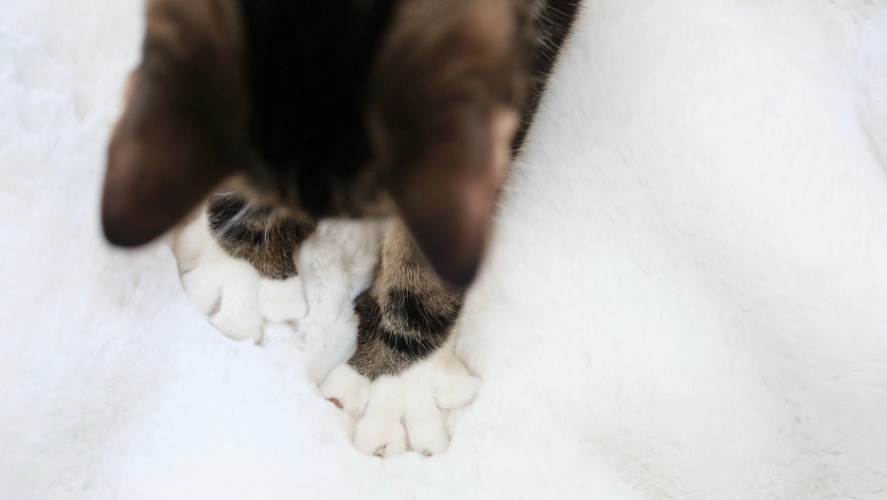
Your Top Kneading Questions, Answered
 Is it okay to stop my cat from kneading on me if her claws hurt?
So, are cats happy when they knead? Most of the time, absolutely. That rhythmic pressing is a purr-filled echo of their earliest comfort, a way to mark their sanctuary, and a profound compliment to you. It's one of the most charming and intimate behaviors they share with us. Pay attention to the context—the setting, their body language, the sounds they make. You'll learn to read the subtle differences between a cat simply making biscuits and one telling you, in the only way they know how, that they feel completely and utterly at home.



Leave a comment