You bring a new cat home, full of hope for a furry friendship. Your resident cat takes one look, arches its back, and lets out a sound that's pure feline fury. Suddenly, your peaceful home feels like a standoff. Getting cats to like each other isn't about luck or hoping they'll "work it out." It's a deliberate process rooted in understanding their language. Rushing it is the single biggest mistake people make. I learned this the hard way years ago, introducing a feisty kitten to my laid-back senior cat without a plan. The resulting months of tension and stress could have been avoided. This guide is the one I wish I'd had.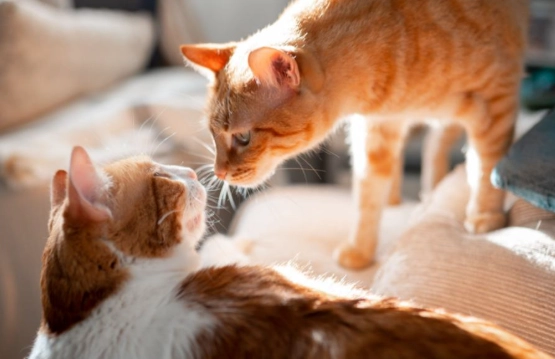
What You'll Learn in This Guide
The Truth About Cat Social Lives (It's Not What You Think)
First, let's ditch a major myth. Cats are not pack animals like dogs. They are solitary hunters by evolutionary design. While they can form social bonds (called "colonies" in the wild), these relationships are based on choice and resource availability, not an inherent need for a buddy. The American Society for the Prevention of Cruelty to Animals (ASPCA) notes that social groups usually form among related females. Forcing two unrelated, unfamiliar cats to share territory triggers a primal stress response.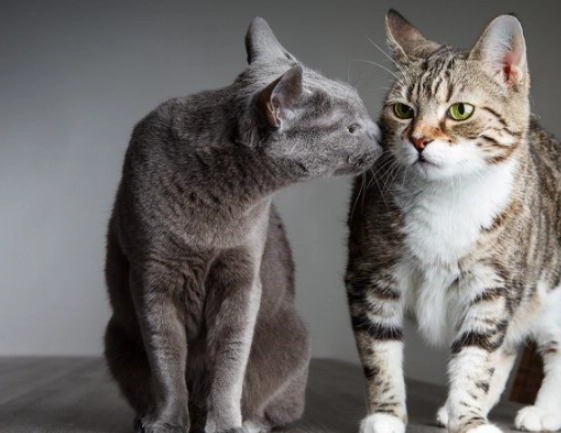
Their world is built on scent. A cat's sense of smell is how they read the newspaper of their environment. When you bring a new cat in, you're not just bringing an animal; you're bringing a walking, breathing billboard of foreign smells that screams "intruder" to your resident cat. Ignoring this scent-based communication is like trying to solve a conflict between two people who speak different languages by locking them in a room.
The goal isn't necessarily for them to become cuddle buddies (though it's wonderful when it happens). The realistic, successful goal is for them to develop mutual tolerance—to coexist peacefully, share the space without stress, and ideally, engage in neutral or positive interactions.
Your Pre-Introduction Checklist: Setting the Stage for Peace
Before the cats even glimpse each other, your homework begins. This preparation phase is non-negotiable.
Create a Safe Room for the New Cat
This is your new cat's base camp. A spare bedroom or bathroom works perfectly. It must have:
- Food and water bowls (far from the litter box).
- A comfortable bed or hiding spot (a cardboard box with a blanket works).
- A scratching post.
- A litter box.
- Some toys.
Close the door. This room allows the new cat to decompress from the stress of moving and start building positive associations with its new home, without the threat of another cat.
Gather Your Supplies
Think of yourself as a stage manager. You'll need:
- Two interactive wand toys.
- High-value treats (freeze-dried chicken, tuna flakes).
- Baby gates (two are ideal for stacking).
- A towel or small blanket for each cat.
- A Feliway or other feline pheromone diffuser (like Feliway Friends). Plug it in a common area a few days before starting. It's not magic, but it can take the emotional edge off.
The Step-by-Step Cat Introduction Process
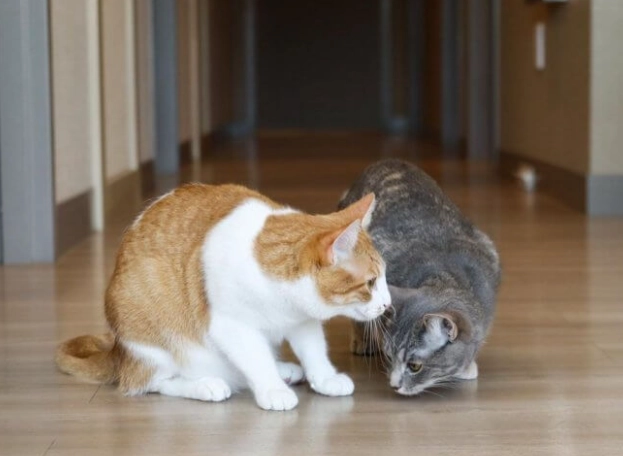
This is the core of how to get cats to like each other. Patience isn't just a virtue here; it's the requirement. Rushing from one step to the next because things "seem okay" is how you end up with a full-blown fight and a major setback. Go at the pace of the most hesitant, fearful, or aggressive cat.
Phase 1: Scent Swapping (Days 1-3+)
The cats remain completely separated by a closed door. Your job is to mix their scent profiles.
- Take a towel or sock and rub it gently on one cat's cheeks (where their friendly pheromones are).
- Place this scent-soaked item near the other cat's food bowl or favorite resting spot. Watch their reaction. A little sniffing is fine. Hissing or running away means they need more time.
- Switch the cats' bedding daily.
- Feed them on opposite sides of the closed door. The goal is to create a link: "The smell of that other cat predicts good things (food)."
Phase 2: Controlled Visual Access (Days 4-7+)
Now we add sight, but with a barrier. A baby gate or a cracked door secured with a doorstop works. For very tense cats, start with just a 2-inch crack.
- Continue feeding them on either side of the barrier.
- Engage them in parallel play with wand toys. You want them to see each other while feeling playful and relaxed.
- Keep sessions short (5-10 minutes) and end on a positive note with treats. If either cat stares, growls, or fixates, calmly end the session and go back to scent swapping for another day.
Phase 3: Supervised Face-to-Face Meetings (Week 2+)
Only proceed when both cats are calm and curious during Phase 2. Remove the barrier for brief, heavily supervised meetings.
- Have treats ready. Let them explore the room.
- Look for relaxed body language: loose tails, ears forward, blinking. Normal curiosity (sniffing) is good.
- The moment you see tense body language (stiff posture, staring, tail twitching, flattened ears), distract them with a toy or treat before it escalates. Then calmly separate them. Ending on a good note is critical.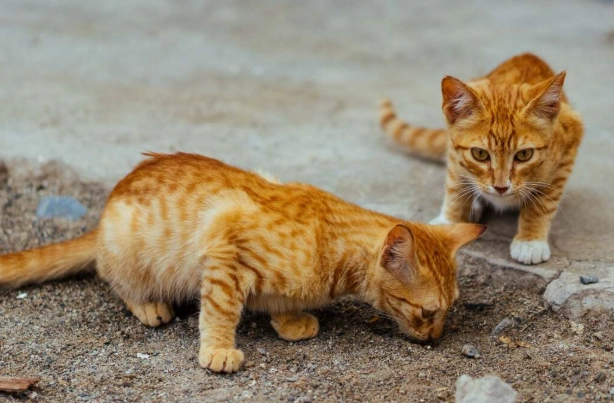
| Body Language Signal | What It Means | Your Action |
|---|---|---|
| Slow Blinking | Relaxed, trusting, "I mean no harm." | Great! Slow blink back. Reward with a quiet treat. |
| Sideways Body/Arched Back | Fearful, trying to look bigger. May lead to defensive aggression. | Distract immediately with a toy. Do not punish. End session. |
| Stiff Stare, Tail Twitching | High alert, potential prelude to an attack. | Break line of sight with a pillow or blanket. Calmly separate cats. |
| Mutual Grooming or Sleeping Near Each Other | High-level social bonding. The ultimate goal. | Quietly celebrate. You can start giving them more unsupervised time. |
Common Mistakes and How to Fix a Rocky Start
Maybe you already let them meet and it went poorly. Don't panic. You can reset.
The Mistake: Letting them "fight it out."
The Fix: This almost never works. It reinforces fear and aggression. Go back to square one. Separate them completely with a door between them for at least a few days to let stress hormones dissipate. Restart the scent swapping process from Phase 1.
The Mistake: Punishing a cat for hissing or growling.
The Fix: Hissing is communication, not aggression. It's a cat saying "I'm scared, back off." Punishing them for this only creates more negative associations ("When I see that other cat, I get scared AND my human yells"). Redirect, don't punish.
The Mistake: Favoring the new cat.
The Fix: Your resident cat's world has been turned upside down. Shower them with extra attention, play, and treats. They need to feel secure that their status and resources aren't threatened.
Moving Beyond Tolerance to True Companionship
Once they coexist peacefully, you can encourage friendship. It's about creating shared positive experiences.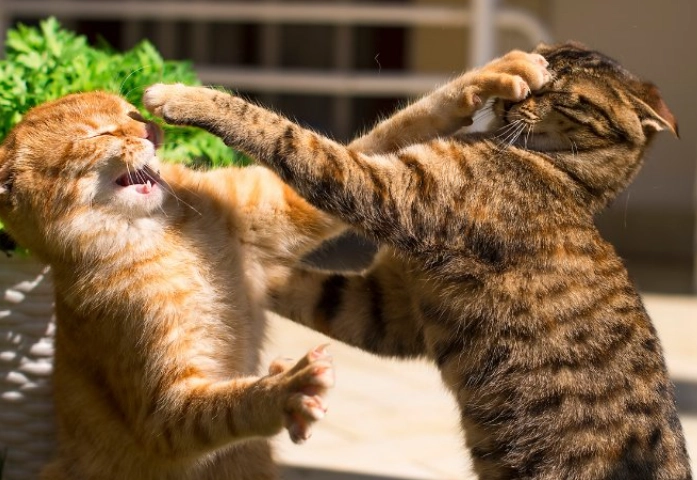
Feed them treats simultaneously while they're in the same room. Play with them together using two wand toys. Provide vertical space—cat trees, shelves—so they can share a room without being in each other's personal space. Sometimes, the best friendship is peaceful coexistence, not snuggling. That's still a massive win.
Your Top Cat Introduction Questions Answered
How long does it take for cats to get along?
There's no universal timeline. It can take a few weeks for two easygoing, young cats, or several months for adults with set personalities. I've seen cases involving a traumatized rescue and a territorial senior take over six months of patient work. The key is to measure progress in small victories—less hissing, closer napping, calm eating—not just the absence of a fight.
My older cat hates my new kitten. What do I do?
This is a classic scenario. The kitten's boundless energy is terrifying and annoying to the older cat. Follow the steps meticulously, but also ensure the older cat has plenty of kitten-free zones (a high perch, a separate room). Most importantly, exhaust the kitten with play before any introduction session. A tired kitten is a calm, less threatening kitten. Let the older cat set the pace; never force interaction.
Is it ever too late to introduce cats properly?
It's never too late to improve their relationship, but it gets harder the longer they've had negative interactions. If they've been coexisting in a state of cold war for years, you may not achieve cuddling, but you can almost always reduce stress and aggression by implementing the core principles: separate resources (food, water, litter, high perches), using pheromones, and creating positive associations through treats and play when they are in the same space without conflict.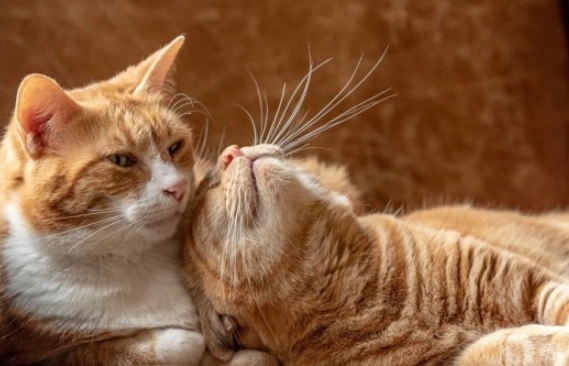
Can catnip or calming supplements help during introductions?
Use with extreme caution. Catnip can make some cats hyper or aggressive, which is the last thing you want. For calming supplements (like L-theanine or casein-based products like Zylkene), consult your vet first. They can take the edge off for some cats, but they are not a substitute for the behavioral process. The diffuser (Feliway Friends) is generally a safer first step for environmental support.
What if one cat just wants to play and the other doesn't?
This is a communication mismatch. The playful cat's pounces are often misinterpreted as attacks. You need to be the playful cat's primary playmate. Schedule multiple intense play sessions daily to drain that energy. During supervised meetings, have the playful cat on a harness or redirect its energy to a toy the moment it focuses on the other cat. Teach it that the other cat is not a toy.




Leave a comment