Quick Navigation
If your dog is having accidents indoors, it might be more than just a behavioral issue—it could be fecal incontinence. This condition, where a dog loses control over bowel movements, is more common than many owners realize and often stems from underlying health problems. I've seen cases where early intervention made a huge difference, so let's dive into what you need to know.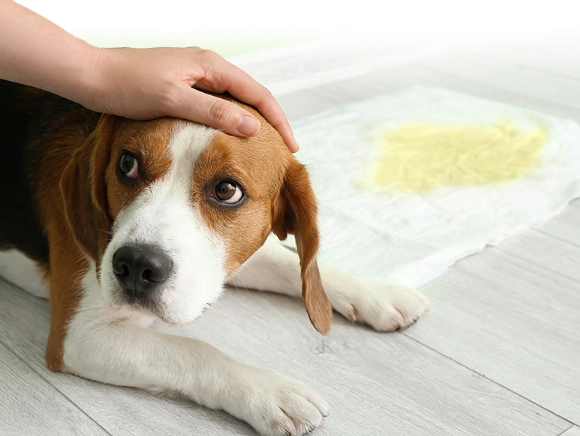
What Is Fecal Incontinence in Dogs?
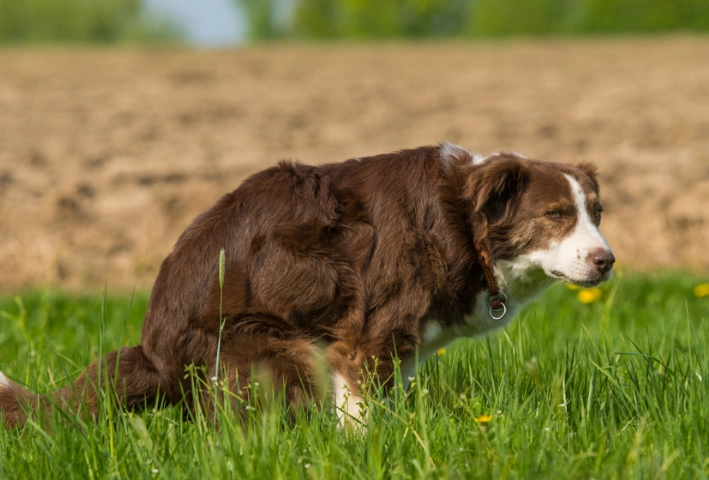
Fecal incontinence in dogs refers to the inability to control bowel movements, leading to involuntary defecation. It's not just about aging; it can affect dogs of any age due to various medical or neurological issues. Imagine your dog suddenly leaving small piles around the house without any warning—that's often a sign of this condition.
Symptoms can range from occasional leakage to full bowel movements. You might notice stool spots on bedding, frequent soiling of the hindquarters, or your dog appearing surprised or distressed when accidents happen. It's crucial to distinguish this from diarrhea, which involves loose stools but not necessarily loss of control.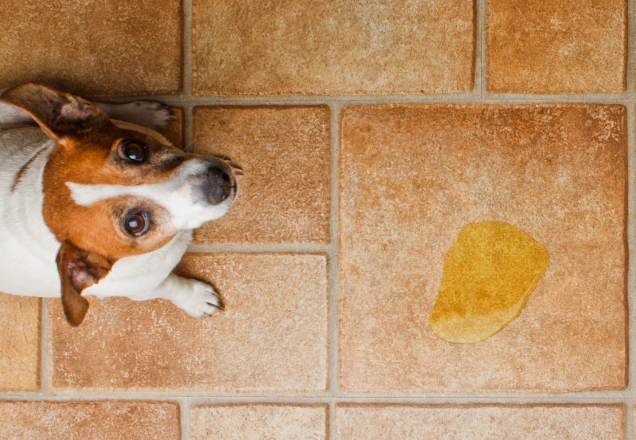
Key Signs to Watch For
- Accidents indoors, especially during sleep or rest
- Stool leakage without straining
- Redness or irritation around the anus
- Changes in stool consistency or frequency
- Signs of discomfort or attempts to hide accidents
Common Causes of Canine Bowel Incontinence
The causes of fecal incontinence are diverse, and understanding them is the first step toward effective management. From my experience, many owners overlook neurological issues, assuming it's just old age. But let's break it down.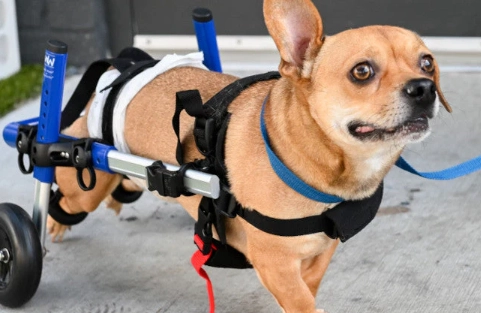
Medical Causes
Conditions like degenerative myelopathy, intervertebral disc disease, or spinal injuries can damage nerves controlling the bowels. Digestive disorders such as inflammatory bowel disease (IBD) or colitis might weaken rectal muscles. Infections, parasites, or tumors in the gastrointestinal tract are other culprits.
Age-Related Factors
Senior dogs often experience weakened anal sphincter muscles or cognitive decline, leading to incontinence. However, it's not inevitable—proper care can mitigate many issues. Don't just write it off as "getting old"; get a vet check-up to rule out treatable conditions.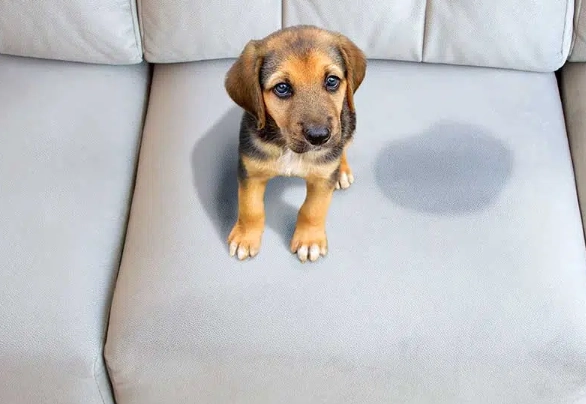
| Cause Type | Examples | Typical Symptoms |
|---|---|---|
| Neurological | Spinal injury, degenerative diseases | Loss of coordination, pain, leakage during rest |
| Digestive | IBD, infections, food allergies | Diarrhea, vomiting, weight loss alongside incontinence |
| Age-Related | Muscle weakness, cognitive dysfunction | Accidents during sleep, confusion, reduced activity |
One common mistake I've seen is assuming incontinence is solely behavioral. While stress or anxiety can contribute, it's rare without an underlying medical trigger. Always consult a vet to pinpoint the cause.
How Is Fecal Incontinence Diagnosed?
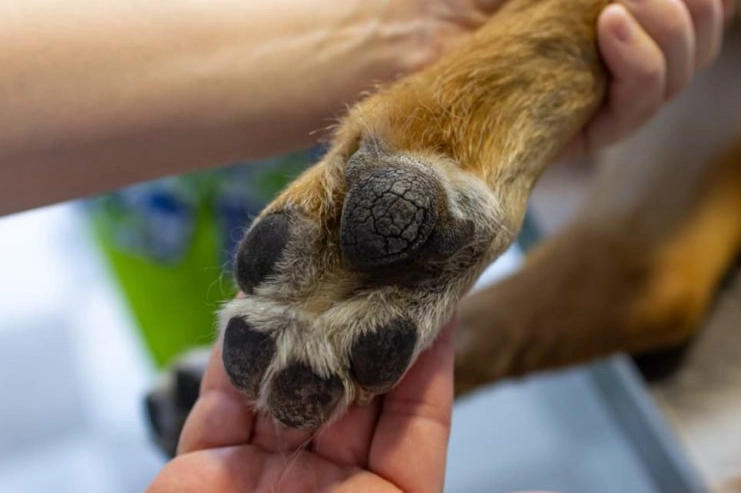
Diagnosis starts with a thorough veterinary examination. Your vet will likely ask about your dog's history, diet, and symptom patterns. Physical exams check for anal tone, abdominal masses, or neurological deficits.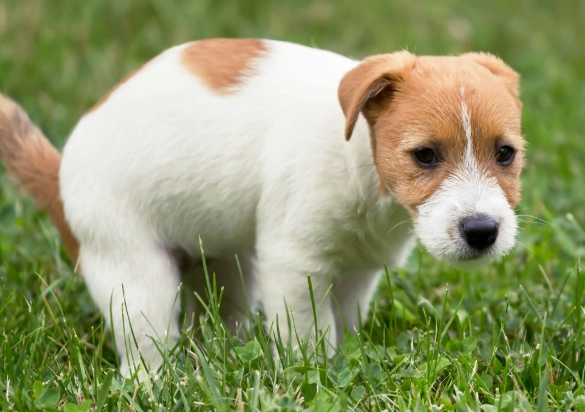
Diagnostic tests may include blood work to rule out infections or metabolic issues, fecal tests for parasites, and imaging like X-rays or ultrasounds to assess the digestive tract and spine. In some cases, a neurologist might recommend advanced scans. The American Veterinary Medical Association (AVMA) emphasizes comprehensive evaluation to avoid misdiagnosis.
I recall a case where a dog's incontinence was initially blamed on diet, but imaging revealed a spinal tumor. Early diagnosis allowed for targeted treatment, improving quality of life. So, don't skip those tests—they're worth it.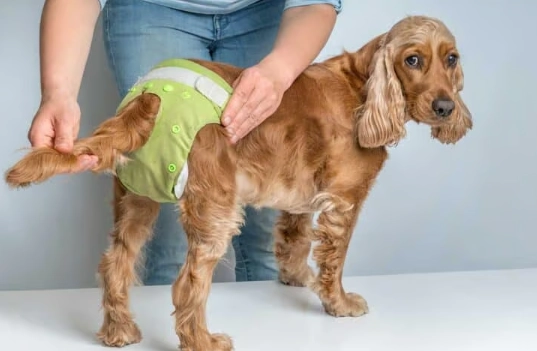
Effective Treatment and Management Strategies
Treatment depends on the underlying cause. For medical issues, medications like anti-inflammatories, antibiotics, or stool firmers might be prescribed. Neurological conditions may require physical therapy or surgery in severe cases.
Home Care and Management Tips
Managing fecal incontinence at home involves a mix of routine adjustments and supportive products. Establish a consistent feeding and walking schedule to predict bowel movements. High-fiber diets can help form solid stools, reducing leakage risks.
Pro tip: Consider using dog diapers or belly bands designed for incontinence. Opt for washable, breathable options to prevent skin issues. Waterproof bedding and easy-clean floor covers are lifesavers for protecting your home.
Exercise is crucial but moderate it based on your dog's condition. Short, frequent walks can stimulate bowel movements at predictable times. Avoid sudden diet changes; introduce new foods gradually to prevent digestive upset.
Medications and Supplements
Some dogs benefit from medications like loperamide (under vet guidance) to slow bowel movements or supplements with probiotics and fiber to improve gut health. However, self-medicating can be dangerous—always get professional advice. I've seen cases where over-the-counter remedies worsened symptoms due to underlying allergies.
Prevention Tips and Long-Term Care
Prevention focuses on maintaining overall health. Regular vet check-ups catch issues early. A balanced diet rich in fiber supports digestive regularity. Exercise keeps muscles, including anal sphincters, strong.
For senior dogs, consider ramping up preventive care. Monitor weight, as obesity strains muscles and joints. Cognitive support through enrichment activities can reduce stress-related incontinence. Remember, it's about quality of life, not just avoiding accidents.
One non-consensus point: many owners skip dental care, but oral health impacts overall wellness, including digestive function. Poor dental hygiene can lead to infections that affect the gut, indirectly contributing to incontinence. So, don't neglect those teeth cleanings.
Frequently Asked Questions
Managing fecal incontinence in dogs requires patience and a proactive approach. By understanding the causes and implementing tailored strategies, you can help your dog live comfortably. Regular vet visits and a supportive home environment make all the difference. If you're struggling, don't hesitate to seek professional advice—sometimes a small adjustment can lead to big improvements.

Leave a comment