You found a chewed leaf. A bit of pollen on your cat's whiskers. Maybe you saw them take a curious nibble. And now, an hour later, they're purring on the couch, batting a toy, acting completely normal. Your heart rate starts to settle. "Maybe it's fine," you think. "Maybe nothing happened." Let me stop you right there. As someone who has spent over a decade in veterinary emergency rooms and witnessed the heartbreaking aftermath of this exact scenario, I'm telling you: "Nothing happened" is the most dangerous assumption you can make. Lily poisoning in cats is a silent, fast-moving crisis where the visible "nothing" hides a catastrophic internal process already underway.
What You'll Find Here
The Hidden Timeline: Why "Fine Now" Doesn't Matter
This is the core concept that most pet websites gloss over. They list symptoms but don't stress the terrifying delay. Lily toxins (specific to plants of the Lilium and Hemerocallis genera) don't cause immediate, dramatic collapse. They target the kidneys with sinister efficiency.
Here’s the typical, and often missed, progression:
The Silent Countdown of Lily Poisoning
0-2 Hours Post-Ingestion: Your cat seems completely normal. This is the window where inducing vomiting at the vet is most effective. The clock is ticking.
2-6 Hours: Subtle signs may begin: a slight lethargy, reduced interest in food. Many owners attribute this to "just a nap" or "not being hungry."
6-12 Hours: Vomiting often starts. This is the first clear sign something is wrong, but kidney damage is already initiating. The toxins are circulating.
12-24 Hours: The kidney cells are dying. Signs of acute kidney injury become evident: increased thirst, frequent urination, followed by a complete stop in urine production (anuria), severe depression, dehydration, and abdominal pain.
24-72 Hours: Without aggressive treatment, irreversible kidney failure sets in. The prognosis declines rapidly.
See the trap? The period where your cat looks "fine" overlaps perfectly with the period where treatment is most successful. Waiting for clear symptoms means you're starting treatment after significant, sometimes permanent, damage has occurred. A study published in the Journal of Veterinary Emergency and Critical Care underscores that early, aggressive IV fluid therapy is the single biggest factor in survival.
Your Immediate Action Plan (Do Not Skip)
If you suspect any lily ingestion, follow these steps. Don't debate, don't Google for another hour.
Step 1: Secure Your Cat & the Plant. Gently move your cat to a safe, contained space (a carrier or small room). This prevents further ingestion and keeps them accessible. Bring a sample of the plant or a clear photo with you. This is crucial for identification.
Step 2: Call for Help Immediately. Call your regular vet, the nearest emergency veterinary clinic, or a pet poison helpline like the ASPCA Animal Poison Control Center (888-426-4435) or Pet Poison Helpline (855-764-7661). Be ready to pay a consultation fee for these services—it's worth every penny for their expert, immediate guidance.
Step 3: Do Not Try Home Remedies. Do not induce vomiting at home unless explicitly instructed by a veterinarian or poison control expert. You can cause aspiration or esophageal damage. Do not give milk, oil, or any human medications.
Step 4: Go to the Vet. The answer to "Should I go?" is almost always YES. Expect the recommendation to be an immediate visit. Time is kidney function.
Which "Lilies" Are Actually Deadly? A Clear Guide
Not all plants called "lilies" are created equal. This confusion costs cats their lives. The common names are a minefield. Here’s a breakdown you should save or print.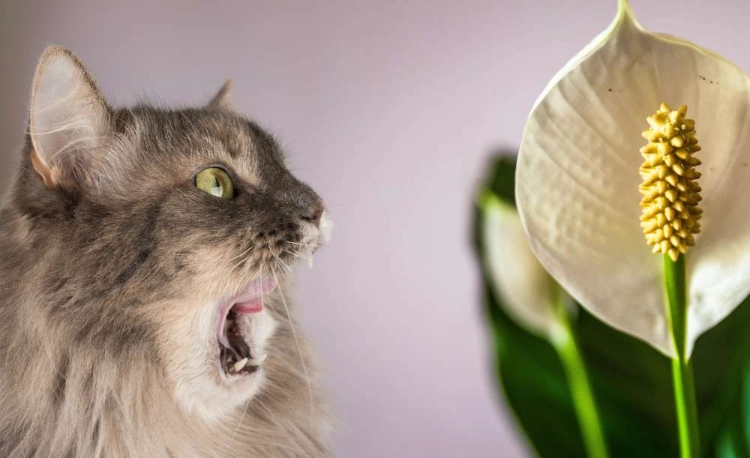
| Common Name | Botanical Genus | Toxicity Level for Cats | Key Notes |
|---|---|---|---|
| Easter Lily, Tiger Lily, Asiatic Lily, Daylily | Lilium, Hemerocallis | HIGHLY TOXIC (Kidney Failure) | All parts are poisonous: petals, leaves, stem, pollen, even the water in the vase. This is the #1 threat. |
| Peace Lily | Spathiphyllum | MODERATELY TOXIC (Oral Irritation) | Contains calcium oxalate crystals. Causes mouth burning, drooling, vomiting. Does not cause kidney failure. Still needs vet care. |
| Lily of the Valley | Convallaria majalis | HIGHLY TOXIC (Heart Arrhythmias) | Toxic for different reasons! Contains cardiac glycosides affecting the heart. Also an emergency. |
| Peruvian Lily | Alstroemeria | MILD-MODERATE (GI Upset) | Often causes mild vomiting and diarrhea. Not associated with fatal kidney failure like true Lilium lilies. |
The rule of thumb? If you're unsure, treat it as an emergency. When in doubt, get it checked out.
What to Expect at the Vet: Beyond Inducing Vomiting
Many owners think the vet will just make the cat vomit and send them home. That's only the first step in a critical protocol. Here’s what proper treatment involves:
Decontamination: If ingestion was very recent, the vet may induce vomiting medically. They will then often administer activated charcoal, which binds to any remaining toxins in the gastrointestinal tract to prevent further absorption.
The Golden Treatment: Aggressive IV Fluids. This is non-negotiable. Your cat will likely be hospitalized and placed on intravenous fluids for at least 48 hours. This isn't just for hydration; it's called "diuresis." The constant fluid flow helps flush the toxins through the kidneys before they can bind to and destroy the kidney cells. It's the most effective way to prevent acute kidney injury.
Monitoring: Blood tests (checking blood urea nitrogen BUN and creatinine) will be taken at admission and repeated during and after treatment to directly monitor kidney function. Urine output will be measured closely.
The cost? It can be significant, often ranging from $1,000 to $2,500+ for the full hospitalization and treatment. This is where pet insurance proves its worth. But let's be clear: the alternative cost is immeasurably higher.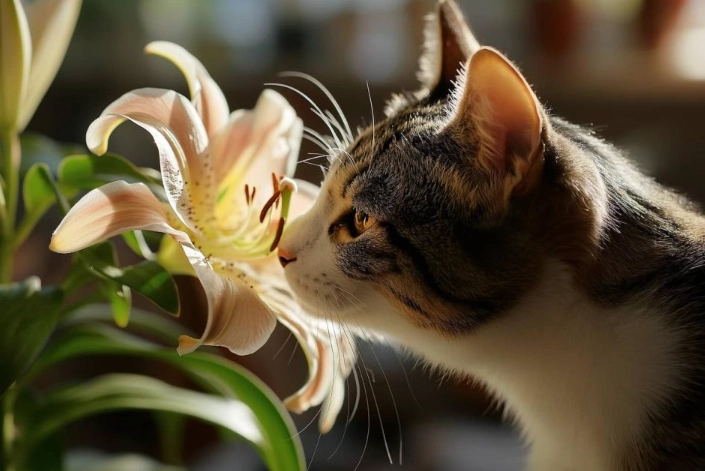
Your Foolproof Prevention Strategy
Treatment is a nightmare. Prevention is simple. Adopt a zero-tolerance policy for true lilies (Lilium, Hemerocallis) in your home if you have cats. Not on high shelves, not in rooms they "don't go in." Cats jump, explore, and pollen drifts.
Actionable Steps:
- Educate Gift-Givers: Tell friends and family not to bring lilies into your home. Suggest cat-safe alternatives like roses, orchids (Phalaenopsis), or African violets.
- Check Bouquets: Florists often include lilies in mixed arrangements. Always specify "no lilies" when ordering.
- Garden Safely: If you have lilies in your garden, consider removing them or creating a secure, cat-proof barrier. Falling petals and leaves are a risk.
- Prepare Your Contacts: Save your vet's after-hours number and the ASPCA/Pet Poison Helpline numbers in your phone now. Don't scramble during a crisis.
Common Questions Answered
I remember a case, early in my career, of a beautiful young cat named Miso. The owner saw him brush against a gifted Easter lily, noticed a bit of pollen later, but he was playful all evening. They waited. By morning, he was vomiting. By the time they arrived, his kidney values were already skyrocketing. We fought hard with fluids for days, but the damage was too extensive. The owner's guilt was palpable—they thought "nothing happened" until it very clearly did. That case cemented for me that the only correct response to potential lily ingestion is immediate, decisive action. Don't let "nothing happened" be the reason you lose precious, life-saving time.



Leave a comment