Let's talk about those little "thumbs" on your dog's legs—the dewclaws. You've probably noticed them, maybe even wondered about their purpose. And if you're reading this, you're likely facing a decision, or just had a scare, about whether to have them removed. It's not a simple yes-or-no topic. I've been through this with working dogs and family pets, and the conversation is filled with strong opinions, outdated practices, and genuine medical concerns.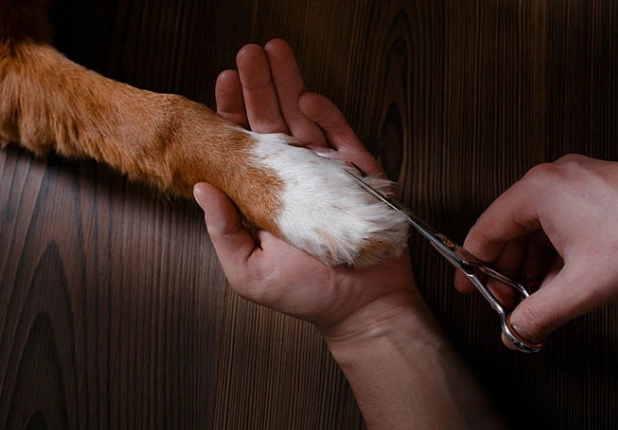
This guide isn't here to push you in one direction. My goal is to lay out everything: the anatomy, the real risks of keeping them, the details of the surgery, the often-underestimated recovery, and the costs. By the end, you'll have the concrete information to have a confident talk with your vet.
What’s Inside This Guide?
- What Exactly Is a Dewclaw (And Does My Dog Need It)?
- The Big Debate: Weighing the Pros and Cons of Removal
- The Surgical Procedure Explained
- The Recovery Timeline & Your Crucial Care Role
- Dew Claw Removal Cost: A Realistic Breakdown
- What Are the Alternatives to Full Removal?
- Making Your Decision: A Final Checklist
What Exactly Is a Dewclaw (And Does My Dog Need It)?
Think of the dewclaw as a dog's vestigial thumb. On the front legs, it's usually connected by bone and has some muscle attachment, allowing many dogs to use it to grip toys or bones. On the back legs, if present, it's often just "floating"—attached by skin and loose tissue, which is where most problems start.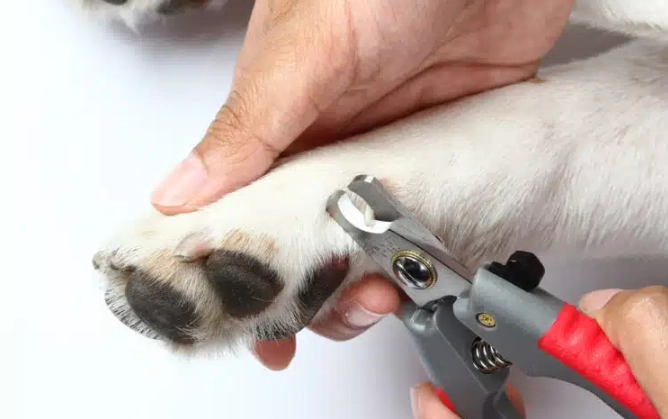
Their original function? For wild canids, they provided extra traction and grip when running or holding prey. For the average modern couch-surfing Labrador, that function is pretty much obsolete. But "obsolete" doesn't automatically mean "problematic." Many dogs live their whole lives with dewclaws without issue. The problem arises when the claw gets caught, torn, or grows in a way that irritates the leg.
The Big Debate: Weighing the Pros and Cons of Removal
This is where emotions run high. Breeders of certain working or show breeds often remove them days after birth as a standard practice. For the average pet owner, it's a medical decision. Let's break it down without the hype.
Arguments FOR Removal (Prophylactic or Medical):
Preventing Traumatic Injury: This is the number one reason. A dewclaw can snag on carpet, underbrush, or a crate door and tear. I've seen it—it's a bloody, painful emergency. For active dogs who hike, hunt, or run through rough terrain, this risk is real.
Eliminating a Chronic Issue: Some dewclaws are poorly formed, growing in a circle into the pad, or constantly getting ingrown. Regular trimming might not be enough.
Simplified Grooming: Let's be practical. One less nail to trim is one less struggle for some owners and dogs.
Arguments AGAINST Routine Removal:
It's Still Amputation: The American Veterinary Medical Association (AVMA) opposes cosmetic tail docking and ear cropping, and while dewclaw removal isn't explicitly in the same category for all, the ethical principle applies. It's an elective surgery with inherent risks (anesthesia, infection, pain).
Functional Use: Many dogs use their front dewclaws for stability when turning at high speed, holding items, or climbing. Removing them might affect biomechanics, especially in athletic dogs.
The "If It Ain't Broke" Principle: Why put a dog through surgery for a problem that may never occur? This is a valid point for low-risk, indoor, or sedentary pets.
The Surgical Procedure Explained
If you and your vet decide removal is the right path, here's what to expect. It's not just "clipping" the nail.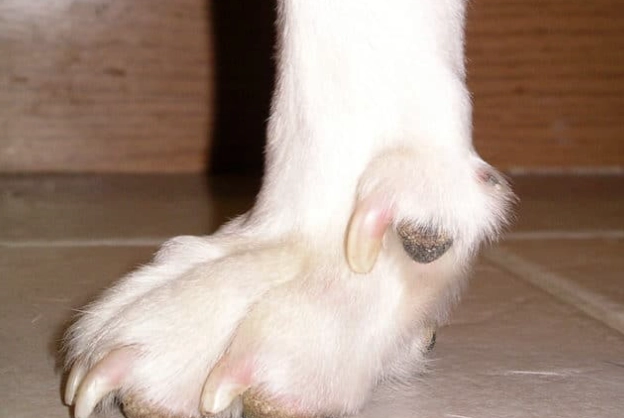
The dog is placed under general anesthesia. The vet surgically removes the entire claw and the third phalanx (the tiny bone it grows from). This is crucial—if any germinal tissue is left behind, a deformed nail can regrow. The incision is closed with sutures or surgical glue, and a bandage is applied.
The surgery itself is relatively quick, often under 30 minutes per leg if done alone. But the anesthesia and prep time are the same as for any procedure.
Adult vs. Puppy Removal: A World of Difference
This is a critical distinction most blogs gloss over.
Neonatal Removal (1-5 days old): Performed by breeders, often without anesthesia, using sharp scissors or a nail trimmer. The bone is still soft cartilage. Proponents argue it's less painful, but the ethics and potential for incomplete removal are serious concerns. It's banned or restricted in many countries.
Adult Dog Removal: This is a full surgical procedure under anesthesia, as described above. The recovery is more involved, the cost is higher, and the dog is aware of the discomfort during healing. This is the scenario most pet owners face.
The Recovery Timeline & Your Crucial Care Role
This is the part owners are least prepared for. Recovery isn't just a few days.
Week 1 (The Critical Phase): The bandage must stay clean, dry, and intact. Your dog will likely go home with an Elizabethan collar (the cone of shame)—use it. No exceptions. I've seen a dog rip out stitches in 30 seconds of unsupervised licking. Limit activity to leash walks for bathroom breaks only. Your vet will prescribe pain meds and possibly antibiotics.
Week 2: Stitch removal or check-up around day 10-14. The site should look clean, pink, and healed. Swelling or redness is a red flag. Activity is still restricted.
Weeks 3-4: Gradual return to normal activity. The internal healing is still happening. No off-leash running, dog parks, or swimming until your vet gives the all-clear.
Your job is vigilance. Check the bandage twice daily for slipping, odor, or moisture. Prevent licking at all costs. Manage your dog's energy with puzzle toys and calm interaction.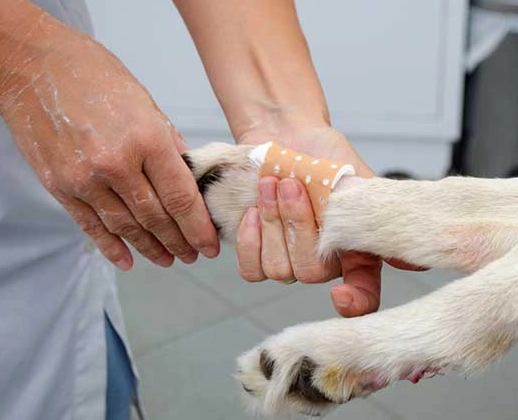
Dew Claw Removal Cost: A Realistic Breakdown
Costs vary wildly by location, clinic, and your dog's size. Here's a realistic table to set expectations. Remember, this is for an adult dog undergoing planned surgical removal.
| Cost Factor | Low-End Estimate | High-End Estimate | Notes |
|---|---|---|---|
| Pre-Surgical Exam | $50 - $80 | $100+ | Mandatory. |
| Anesthesia | $200 - $400 | $500+ | Based on dog's weight & procedure time. |
| Surgical Fee | $150 - $300 per leg | $400+ per leg | If done alone. Often cheaper if combined with spay/neuter. |
| Medications | $40 - $80 | $120+ | Pain relievers, antibiotics. |
| Post-Op Re-check | $40 - $60 | Included | For bandage change/stitch removal. |
| TOTAL (One Leg) | $480 - $920 | $1,100+ | |
| TOTAL (Both Front Legs) | $600 - $1,500 | $1,800+ | Not simply double; some fees are shared. |
Will Pet Insurance Cover It? It depends. If removal is deemed medically necessary (documented history of injury, infection, deformity), most insurance plans with illness/accident coverage will pay, minus your deductible. If it's elective or prophylactic (preventive), it will almost certainly not be covered. Check your policy's fine print on "preventive care" and "congenital conditions."
What Are the Alternatives to Full Removal?
Surgery isn't the only path. For dogs with problematic but not critically injured dewclaws, consider these first:
Aggressive Nail Maintenance: Trim the dewclaw every 1-2 weeks to keep it very short, so there's nothing to catch. Use a Dremel tool to smooth edges.
Protective Wrapping for Activities: For hiking or high-risk play, use a vet wrap or a purpose-made product like a "hound sock" to secure the dewclaw against the leg temporarily.
Partial Removal (Onchyectomy): In rare cases, only the nail bed is removed, leaving the bony digit. This is less common but an option for specific issues.
I tried the wrapping method with my active Border Collie mix. It worked for a while, but it was a hassle before every hike. We eventually opted for removal after a near-tear scare. It was the right call for her lifestyle.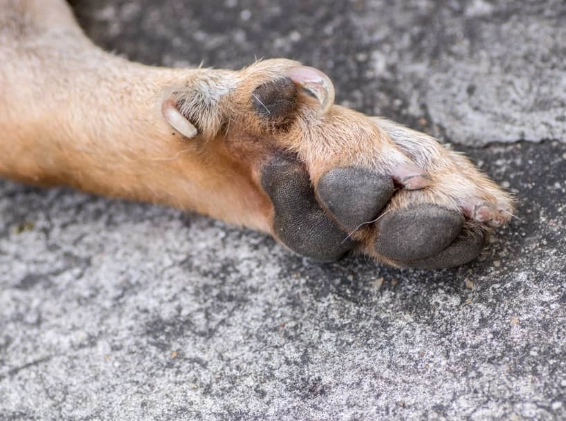
Making Your Decision: A Final Checklist
Talk to your vet, but go in informed. Ask yourself:
1. What is my dog's lifestyle? Couch potato or adventure dog? 2. What is the dewclaw's condition? Tightly attached or loose and floppy? Does it grow normally? 3. Has there been a previous injury? One minor tear increases the risk of another. 4. Can I commit to the recovery? Two weeks of strict rest and monitoring. 5. Is this purely for my convenience? Be honest with yourself.
There's no universal right answer. For a dog with loose rear dewclaws who loves the woods, removal might be a prudent safety measure. For a calm dog with well-attached front dewclaws, leaving them is perfectly reasonable.


Leave a comment